
Introduction
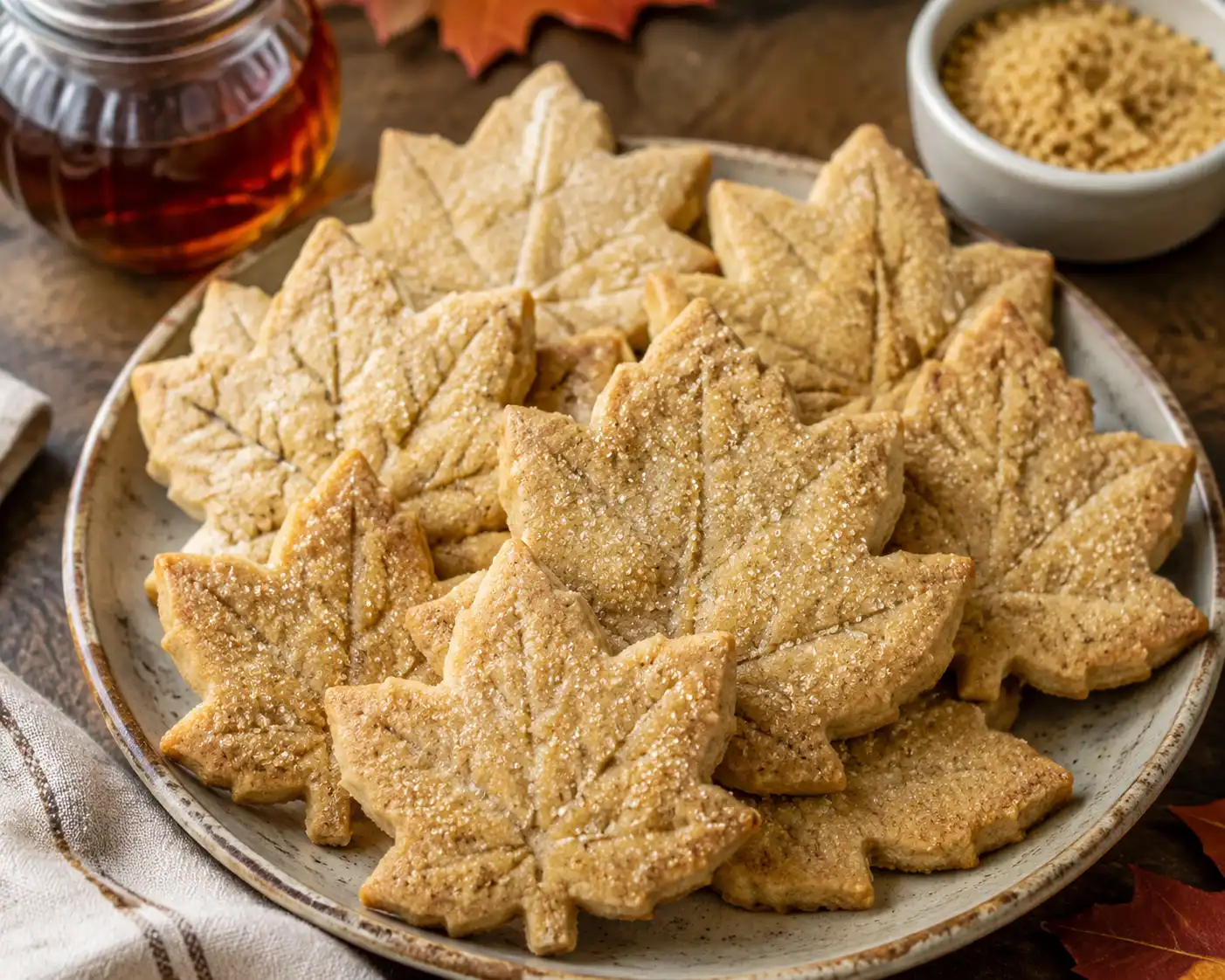
Maple brown sugar cookies are a beloved, deeply comforting treat that marries the rich, molasses-kissed depth of dark brown sugar with the warm, woody-sweet complexity of pure maple syrup. Unlike standard sugar cookies or even classic chocolate chip varieties, these cookies offer a uniquely autumnal, almost caramelized warmth—evoking cozy mornings, holiday baking traditions, and nostalgic family kitchens. Their tender-chewy texture, golden-brown edges, and subtle crystalline sheen make them visually inviting, while their nuanced flavor profile—earthy, buttery, slightly smoky, and delicately spiced—elevates them beyond ordinary drop cookies. Whether served fresh from the oven with a glass of cold milk, packaged as gourmet holiday gifts, or enjoyed alongside a steaming mug of spiced cider, maple brown sugar cookies represent the perfect balance of rustic simplicity and refined taste.
The History
The origins of maple brown sugar cookies are rooted in the broader evolution of American regional baking, particularly in New England and Eastern Canada—areas where maple sugaring has been practiced for centuries by Indigenous peoples, notably the Wabanaki, Haudenosaunee, and Anishinaabe nations. Long before European colonization, sap was collected from sugar maple trees (Acer saccharum) and boiled down over open fires to produce concentrated syrup and granulated maple sugar—a labor-intensive but vital source of sweetness and nutrition. Early colonial settlers adopted and adapted these techniques, integrating maple into everyday cooking, including baked goods like gingerbread, cornmeal cakes, and molasses-based cookies. As brown sugar (a blend of white sugar and molasses) became more widely available in the 18th and 19th centuries, bakers began combining it with maple for layered sweetness and enhanced moisture retention. The modern maple brown sugar cookie emerged in earnest during the mid-20th century, buoyed by postwar home economics movements, the rise of branded maple syrup marketing (especially Vermont’s “maple identity”), and the popularity of chewy, soft-baked cookies championed by cookbooks like The Joy of Cooking and community church collections. Today, it stands as both a heritage recipe and a canvas for innovation—honoring tradition while welcoming global influences, dietary adaptations, and artisanal upgrades.
Ingredients Breakdown
Every ingredient in this maple brown sugar cookie recipe plays a precise functional and flavor role—no component is arbitrary. Understanding why each is included deepens both technique and results:
- Unsalted Butter (1 cup / 2 sticks / 227g): Provides richness, flakiness, and tenderness. Unsalted ensures full control over sodium levels. Cold-to-cool butter (not melted, not softened to room temperature) helps create pockets of steam during baking, contributing to lift and chew. European-style butter (82–84% fat) yields even more luxurious texture and browning.
- Pure Maple Syrup (½ cup / 120ml), Grade A Amber or Dark Robust: Not pancake syrup! Real maple syrup contributes invert sugars that inhibit crystallization, enhance browning via Maillard reactions, add subtle vanilla-like vanillin notes, and lend a distinctive terroir-driven flavor—earthy, woody, and faintly smoky. Darker grades offer stronger flavor and higher mineral content; lighter grades give delicate sweetness. Avoid imitation syrups containing high-fructose corn syrup—they lack enzymatic complexity and can cause excessive spread.
- Packed Dark Brown Sugar (1¼ cups / 280g): The molasses content (6–10%) adds acidity (which activates baking soda), moisture, and deep caramel, rum-like notes. Packing ensures density and consistency; under-packing leads to dry, crumbly cookies. Light brown sugar may be substituted, but dark delivers superior depth and chew.
- Granulated Sugar (¼ cup / 50g): Adds structure and crispness at the edges without overwhelming maple flavor. Its lower moisture content balances the syrup’s liquidity and promotes surface caramelization.
- Large Eggs (2, room temperature): Act as emulsifiers, binders, and leavening agents. Room temperature eggs incorporate more evenly into the batter, preventing curdling and ensuring uniform texture. One egg yolk may optionally be added for extra richness and chew.
- Pure Vanilla Extract (2 tsp): Complements maple’s woody notes and rounds out sharp edges. Madagascar bourbon vanilla offers optimal synergy; avoid artificial vanilla, which clashes with maple’s natural complexity.
- All-Purpose Flour (2¾ cups / 345g), spooned & leveled: Provides gluten structure. Too much flour causes toughness; too little leads to flat, greasy cookies. Spooning flour into the measuring cup (rather than scooping) prevents compaction. For enhanced tenderness, substitute up to ¼ cup with cake flour or replace ½ cup with toasted oat flour.
- Baking Soda (1 tsp): Reacts with the acidic components (molasses in brown sugar + maple syrup) to produce carbon dioxide—critical for lift and spread control. Freshness is essential; test by adding ¼ tsp to 2 tbsp vinegar—if no vigorous fizz occurs, replace.
- Fine Sea Salt (1 tsp): Balances sweetness, enhances all other flavors, and strengthens gluten bonds just enough to support chew. Flaky sea salt may be used for finishing, but fine salt dissolves fully into the dough.
- Optional Add-Ins: Toasted pecans or walnuts (¾ cup), crystallized ginger (¼ cup finely chopped), orange zest (1 tbsp), or a pinch of freshly grated nutmeg (⅛ tsp) deepen aromatic dimension without overpowering.
Step-by-Step Recipe
- Prep & Chill (30 minutes): Line two large baking sheets with parchment paper or silicone baking mats. In a small saucepan over low heat, gently warm the maple syrup until just lukewarm (do not boil—it will caramelize prematurely). Set aside to cool slightly. Meanwhile, whisk together flour, baking soda, and salt in a medium bowl. Place butter in a stand mixer fitted with the paddle attachment (or use a hand mixer); beat on medium speed for 45 seconds until creamy but still cool—not melted or oily.
- Cream Butter & Sugars (3–4 minutes): Add both brown and granulated sugars to the butter. Beat on medium-high for 3–4 minutes until light, fluffy, and pale tan—scraping down the bowl twice. This step incorporates air and dissolves sugar crystals, crucial for proper spread and texture. Do not rush: under-creamed butter yields dense, greasy cookies.
- Incorporate Wet Ingredients (2 minutes): Reduce speed to low. Add warmed (not hot) maple syrup, then eggs one at a time, mixing just until each is fully absorbed (about 20 seconds per egg). Add vanilla and mix 15 seconds more. Pause to scrape bowl thoroughly—any unmixed syrup or egg will cause uneven baking.
- Combine Dry & Wet (1 minute): With mixer on low, gradually add the flour mixture in three additions, mixing only until *just* combined after each addition—no visible streaks of flour should remain, but do not overmix. Overmixing develops excess gluten, resulting in tough, cakey cookies. Use a flexible spatula for final folds if needed.
- Add Mix-Ins & Chill Dough (Minimum 2 hours, ideally overnight): Gently fold in nuts, ginger, or other add-ins. Divide dough into two equal portions. Shape each into a 1½-inch-thick log, wrap tightly in parchment paper, then plastic wrap. Refrigerate for *at least* 2 hours—or up to 72 hours. Chilling solidifies butter, slows spread, concentrates flavors, hydrates flour, and allows starches to relax—yielding thicker, more flavorful, evenly browned cookies. For best results, freeze logs for 1 hour before slicing.
- Preheat & Slice (15 minutes before baking): Position racks in upper and lower thirds of oven. Preheat to 350°F (175°C) for at least 15 minutes—oven thermometers are highly recommended. Remove one log from fridge; slice into ¼-inch-thick rounds using a sharp, non-serrated knife dipped in hot water and wiped dry between cuts. Place slices 2 inches apart on prepared sheets—cookies will spread significantly.
- Bake (11–13 minutes): Bake sheets one at a time (for even heat distribution) for 11–13 minutes, rotating halfway through. Cookies are done when edges are deeply golden brown and set, centers appear puffed and *just* beginning to lose their raw shine—but still look soft and slightly underdone. They will continue to set as they cool. Overbaking yields brittle, overly crisp cookies.
- Cool & Store (Essential Step): Let cookies cool on baking sheet for exactly 5 minutes—this finishes internal cooking and sets structure. Then transfer carefully to wire racks to cool completely (20–25 minutes). Store in an airtight container at room temperature for up to 5 days, or freeze unbaked dough logs for up to 3 months.
Tips
- Measure Maple Syrup Accurately: Use a liquid measuring cup placed on a level surface. For sticky accuracy, lightly coat the cup with neutral oil first—or measure syrup *after* other wet ingredients to avoid cross-contamination with dry tools.
- Butter Temperature Is Non-Negotiable: Butter should be cool (60–65°F), malleable but leaving a slight impression when pressed—never greasy or shiny. If too warm, chill dough longer; if too cold, pulse briefly in food processor to soften uniformly.
- Don’t Skip the Chill: Even 90 minutes improves texture dramatically. Overnight chilling (12–16 hours) intensifies maple flavor and yields superior browning and chew. Dough may be frozen for up to 3 months—slice frozen and bake 1–2 minutes longer.
- Rotate & Swap Racks: Home ovens have hot spots. Rotating sheets front-to-back *and* swapping top/bottom racks halfway ensures even browning and prevents burnt undersides.
- Underbake Intentionally: Remove cookies when centers look softly set—not firm. Carryover heat will finish them perfectly. Err on the side of underdone; you can always return them to the oven for 30-second increments.
- Use Parchment, Not Wax Paper: Wax paper melts and smokes. Parchment withstands high heat and prevents sticking without added grease.
- Scale for Consistency: Weigh ingredients (especially flour and syrup) for repeatable results. Volume measurements vary up to 25% depending on technique.
- Revive Stale Cookies: Place in a sealed container with a slice of apple or bread overnight—the natural moisture will rehydrate them beautifully.
- Prevent Over-Spreading: Ensure baking sheets are completely cool before placing new dough. Warm pans melt butter instantly, causing runaway spread. Chill dough balls for 10 minutes pre-bake if your kitchen runs hot.
- Enhance Maple Flavor Post-Bake: While still warm, brush tops lightly with reserved maple syrup (1 tsp per batch) and sprinkle with flaky sea salt—creates a glossy, restaurant-quality finish.
Variations and Customizations
This foundational recipe serves as a versatile platform for creative expression—whether accommodating dietary needs, celebrating seasonal produce, or elevating presentation. All variations retain the core maple-brown sugar harmony while offering distinct sensory experiences:
- Gluten-Free Maple Brown Sugar Cookies: Substitute 2¾ cups (345g) certified gluten-free all-purpose flour blend (with xanthan gum included, e.g., Bob’s Red Mill 1-to-1 or King Arthur Measure for Measure). Add ½ tsp xanthan gum if your blend doesn’t include it. Increase chill time to 3 hours—GF flours absorb liquid more slowly. Expect slightly more fragile, tender cookies.
- Vegan Maple Brown Sugar Cookies: Replace butter with 1 cup (227g) cold, solid vegan butter (e.g., Miyoko’s or Melt Organic). Use flax eggs (2 tbsp ground flax + 5 tbsp warm water, rested 10 min) instead of eggs. Ensure maple syrup is certified vegan (most are, but verify no bone char filtration). Add ¼ tsp apple cider vinegar to mimic egg acidity and boost rise.
- Oatmeal Maple Brown Sugar Cookies: Replace ¾ cup (90g) of flour with old-fashioned rolled oats (not instant). Add ½ tsp ground cinnamon and ¼ tsp ground cloves. Soak oats in 2 tbsp warm maple syrup for 5 minutes before folding in—prevents dryness and boosts chew.
- Maple Pecan Sticky Buns (Cookie Hybrid): Roll chilled dough into 12-inch square. Spread with maple-cinnamon filling (¼ cup melted butter + ⅓ cup brown sugar + 1 tbsp maple syrup + 1 tsp cinnamon), scatter toasted pecans, roll tightly, slice into 12 pieces, place in buttered pan, proof 45 min, bake at 350°F for 25–28 min. Drizzle with maple glaze.
- Maple Brown Sugar Cookie Sandwiches: Bake cookies 1–2 minutes less for ultra-soft centers. Cool completely. Fill with maple buttercream (1 cup butter, 3 cups powdered sugar, ¼ cup maple syrup, 1 tsp vanilla, pinch salt) or salted caramel ganache.
- Spiced Chai Maple Variation: Add 1½ tsp chai spice blend (cinnamon, cardamom, ginger, cloves, black pepper) to dry ingredients. Steep 1 tbsp loose-leaf chai in 2 tbsp hot cream for 5 minutes, strain, cool, and replace 2 tbsp maple syrup with infused cream.
- Blackstrap Molasses Infusion: Replace 1 tbsp maple syrup with unsulphured blackstrap molasses for deeper mineral notes, iron content, and bittersweet contrast—ideal for robust palates.
- Maple-Bacon Crunch Cookies: Fold in ½ cup finely chopped, crispy cooked bacon and ¼ cup maple sugar crystals (or coarse turbinado sugar) for textural contrast and savory-sweet umami depth.
- Mini Thumbprint Cookies: Roll dough into 1-inch balls, press thumb into center, fill with ¼ tsp pure maple jam or date paste before baking. Garnish with candied maple pepitas.
- Decorated Holiday Cookies: Roll dough between parchment to ¼-inch thickness. Cut with maple leaf-shaped cutters. Bake 9–11 minutes. Decorate with royal icing tinted with maple extract and edible gold luster dust.
Health Considerations and Nutritional Value
While maple brown sugar cookies are inherently indulgent, mindful preparation can enhance nutritional integrity without sacrificing authenticity. Below is a detailed analysis per standard cookie (based on 36 cookies per batch), along with science-backed considerations:
- Caloric Profile (Approx. 165 kcal per cookie): Primarily from complex carbohydrates (brown sugar, maple syrup) and fats (butter). Lower in simple refined sugars than conventional sugar cookies due to maple’s natural sucrose-invert sugar ratio.
- Maple Syrup Benefits: Contains 24+ identified antioxidants (e.g., quebecol, lignans), zinc (supports immunity), manganese (bone health), and polyphenols linked to reduced inflammation in clinical studies (Journal of Functional Foods, 2020). One tablespoon provides ~20% DV manganese.
- Brown Sugar Nuance: Though not a “health food,” dark brown sugar retains trace minerals (calcium, potassium, iron) from molasses—unlike refined white sugar. Its acidity also aids digestion when paired with baking soda.
- Butter Context: Grass-fed butter contributes conjugated linoleic acid (CLA), vitamin K2 (cardiovascular support), and butyrate (gut health). Moderation remains key—substituting half the butter with mashed ripe banana or unsweetened applesauce reduces saturated fat by ~40% but alters texture (best for softer, cake-like versions).
- Glycemic Impact: Maple syrup has a glycemic index (GI) of ~54 vs. table sugar’s 65—making it a marginally slower glucose releaser. However, total carbohydrate load still warrants portion awareness, especially for those managing insulin sensitivity.
- Dietary Modifications: For lower-sugar versions, reduce granulated sugar by 2 tbsp and add 1 tsp inulin (prebiotic fiber) to maintain bulk and browning. For higher-fiber options, replace ¼ cup flour with almond flour and add 1 tbsp ground flaxseed.
- Allergen Notes: Naturally nut-free and egg-free options exist (see vegan variation). Always verify maple syrup sourcing if tree-nut allergy is severe (cross-contact risk is minimal but possible in shared facilities).
- Mindful Enjoyment: Savoring one well-made cookie mindfully delivers greater satisfaction than three hastily consumed ones—leveraging satiety hormones (CCK, leptin) more effectively. Pairing with protein (Greek yogurt) or fiber (apple slices) further stabilizes blood sugar response.
Ultimately, these cookies belong in a balanced pattern of eating—not as daily staples, but as intentional, celebratory nourishment that honors real ingredients and culinary heritage.
Ingredients
- 1 cup (2 sticks / 227g) unsalted butter, cool (60–65°F)
- ½ cup (120ml) pure maple syrup (Grade A Amber or Dark Robust)
- 1¼ cups (280g) packed dark brown sugar
- ¼ cup (50g) granulated sugar
- 2 large eggs, room temperature
- 2 teaspoons pure vanilla extract
- 2¾ cups (345g) all-purpose flour, spooned & leveled
- 1 teaspoon baking soda
- 1 teaspoon fine sea salt
- ¾ cup (90g) toasted pecans or walnuts, roughly chopped (optional)
- Flaky sea salt, for finishing (optional)
Directions
- Line two large baking sheets with parchment paper or silicone baking mats. In a small saucepan over low heat, gently warm maple syrup until lukewarm (about 90°F)—do not boil. Set aside to cool slightly.
- In a medium bowl, whisk together flour, baking soda, and salt. Set aside.
- Place butter in the bowl of a stand mixer fitted with the paddle attachment. Beat on medium speed for 45 seconds until creamy but still cool.
- Add brown sugar and granulated sugar. Beat on medium-high for 3–4 minutes until light, fluffy, and pale tan, scraping down bowl twice.
- Reduce speed to low. Add warmed maple syrup, then eggs one at a time, mixing 20 seconds after each addition. Add vanilla and mix 15 seconds more. Scrape bowl thoroughly.
- With mixer on low, gradually add flour mixture in three additions, mixing only until *just* combined after each. Do not overmix.
- Gently fold in nuts (if using) with a flexible spatula.
- Divide dough in half. Shape each into a 1½-inch-thick log. Wrap tightly in parchment, then plastic wrap. Refrigerate for at least 2 hours—or up to 72 hours.
- When ready to bake, position oven racks in upper and lower thirds. Preheat oven to 350°F (175°C). Chill dough logs in freezer for 10 minutes for easier slicing.
- Remove one log. Using a sharp knife dipped in hot water and wiped dry, slice into ¼-inch-thick rounds. Place 2 inches apart on prepared sheets.
- Bake one sheet at a time for 11–13 minutes, rotating halfway through, until edges are deeply golden and set, centers are puffed and just losing their raw shine.
- Let cookies cool on baking sheet for exactly 5 minutes, then transfer to wire racks to cool completely (20–25 minutes).
- Store cooled cookies in an airtight container at room temperature for up to 5 days. Freeze unbaked dough logs for up to 3 months.
FAQ
- Can I use maple-flavored syrup instead of pure maple syrup?
- No—imitation syrups contain high-fructose corn syrup, artificial flavors, and preservatives that lack enzymatic complexity, cause excessive spread, hinder browning, and introduce off-flavors. Pure maple syrup is essential for authentic taste, texture, and chemistry.
- Why did my cookies spread too much?
- Common causes: butter too warm, insufficient chilling, warm baking sheets, expired baking soda, or under-measured flour. Always chill dough minimum 2 hours, use cool sheets, and verify leavener freshness.
- Can I make these cookies ahead for holidays?
- Absolutely. Baked cookies freeze well for up to 3 months in airtight containers with parchment between layers. Dough logs freeze for 3 months—slice and bake straight from freezer, adding 1–2 minutes to bake time.
- What makes these cookies chewy versus cakey?
- Chewiness comes from brown sugar’s molasses (binds water), proper creaming (incorporates air), minimal flour (prevents gluten overdevelopment), and intentional underbaking. Cakey texture results from too much flour, overmixing, or using only granulated sugar.
- Can I double this recipe?
- Yes—with caveats. Double all ingredients precisely, but chill dough in smaller portions (e.g., four 1-inch logs instead of two large ones) for faster, more even chilling. Mix in two batches if your mixer bowl is small to avoid overloading.
- My cookies turned out dry/crumbly—what went wrong?
- Likely causes: over-measuring flour (scooping instead of spooning), under-creaming butter/sugar, overbaking, or skipping the maple syrup (which adds critical moisture and hygroscopic sugars). Also check egg size—large eggs are standard.
- Is there a lower-sugar version that still tastes great?
- Yes: reduce granulated sugar to 2 tbsp, add 1 tsp inulin or allulose, increase maple syrup to ⅔ cup, and add 1 tbsp unsweetened applesauce. Texture will be softer; chill dough 3+ hours. Flavor remains rich and nuanced.
- Can I use coconut oil instead of butter?
- Coconut oil lacks dairy proteins and water content, yielding flatter, greasier, less flavorful cookies. For dairy-free, use high-fat vegan butter—not coconut oil—unless making a dedicated coconut-maple variation (add toasted coconut and reduce syrup by 1 tbsp).
- How do I get that beautiful crackled top?
- Slice dough when very cold, place on cool sheets, and bake immediately. The rapid temperature shift creates surface tension that cracks as the cookie puffs—enhanced by granulated sugar’s crystalline structure.
- Can kids help make these?
- Yes! Children can measure dry ingredients, stir in add-ins, slice chilled dough (with supervision), and place cookies on sheets. Teach them about maple’s Indigenous origins and sustainable sugaring practices for meaningful learning.
Summary
Maple brown sugar cookies are a masterclass in balanced sweetness, cultural heritage, and scientific baking—where the deep, mineral-rich resonance of pure maple syrup harmonizes with the molasses-laced warmth of dark brown sugar, yielding tender-chewy, golden-edged treats with unparalleled aromatic complexity.
By honoring traditional techniques—precise creaming, mandatory chilling, and intentional underbaking—while embracing thoughtful variations and mindful ingredient choices, these cookies transcend mere dessert to become edible heirlooms, connecting us to land, history, and shared moments of comfort across generations.