
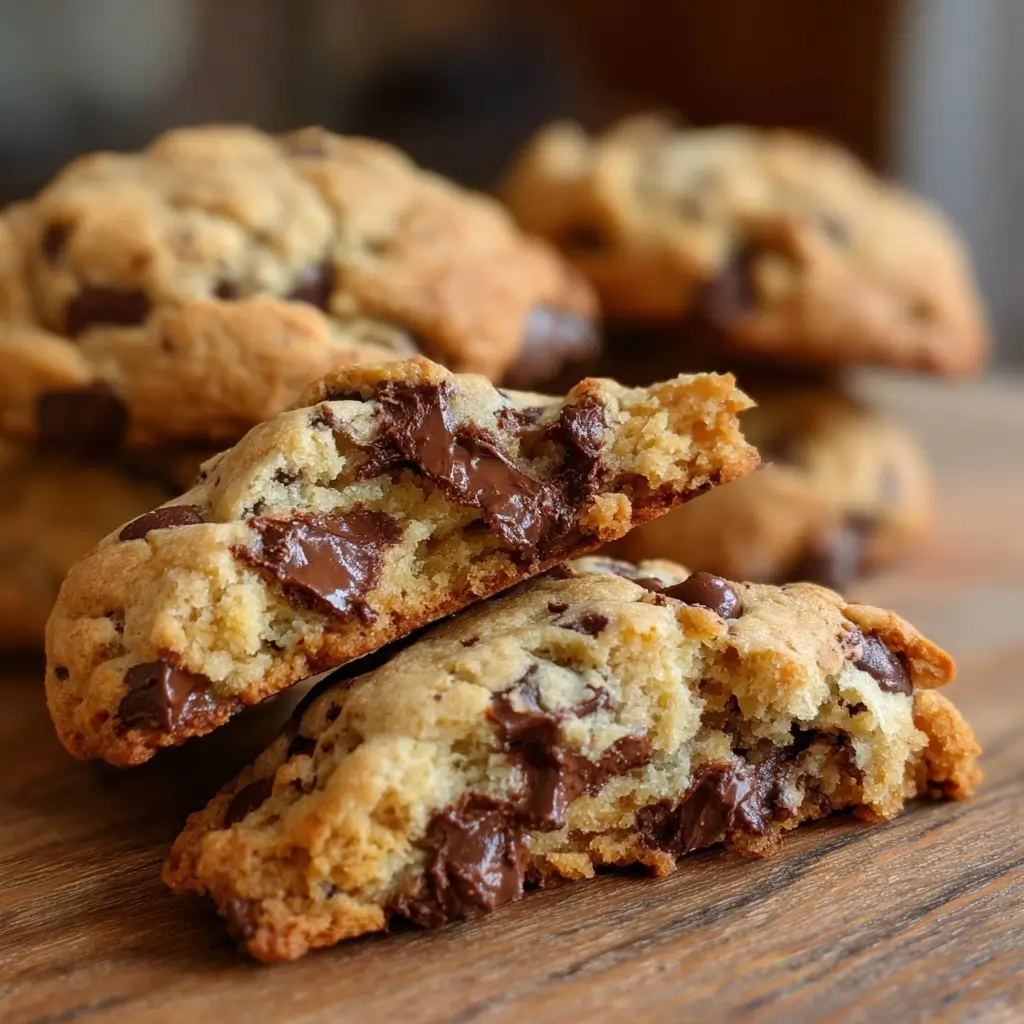
Levain-Style Chocolate Chip Cookies: The Ultimate Guide
If you’ve ever tasted a Levain Bakery chocolate chip cookie, you know exactly what all the hype is about. These legendary cookies—originating from New York City’s famed Levain Bakery—are thick, chewy on the inside, slightly crisp on the edges, and loaded with melty chocolate chips and toasted nuts. They are the gold standard for gourmet chocolate chip cookies, and now, with this comprehensive guide, you can recreate them at home with astonishing accuracy. This article dives deep into everything you need to know—from the history and science behind the recipe to ingredient breakdowns, step-by-step instructions, tips for perfection, variations, health considerations, FAQs, and more. Whether you’re a seasoned baker or a curious beginner, prepare to bake the most decadent, bakery-quality chocolate chip cookies you’ve ever made.
The History of Levain-Style Chocolate Chip Cookies
The story of the Levain-style chocolate chip cookie begins in 1995 when co-owners Constance Kamins and Pamela Weekes opened Levain Bakery in the Upper West Side of Manhattan. Originally specializing in artisanal breads, the duo pivoted toward cookies after noticing that their customers were particularly drawn to their dense, buttery, flour-dusted treats. What started as a side project quickly became the star of the menu.
The name “Levain” means “sourdough starter” in French, reflecting the bakery’s roots in traditional bread-making. However, it was their chocolate chip walnut cookies that catapulted them into culinary stardom. Word-of-mouth praise grew into a cult following, with people lining up around the block just to get their hands on one of these warm, hefty cookies wrapped in white paper.
Despite keeping their original recipe tightly guarded, bakers and food scientists have reverse-engineered versions that come remarkably close to the real deal. The hallmark traits—thick texture, gooey center, caramelized crust, and generous chunks of chocolate and nuts—have inspired countless copycats, but few match the original. Today, Levain Bakery has expanded across the U.S., and its cookies remain a benchmark for excellence in the world of baked goods.
Ingredients Breakdown: Why Each One Matters
The magic of a Levain-style cookie lies not just in technique but in the careful selection and balance of ingredients. Here’s a detailed look at each component and its role:
- All-Purpose Flour: Provides structure. Unbleached and unenriched flour works best for a clean flavor and proper rise. The protein content (around 10–12%) ensures enough gluten development without making the cookies tough.
- Baking Soda: A leavening agent that reacts with acidic components (like brown sugar) to create carbon dioxide, helping the cookies puff up slightly while baking.
- Salt: Enhances flavor and balances sweetness. Fine sea salt or kosher salt is ideal for even distribution.
- Unsalted Butter: High-fat European-style butter (82–84% fat) is preferred for richer flavor and better browning. It must be softened to room temperature for proper creaming.
- Granulated Sugar: Adds sweetness and contributes to surface crispness through caramelization.
- Packed Light Brown Sugar: The key to moisture and chewiness. Its molasses content adds depth of flavor and helps retain moisture.
- Large Eggs: Act as emulsifiers and add structure and richness. Room-temperature eggs blend more smoothly into the batter.
- Vanilla Extract: Pure vanilla extract enhances aroma and complements the butter and chocolate flavors.
- Semi-Sweet Chocolate Chunks: High-quality chocolate with 60–70% cocoa content is essential. Chopping a chocolate bar rather than using chips provides irregular pockets of molten chocolate.
- Toasted Walnuts or Pecans (optional): Adds crunch and nutty complexity. Toasting intensifies their flavor and prevents sogginess in the dough.
Optional additions like flaky sea salt on top before baking elevate the sensory experience by creating a sweet-salty contrast.
Step-by-Step Recipe: How to Make Levain-Style Chocolate Chip Cookies
Yield: 12–16 large cookies (6 oz / 170g each)
Ingredients
- 2 ¼ cups (280g) all-purpose flour
- 1 teaspoon baking soda
- ½ teaspoon fine sea salt
- 1 ½ cups (340g / 3 sticks) unsalted European-style butter, softened to room temperature
- 1 cup (200g) granulated sugar
- 1 cup (220g) packed light brown sugar
- 2 large eggs, room temperature
- 2 teaspoons pure vanilla extract
- 2 cups (340g) chopped semi-sweet chocolate (from a high-quality chocolate bar)
- 1 cup (100g) chopped toasted walnuts or pecans (optional)
- Flaky sea salt, for topping (optional)
Directions
- Prep: Preheat oven to 350°F (175°C). Line two large baking sheets with parchment paper or silicone baking mats. Set aside.
- Mix Dry Ingredients: In a medium bowl, whisk together flour, baking soda, and salt. Set aside.
- Cream Butter and Sugars: In a large bowl using a hand mixer or stand mixer fitted with a paddle attachment, beat softened butter, granulated sugar, and brown sugar on medium-high speed for 3–4 minutes until light, fluffy, and pale in color. Scrape down the sides as needed.
- Add Wet Ingredients: Beat in the eggs one at a time, mixing well after each addition. Add vanilla extract and mix until fully incorporated. The mixture should be smooth and creamy.
- Combine Dry and Wet: Gradually add the dry ingredients to the wet mixture on low speed, mixing just until combined. Do not overmix.
- Fold in Mix-ins: Using a spatula, gently fold in the chopped chocolate and toasted nuts (if using) until evenly distributed.
- Chill the Dough (Critical Step): Cover the dough and refrigerate for at least 2 hours, preferably overnight (up to 72 hours). Chilling solidifies the butter, prevents overspreading, enhances flavor development, and leads to a chewier texture.
- Scoop and Shape: Remove dough from fridge. Use a large ice cream scoop (about 3 tablespoons or 6 oz) to portion dough into tall, domed mounds. Place 4–6 dough balls per baking sheet, spaced at least 3 inches apart to allow for spreading.
- Bake: Bake for 16–18 minutes, rotating pans halfway through. Cookies are done when the edges are deeply golden brown and slightly crisp, but the centers still appear soft and underbaked. They will continue to set as they cool.
- Cool: Let cookies cool on the baking sheet for 5 minutes before transferring to a wire rack. For the true Levain experience, serve slightly warm.
- Finish: Sprinkle with flaky sea salt immediately after removing from the oven, if desired.
Tips for Perfect Levain-Style Cookies
- Use European-Style Butter: Higher fat and lower water content result in richer flavor and less steam during baking, reducing spread and enhancing browning.
- Don’t Skip the Chill Time: This is non-negotiable. Cold dough = thicker cookies with better texture and flavor melding.
- Underbake Slightly: Take cookies out when centers look soft. They’ll firm up perfectly upon cooling.
- High Heat Baking: Some bakers prefer 375°F for extra browning and crisp edges. Experiment to find your preference.
- Use a Scale: Precision matters. Measuring flour by weight ensures consistency.
- Chop Your Own Chocolate: Irregular shards melt unevenly, creating gooey pockets. Avoid pre-made chips.
- Toast Your Nuts: Spread walnuts or pecans on a baking sheet and toast at 350°F for 8–10 minutes until fragrant. Cool before chopping.
- Room Temperature Eggs: Cold eggs can cause the creamed butter-sugar mixture to seize. Warm them by placing in lukewarm water for 5–10 minutes.
- Don’t Overmix: Once flour is added, mix only until combined. Overmixing develops gluten, leading to tougher cookies.
- Bake One Sheet at a Time: For even heat distribution, especially in home ovens with hot spots.
Variations and Customizations
While the classic Levain cookie features chocolate and walnuts, there are endless ways to personalize your batch:
- Chocolate Varieties: Swap semi-sweet for dark (70%), milk, or even white chocolate. Try a mix for complexity.
- Nut-Free Version: Omit nuts entirely or replace with seeds like pumpkin or sunflower for crunch.
- Dried Fruit Twist: Add dried cranberries or cherries with dark chocolate for a tart contrast.
- Salted Caramel Stuffed: Place a small piece of soft caramel in the center of each dough ball before baking.
- Peanut Butter Swirl: Swirl a spoonful of peanut butter into each dough ball before baking.
- Double Chocolate: Replace ¼ cup of flour with cocoa powder for a chocolate-rich version.
- Gluten-Free Option: Use a 1:1 gluten-free flour blend with xanthan gum. Results may vary; chilling is even more critical.
- Vegan Adaptation: Substitute butter with vegan butter (high-fat), eggs with flax eggs (2 tbsp ground flax + 5 tbsp water), and use dairy-free chocolate. Texture will be slightly different but still delicious.
- Mini Cookies: Scoop tablespoon-sized portions and bake for 10–12 minutes for bite-sized treats.
- Cookie Sandwiches: Pair two cooled cookies with vanilla ice cream or buttercream for an indulgent dessert.
Health Considerations and Nutritional Value
Let’s be honest: Levain-style cookies are a treat, not a health food. However, understanding their nutritional profile helps with mindful consumption.
Nutrition per Cookie (approx. 170g):
- Calories: ~800–900 kcal
- Total Fat: 50–60g (Saturated Fat: 30g)
- Carbohydrates: 90–100g (Sugars: 60–70g)
- Protein: 8–10g
- Sodium: 300–400mg
- Fiber: 3–5g (from chocolate, nuts, flour)
Considerations:
- High Calorie Density: Due to butter, sugar, and chocolate. Best enjoyed in moderation.
- Saturated Fat: Primarily from butter and chocolate. Those monitoring cholesterol may want to limit intake.
- Sugar Content: High glycemic impact. Diabetics should consume cautiously or consider sugar substitutes (though results may vary).
- Allergens: Contains wheat, dairy, eggs, and tree nuts (if used). Not suitable for those with related allergies.
- Portion Control: One cookie is filling. Share with a friend or freeze extras for later.
- Balanced Indulgence: Pair with a glass of milk, coffee, or fresh fruit to balance the meal.
For a slightly healthier version, consider reducing sugar by 25%, using dark chocolate with higher cocoa content, and adding oats or almond flour for fiber—but note that this alters the authentic texture and taste.
Frequently Asked Questions (FAQ)
Q: Why are my Levain-style cookies flat?
A: Likely causes include butter that was too soft, insufficient chilling, or expired baking soda. Always use cold dough straight from the fridge.
Q: Can I freeze the dough?
A: Absolutely! Portion the dough into balls and freeze on a tray. Once solid, transfer to a freezer bag. Bake straight from frozen—add 2–3 minutes to baking time.
Q: Can I make the dough ahead of time?
A: Yes! Refrigerated dough lasts up to 72 hours. Flavor improves with time. Freezing is also great for long-term storage (up to 3 months).
Q: Why do Levain cookies cost so much?
A: High-quality ingredients, labor-intensive process, and premium pricing due to brand reputation and demand. Each cookie weighs about 6 oz—much larger than standard cookies.
Q: Can I use margarine instead of butter?
A: Not recommended. Margarine has higher water content and can cause excessive spreading and off-flavors.
Q: My cookies are too dry/crumbly. What went wrong?
A: Overmeasuring flour (especially if scooped directly from the bag) is the usual culprit. Always spoon and level or use a scale.
Q: Can I make these without nuts?
A: Yes. The original Levain cookie includes walnuts, but many enjoy it without. Just increase chocolate or add extra flour (1–2 tbsp) to maintain structure.
Q: Why are my cookies cakey?
A: Too much air in the dough (over-creaming), excess baking soda, or too many eggs. Stick to the recipe and avoid substitutions unless tested.
Q: How do I reheat cookies for that fresh-baked feel?
A: Warm in a 300°F oven for 5 minutes or microwave for 10–15 seconds. Serve with a glass of cold milk.
Q: Can I halve the recipe?
A: Yes, but chilling small amounts of dough may be less effective. Consider making a full batch and freezing half.
Summary
Levain-style chocolate chip cookies are a masterpiece of texture and flavor—crisp edges, molten centers, loaded with chocolate and nuts, and baked to golden perfection. With the right ingredients, technique, and patience, you can recreate this New York icon in your own kitchen.
From historical roots to modern-day variations, this guide equips you with everything needed to bake the ultimate indulgent cookie, one unforgettable bite at a time.