
Introduction
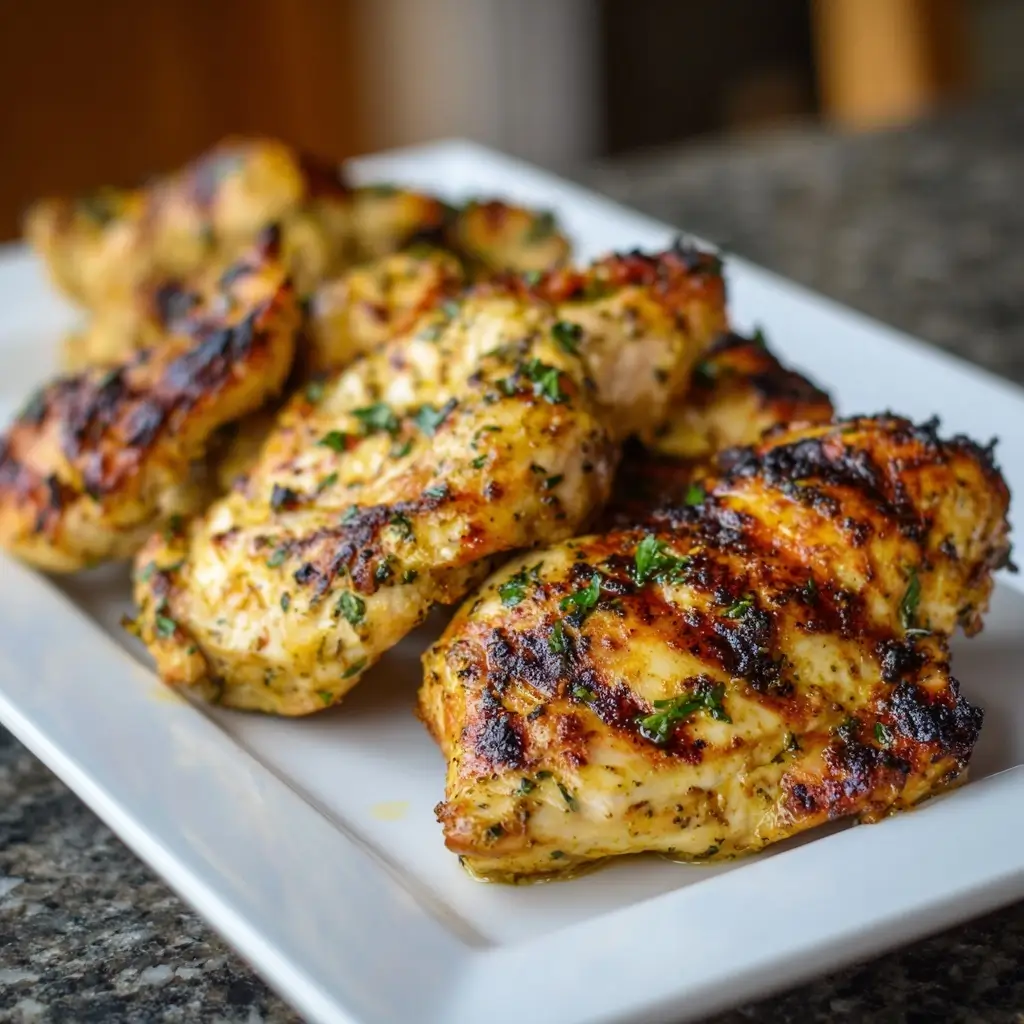
Discover the transformative power of a Greek yogurt chicken marinade—a culinary secret that bridges Mediterranean tradition with modern-day kitchen ingenuity. Unlike conventional marinades reliant on acidic liquids like vinegar or citrus juice, this method leverages the creamy, enzymatically active properties of full-fat Greek yogurt to tenderize, flavor, and protect chicken during cooking. Whether you’re grilling over charcoal, roasting in the oven, or searing on a cast-iron skillet, this marinade delivers unparalleled juiciness, depth of flavor, and a beautifully caramelized exterior—without dryness or toughness. It’s more than just a prep step; it’s a science-backed technique embraced by chefs from Athens to Atlanta, beloved for its versatility, accessibility, and remarkable results.
The History
The origins of yogurt-based meat marinades trace back centuries across the broader Eastern Mediterranean, Middle Eastern, and South Asian culinary landscapes. In Greece, where strained yogurt (known as *straggisto* or *yiaourti straggisto*) has been a pantry staple since antiquity, cooks intuitively recognized its ability to soothe and soften tough cuts of lamb and poultry long before modern food science confirmed the role of lactic acid and proteolytic enzymes. The practice gained renewed global attention in the early 2010s, propelled by viral recipes from food writers like Molly Yeh and chefs such as Zakary Pelaccio, who highlighted how yogurt prevents protein denaturation at high heat—unlike acidic marinades that can “cook” the surface and lead to mushiness. Historically, rural Greek households used homemade sheep’s or goat’s milk yogurt to marinate free-range chickens before slow-roasting in wood-fired ovens or grilling over olive wood embers. Today’s Greek yogurt chicken marinade is both an homage to that heritage and a refined evolution—optimized for consistency, shelf-stable ingredients, and adaptable flavor profiles suited to diverse palates and cooking methods.
Ingredients Breakdown
Every element in this marinade plays a precise functional and sensory role—balancing acidity, fat, umami, aroma, and enzymatic activity:
- Greek Yogurt (Full-Fat, Plain, Unsweetened): The cornerstone—provides lactic acid for gentle tenderization, casein proteins that form a protective barrier against moisture loss, and rich fat content that carries and amplifies flavors. Avoid low-fat or nonfat versions, as they lack sufficient fat for optimal texture retention and tend to separate or curdle under heat.
- Garlic (Fresh, Minced or Pressed): Adds pungent, sulfurous depth and natural antimicrobial properties. Raw garlic’s allicin compounds also contribute subtle enzymatic action. For best results, mince finely and let sit for 5–10 minutes before mixing to activate beneficial compounds.
- Fresh Lemon Juice (Not Bottled): Supplies bright citric acid to enhance yogurt’s tenderizing effect and balance richness. Its volatile oils contribute aromatic lift—critical for cutting through fat and preventing cloying heaviness.
- Olive Oil (Extra Virgin, Cold-Pressed): Adds monounsaturated fats that lubricate muscle fibers, improve browning via Maillard reaction, and solubilize fat-soluble flavor compounds (e.g., from spices). Choose a medium-intensity EVOO—not overly grassy or bitter—to avoid overpowering delicate notes.
- Dried Oregano (Preferably Greek or Cretan): Earthy, slightly minty, and camphorous—authentic Greek oregano (*Origanum vulgare subsp. hirtum*) contains higher levels of carvacrol, lending antiseptic depth and robust herbaceous character unmatched by Mexican or common oregano.
- Smoked Paprika (Sweet or Hot, Depending on Preference): Contributes warm, smoky complexity and vibrant red hue. Unlike regular paprika, smoked varieties add a subtle barbecue-like nuance without actual smoke—ideal for indoor cooking.
- Ground Cumin: Offers warm, nutty, slightly citrusy earthiness. Toasting whole cumin seeds before grinding unlocks volatile oils and deepens flavor—highly recommended for premium results.
- Sea Salt (Fine or Flaked): Not just for seasoning—salt draws out moisture initially, then rehydrates muscle fibers via osmosis, enhancing juiciness and promoting protein solubilization for better binding and texture.
- Freshly Ground Black Pepper: Piperine enhances bioavailability of other spices and adds sharp, floral heat. Pre-ground pepper loses potency rapidly; always grind whole peppercorns just before use.
- Optional Enhancements: A pinch of ground coriander (citrusy sweetness), a teaspoon of tomato paste (umami depth and color stabilization), a splash of white wine vinegar (for extra tang), or a tablespoon of grated onion (enzymatic softening + savory base note).
Step-by-Step Recipe
- Prepare Your Chicken: Use boneless, skin-on or skinless chicken breasts, thighs (bone-in or boneless), or drumsticks. Pat each piece *thoroughly dry* with paper towels—moisture inhibits marinade adhesion and dilutes flavor concentration.
- Make the Marinade Base: In a non-reactive bowl (stainless steel or glass), combine 1 cup full-fat plain Greek yogurt, 3 tablespoons fresh lemon juice, 3 tablespoons extra virgin olive oil, 4 cloves finely minced garlic, 1½ teaspoons fine sea salt, 1 teaspoon freshly ground black pepper, 1½ teaspoons dried Greek oregano, 1 teaspoon smoked paprika, and ½ teaspoon ground cumin.
- Emulsify & Rest: Whisk vigorously for 60–90 seconds until completely smooth and slightly thickened—this ensures even dispersion of spices and stabilizes the emulsion. Let the mixture rest at room temperature for 10 minutes to allow garlic and spices to bloom.
- Marinate the Chicken: Place chicken in a large resealable food-grade plastic bag or shallow glass dish. Pour marinade over, turning to coat every surface. Squeeze out excess air if using a bag; seal tightly. Refrigerate for a minimum of 2 hours—but ideally 8–12 hours (overnight) for maximum penetration and tenderness. Do *not* exceed 24 hours—prolonged exposure may cause surface texture degradation due to lactic acid.
- Pre-Cook Preparation: Remove chicken from fridge 30–45 minutes before cooking to temper. Gently scrape off excess marinade (reserve a tablespoon for basting if desired), but do *not rinse*—this washes away flavor and impedes browning. Lightly blot with paper towel if excessively wet.
- Cook Using Preferred Method:
- Grilling: Preheat grill to medium-high (400–425°F). Oil grates well. Grill chicken 6–8 minutes per side (for breasts) or until internal temperature reaches 165°F at thickest part. Baste once midway with reserved marinade.
- Oven Roasting: Preheat oven to 425°F. Place chicken on a wire rack set over a foil-lined baking sheet. Roast 20–28 minutes (depending on thickness), rotating pan halfway. Optional: broil 1–2 minutes at end for golden crust.
- Pan-Searing: Heat 1 tbsp olive oil in heavy-bottomed stainless or cast-iron skillet over medium-high. Sear chicken undisturbed 5–6 minutes until deeply golden, flip, reduce heat to medium, cover loosely, and cook 6–10 more minutes until done.
- Rest & Serve: Transfer cooked chicken to a clean plate or cutting board. Tent loosely with foil and rest for 8–10 minutes—this allows juices to redistribute, ensuring succulence with every bite. Slice against the grain for maximum tenderness.
Tips
- Yogurt Quality Is Non-Negotiable: Opt for traditionally strained, additive-free Greek yogurt (e.g., Fage Total 5%, Siggi’s, or Trader Joe’s Greek Yogurt). Avoid brands with gums (carrageenan, xanthan), starches, or added milk proteins—they interfere with marinade adhesion and may scorch.
- Temperature Matters: Always marinate refrigerated—never at room temperature. Lactic acid works slowly and safely in cold conditions; warmth encourages bacterial growth, especially with raw poultry.
- Skin-On vs. Skin-Off Strategy: For skin-on chicken, marinate *under* the skin by gently loosening it with your fingers and rubbing marinade directly onto the flesh—then rub remaining marinade over the skin surface. This yields crispier, more flavorful skin and juicier meat.
- No Double-Dipping: Never reuse marinade that has contacted raw chicken unless boiled vigorously for at least 3 minutes to destroy pathogens. Better yet—reserve a portion *before* adding chicken for basting or finishing sauce.
- Acid Balance Is Key: Too much lemon juice or vinegar can break down proteins excessively, leading to a mealy texture. Stick to the 3 tbsp lemon juice per cup of yogurt ratio unless adjusting for thicker, longer marination (then reduce acid slightly).
- Spice Blooming Boosts Flavor: Lightly toast whole cumin, coriander, or mustard seeds in a dry pan for 1–2 minutes until fragrant, then grind. This releases essential oils and transforms flat spice notes into layered complexity.
- Freeze for Future Use: Portion unused marinade (uncontaminated) into ice cube trays, freeze solid, then transfer cubes to a labeled freezer bag. Thaw overnight in fridge—perfect for impromptu meals up to 3 months later.
- Marinade Thickness Adjustment: If your yogurt is overly thick (common with ultra-strained varieties), thin with 1 tsp cold water or lemon juice—just enough to achieve a pourable, paint-like consistency that clings without dripping.
- Grill Basket Trick: For small pieces or kebabs, thread marinated chicken onto soaked wooden or metal skewers, then place in a grill basket. Prevents sticking, ensures even cooking, and simplifies flipping.
- Finishing Touches Elevate Everything: Drizzle with high-quality lemon-infused EVOO, flaky sea salt (Maldon), crumbled feta, chopped fresh dill or mint, or a spoonful of tzatziki right before serving.
Variations and Customizations
This foundational Greek yogurt marinade is infinitely adaptable—here are 12 thoughtfully developed variations, each tested for balance, authenticity, and practicality:
- Mediterranean Herb Garden: Replace oregano with equal parts dried marjoram, thyme, and rosemary; add 1 tbsp chopped fresh parsley and 1 tsp lemon zest.
- Harissa-Spiced North African: Swap smoked paprika for 1½ tbsp authentic Tunisian harissa paste; add ½ tsp ground coriander and ¼ tsp ground cinnamon.
- Lemon-Dill Brightness: Double lemon juice (6 tbsp), omit paprika and cumin, add 3 tbsp finely chopped fresh dill and 1 tsp lemon zest.
- Smoky Chipotle Heat: Replace smoked paprika with 1 tbsp adobo-seasoned chipotle purée (strained); add ½ tsp ground cumin and 1 tsp apple cider vinegar.
- Indian-Inspired Tandoori: Add 1 tsp garam masala, ½ tsp ground turmeric, ¼ tsp cayenne, 1 tbsp grated ginger, and substitute 1 tbsp tomato paste for 1 tbsp yogurt.
- Herbaceous Green Goddess: Blend in ¼ cup packed fresh basil, 2 tbsp tarragon, 1 tbsp chives, and 1 tsp Dijon mustard—omit dried herbs entirely.
- Umami-Rich Miso-Ginger: Whisk in 1 tbsp white miso paste and 1 tbsp grated fresh ginger; reduce salt by ½ tsp and omit oregano and cumin.
- Roasted Garlic & Thyme Elegance: Substitute 4 cloves roasted garlic (sweet, mellow) for raw garlic; use fresh thyme leaves instead of oregano; add 1 tsp honey for glaze potential.
- Preserved Lemon & Olives: Add 1 tbsp finely minced preserved lemon rind and 2 tbsp chopped Kalamata olives—omit lemon juice and reduce salt by ¼ tsp.
- Citrus-Cardamom Fusion: Replace lemon juice with equal parts blood orange and grapefruit juice; add 6 crushed green cardamom pods and 1 tsp orange zest.
- Mustard-Maple Comfort: Stir in 1 tbsp whole-grain Dijon and 1 tsp pure maple syrup; swap oregano for dried sage and add a pinch of ground clove.
- Green Chile & Cilantro Fiesta: Fold in 2 tbsp chopped roasted poblano or jalapeño, 3 tbsp chopped cilantro, and ½ tsp ground cumin—omit oregano and smoked paprika.
Each variation maintains the structural integrity of the yogurt base while inviting regional storytelling, seasonal produce, and personal preference—making this marinade as expressive as it is reliable.
Health Considerations and Nutritional Value
A Greek yogurt chicken marinade isn’t just delicious—it’s nutritionally intelligent. When prepared mindfully, it enhances both the health profile and bioavailability of nutrients in chicken:
- Enhanced Protein Digestibility: The lactic acid and mild protease activity in yogurt partially predigests chicken proteins, improving absorption—especially beneficial for older adults or those with compromised digestion.
- Reduced Heterocyclic Amines (HCAs): Studies (Journal of Agricultural and Food Chemistry, 2018) show yogurt marinades lower carcinogenic HCA formation by up to 90% compared to dry-rubbed or vinegar-marinated chicken when grilled—thanks to antioxidants (vitamin E, polyphenols from olive oil) and moisture barrier effects.
- Probiotic Potential: While heat destroys live cultures, unpasteurized, traditionally fermented Greek yogurts may retain postbiotic metabolites (e.g., lactocepin, exopolysaccharides) linked to gut barrier support—even after cooking.
- Nutrient Synergy: Olive oil boosts absorption of fat-soluble vitamins (A, D, E, K) naturally present in chicken skin and dark meat; lemon juice enhances non-heme iron uptake from chicken; garlic contributes allicin derivatives with cardiovascular and immunomodulatory benefits.
- Lower Sodium Options: Reduce salt by 25% and compensate with lemon zest, sumac, or celery seed for salty-umami perception without hypertension risk.
- Dietary Adaptability: Naturally gluten-free, soy-free, nut-free, and keto-friendly (under 3g net carbs per ¼ cup marinade). For dairy-free alternatives, coconut yogurt *can* work—but lacks casein and lactic acid efficacy; results are less tender and more variable. Best reserved for allergy accommodation, not performance.
- Calorie Transparency: Per ¼ cup marinade (approx.): 110–130 kcal | 10–12g fat (mostly monounsaturated) | 3–4g protein | 1–2g carbohydrate | 350–450mg sodium (adjustable). The marinade adheres minimally—most remains on the surface and drips off during cooking, so net intake is ~15–20% of total volume.
Importantly, this marinade supports mindful eating—not restriction. Its richness satisfies satiety signals, reducing cravings for ultraprocessed alternatives, while its whole-food foundation aligns seamlessly with Mediterranean, DASH, and anti-inflammatory dietary patterns.
Ingredients
- 1 cup full-fat plain Greek yogurt (unsweetened, no gums or thickeners)
- 3 tablespoons fresh-squeezed lemon juice (about 1–1½ lemons)
- 3 tablespoons extra virgin olive oil
- 4 cloves garlic, finely minced or pressed
- 1½ teaspoons fine sea salt (or to taste)
- 1 teaspoon freshly ground black pepper
- 1½ teaspoons dried Greek oregano (preferably wild-harvested)
- 1 teaspoon smoked paprika (sweet or hot)
- ½ teaspoon ground cumin (toasted and freshly ground preferred)
Optional additions: 1 teaspoon lemon zest, 1 tablespoon finely chopped fresh dill or mint, 1 teaspoon tomato paste, or a pinch of red pepper flakes.
Directions
- In a medium glass or stainless-steel bowl, whisk together Greek yogurt, lemon juice, olive oil, minced garlic, sea salt, black pepper, oregano, smoked paprika, and ground cumin until completely smooth and uniformly blended—about 90 seconds. Let rest at room temperature for 10 minutes to allow flavors to meld and garlic compounds to activate.
- Pat chicken pieces completely dry with paper towels. Place in a large resealable food-grade plastic bag or shallow non-reactive dish.
- Pour marinade over chicken, turning to fully coat all surfaces. Seal bag, pressing out excess air, or cover dish tightly with plastic wrap.
- Refrigerate for at least 2 hours—or optimally, 8 to 12 hours (overnight). Do not exceed 24 hours.
- Remove chicken from refrigerator 30–45 minutes before cooking. Lift each piece from marinade, letting excess drip off (do not rinse). Lightly blot with paper towel if overly wet.
- Cook using your preferred method—grill, roast, or pan-sear—until internal temperature reaches 165°F (74°C) when measured with an instant-read thermometer in the thickest part, avoiding bone.
- Transfer to a clean plate or board, tent loosely with foil, and rest for 8–10 minutes before slicing or serving.
FAQ
- Can I use low-fat or nonfat Greek yogurt?
- No—full-fat (5–10% fat) is essential. Low-fat versions lack the lipid structure needed to carry flavor, protect against moisture loss, and create a stable marinade emulsion. They often contain stabilizers that inhibit protein binding and may curdle unpredictably.
- How long can I safely marinate chicken in yogurt?
- 2 hours minimum for noticeable effect; 8–12 hours ideal for tenderness and flavor penetration; maximum 24 hours. Beyond that, lactic acid begins to degrade surface texture, yielding a mushy or “pickled” mouthfeel—especially in lean breast meat.
- Can I freeze marinated chicken?
- Yes—with caveats. Freeze *immediately after marinating*, before refrigeration, for up to 3 months. Thaw overnight in the refrigerator (never at room temperature). Note: Texture may be *slightly* softer than fresh-marinated, but flavor remains excellent.
- Why does my yogurt marinade sometimes look “curdled” or separated?
- This usually occurs if the yogurt is too cold when mixed, if acidic ingredients are added too quickly, or if the brand contains unstable thickeners. Solution: Bring yogurt to cool room temperature first; add lemon juice gradually while whisking constantly; choose additive-free, traditionally strained brands.
- Can I use this marinade for other proteins?
- Absolutely! It excels with turkey cutlets, pork tenderloin, lamb chops, firm white fish (like cod or halibut—marinate only 30–60 minutes), and even cauliflower steaks or chickpeas for vegan applications. Adjust marination time based on protein density and delicacy.
- My chicken stuck to the grill—what went wrong?
- Three likely causes: (1) Grates weren’t preheated and oiled properly; (2) Chicken wasn’t sufficiently dried before marinating or was still damp before grilling; (3) You tried to flip too soon—wait until edges lift easily and a slight crust forms (usually 5+ minutes).
- Is there a dairy-free alternative that works similarly?
- Coconut yogurt is the closest substitute—but it lacks lactic acid and casein, so tenderizing is minimal. For best dairy-free results, add ½ tsp pineapple juice (bromelain enzyme) or ¼ tsp papaya paste (papain) and reduce marination to 45–90 minutes max to avoid mushiness.
- Can I turn leftover marinade into a sauce?
- Only if it has *never contacted raw chicken*. Otherwise, bring contaminated marinade to a full rolling boil for at least 3 minutes to destroy pathogens. Then reduce by 30% and finish with butter, lemon juice, or fresh herbs for a glossy, restaurant-worthy pan sauce.
- Does the type of chicken affect marinating time?
- Yes. Boneless, skinless breasts benefit from 6–12 hours; bone-in thighs or drumsticks handle 12–24 hours well; ground chicken mixtures should marinate only 30–60 minutes. Dark meat tolerates longer marination due to higher fat and connective tissue content.
- Why does my finished chicken taste bland despite marinating overnight?
- Most commonly: insufficient salting (salt is critical for flavor penetration), using pre-salted or enhanced chicken (check labels), or rinsing off marinade before cooking. Also verify your spices aren’t stale—dried herbs lose potency after 6 months.
Summary
A Greek yogurt chicken marinade is a time-honored, science-supported technique that delivers unrivaled tenderness, complex Mediterranean flavor, and nutritional advantages—transforming ordinary chicken into extraordinary, restaurant-quality meals with minimal effort.
From its ancient Greek roots to modern global adaptations, this versatile, customizable, and health-conscious marinade proves that exceptional taste and mindful eating don’t just coexist—they thrive together, one perfectly juicy, golden-brown bite at a time.