
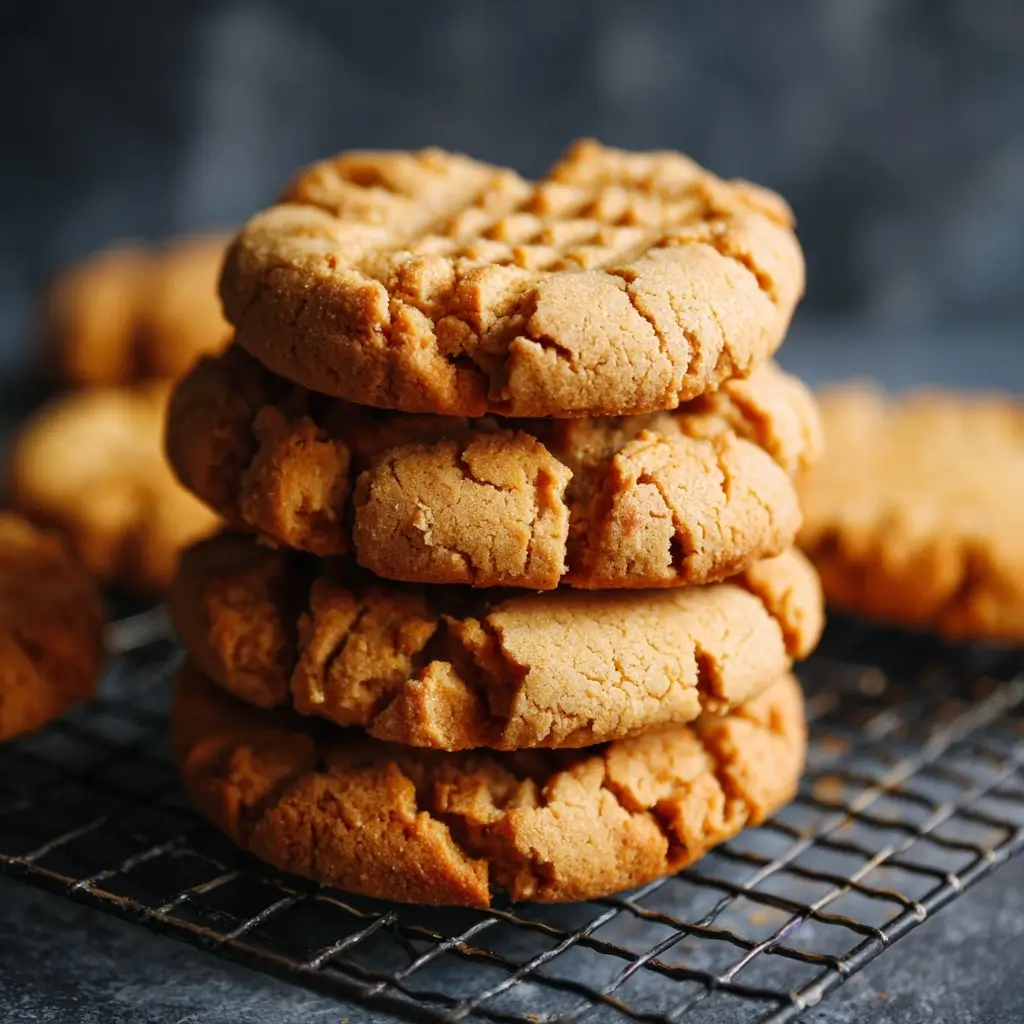
Thick Peanut Butter Cookies: A Decadent Delight
There’s something undeniably comforting about the rich, nutty aroma of peanut butter wafting through your kitchen. When transformed into thick, soft, and chewy cookies, that comfort reaches a whole new level. Thick peanut butter cookies are not just any cookie—they’re a beloved classic with deep American roots, a perfect balance of simplicity and indulgence. Whether you’re baking them for a family gathering, holiday treat exchange, or simply to satisfy a late-night craving, these cookies deliver in texture, flavor, and nostalgia. In this comprehensive guide, we’ll explore every aspect of making the ultimate thick peanut butter cookies—from their fascinating history to detailed ingredient analysis, foolproof step-by-step instructions, expert tips, creative variations, nutritional insights, frequently asked questions, and more.
The History of Peanut Butter Cookies
Peanut butter cookies have been a staple in American kitchens since the early 20th century, emerging alongside the growing popularity of peanut butter itself. While peanuts have long been cultivated in South America, it wasn’t until the late 1800s that modern peanut butter was developed. Dr. John Harvey Kellogg, yes—the same man behind breakfast cereals—patented a process for making peanut butter in 1895 as a protein-rich food for his patients at a health sanitarium. Around the same time, George Washington Carver began promoting peanuts as a sustainable crop and published hundreds of uses for them, helping popularize peanut products across the U.S.
As peanut butter became more accessible and affordable during the Great Depression, home bakers started experimenting with it in desserts. The first known recipe resembling today’s peanut butter cookie appeared in a 1916 Boston cooking school publication. However, the iconic crisscross fork pattern—now synonymous with peanut butter cookies—wasn’t standardized until the 1930s. The design served both aesthetic and functional purposes: flattening the dense dough before baking ensured even cooking, while creating an instantly recognizable look.
By mid-century, peanut butter cookies had secured a permanent spot in American cookbooks and cookie jars. Their simple ingredients (often just peanut butter, sugar, egg, and a leavener) made them ideal for quick baking, especially during wartime rationing. Today, they remain a symbol of home-baked goodness, evolving with modern tastes while still honoring traditional methods.
Ingredients Breakdown: What Makes These Cookies So Irresistible?
The magic of thick peanut butter cookies lies in the harmony of a few core ingredients, each playing a vital role in flavor, texture, and structure. Let’s examine them closely:
- Peanut Butter: This is the star of the show. For best results, use a creamy, unsweetened, and unhydrogenated natural peanut butter if possible. Avoid varieties with added sugars, oils, or stabilizers, as they can throw off moisture balance. The peanut butter provides richness, density, and that unmistakable nutty taste. Using high-quality peanut butter ensures depth of flavor without artificial aftertastes.
- Butter: Unsalted butter adds tenderness, moisture, and flakiness to the cookie’s crumb. It also contributes to browning and enhances mouthfeel. Softened butter blends easily with sugar, creating air pockets that help the cookie rise slightly during baking.
- Sugar: A combination of granulated and brown sugar is key. Granulated sugar promotes spreading and crispness on the edges, while brown sugar adds moisture, chewiness, and a hint of molasses flavor. The two together create the perfect contrast between a lightly crisp exterior and a soft, fudgy center.
- Egg: A large egg acts as a binder, holding all ingredients together. It also adds moisture and helps with structure. Room-temperature eggs integrate more smoothly into the dough, preventing curdling when mixed with fats.
- Flour: All-purpose flour gives the cookies structure and thickness. Too little flour results in flat, greasy cookies; too much makes them dry and tough. Measuring accurately (preferably by weight) is crucial for consistent results.
- Leavening Agents: Baking soda helps the cookies rise slightly and spread evenly. It reacts with acidic components (like brown sugar and peanut butter) to produce carbon dioxide, giving the cookies lift without making them cakey.
- Salt: Even if using salted peanut butter, adding a pinch of fine sea salt enhances overall flavor and balances sweetness. Salt brings out the nuttiness and prevents the cookie from tasting one-dimensionally sweet.
- Vanilla Extract: Pure vanilla extract adds warmth and complexity, rounding out the flavor profile. While optional, it elevates the sensory experience significantly.
Step-by-Step Recipe for Thick Peanut Butter Cookies
Follow these detailed steps to bake thick, bakery-style peanut butter cookies with soft centers, slightly crisp edges, and that classic fork-pressed design.
Ingredients
- 1 cup (250g) creamy peanut butter (natural preferred)
- ½ cup (115g) unsalted butter, softened to room temperature
- ¾ cup (150g) granulated sugar
- ¾ cup (165g) packed light brown sugar
- 1 large egg, room temperature
- 2 ¼ cups (270g) all-purpose flour (spooned and leveled)
- 1 teaspoon baking soda
- ½ teaspoon baking powder
- ½ teaspoon fine sea salt
- 1 ½ teaspoons pure vanilla extract
- Optional: ½ cup chopped roasted peanuts or chocolate chips for mix-ins
Directions
- Preheat Oven & Prepare Baking Sheets: Preheat your oven to 350°F (175°C). Line two large baking sheets with parchment paper or silicone baking mats. This prevents sticking and ensures even browning.
- Cream Fats and Sugars: In a large mixing bowl, beat together the softened butter and peanut butter using a hand mixer or stand mixer fitted with a paddle attachment. Mix on medium speed for 1–2 minutes until smooth and creamy. Add the granulated sugar and brown sugar, then beat again for 2–3 minutes until the mixture becomes lighter in color and fluffy. Scrape down the sides of the bowl as needed.
- Add Wet Ingredients: Beat in the egg until fully incorporated, followed by the vanilla extract. The mixture should be homogeneous and slightly glossy.
- Combine Dry Ingredients: In a separate bowl, whisk together the flour, baking soda, baking powder, and salt. Whisk thoroughly to ensure even distribution of leaveners and eliminate lumps.
- Incorporate Dry into Wet: Gradually add the dry ingredients to the wet mixture, mixing on low speed until just combined. Do not overmix—stop as soon as no streaks of flour remain. Overmixing develops gluten and leads to tough cookies.
- Fold in Mix-Ins (Optional): If using, gently fold in chopped peanuts, chocolate chips, or other add-ins with a spatula until evenly distributed.
- Chill the Dough (Recommended): Cover the bowl and refrigerate the dough for at least 30 minutes (up to 48 hours). Chilling firms up the butter, reduces spreading, and intensifies flavor development. For thicker cookies, chilling is essential.
- Portion the Dough: Use a cookie scoop or tablespoon to portion dough into balls about 1.5 tablespoons in size (roughly 40g each). Roll them smoothly between your palms and place at least 2 inches apart on the prepared baking sheets.
- Create the Crisscross Pattern: Take a fork and dip its tines in granulated sugar to prevent sticking. Press down firmly on each ball to flatten it into a disk, creating a crosshatch pattern. Rotate the fork 90 degrees and press again. Re-dip the fork in sugar between cookies if needed.
- Bake: Bake one sheet at a time in the center rack of the oven for 10–12 minutes. The cookies are done when the edges are lightly golden but the centers still appear soft and slightly underbaked. They will continue to set as they cool.
- Cool: Remove the pan from the oven and let the cookies rest on the baking sheet for 5 minutes to firm up. Then transfer them to a wire rack to cool completely. This resting period allows the internal structure to stabilize so they don’t break when moved.
- Store: Once cooled, store cookies in an airtight container at room temperature for up to 1 week. For longer storage, freeze baked cookies or unbaked dough balls for up to 3 months.
Tips for Perfect Thick Peanut Butter Cookies Every Time
- Use Room-Temperature Ingredients: Cold butter or egg can cause the dough to seize or mix unevenly. Allow butter and eggs to sit out for 30–60 minutes before starting.
- Measure Flour Accurately: Too much flour is the #1 reason for dry, crumbly cookies. Spoon flour into the measuring cup and level it off with a knife—do not scoop directly from the bag, which compacts the flour.
- Don’t Skip the Chill: Chilling the dough solidifies the fat, slowing spread during baking. This results in thicker, puffier cookies with better shape retention.
- Underbake Slightly: Remove cookies from the oven when centers still look soft. They’ll firm up perfectly during cooling. Overbaking leads to hard, brittle textures.
- Use a Fork Dipped in Sugar: Prevents the fork from sticking to the dough and adds a subtle crunch and sparkle to the surface.
- Rotate the Pan Halfway: If your oven has hot spots, rotate the baking sheet 180 degrees halfway through baking for even browning.
- Space Properly: Leave at least 2 inches between dough balls to allow for expansion without merging.
- Invest in Quality Tools: A good digital scale, silicone baking mat, and sturdy cookie scoop improve consistency and reduce mess.
Variations and Customizations
While classic peanut butter cookies are delicious on their own, feel free to get creative! Here are some inspired twists:
- Chocolate Swirl: Press a chocolate chip or small piece of chocolate into the center of each dough ball before baking. Or drizzle melted chocolate over cooled cookies.
- Double Chocolate Peanut Butter Cookies: Add ⅓ cup cocoa powder to the dry ingredients and mix in ¾ cup chocolate chips. Rich, fudgy, and decadent.
- Sea Salt & Dark Chocolate Topping: After pressing with a fork, sprinkle a tiny pinch of flaky sea salt on top. Add dark chocolate chunks for gourmet flair.
- Crunchy Version: Substitute half the creamy peanut butter with crunchy peanut butter and fold in chopped roasted peanuts for extra texture.
- Gluten-Free Option: Replace all-purpose flour with a 1:1 gluten-free baking blend containing xanthan gum. Ensure other ingredients are certified GF.
- Vegan Adaptation: Use plant-based butter, flax egg (1 tbsp ground flax + 3 tbsp water), and ensure peanut butter contains no honey. May require slight adjustments to moisture.
- Mini Cookies: Make smaller portions (1 tsp) for bite-sized treats—perfect for parties or cookie platters. Reduce baking time to 7–9 minutes.
- Peanut Butter Cookie Sandwiches: Spread cooled cookies with marshmallow fluff, jam, or chocolate ganache and sandwich together.
- Spiced Variation: Add ½ teaspoon cinnamon or a pinch of cayenne for warmth and depth. Pairs beautifully with honey-sweetened peanut butter.
- Stuffed Cookies: Hide a surprise inside—like a peanut butter cup, caramel square, or Nutella dollop—for an indulgent center.
Health Considerations and Nutritional Value
While thick peanut butter cookies are undeniably delicious, it’s important to enjoy them in moderation as part of a balanced diet. Here’s a breakdown of typical nutritional information per cookie (based on 24 cookies per batch):
- Calories: ~180–200 kcal
- Total Fat: 10–12g (mostly healthy monounsaturated and polyunsaturated fats from peanut butter and butter)
- Saturated Fat: ~3–4g
- Carbohydrates: 22–25g (including 12–14g of sugar)
- Protein: 4–5g (from peanut butter and egg, making them more satisfying than many other cookies)
- Dietary Fiber: ~1g
- Sodium: ~100–150mg
Health Notes:
- Peanut butter contains heart-healthy fats, vitamin E, magnesium, and niacin. Opt for natural versions without hydrogenated oils or excess sugar.
- These cookies lack significant fiber and micronutrients, so they shouldn’t replace nutrient-dense snacks.
- For lower sugar options, consider reducing sugar by 25% or using coconut sugar as a substitute (though texture may change).
- Those with peanut allergies should avoid entirely. Sunflower seed butter may work as an alternative, though flavor and texture will differ.
- To boost nutrition, add ground flaxseed, oats, or finely chopped nuts to the dough.
Frequently Asked Questions (FAQ)
Q: Why are my peanut butter cookies dry or crumbly?
A: This is usually due to too much flour, overbaking, or using a low-fat peanut butter. Measure flour correctly and avoid overmixing. Pull cookies out when centers are still soft.
Q: Can I make these cookies without eggs?
A: Yes, use a flax egg (1 tbsp ground flaxseed + 3 tbsp water, let sit 5 mins) or commercial egg replacer. Texture may be slightly denser.
Q: Why do my cookies spread too much?
A: Likely causes include warm dough, melted butter, insufficient flour, or skipping the chill. Always chill the dough and use room-temp (not melted) butter.
Q: Can I freeze the cookie dough?
A: Absolutely! Portion dough into balls, freeze on a tray, then transfer to a freezer bag. Bake straight from frozen—add 1–2 minutes to baking time.
Q: How long do these cookies stay fresh?
A: Up to 1 week in an airtight container at room temperature. For extended freshness, freeze for up to 3 months.
Q: Can I use crunchy peanut butter?
A: Yes! Crunchy peanut butter adds texture and nutty bursts. You’ll still get great flavor and thickness.
Q: Are these cookies supposed to be soft or crisp?
A: Ideal thick peanut butter cookies are soft and chewy in the center with slightly crisp edges. Underbaking slightly ensures this texture.
Q: Can I make them gluten-free?
A: Yes—use a reliable 1:1 gluten-free flour blend. Some brands perform better than others, so choose one tested for baking.
Q: Why do you press them with a fork?
A: Traditional method to flatten the dense dough for even baking. Also creates the iconic look and increases surface area for browning.
Q: Can I double the recipe?
A: Yes, but don’t exceed the capacity of your mixer. Mix in batches if necessary to maintain proper blending.
Summary
Thick peanut butter cookies are a timeless treat combining simplicity, rich flavor, and a satisfyingly chewy texture. With quality ingredients, proper technique, and a few smart tips, you can bake bakery-perfect cookies at home every time.