
Introduction
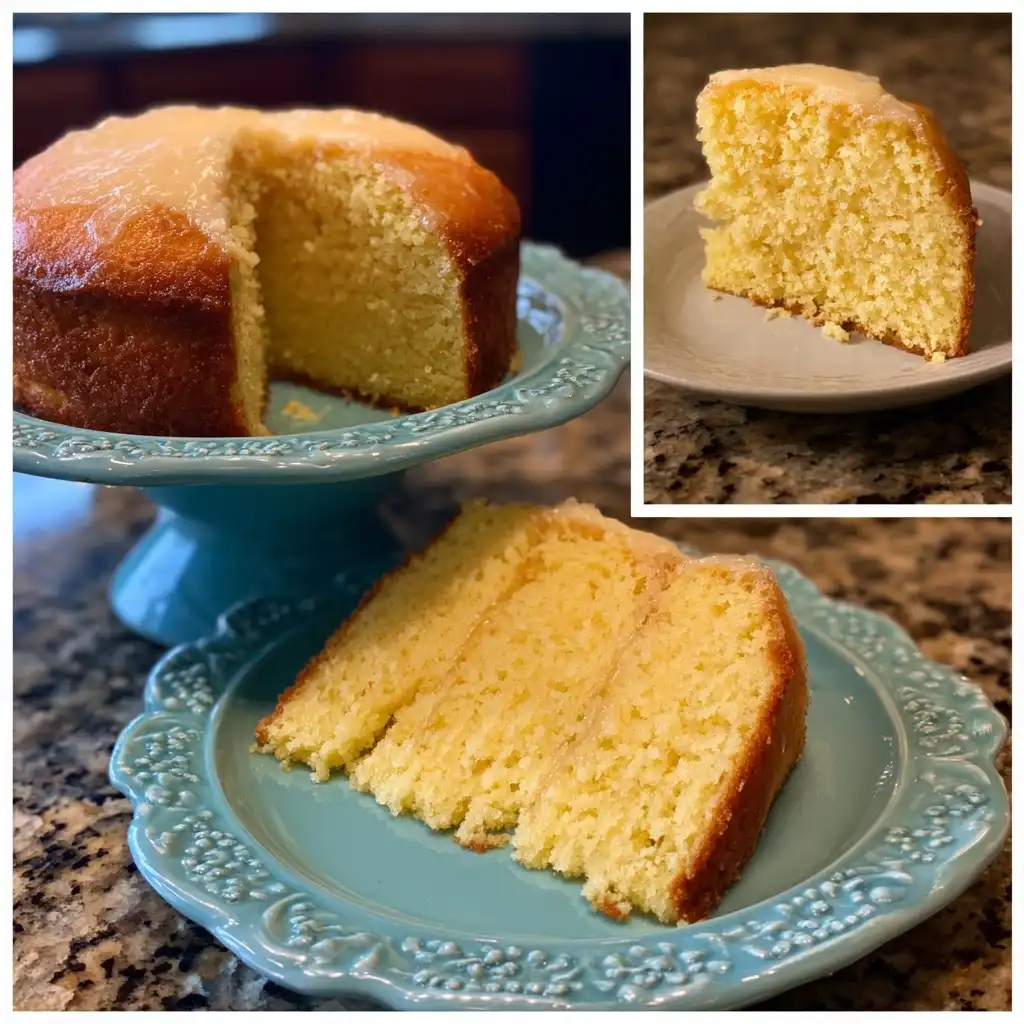
The Original 1-2-3-4 Yellow Cake is more than just a dessert—it’s a cornerstone of American baking heritage, a timeless classic that has graced dinner tables, birthday parties, church suppers, and holiday gatherings for over a century. Its name is both its greatest charm and its most practical feature: the foundational ratio—1 cup of butter, 2 cups of sugar, 3 cups of flour, and 4 eggs—makes it astonishingly simple to remember, scale, and replicate with near-perfect consistency. This cake embodies the golden age of home baking, when recipes were passed down through handwritten index cards, stained with vanilla and butter, and measured not by grams or precision scales, but by the comforting rhythm of “one-two-three-four.” Its tender crumb, subtle vanilla richness, and delicate yellow hue—derived from real egg yolks rather than artificial color—deliver pure, unadulterated comfort in every slice. Whether served plain with a dusting of confectioners’ sugar, crowned with fresh berries and whipped cream, or layered luxuriously with old-fashioned chocolate fudge frosting, the 1-2-3-4 Yellow Cake remains the quiet, reliable hero of the dessert world—proof that simplicity, when rooted in time-tested technique and quality ingredients, yields extraordinary results.
The History
The origins of the 1-2-3-4 Yellow Cake trace back to the late 19th and early 20th centuries, emerging alongside the rise of standardized home baking in the United States. While no single inventor is credited, the cake gained widespread popularity through community cookbooks, women’s magazines like Ladies’ Home Journal and Good Housekeeping, and the influential 1931 edition of The Joy of Cooking by Irma S. Rombauer—where a nearly identical “One-Two-Three-Four Cake” appeared under the “Plain Cakes” section. Its numerical moniker was likely coined as a mnemonic device during an era when many home bakers lacked formal culinary training and relied on easy-to-recall ratios rather than complex instructions. The formula evolved from earlier “pound cake” traditions (which used equal weights of butter, sugar, eggs, and flour), but adapted for lighter texture and greater accessibility—substituting volume measurements for weight, incorporating chemical leaveners like baking powder, and emphasizing the rich color and flavor of whole eggs. By the 1940s and ’50s, the 1-2-3-4 Cake had become a staple of Betty Crocker’s test kitchen demonstrations, wartime ration-friendly adaptations (often using shortening instead of butter), and Junior League fundraising cookbooks across the South and Midwest. Its endurance speaks volumes: unlike trend-driven desserts, this cake was never meant to impress with novelty—but to nourish, celebrate, and connect. Generations have baked it for first birthdays, graduations, anniversaries, and quiet Sunday afternoons—and each time, it delivers the same warm, golden promise: reliability, love, and the unmistakable aroma of childhood nostalgia.
Ingredients Breakdown
Every ingredient in the Original 1-2-3-4 Yellow Cake plays a precise, functional role—no component is arbitrary, and substitutions should be approached with intention and understanding:
- Butter (1 cup / 2 sticks / 227g): Unsalted, high-fat (82%+), at cool room temperature (65–68°F). Provides structure, moisture, tenderness, and rich flavor. Butter’s emulsifying properties trap air during creaming—a critical step for lift. Margarine or low-fat spreads are discouraged; they contain excess water and stabilizers that compromise crumb integrity and promote greasiness or tunneling.
- Granulated Sugar (2 cups / 400g): Not merely for sweetness—the sugar crystals physically cut into butter during creaming, creating microscopic air pockets essential for rise. It also delays gluten formation, contributes to browning (caramelization), and enhances shelf life by binding moisture.
- All-Purpose Flour (3 cups / 360g): Spooned and leveled—not scooped—to prevent compaction and over-flouring. Contains ~10–12% protein, striking the ideal balance between structure (gluten) and tenderness. Avoid bread flour (too much gluten = toughness) or cake flour (too little = fragile, sunken layers) unless making a deliberate variation.
- Eggs (4 large): Room temperature, with yolks contributing fat, emulsifiers (lecithin), color, and richness; whites provide structure and additional lift. Egg size matters: large eggs average 50g each (with shell); using jumbo or medium without adjustment affects batter hydration and set.
- Whole Milk (1 cup / 240mL): Full-fat (3.25%), at room temperature. Adds liquid for hydration, lactose for browning, and proteins for structure. Buttermilk may be substituted (with ½ tsp baking soda added to balance acidity), yielding a slightly tangier, more tender crumb.
- Baking Powder (2½ tsp / 10g): Double-acting, fresh (less than 6 months old). Provides the primary chemical lift—first when mixed with wet ingredients, second when exposed to oven heat. Old or damp baking powder causes flat, dense cakes.
- Pure Vanilla Extract (2 tsp): Alcohol-based, Madagascar or Mexican origin preferred. Enhances floral, sweet notes and rounds out buttery richness. Imitation vanilla lacks depth and can taste medicinal or sharp when baked.
- Salt (1 tsp / 6g): Fine sea salt or kosher salt (not iodized table salt, which can impart bitterness). Balances sweetness, intensifies flavor perception, and subtly controls yeast activity (though not applicable here, it does regulate gluten development).
Optional but traditional: A tablespoon of meringue powder or a splash of clear corn syrup may be added to the batter for enhanced sheen and moisture retention—especially in commercial or high-humidity settings—but these are not part of the canonical recipe.
Step-by-Step Recipe
- Preheat & Prep: Position oven rack in the center. Preheat oven to 350°F (177°C). Grease two 9-inch round cake pans with unsalted butter or refined coconut oil, line bottoms with parchment paper rounds, then flour pans lightly—tapping out excess. Alternatively, use nonstick spray with flour (e.g., Baker’s Joy).
- Cream Butter & Sugar: In a large bowl of a stand mixer fitted with the paddle attachment (or using a hand mixer), beat cool room-temperature butter on medium speed for 1 minute until smooth and pliable. Gradually add granulated sugar, ½ cup at a time, beating on medium-high for 3–4 minutes total—until mixture is very pale, fluffy, and nearly doubled in volume. Scrape bowl thoroughly with a flexible silicone spatula halfway through.
- Incorporate Eggs: Add eggs one at a time, beating on medium speed for 30–45 seconds after each addition until fully incorporated and glossy. Do not rush—undermixed eggs yield streaky batter; overbeaten eggs cause curdling or spongy texture. Pause to scrape bowl after each addition.
- Combine Dry Ingredients: In a separate medium bowl, whisk together sifted all-purpose flour, baking powder, and salt until fully homogenous—no visible clumps or streaks. Sifting ensures even distribution of leavener and eliminates lumps that could create dense pockets.
- Alternate Wet & Dry: With mixer on low speed, add one-third of the dry ingredients; mix just until no flour remains. Pour in half the milk; mix until just combined. Repeat: another third dry, remaining milk, final third dry—mixing only until batter is uniform. Never beat beyond this point; overmixing develops gluten, leading to toughness and tunneling. Batter will be thick, satiny, and pourable—but not runny.
- Add Vanilla & Final Fold: Drizzle in vanilla extract. Mix on lowest speed for 15 seconds to distribute evenly. Then, using a silicone spatula, gently fold batter 4–5 times from bottom to top to ensure full incorporation and release any trapped air bubbles that could cause uneven rising.
- Divide & Smooth: Immediately divide batter evenly between prepared pans (use a digital kitchen scale for absolute precision: ~580–600g per pan). Smooth tops with an offset spatula, gently tapping pans on counter twice to settle batter and dislodge large air pockets.
- Bake: Place pans in preheated oven. Bake 28–34 minutes—do not open oven door before 25 minutes. Cake is done when a wooden skewer or toothpick inserted into the center emerges clean or with *a few moist crumbs* (not wet batter); edges pull gently away from pan sides; top springs back when lightly pressed.
- Cool: Let cakes cool in pans on wire racks for exactly 15 minutes—any less and layers may tear; any longer and steam softens crust, causing sticking. Run a thin knife around perimeter, invert onto racks, peel off parchment, then reinvert right-side-up to cool completely (at least 1.5 hours). Fully cooled cakes frost best and resist crumbling.
Tips
- Temperature Is Non-Negotiable: Butter must be cool room temperature—not melted, not cold. Too warm → greasy, flat cake; too cold → grainy, poorly aerated batter. Test by pressing thumb into stick: slight resistance, no indentation linger.
- Weigh When Possible: Volume measurements vary wildly (a “cup” of flour can range from 120–160g depending on scoop method). For consistent results, use a digital scale calibrated to grams.
- Scrape Religiously: Every 30 seconds during creaming and mixing—bowl, paddle, spatula. Uneven incorporation causes streaks, density, or collapsed layers.
- No Peek Policy: Opening the oven before 25 minutes drops internal temperature sharply, halting steam expansion and risking collapse. Use oven light and interior window instead.
- High-Altitude Adjustment (3,000+ ft): Decrease sugar by 1 tbsp, increase flour by 1 tbsp, add 1 extra tbsp milk, raise oven temp to 360°F, and reduce bake time by ~2 minutes. Baking powder stays at 2½ tsp.
- Humidity Hack: On rainy or humid days, reduce milk by 1–2 tbsp and let batter rest 10 minutes before portioning—allows flour to fully hydrate and prevents gummy texture.
- Even Layers Guaranteed: After dividing batter, weigh pans. If uneven, transfer small amounts with a spoon until weights match within 5g. Also, rotate pans top-to-bottom and front-to-back at 18-minute mark for uniform browning.
- Frosting Adhesion Tip: Before frosting, brush cooled cake layers with simple syrup (½ cup sugar + ½ cup water, boiled 2 min, cooled) — adds moisture, seals crumbs, and creates tacky surface for flawless fondant or buttercream application.
Variations and Customizations
The 1-2-3-4 Yellow Cake serves as a supremely adaptable canvas—its neutral, buttery profile welcomes countless creative interpretations while maintaining structural integrity:
- Lemon-Infused: Replace ¼ cup milk with fresh lemon juice + zest of 2 large lemons; add 1 tsp lemon extract with vanilla. Pair with lemon curd filling and Swiss meringue buttercream.
- Almond Dream: Substitute 1 tsp almond extract for half the vanilla; fold in ½ cup toasted sliced almonds. Frost with white chocolate ganache and garnish with candied almonds.
- Spiced Honey: Replace ½ cup sugar with honey (reduce milk by 2 tbsp to compensate for added liquid); add 1½ tsp ground cinnamon, ½ tsp ginger, ¼ tsp cloves, and ⅛ tsp cardamom to dry ingredients. Top with honey-butter glaze.
- Chocolate Swirl: Reserve ¾ cup batter; stir in 3 tbsp unsweetened cocoa powder + 1 tbsp hot coffee. Alternate dollops of plain and chocolate batter in pans, then swirl gently with a skewer—not overmixed.
- Coconut Crème: Replace all milk with full-fat canned coconut milk (well-stirred); add 1 tsp coconut extract. Toast 1 cup shredded unsweetened coconut and fold into batter. Frost with coconut cream cheese icing.
- Maple Pecan: Substitute ½ cup pure maple syrup for ½ cup sugar (reduce milk by 1 tbsp); fold in 1 cup toasted chopped pecans. Serve with bourbon-maple buttercream and praline crunch.
- Mini Bundt Version: Fill greased and floured mini bundt pans ⅔ full. Bake at 350°F for 16–19 minutes. Dust with cinnamon-sugar or dip in spiced caramel glaze.
- Vegan Adaptation (advanced): Use cultured vegan butter (Miyoko’s), aquafaba (6 tbsp = 4 eggs), oat milk + 1 tbsp apple cider vinegar (vegan buttermilk), and increase baking powder to 3 tsp. Add 1 tsp psyllium husk powder for binding. Texture differs but remains delicious.
- Gluten-Free Option: Substitute 3 cups King Arthur Gluten-Free Measure-for-Measure Flour (contains xanthan gum); add ½ tsp xanthan gum if your blend lacks it. Increase milk by 2 tbsp and bake 2–3 minutes longer.
Pro Tip: Always test one variation at a time—never combine more than two major changes (e.g., don’t do vegan + gluten-free + lemon in one go) until you understand how each alters crumb, rise, and moisture.
Health Considerations and Nutritional Value
A standard slice (1/12th of a two-layer, 9-inch cake, unfrosted) contains approximately:
- Calories: 295 kcal
- Total Fat: 12g (7.5g saturated)
- Carbohydrates: 43g (32g sugars, naturally occurring from milk + added)
- Protein: 4.5g
- Fiber: 0.5g
- Sodium: 210mg
Nutritional Context & Mindful Enjoyment:
While not a “health food” by definition, the 1-2-3-4 Yellow Cake offers notable advantages over ultra-processed commercial alternatives: zero preservatives, no artificial colors or flavors, no hydrogenated oils, and minimal, recognizable ingredients. Its moderate protein content (from eggs and milk) and natural dairy fats support satiety better than high-fructose corn syrup–laden mixes. That said, mindful consumption is key—particularly for individuals managing blood sugar (diabetes), cardiovascular health (saturated fat intake), or weight goals. To enhance nutritional alignment without sacrificing tradition:
- Sugar Reduction: Reduce granulated sugar to 1¾ cups with no discernible loss in texture—sweetness remains ample due to caramelization and vanilla enhancement.
- Whole Grain Option: Substitute up to 1 cup of all-purpose flour with white whole wheat flour—adds 1.5g fiber/slice and a nutty depth, with minimal crumb change.
- Omega Boost: Replace 2 tbsp butter with unrefined walnut oil—introduces heart-healthy ALA omega-3s and subtle earthiness.
- Protein Enrichment: Add 2 tbsp unflavored collagen peptides to dry ingredients—undetectable in taste/texture, adds 5g bioavailable protein per slice.
- Frosting Wisdom: Opt for ermine (cooked flour) frosting, Greek yogurt–based glaze, or dark chocolate ganache (70%+ cacao) instead of American buttercream—cuts sugar by 40% and adds antioxidants.
Importantly, emotional and cultural nourishment matter deeply. Sharing this cake with loved ones—baking side-by-side with children, recreating a grandmother’s recipe, marking milestones—contributes meaningfully to psychological well-being and intergenerational connection. Nutrition science increasingly affirms that joyful, intentional eating supports long-term health far more sustainably than rigid restriction.
Ingredients
- 1 cup (2 sticks / 227g) unsalted butter, cool room temperature
- 2 cups (400g) granulated sugar
- 4 large eggs, room temperature
- 3 cups (360g) all-purpose flour, spooned & leveled (or weighed)
- 1 cup (240mL) whole milk, room temperature
- 2½ teaspoons (10g) double-acting baking powder
- 2 teaspoons (5g) pure vanilla extract
- 1 teaspoon (6g) fine sea salt
Directions
- Preheat oven to 350°F (177°C). Grease and flour two 9-inch round cake pans; line bottoms with parchment.
- In stand mixer, beat butter on medium 1 minute until smooth. Gradually add sugar; beat on medium-high 3–4 minutes until pale, fluffy, and voluminous. Scrape bowl.
- Add eggs one at a time, beating 30–45 seconds after each until fully incorporated and glossy. Scrape bowl after each.
- In separate bowl, whisk together flour, baking powder, and salt until uniform.
- With mixer on low, add ⅓ dry ingredients; mix until no flour remains. Add ½ milk; mix until just combined. Repeat with another ⅓ dry, remaining milk, final ⅓ dry—mixing only until uniform. Do not overmix.
- Add vanilla; mix 15 seconds on lowest speed. Fold gently 4–5 times with spatula.
- Divide batter evenly between pans (weigh for precision). Smooth tops; tap pans firmly twice.
- Bake 28–34 minutes until skewer comes out clean or with moist crumbs, edges pull away, and top springs back.
- Cool in pans 15 minutes exactly. Invert, remove parchment, reinvert to cool completely (≥1.5 hours) before frosting.
FAQ
- Can I make this cake in a 9×13 inch pan?
- Yes—pour batter into greased and floured 9×13 pan. Bake at 350°F for 35–42 minutes. Check doneness at 35 minutes. Cool completely in pan on wire rack before slicing.
- Why did my cake sink in the middle?
- Most common causes: opening oven too early, underbaking (skewer had wet batter), expired baking powder, or overmixing after adding flour. Also check oven calibration—a thermometer inside confirms true temp.
- Can I freeze the unfrosted layers?
- Absolutely. Once completely cool, wrap each layer tightly in plastic wrap, then in aluminum foil. Freeze up to 3 months. Thaw overnight in fridge, then bring to room temperature before frosting.
- What’s the best frosting pairing?
- Classic American buttercream, old-fashioned chocolate fudge, lemon curd + whipped cream, or ermine frosting all complement its mild sweetness and tender crumb perfectly. Avoid overly tart or heavy frostings that mask its delicate balance.
- Can I use salted butter?
- You may—but omit the added salt entirely and reduce sugar by 1 tbsp to compensate for salt’s flavor-enhancing effect. Unsalted is strongly preferred for control.
- My batter looks curdled after adding eggs—did I ruin it?
- Not necessarily. If butter was too warm or eggs too cold, temporary curdling occurs. Continue mixing—most times it re-emulsifies. If it persists, add 1 tbsp flour and mix on low 10 seconds to stabilize.
- How do I get a level, flat top without trimming?
- Fill pans only ⅔ full, bang firmly on counter before baking, rotate halfway, and consider using bake-even strips soaked in water and wrapped around pans to slow outer edge setting.
- Is this cake suitable for carving or stacking tall?
- Yes—with reinforcement. Chill fully frosted layers 1 hour before stacking. Use dowels (wooden or food-grade plastic) for tiers above two. Its sturdy-yet-tender crumb holds shape beautifully.
- Can I make it ahead for a party?
- Yes—bake layers up to 2 days ahead. Store wrapped at room temperature. Frost day-of or night-before; refrigerate frosted cake covered loosely—bring to room temperature 2 hours before serving for optimal texture.
- Why is my cake dry?
- Overbaking is #1 culprit. Also: measuring flour by scooping (adds up to 25% extra), using low-fat milk, substituting oil for butter (oil doesn’t aerate), or skipping the 15-minute pan cooling (traps steam, then dries out).
Summary
The Original 1-2-3-4 Yellow Cake is a masterclass in elegant simplicity—a century-old ratio that transforms humble pantry staples into a moist, golden, universally beloved dessert through precise technique and respect for ingredient function. Its enduring legacy lies not in complexity, but in consistency: a cake that comforts, celebrates, and connects, slice after perfect slice.
Baked with intention and shared with love, it remains less a recipe and more a quiet promise—that some things, when done with care and tradition, never go out of style.