
Introduction
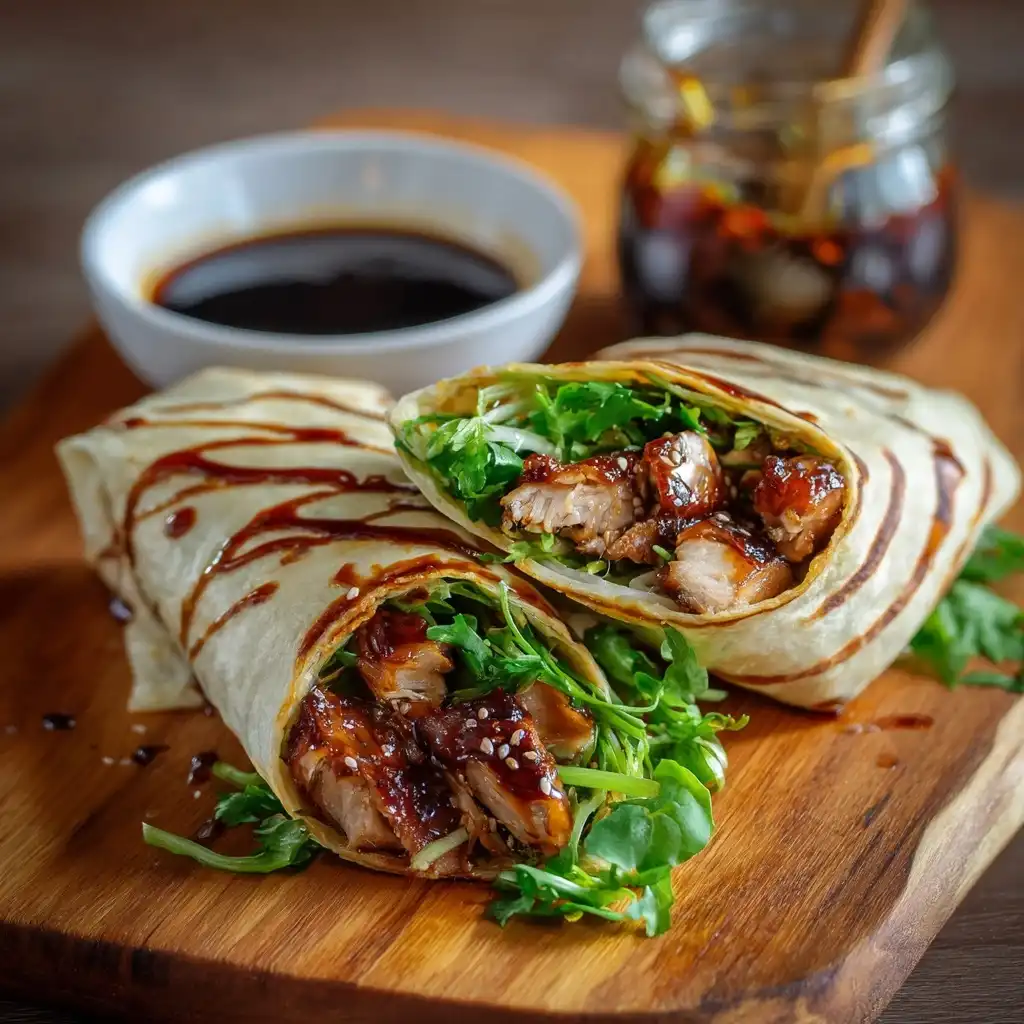
The Teriyaki Chicken Wrap is a vibrant, globally inspired fusion dish that seamlessly bridges the umami-rich traditions of Japanese cuisine with the portable, customizable convenience of American-Mexican street food culture. More than just a quick lunch option, it’s a harmonious balance of sweet, savory, salty, and tangy flavors wrapped in soft, pliable tortillas—making it ideal for busy professionals, health-conscious eaters, meal preppers, and families seeking flavorful variety without culinary complexity. Whether served chilled from the fridge, gently warmed for maximum aroma, or assembled fresh at a picnic table, this wrap delivers restaurant-quality taste with home-kitchen accessibility. Its adaptability, nutritional flexibility, and bold yet approachable profile have cemented its status as a modern pantry staple across kitchens from Seattle to Singapore.
The History
The origins of the Teriyaki Chicken Wrap are not rooted in ancient tradition but rather in the dynamic cross-cultural evolution of global food trends over the past four decades. Teriyaki itself traces back to 17th-century Japan, where “teri” (luster) and “yaki” (grill or broil) described a glossy glaze made from soy sauce, mirin, and sugar used to enhance grilled fish and later chicken and beef. As Japanese immigrants settled in Hawaii and the U.S. mainland in the early 1900s, they adapted teriyaki using locally available ingredients—substituting rice vinegar for mirin and introducing brown sugar—giving rise to the sweeter, thicker American-style teriyaki sauce popularized by chefs like Hidekazu Tojo in Vancouver during the 1970s.
Meanwhile, the flour tortilla-wrapped format emerged from Mexican-American innovation, gaining mass appeal through fast-casual chains like Taco Bell and Chipotle in the 1980s and ’90s. The convergence of these two culinary streams began in earnest in the early 2000s, catalyzed by food trucks in Portland, Los Angeles, and Austin that fused Asian sauces with handheld formats. By 2010, the Teriyaki Chicken Wrap appeared on menus across college campuses, corporate cafeterias, and gourmet grocery delis—from Whole Foods’ hot bar to Trader Joe’s ready-to-eat section. Its viral moment arrived on Pinterest and Instagram circa 2015–2017, where colorful flat-lay photos of rainbow slaws, sesame-dusted wraps, and glossy chicken slices drove millions of saves and recreations—proving that cultural hybridity, when executed with integrity and balance, can become a beloved everyday classic.
Ingredients Breakdown
Every exceptional Teriyaki Chicken Wrap begins with intentional, layered ingredients—each playing a distinct sensory and functional role:
- Tender Chicken Breast or Thigh: Boneless, skinless chicken breast offers lean protein and clean texture; thighs provide richer flavor and superior moisture retention during marinating and cooking—especially important for meal-prepped wraps that may sit for hours.
- Authentic Teriyaki Marinade & Glaze: A dual-purpose blend—not just for flavor, but for tenderization and visual appeal. Key components include low-sodium tamari or gluten-free soy sauce (for depth and salt), pure maple syrup or coconut sugar (for caramelization and balanced sweetness), dry sherry or rice wine (for acidity and aromatic lift), toasted sesame oil (for nutty fragrance), minced fresh ginger and garlic (for pungent brightness), and a touch of cornstarch slurry (to thicken the glaze into a clingy, lacquered finish).
- Flour Tortillas: Medium-soft (8–10 inch) burrito-sized tortillas made with enriched wheat flour, avocado oil, and minimal preservatives yield optimal pliability, structural integrity, and subtle richness. Whole wheat, spinach-infused, or sprouted grain alternatives add fiber and earthiness without compromising flexibility.
- Crisp Slaw Base: A refreshing counterpoint to the rich chicken—typically a no-mayo shredded blend of green cabbage, red cabbage, and carrots, enhanced with thinly sliced scallions, julienned cucumber, and daikon radish for crunch and enzymatic brightness.
- Umami-Boosting Additions: Toasted white or black sesame seeds, nori strips (cut into fine ribbons), and pickled ginger (beni shoga or gari) deepen savoriness while adding textural contrast and visual flair.
- Optional Creamy Elements: A light drizzle of wasabi aioli (Japanese mayo + wasabi paste + lime zest), spicy sriracha-mayo, or miso-tahini crema adds luxurious mouthfeel and balances salt-sweet intensity.
- Fresh Herb Finish: Chopped cilantro, Thai basil, or shiso leaves lend aromatic complexity and a burst of herbal freshness that cuts through richness.
Step-by-Step Recipe
- Marinate the Chicken (30 minutes–24 hours): In a non-reactive bowl, whisk together ⅓ cup low-sodium tamari, 3 tbsp pure maple syrup, 1 tbsp dry sherry, 1 tsp grated fresh ginger, 2 minced garlic cloves, 1 tsp toasted sesame oil, and ½ tsp black pepper. Add 1 lb thinly sliced (½-inch strips) boneless chicken breast or thigh. Toss thoroughly, cover, and refrigerate—minimum 30 minutes for flavor infusion, ideally 4–8 hours for deeper penetration and tenderness. Do not exceed 24 hours, as acidic components may begin to break down muscle fibers excessively.
- Prepare the Slaw (10 minutes): In a large mixing bowl, combine 3 cups finely shredded green cabbage, 1 cup shredded red cabbage, 1 cup matchstick carrots, ¼ cup thinly sliced scallions (green and white parts), ½ cup julienned English cucumber, and 2 tbsp rice vinegar. Toss gently and set aside—no dressing needed; natural juices and vinegar provide bright acidity without sogginess.
- Cook the Chicken (12–15 minutes): Heat 1 tbsp neutral oil (avocado or grapeseed) in a wide stainless steel or cast-iron skillet over medium-high heat. Remove chicken from marinade (reserve marinade), pat dry with paper towels to ensure searing—not steaming. Cook in a single layer for 4–5 minutes per side until deeply caramelized and internal temperature reaches 165°F. Transfer to a clean plate and tent loosely with foil.
- Reduce the Glaze (5 minutes): Pour reserved marinade into the same skillet. Bring to a simmer, scraping up browned bits. Whisk in 1 tsp cornstarch mixed with 1 tbsp cold water. Simmer 2–3 minutes until thickened to a glossy, coat-the-back-of-a-spoon consistency. Remove from heat and stir in 1 tsp toasted sesame oil and 1 tbsp toasted white sesame seeds.
- Warm & Soften Tortillas (2 minutes): Heat each tortilla individually over a gas flame (1–2 seconds per side) or in a dry skillet (15–20 seconds per side) until pliable and fragrant. Stack wrapped in a clean kitchen towel to retain steam and prevent drying.
- Assemble with Precision (3 minutes per wrap): Lay warm tortilla flat. Spread 1 tbsp wasabi aioli or miso-tahini crema in a horizontal band across center third. Layer ¾ cup slaw evenly. Top with 3–4 oz cooked, glazed chicken strips arranged lengthwise. Garnish with 1 tsp toasted sesame seeds, 4–5 thin nori strips, 1 tsp pickled ginger, and 1 tbsp chopped cilantro. Fold bottom flap up over filling, fold in both sides snugly, then roll tightly away from you—applying gentle downward pressure to compact layers and seal.
- Rest & Serve (Optional but Recommended): Place seam-side down on parchment-lined tray and rest 5 minutes—this allows residual heat to soften the tortilla further and helps ingredients settle. For meal prep: wrap tightly in parchment paper, then aluminum foil or reusable beeswax wrap; refrigerate up to 3 days or freeze up to 2 months (reheat gently in toaster oven or air fryer at 325°F for 8–10 minutes).
Tips
- Don’t Skip the Pat-Dry Step: Excess marinade creates steam instead of sear—leading to boiled, pale chicken instead of golden, caramelized edges essential for texture and flavor.
- Use a Meat Thermometer: Visual cues alone are unreliable—chicken must reach 165°F internally. Overcooking beyond this point dries out even the most carefully marinated pieces.
- Toast Sesame Seeds in a Dry Pan: Just 60–90 seconds over medium-low heat unlocks deep nuttiness and prevents bitterness. Cool before adding to glaze or garnish.
- Layer Wet Ingredients Strategically: Always place creamy spreads *under* slaw—not on top—to create a moisture barrier between tortilla and vegetables, preventing soggy wrappers.
- Chill Slaw Before Assembly: Cold slaw keeps the wrap cool and crisp while also helping the warm chicken cool slightly—avoiding steam buildup inside the wrap that leads to limpness.
- Roll Tight, But Not Forceful: A firm, even roll ensures structural integrity, but excessive pressure can tear the tortilla or squeeze out fillings. Let gravity and gentle compression do the work.
- Double-Wrap for On-the-Go: For picnics or commutes, wrap finished rolls first in parchment, then in foil—this minimizes leakage and maintains shape better than plastic wrap alone.
- Revive Stale Tortillas: If tortillas stiffen after refrigeration, microwave stacked (damp paper towel between) for 10 seconds or steam briefly in a bamboo basket—never soak or oversaturate.
- Batch-Cook Smart: Marinate and cook chicken in quadruple batches; portion into airtight containers with 2 tbsp glaze per serving. Slaw stays fresh 5 days refrigerated; tortillas freeze beautifully for 3 months.
- Taste Your Glaze Before Adding Cornstarch: Adjust sweetness (more maple), salt (a splash of tamari), or acid (rice vinegar) *before* thickening—it’s nearly impossible to correct once reduced and starched.
Variations and Customizations
This recipe is intentionally designed as a foundational canvas—inviting creativity while preserving core teriyaki integrity. Explore these thoughtfully curated adaptations:
Dietary & Lifestyle Variations
- Gluten-Free: Use certified GF tamari, coconut aminos, or liquid aminos; substitute GF tortillas (cassava + almond flour blends hold up best), and verify all sauces and toppings are GF-certified.
- Keto/Low-Carb: Replace tortillas with large butter lettuce cups, grilled portobello “buns,” or coconut wraps. Increase healthy fats with avocado slices, macadamia nuts, and extra sesame oil in glaze.
- Vegan/Vegetarian: Swap chicken for extra-firm pressed tofu (marinated 24 hrs), tempeh “bacon” strips, or king oyster mushroom “scallops.” Use coconut aminos and omit fish-derived ingredients; add nutritional yeast for umami depth.
- Paleo/Whole30: Replace soy sauce with coconut aminos, skip sugar entirely—sweeten glaze with date paste or mashed ripe banana (simmer longer to reduce water content); use cassava flour tortillas or collard green wraps.
Global Flavor Twists
- Korean-Inspired: Add gochujang-swirled crema, kimchi slaw (instead of cabbage), and toasted pine nuts. Garnish with roasted seaweed and Korean pear ribbons.
- Hawaiian Fusion: Include grilled pineapple chunks, macadamia nut slaw, and a lilikoi (passionfruit)-teriyaki glaze. Top with crispy shallots and furikake.
- Mexican-Japanese: Swap tortillas for blue corn, add chipotle-lime crema, jicama slaw, and crumbled cotija. Finish with tajín rim and lime wedge.
- Thai-Inspired: Infuse glaze with lemongrass paste and kaffir lime leaves; use mango-jalapeño slaw and top with crushed peanuts and Thai basil.
Texture & Visual Upgrades
- Crispy Element: Air-fry or pan-sear marinated chicken strips until edges curl and crisp—then glaze lightly. Adds irresistible crunch contrast.
- Smoky Depth: Grill chicken over charcoal or add ¼ tsp smoked paprika or liquid smoke to marinade for campfire nuance.
- Herb Garden Freshness: Grow micro shiso, edible chrysanthemum, or lemon verbena—add whole leaves just before rolling for floral, citrusy, or anise-like notes.
- Color Explosion: Use purple cabbage, golden beets (shredded), yellow bell peppers, and edible flowers (nasturtium, pansy) for photogenic vibrancy and phytonutrient diversity.
Health Considerations and Nutritional Value
A thoughtfully prepared Teriyaki Chicken Wrap is not only delicious but nutritionally robust—offering balanced macronutrients, bioactive compounds, and functional benefits when built with mindful ingredient choices. Below is a detailed analysis based on one standard 10-inch wrap using skinless chicken breast, whole wheat tortilla, raw slaw, and light glaze (approx. 485 calories):
Nutrient Profile (Per Serving)
- Protein: ~38g — Sufficient to support muscle synthesis, satiety, and metabolic health. Chicken provides complete amino acids; pairing with sesame seeds adds methionine and tryptophan.
- Fiber: ~9g — Primarily from whole grain tortilla (4g), cabbage (3g), carrots (2g), and optional additions like flax or chia. Supports gut microbiome diversity, glycemic control, and digestive regularity.
- Healthy Fats: ~12g — Predominantly monounsaturated (avocado oil, sesame oil) and omega-6/omega-3 balanced (sesame seeds, flax if added). Contributes to hormone production and cellular membrane integrity.
- Vitamins & Minerals: Exceptionally high in Vitamin C (cabbage, scallions, lime), Vitamin K (cabbage, kale slaw), B6 (chicken), folate (whole grains), potassium (cucumber, chicken), and selenium (chicken, sesame).
- Phytonutrients: Sulforaphane (cruciferous veggies), gingerol (fresh ginger), allicin (raw garlic), anthocyanins (red/purple cabbage), and lignans (sesame seeds) offer antioxidant, anti-inflammatory, and potential anticancer activity.
Smart Swaps for Specific Goals
- Lower Sodium: Use low-sodium tamari (reduces sodium by ~40%), omit added salt, rinse canned ingredients, and boost flavor with citrus zest, herbs, and toasted spices instead of salt.
- Blood Sugar Friendly: Prioritize high-fiber tortillas, increase non-starchy veg volume (zucchini ribbons, broccoli slaw), add apple cider vinegar to slaw, and limit added sugars—opt for erythritol-blended glazes if needed.
- Digestive Support: Include fermented elements—kimchi slaw, unpasteurized sauerkraut, or miso paste in crema—introduces beneficial lactic acid bacteria.
- Heart Health Focus: Emphasize omega-3 sources: flaxseed in tortilla, chia in glaze, or walnuts in slaw; limit saturated fat by choosing lean chicken and plant-based oils.
- Anti-Inflammatory Boost: Add turmeric to marinade (with black pepper for absorption), increase ginger quantity, include dark leafy greens (spinach or arugula slaw), and top with ground flax or hemp hearts.
Considerations & Cautions
- Soy Sensitivity: Tamari and soy sauce contain soy protein—those with IgE-mediated allergy must avoid entirely. Coconut aminos are the safest alternative, though naturally higher in sodium.
- Gluten Concerns: Traditional soy sauce contains wheat; always verify “gluten-free” labeling—even tamari varies by brand. Cross-contamination risk exists in shared commercial kitchens.
- Sugar Awareness: While maple syrup is less refined than white sugar, it still impacts blood glucose. Diabetics should monitor portions and pair with high-fiber, high-protein elements to blunt glycemic response.
- Food Safety Reminder: Never reuse marinade that contacted raw chicken unless boiled for ≥1 minute. Store assembled wraps below 40°F and consume within 3 days refrigerated or 2 months frozen.
- MSG Note: Authentic teriyaki does not require MSG—but many store-bought sauces contain it. Read labels carefully; opt for clean-label brands or make your own to fully control ingredients.
Ingredients
Makes 4 generous wraps (serving 4)
For the Chicken & Teriyaki Glaze
- 1 pound boneless, skinless chicken breast or thighs, sliced into ½-inch thick strips
- ⅓ cup low-sodium tamari or gluten-free soy sauce
- 3 tablespoons pure maple syrup (or coconut sugar dissolved in 1 tbsp warm water)
- 1 tablespoon dry sherry or unseasoned rice wine
- 1 teaspoon toasted sesame oil
- 1 tablespoon freshly grated ginger (about 1-inch knob)
- 2 cloves garlic, finely minced
- ½ teaspoon freshly ground black pepper
- 1 teaspoon cornstarch mixed with 1 tablespoon cold water (slurry)
- 1 teaspoon additional toasted sesame oil (for finishing)
- 1 tablespoon toasted white sesame seeds (plus extra for garnish)
For the Slaw & Assembly
- 3 cups finely shredded green cabbage
- 1 cup finely shredded red cabbage
- 1 cup matchstick carrots
- ½ cup thinly julienned English cucumber (peeled if waxed)
- ¼ cup thinly sliced scallions (green and white parts)
- 2 tablespoons unseasoned rice vinegar
- 4 (8–10 inch) soft whole wheat or multigrain flour tortillas (or GF alternative)
- ¼ cup wasabi aioli, spicy sriracha-mayo, OR miso-tahini crema (see recipe notes)
- 2 tablespoons finely cut nori sheets (optional but recommended)
- 2 tablespoons pickled ginger (beni shoga or gari), drained and chopped
- ¼ cup fresh cilantro leaves, roughly chopped
- Lime wedges, for serving
Optional Enhancements
- 1 ripe avocado, sliced or mashed with lime juice
- ¼ cup roasted edamame or shelled pistachios
- Microgreens or shiso leaves
- Sprinkle of furikake or yuzu kosho
Directions
- Marinate the Chicken: In a medium glass or ceramic bowl, whisk together tamari, maple syrup, sherry, 1 tsp toasted sesame oil, grated ginger, minced garlic, and black pepper. Add chicken strips and toss to coat evenly. Cover and refrigerate for at least 30 minutes—or ideally 4–8 hours—for optimal flavor and tenderness.
- Prep the Slaw: In a large mixing bowl, combine green cabbage, red cabbage, carrots, cucumber, and scallions. Drizzle with rice vinegar and toss gently. Refrigerate uncovered to keep crisp—do not dress with oil or mayonnaise at this stage.
- Cook the Chicken: Heat 1 tbsp avocado or grapeseed oil in a large skillet or wok over medium-high heat. Remove chicken from marinade (reserving liquid), pat very dry with paper towels. Working in batches if needed to avoid crowding, cook chicken 4–5 minutes per side until deeply browned and cooked through (165°F internal temp). Transfer to a clean plate and tent with foil.
- Make the Glaze: Pour reserved marinade into the same hot skillet. Bring to a lively simmer over medium heat, stirring and scraping up any browned bits. Whisk in cornstarch slurry and simmer 2–3 minutes, stirring constantly, until thickened and glossy. Remove from heat and stir in remaining 1 tsp toasted sesame oil and 1 tbsp sesame seeds.
- Glaze the Chicken: Return cooked chicken to skillet with glaze. Toss gently over low heat for 60–90 seconds until each piece is evenly coated and glistening. Remove from heat and let cool slightly—5 minutes is ideal for safe handling and moisture retention.
- Warm the Tortillas: Heat a dry skillet or griddle over medium heat. Warm each tortilla 15–20 seconds per side until soft, pliable, and fragrant. Stack in a clean kitchen towel to retain warmth and steam.
- Assemble Each Wrap: Lay a warm tortilla flat. Spread 1 tbsp creamy element horizontally across center third. Layer ¾ cup chilled slaw evenly over cream. Top with ~3.5 oz glazed chicken strips, arranged lengthwise. Sprinkle with nori, pickled ginger, cilantro, and extra sesame seeds.
- Roll Tightly: Fold bottom edge up and over filling. Fold left and right edges inward snugly. Roll firmly away from you, applying gentle downward pressure to compact layers. Seal seam by pressing lightly or dabbing with a bit of glaze.
- Rest & Serve: Place seam-side down on cutting board or parchment-lined tray. Rest 5 minutes before slicing in half on a sharp diagonal—this allows ingredients to settle and enhances presentation. Serve immediately with lime wedges and extra glaze on the side.
- Storage & Reheating: For meal prep: wrap each finished roll in parchment, then foil or reusable wrap. Refrigerate up to 3 days. To reheat: unwrap, place on air fryer basket or parchment-lined baking sheet, and warm at 325°F for 8–10 minutes until heated through and tortilla is gently crisped. Avoid microwaving wrapped—steam softens tortilla excessively.
FAQ
- Can I make this ahead of time?
- Absolutely—and it’s highly recommended! Marinate chicken up to 24 hours in advance. Cook and glaze chicken up to 4 days ahead; store in airtight container with 1–2 tbsp glaze. Slaw stays crisp 5 days refrigerated. Assemble wraps up to 2 hours before serving—or wrap and chill for grab-and-go meals. Avoid assembling more than 6 hours ahead if using delicate greens or creamy sauces.
- Why does my teriyaki glaze turn out too thin or too thick?
- Glaze consistency hinges on precise cornstarch hydration and reduction timing. Too thin? You likely didn’t simmer long enough after adding slurry—or used cold pan temperature. Too thick? Over-simmered, or cornstarch ratio was too high. Fix thin glaze by whisking in ¼ tsp more cornstarch slurry and simmering 60 sec. Fix thick glaze by whisking in 1 tsp warm water or rice vinegar and heating gently until fluid.
- What’s the best tortilla to prevent cracking?
- Look for tortillas labeled “soft,” “pliable,” or “burrito-style.” Brands like La Tortilla Factory Whole Grain or Mission Carb Balance (if low-carb) perform exceptionally well. Avoid “street taco” or “corn” varieties—they lack elasticity. Always warm tortillas before filling—cold tortillas fracture under pressure.
- Can I grill the chicken instead of pan-searing?
- Yes—and it adds wonderful smoky nuance! Preheat grill to medium-high (375–400°F). Oil grates well. Grill marinated chicken 4–5 minutes per side, basting with reserved glaze only in the last 2 minutes to avoid burning sugar. Let rest 5 minutes before slicing and glazing fully.
- Is teriyaki sauce healthy?
- Homemade teriyaki is far healthier than store-bought versions, which often contain high-fructose corn syrup, artificial colors, and 3–4x the sodium. Our version uses whole-food sweeteners, controlled salt, and zero preservatives—making it nutrient-dense when paired with vegetables and lean protein.
- How do I keep my wrap from getting soggy?
- Three key tactics: (1) Keep slaw undressed until assembly; (2) Layer creamy spreads *under* slaw—not on top—to act as moisture barrier; (3) Let glazed chicken cool 5 minutes before wrapping to release excess steam. Also, avoid overloading with wet ingredients like tomatoes or excessive sauce.
- Can I freeze Teriyaki Chicken Wraps?
- Yes—with caveats. Freeze *unwrapped* components separately for best results: cooked/glazed chicken (up to 3 months), slaw (not recommended
Advertisment