
Introduction
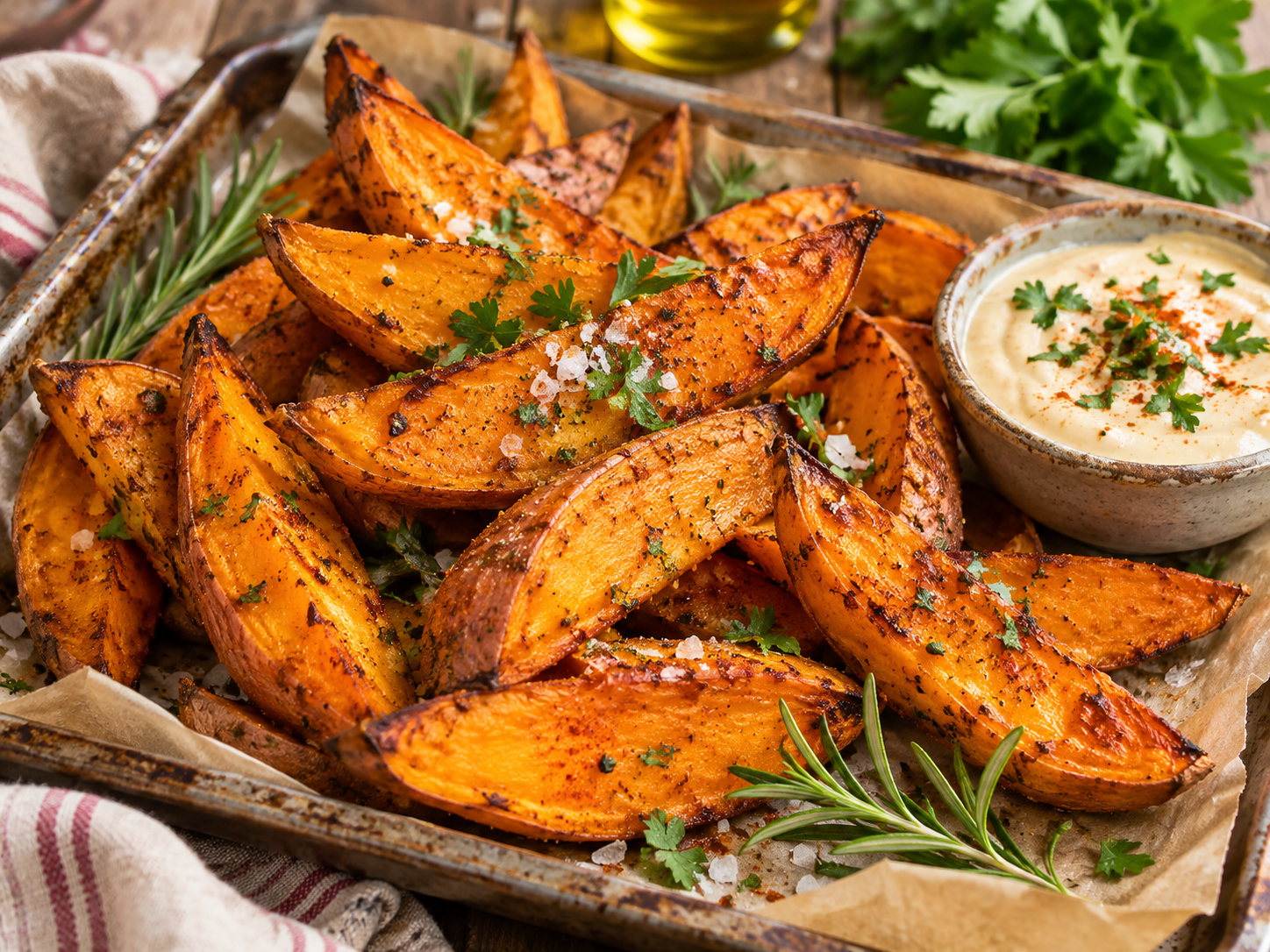
Welcome to the definitive guide on crafting the perfect Roasted Sweet Potato Wedges, a dish that seamlessly bridges the gap between comforting indulgence and nutritious sustenance. There is something inherently satisfying about the transformation of a humble root vegetable into crispy, caramelized wedges that boast a tender interior and a perfectly seasoned exterior. Whether you are hosting a weekend dinner party, preparing a healthy meal prep option for the workweek, or simply seeking a wholesome side dish to complement your favorite protein, this recipe stands as a versatile cornerstone in modern culinary practice. The appeal lies not only in the vibrant orange hue and natural sweetness but also in the textural contrast that roasting achieves, offering a superior alternative to deep-frying without sacrificing the crave-worthy crunch.
In this comprehensive exploration, we will delve deep into every aspect of creating this dish, moving beyond a simple list of instructions to understand the science, history, and nutritional powerhouse behind the sweet potato. By mastering the techniques outlined here, you will learn how to manipulate heat, oil, and seasoning to unlock the full potential of this tuber. From selecting the right variety at the grocery store to understanding the chemical reactions that occur during the roasting process, this guide is designed to elevate your cooking skills. Prepare to embark on a culinary journey that results in a plate of golden, aromatic wedges that are sure to become a staple in your household repertoire.
The History
The story of the sweet potato is a fascinating tapestry woven through centuries of human migration, agricultural innovation, and cultural exchange. Botanically known as Ipomoea batatas, the sweet potato is believed to have originated in Central or South America, with archaeological evidence suggesting cultivation as far back as 5000 years ago in Peru. Unlike the common white potato, which belongs to the nightshade family, the sweet potato is part of the morning glory family, a distinction that influenced its growth patterns and resilience in various climates. Ancient civilizations valued the crop not only for its caloric density but also for its ability to thrive in soils where other crops might fail, making it a critical survival food for indigenous populations across the Americas.
The global dissemination of the sweet potato is largely attributed to the Columbian Exchange following Christopher Columbus’s voyages in the late 15th century. Spanish and Portuguese explorers carried the vegetable back to Europe, from where it spread to Africa, Asia, and the Pacific Islands. In Polynesia, the sweet potato became a dietary staple known as kumara, integrating deeply into cultural rituals and sustenance. Over time, the methods of preparing the sweet potato evolved from simple boiling over open fires to more complex techniques involving roasting in earth ovens. The specific technique of roasting wedges, however, is a more modern adaptation, gaining popularity in the late 20th century as health-conscious consumers sought alternatives to French fries.
In contemporary cuisine, the roasted sweet potato wedge has become a symbol of the farm-to-table movement and the rise of plant-based eating. Chefs and home cooks alike have embraced the vegetable for its versatility, experimenting with spices from around the world to create fusion dishes that honor its history while pushing culinary boundaries. Today, the dish represents a convergence of ancient agricultural heritage and modern nutritional science, proving that a ingredient with roots in pre-Columbian America can remain relevant and beloved in the 21st-century kitchen.
Ingredients Breakdown
Sweet Potatoes: The star of the show, the variety of sweet potato you choose significantly impacts the final texture and flavor profile. Orange-fleshed varieties, often labeled as Beauregard or Jewel, are high in moisture and sugar, leading to a softer interior and better caramelization. White or purple-fleshed varieties tend to be drier and starchier, resulting in a fluffier texture similar to a baking potato. For wedges, the orange variety is generally preferred due to its natural sweetness which complements savory spices. Look for firm tubers without soft spots, cracks, or sprouts, as these indicate age and potential spoilage. The skin is edible and rich in fiber, so thorough washing is preferred over peeling to retain nutrients.
Olive Oil or Avocado Oil: Fat is essential for conducting heat and facilitating the Maillard reaction, which creates the desirable brown crust on the wedges. Extra virgin olive oil adds a fruity, peppery note that enhances the earthiness of the potato, but it has a lower smoke point. For high-temperature roasting above 400°F, avocado oil or light olive oil is superior as it prevents burning and bitter flavors. The oil also acts as a binder for dry spices, ensuring an even coating on every surface of the wedge. Using high-quality oil ensures that the finish is clean and lacks any rancid aftertastes.
Spices and Seasonings: The flavor profile is customizable, but a base of smoked paprika, garlic powder, and onion powder provides a savory depth that balances the natural sugar of the potato. Smoked paprika introduces a subtle wood-fire aroma that mimics grilling, while garlic and onion powders offer umami without the risk of burning that fresh aromatics might present at high heat. Sea salt or kosher salt is crucial for drawing out moisture from the surface during the initial stages of cooking, aiding in crisping. Black pepper adds a mild heat that cuts through the sweetness, creating a more complex palate experience.
Cornstarch (Optional Secret Ingredient): While not traditional, a light dusting of cornstarch can significantly enhance crispiness. The starch absorbs surface moisture and creates a thin barrier that dehydrates quickly in the oven, forming a crunchy exterior similar to a fried texture. This technique is particularly useful if you find your wedges turning out soggy rather than crisp. It should be applied lightly after oiling but before adding heavy spices to ensure it adheres properly to the vegetable surface.
Step-by-Step Recipe
Step 1: Preparation and Preheating: Begin by preheating your oven to 425°F (220°C). Consistency in temperature is key for roasting; if the oven is not fully heated before the potatoes enter, they will steam rather than roast, leading to a limp texture. While the oven heats, line two large baking sheets with parchment paper or silicone baking mats. Avoid using aluminum foil if possible, as it can react with the acids in spices and sometimes cause sticking unless heavily oiled. Ensure the racks are positioned in the upper and lower thirds of the oven to allow for even air circulation.
Step 2: Washing and Cutting: Scrub the sweet potatoes thoroughly under cold running water using a vegetable brush to remove any dirt trapped in the skin. Pat them completely dry with a clean kitchen towel; any remaining water will create steam. Place the potato on a stable cutting board and slice it in half lengthwise, then cut each half into even wedges, aiming for about 8 to 10 wedges per potato. Uniformity is critical here; if some wedges are thick and others are thin, the thin ones will burn before the thick ones are cooked through. Aim for a width of about half an inch at the widest point.
Step 3: The Soaking Technique (Optional but Recommended): For extra crispiness, submerge the cut wedges in a bowl of cold water for 30 minutes. This process draws out excess surface starch, which prevents the wedges from sticking together and promotes a crunchier exterior. After soaking, drain the water and lay the wedges out on a clean towel. Pat them aggressively dry; moisture is the enemy of crispness. This step adds time to the preparation but yields a professional-quality texture that mimics deep-frying.
Step 4: Seasoning and Coating: Place the dried wedges in a large mixing bowl. Drizzle with the oil of your choice and toss gently with your hands to ensure every wedge is lightly coated. Sprinkle the spice blend and salt over the potatoes, tossing again to distribute evenly. If using cornstarch, add it during this stage. Avoid overcrowding the bowl; if necessary, season in batches to ensure every nook and cranny of the wedge receives seasoning. The wedges should look glossy but not drowning in oil.
Step 5: Arranging on the Pan: Spread the wedges out on the prepared baking sheets in a single layer. It is vital that the wedges do not touch each other. If they are crowded, the heat cannot circulate properly, and the potatoes will steam in their own moisture, resulting in a soft rather than crispy outcome. Use two pans if necessary. Arrange them with the cut sides facing down where possible, as the flat surface caramelizes better than the rounded skin side.
Step 6: Roasting and Flipping: Place the pans in the preheated oven. Roast for 20 minutes, then remove the pans and carefully flip each wedge using tongs. This ensures even browning on all sides. Return the pans to the oven, swapping their positions (top rack to bottom, bottom to top) to account for any hot spots in your oven. Roast for an additional 15 to 20 minutes until the edges are deeply browned and crispy, and the interiors are fork-tender. Keep a close eye on them during the final minutes to prevent burning.
Step 7: Serving: Remove from the oven and let them rest for 5 minutes. This allows the interior starches to set slightly, improving the texture. Serve immediately while hot, as sweet potato wedges lose their crispness quickly as they cool. Garnish with fresh herbs like parsley or cilantro for a burst of color and freshness before bringing them to the table.
Tips
- Maximize Air Flow: Convection ovens are ideal for this recipe as the fan circulates hot air, removing moisture from the surface of the potatoes faster. If using a convection setting, reduce the temperature by 25°F to prevent over-browning.
- Don’t Skip the Dry: After washing or soaking, moisture is the primary obstacle to crispiness. Use multiple towels if necessary to ensure the surface of the potato is completely bone-dry before oiling.
- Space is Key: It is better to underfill the pan than to overcrowd it. If you must stack them, you are guaranteeing a soggy result. Use multiple baking sheets if your batch size is large.
- Season Post-Roast: For some spices, particularly delicate herbs or finishing salts, adding them immediately after removing the wedges from the oven preserves their flavor profile, which can sometimes degrade under high heat.
- Knife Safety: Sweet potatoes are dense and can be difficult to cut. Use a sharp chef’s knife and ensure your cutting board is stable. If the potato is too hard, microwaving it for 30 seconds can soften it slightly for easier cutting.
- Storage: Leftovers should be stored in an airtight container in the refrigerator. To reheat, use an oven or air fryer rather than a microwave to restore crispiness.
Variations and Customizations
Spicy Cajun Style: For those who enjoy heat, incorporate cayenne pepper, chili powder, and dried thyme into the spice blend. This creates a bold, Southern-inspired flavor profile that pairs exceptionally well with grilled chicken or shrimp. You can also add a dash of hot sauce to the oil mixture before tossing.
Sweet Cinnamon Glaze: Embrace the natural sweetness of the potato by swapping savory spices for cinnamon, nutmeg, and a drizzle of maple syrup or honey. This variation works well as a breakfast side or a dessert alternative, offering a comforting, autumnal flavor profile.
Mexican Street Corn Inspired: After roasting, toss the wedges with cotija cheese, lime juice, chili powder, and fresh cilantro. This creates a vibrant, tangy, and creamy finish that transforms the side dish into a standout feature of a taco night.
Herb-Infused Mediterranean: Use dried rosemary, oregano, and basil along with lemon zest. The citrus oils in the zest brighten the earthy flavor of the potato, making this variation perfect for pairing with fish or lamb dishes.
Vegan Cheese Topping: For a rich, umami boost without dairy, sprinkle nutritional yeast over the wedges immediately after roasting. It adds a cheesy, nutty flavor that complements the savory spices and adds B-vitamins to the meal.
Health Considerations and Nutritional Value
Roasted sweet potato wedges are not merely a tasty treat; they are a nutrient-dense food option that supports overall health. Sweet potatoes are renowned for their high content of beta-carotene, which the body converts into Vitamin A, essential for maintaining healthy vision, immune function, and skin health. A single serving can provide several times the recommended daily intake of Vitamin A. Additionally, they are a good source of Vitamin C, which supports collagen production and immune defense, and Manganese, which plays a role in metabolism and bone formation.
From a carbohydrate perspective, sweet potatoes have a lower glycemic index compared to white potatoes, especially when roasted with the skin on. The fiber content helps regulate blood sugar levels by slowing down digestion, preventing spikes in insulin. This makes them a suitable choice for individuals managing diabetes or those seeking sustained energy release throughout the day. The fiber also promotes digestive health and contributes to a feeling of fullness, which can aid in weight management strategies.
However, portion control and preparation methods matter. While roasting is healthier than deep-frying, the addition of excessive oil can increase the caloric density significantly. Using measured amounts of oil and focusing on spice blends for flavor rather than salt helps keep the dish heart-healthy. Individuals with kidney issues should monitor their intake due to the potassium content, which is beneficial for most but needs regulation for those with compromised kidney function. Overall, when prepared mindfully, this dish is a wholesome addition to a balanced diet.
Ingredients
- 4 large sweet potatoes (orange flesh preferred)
- 3 tablespoons olive oil or avocado oil
- 1 teaspoon smoked paprika
- 1 teaspoon garlic powder
- 1 teaspoon onion powder
- 1/2 teaspoon sea salt (adjust to taste)
- 1/2 teaspoon black pepper
- 1 tablespoon cornstarch (optional, for extra crispiness)
- Fresh parsley or cilantro for garnish (optional)
Directions
- Preheat your oven to 425°F (220°C) and line two baking sheets with parchment paper.
- Wash and scrub the sweet potatoes thoroughly, then pat them completely dry.
- Cut the sweet potatoes into uniform wedges, aiming for 8 to 10 wedges per potato.
- (Optional) Soak wedges in cold water for 30 minutes, then drain and dry thoroughly.
- In a large bowl, toss the wedges with oil until evenly coated.
- Combine spices, salt, pepper, and cornstarch in a small bowl, then sprinkle over the wedges and toss again.
- Arrange wedges in a single layer on the baking sheets, ensuring they do not touch.
- Roast for 20 minutes, then flip the wedges and swap the baking sheet positions.
- Roast for another 15 to 20 minutes until crispy and tender.
- Remove from oven, garnish with fresh herbs, and serve immediately.
FAQ
Why are my sweet potato wedges soggy?
Sogginess is usually caused by excess moisture or overcrowding on the pan. Ensure you dry the potatoes thoroughly after washing or soaking, and never let the wedges touch each other on the baking sheet. Using a convection setting can also help evaporate moisture more efficiently.
Can I make these in an air fryer?
Yes, air fryers are excellent for this recipe. Cook at 380°F (190°C) for 15 to 20 minutes, shaking the basket halfway through. You may need to cook in batches depending on the size of your air fryer basket to ensure proper air circulation.
Do I need to peel the sweet potatoes?
No, the skin is edible and contains significant fiber and nutrients. Just ensure you scrub them well to remove any dirt. Leaving the skin on also helps the wedges hold their shape better during roasting.
How do I store leftovers?
Store cooled wedges in an airtight container in the refrigerator for up to 4 days. To reheat, place them in an oven or air fryer at 350°F for 5-10 minutes to restore crispiness. Avoid microwaving if you want to maintain texture.
Can I freeze roasted sweet potato wedges?
Yes, you can freeze them after they have cooled completely. Place them in a freezer-safe bag for up to 3 months. Reheat directly from frozen in the oven, though the texture may be slightly softer than fresh.
Summary
Roasted sweet potato wedges offer a delicious, nutrient-rich alternative to traditional fries with minimal effort. Mastering the drying and spacing techniques ensures a perfectly crispy exterior and tender interior every time.