
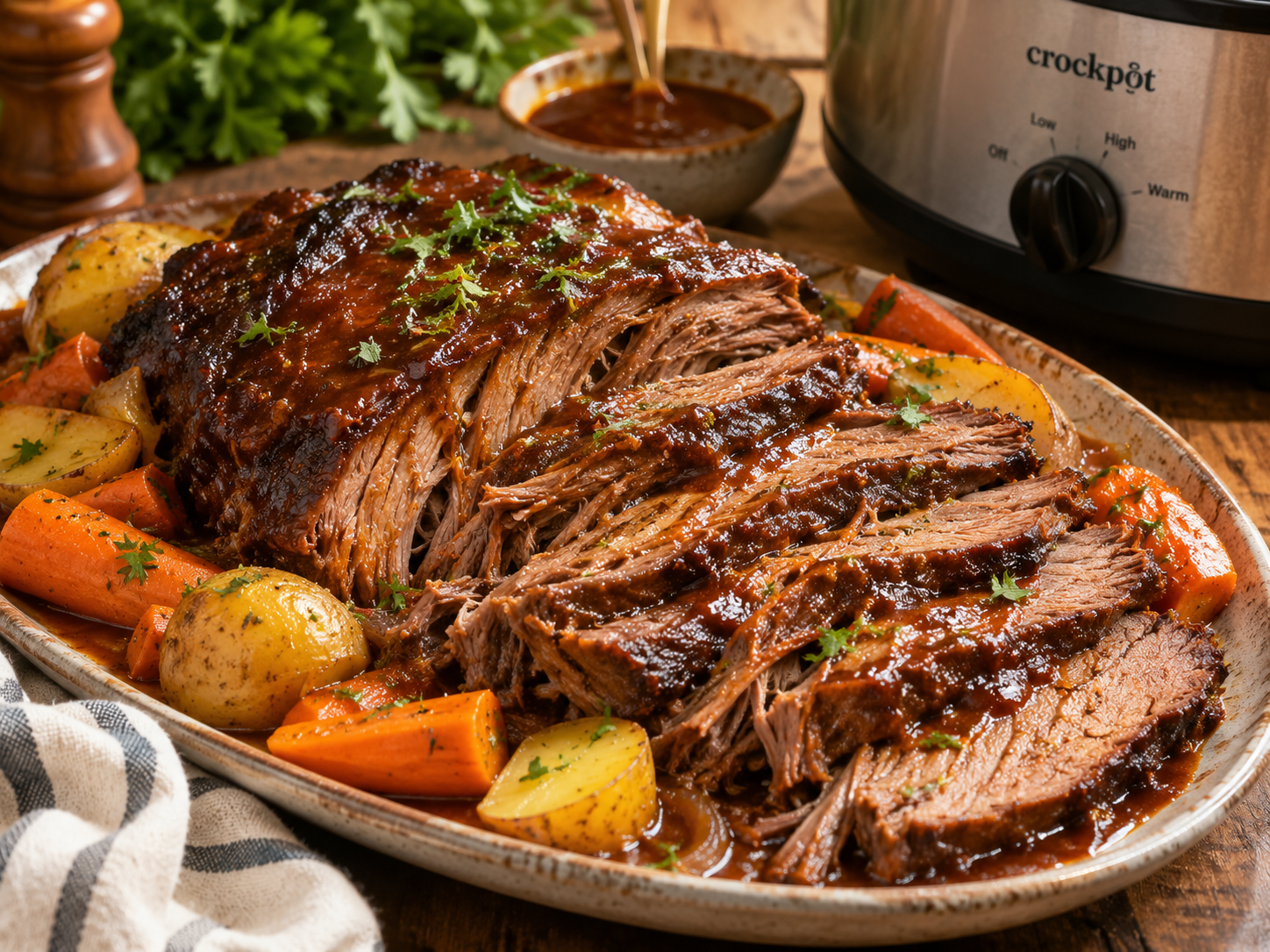
The Ultimate Guide to the Best Slow Cooker Brisket: Tender Beef Perfection
There is nothing quite like the aroma of beef brisket slow-cooking throughout the day, filling your home with a scent that promises comfort, warmth, and satisfaction. This comprehensive guide is dedicated to mastering the art of the slow cooker brisket, ensuring that every bite melts in your mouth with unparalleled tenderness. Whether you are a seasoned pitmaster looking for a convenient alternative to smoking or a home cook seeking a foolproof dinner solution, this recipe delivers consistent, restaurant-quality results. We will explore the science behind the tenderness, the history of this beloved cut, and the precise techniques required to transform a tough piece of meat into a culinary masterpiece.
Brisket is notorious for being challenging to cook; it is a hard-working muscle from the lower chest of the cow, filled with connective tissue that requires low and slow heat to break down. The slow cooker is the perfect vessel for this task, providing a consistent, moist environment that gently braises the meat over many hours. By following this detailed guide, you will learn not just how to follow a recipe, but how to understand the process, allowing you to customize and perfect your brisket every single time. Prepare to elevate your weeknight dinners and weekend gatherings with the best slow cooker brisket recipe available.
Introduction
Welcome to the definitive resource for cooking beef brisket in a slow cooker. The journey to perfect brisket begins with patience and the right equipment. Unlike oven braising, which can sometimes dry out the edges before the center is tender, a slow cooker maintains a steady humidity and temperature that is ideal for collagen breakdown. This introduction serves as your roadmap to understanding why this method works so effectively. The goal is to achieve a texture where the meat pulls apart with the gentle pressure of a fork, yet retains enough structure to hold its shape when sliced.
Many home cooks shy away from brisket due to its reputation for becoming tough or chewy if mishandled. However, the slow cooker mitigates much of this risk by eliminating temperature spikes and ensuring the meat remains submerged in flavorful braising liquid. This method is also incredibly energy-efficient and allows you to prepare the meal in the morning, leaving you free to attend to other tasks while dinner cooks itself. The result is a dish that tastes like it was tended to all day, even if your active involvement was less than thirty minutes. This guide will walk you through every nuance, from selecting the right cut at the butcher shop to slicing the finished product against the grain for maximum tenderness.
The History
The history of brisket is deeply rooted in necessity and resourcefulness. Historically, brisket was considered a less desirable cut of meat because of its high connective tissue content and toughness compared to premium steaks like ribeye or filet mignon. In Jewish cuisine, brisket became a staple for holidays and Shabbat dinners because it was affordable and could be braised for long periods to make it edible and delicious. This tradition of braising brisket in liquid with aromatics laid the groundwork for modern slow-cooked recipes.
In the United States, particularly in Texas, brisket gained legendary status through the barbecue tradition. Pitmasters spent entire nights smoking brisket over indirect heat to achieve the same collagen breakdown that a slow cooker replicates with moisture. As technology advanced, the electric slow cooker, popularized in the mid-20th century, offered a new way to achieve similar results without the need for a smoker or a constant fire. This evolution democratized the dish, allowing families across the world to enjoy tender brisket without specialized equipment. Today, slow cooker brisket stands as a fusion of traditional braising techniques and modern convenience, honoring the heritage of the cut while adapting to contemporary lifestyles.
Ingredients Breakdown
Understanding the role of each ingredient is crucial for maximizing flavor and texture. The foundation of this recipe is, of course, the beef brisket itself. You want a cut that has a good balance of meat and fat, often labeled as the “flat” or the “point.” The fat cap is essential; it renders down during cooking, basting the meat from within and keeping it moist. Do not trim all the fat away, as this will result in a dry final product.
The aromatic vegetables, such as onions, carrots, and celery, form the mirepoix base. These vegetables release sugars and savory notes into the braising liquid, which reduces into a rich gravy. Garlic adds a pungent depth that complements the beefiness. For the liquid component, a combination of beef broth and a dark acid like balsamic vinegar or red wine is ideal. The acid helps to tenderize the muscle fibers further, while the broth provides the necessary volume for braising. Worcestershire sauce and soy sauce introduce umami, enhancing the meaty flavor profile significantly.
Herbs and spices are the soul of the recipe. Thyme and bay leaves offer earthy, floral notes that cut through the richness of the fat. Black pepper provides a gentle heat, while smoked paprika can mimic the flavor of a barbecue pit if you do not have access to a smoker. Brown sugar is often added to balance the acidity and promote caramelization on the surface of the meat. Each ingredient works in synergy; removing one might not ruin the dish, but including all of them creates a complex, layered flavor profile that defines the “best” brisket.
Step-by-Step Recipe
The process begins with preparation. Remove the brisket from the refrigerator at least thirty minutes before cooking to allow it to come closer to room temperature, which promotes even cooking. Pat the meat completely dry with paper towels; moisture on the surface will prevent proper searing. Season the brisket generously on all sides with salt and pepper. This initial seasoning is vital as it penetrates the meat during the long cooking process.
Next, you must sear the meat. While some slow cooker recipes skip this step, searing is non-negotiable for the best results. Heat oil in a large skillet over high heat and sear the brisket for three to four minutes per side until a deep brown crust forms. This Maillard reaction creates complex flavor compounds that cannot be achieved through boiling or steaming alone. Once seared, transfer the brisket to the slow cooker. Do not wash the skillet; instead, use it to deglaze the pan with a splash of wine or broth, scraping up the browned bits, and pour this liquid into the slow cooker.
Layer your vegetables on the bottom of the slow cooker to act as a natural rack, preventing the meat from sitting directly on the heating element. Place the brisket fat-side up on top of the vegetables. Pour your braising liquid over the meat, ensuring it comes about halfway up the sides of the brisket; you do not need to submerge it completely. Set the slow cooker to low for eight to ten hours. Resist the urge to lift the lid during cooking, as this releases heat and steam, extending the cooking time. Once finished, the meat should be fork-tender. Let it rest before slicing to allow the juices to redistribute.
Tips
- Do Not Trim All Fat: Leave at least a quarter-inch of fat on the brisket to ensure moisture during the long cooking process.
- Sear for Flavor: Never skip the searing step; it adds a depth of flavor that defines a great brisket.
- Low and Slow: Always cook on the low setting. High heat can cause the muscle fibers to contract too quickly, resulting in toughness.
- Keep the Lid On: Every time you lift the lid, you lose heat and moisture, adding approximately twenty minutes to the cooking time.
- Slice Against the Grain: Identify the direction of the muscle fibers and cut perpendicular to them to shorten the fibers and ensure tenderness.
- Rest the Meat: Allow the brisket to rest for at least fifteen minutes after cooking before slicing to retain juices.
- Save the Juices: The liquid left in the slow cooker is liquid gold; strain it and reduce it on the stove to make a rich gravy.
- Check Doneness: Use a fork to test tenderness; if it twists easily, it is done. Do not rely solely on time.
- Cool Before Storing: If storing leftovers, let the brisket cool completely before refrigerating to maintain food safety and texture.
- Reheat Gently: Reheat slices in some of the leftover gravy to prevent them from drying out in the microwave.
Variations and Customizations
This recipe serves as a robust foundation, but it is highly adaptable to suit different palates and dietary preferences. For a Texas-Style Variation, add a tablespoon of liquid smoke and increase the amount of smoked paprika and black pepper to mimic the flavor of a traditional smokehouse. For an Asian-Inspired Variation, substitute the beef broth with a mixture of soy sauce, ginger, garlic, and star anise, serving the brisket over steamed rice with bok choy.
If you prefer a Mexican-Inspired Variation, incorporate cumin, chili powder, and oregano into the rub, and use beer instead of wine for the braising liquid. Serve the sliced brisket in tortillas with fresh cilantro and onions. For those watching their sugar intake, a Keto-Friendly Variation can be achieved by omitting the brown sugar and ensuring the vegetables used are low-carb, such as radishes instead of carrots. You can also add coffee to the braising liquid for a Coffee Rubbed Variation, which adds a deep, earthy bitterness that complements the beef beautifully.
Vegetarian adaptations are difficult for brisket specifically, but the braising liquid and vegetable mix can be used to cook large portobello mushrooms or jackfruit for a plant-based alternative that mimics the texture. Spice levels can be adjusted by adding cayenne pepper or fresh jalapeños to the slow cooker. The versatility of this dish allows it to fit into almost any culinary theme you wish to explore.
Health Considerations and Nutritional Value
Beef brisket is a nutrient-dense food, providing high levels of protein, zinc, iron, and B vitamins, particularly B12, which is essential for energy metabolism and nerve function. However, it is also higher in saturated fat compared to leaner cuts of beef. A standard serving size of cooked brisket contains significant calories, largely dependent on the amount of fat rendered and consumed. For those monitoring heart health, it is advisable to trim excess visible fat after cooking before consumption.
The slow cooking method helps retain nutrients that might be lost in high-heat cooking methods like grilling, where charring can produce harmful compounds. The braising liquid also captures water-soluble vitamins released from the meat and vegetables, which can be consumed if the gravy is served. To make the meal healthier, pair the brisket with a large portion of non-starchy vegetables like steamed broccoli or a fresh green salad to balance the richness of the meat. Sodium content can be managed by using low-sodium beef broth and reducing the amount of added salt in the rub.
Portion control is key when enjoying brisket. Because it is rich and satisfying, smaller portions are often sufficient. The collagen breakdown during slow cooking produces gelatin, which is beneficial for joint health and gut lining integrity. While it is a indulgent meal, incorporating it into a balanced diet occasionally provides both nutritional benefits and culinary joy.
Ingredients
- 4 to 5 pounds beef brisket (flat cut preferred)
- 2 tablespoons olive oil or vegetable oil
- 1 large yellow onion, sliced thick
- 4 cloves garlic, smashed
- 3 large carrots, cut into chunks
- 3 stalks celery, cut into chunks
- 2 cups beef broth (low sodium preferred)
- 1 cup dry red wine or dark beer
- 2 tablespoons Worcestershire sauce
- 1 tablespoon soy sauce
- 2 tablespoons brown sugar
- 1 tablespoon smoked paprika
- 1 teaspoon dried thyme
- 2 bay leaves
- Salt and black pepper to taste
Directions
- Pat the brisket dry with paper towels and season generously on all sides with salt, pepper, and smoked paprika.
- Heat the oil in a large skillet over medium-high heat and sear the brisket for 3-4 minutes per side until a dark crust forms.
- Place the onions, carrots, celery, and garlic on the bottom of the slow cooker to create a vegetable bed.
- Transfer the seared brisket into the slow cooker, placing it fat-side up on top of the vegetables.
- In the same skillet used for searing, deglaze with the red wine, scraping up any browned bits from the bottom.
- Pour the wine mixture, beef broth, Worcestershire sauce, and soy sauce over the brisket in the slow cooker.
- Sprinkle the brown sugar and dried thyme over the top of the meat and add the bay leaves to the liquid.
- Cover and cook on low heat for 8 to 10 hours, or until the meat is fork-tendent and pulls apart easily.
- Remove the brisket from the slow cooker and let it rest on a cutting board for 15 minutes.
- Strain the cooking liquid and vegetables; blend the vegetables into the liquid to create a thick gravy if desired.
- Slice the brisket thinly against the grain and serve warm with the prepared gravy.
FAQ
Can I cook brisket on high heat in the slow cooker?
While you can cook on high, it is not recommended for brisket. High heat can cause the connective tissue to tighten before it breaks down, resulting in tougher meat. Low and slow is the key to tenderness.
Do I need to add liquid to the slow cooker?
Yes, braising requires liquid to transfer heat and dissolve collagen. However, do not submerge the meat completely; halfway up the sides is sufficient to create steam and moisture.
What if my brisket is still tough after 8 hours?
Continue cooking. Brisket is done when it is tender, not when the timer goes off. It may need an additional hour or two depending on the specific cut and your slow cooker.
Can I freeze cooked brisket?
Yes, cooked brisket freezes very well. Store it in an airtight container with some of the cooking liquid to keep it moist. It can be frozen for up to three months.
Should I slice the brisket before or after storing?
It is best to store the brisket in large chunks and slice it after reheating. Slicing before storing can cause the meat to dry out more quickly in the refrigerator.
What side dishes go best with slow cooker brisket?
Classic sides include mashed potatoes, roasted root vegetables, buttered noodles, or a crisp green salad to cut through the richness of the beef.
Summary
This ultimate slow cooker brisket recipe transforms a tough cut of beef into melt-in-your-mouth tender perfection through low-heat braising and flavorful aromatics.
Follow the detailed steps for searing, seasoning, and slow cooking to achieve a restaurant-quality meal with minimal active preparation time.