
Introduction
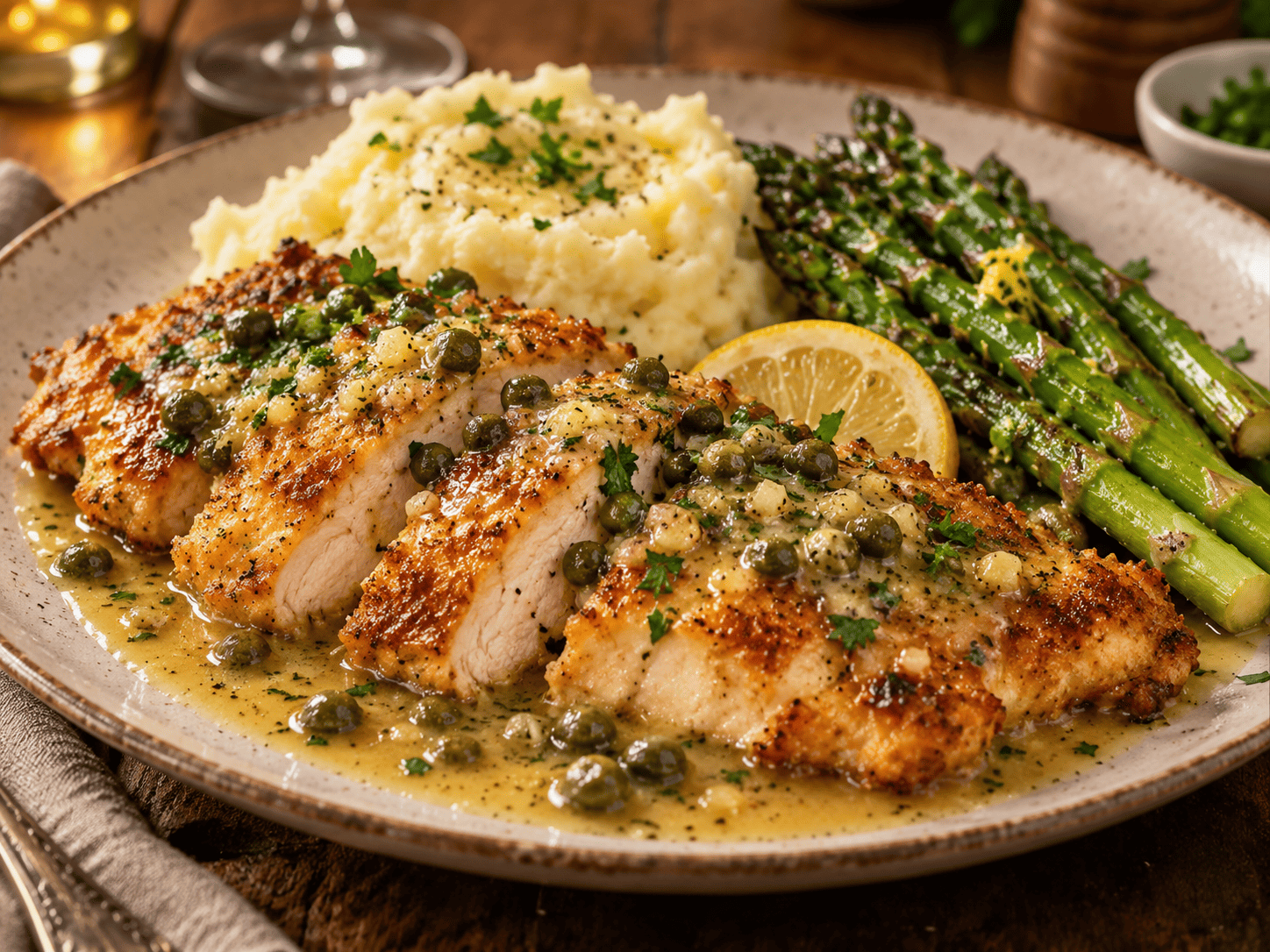
Welcome to the definitive guide on recreating one of the most beloved dishes in American steakhouse history: Morton’s Steakhouse Chicken Christopher. For decades, diners have flocked to Morton’s not only for their award-winning aged beef but also for their exceptional poultry offerings, with Chicken Christopher standing out as a crown jewel of the menu. This dish represents the pinnacle of comfort food elevated to fine dining standards, featuring succulent chicken breasts smothered in a luxurious, velvety sauce enriched with fresh spinach, tender artichoke hearts, and earthy mushrooms. The complexity of the flavor profile balances the richness of heavy cream with the acidity of white wine and the savory depth of sautéed vegetables, creating a harmonious bite that feels both indulgent and satisfying.
Creating this masterpiece in your own kitchen allows you to control the quality of ingredients while capturing the essence of a high-end dining experience without the hefty price tag. Whether you are planning a romantic anniversary dinner, hosting a sophisticated gathering for friends, or simply treating yourself to a gourmet meal after a long week, this recipe delivers restaurant-quality results. Throughout this comprehensive guide, we will explore the origins of the dish, break down the science behind each ingredient, provide a meticulous step-by-step cooking process, and offer expert tips to ensure your sauce emulsifies perfectly and your chicken remains juicy. Prepare to transform your home kitchen into a five-star steakhouse environment.
The History
Morton’s The Steakhouse, founded in 1965 by Arnie Morton in Chicago, Illinois, quickly established itself as a premier destination for meat lovers across the United States. The brand grew from a single location to an international empire known for its dark wood paneling, white tablecloths, and impeccable service. While beef was the primary focus, the culinary team recognized the need for a robust non-beef option that could stand toe-to-toe with their prime rib and filet mignon. The Chicken Christopher was born out of this necessity, designed to offer a protein alternative that did not compromise on luxury or flavor intensity.
The name “Christopher” has sparked much curiosity among patrons over the years. While Morton’s has never officially confirmed the specific identity of the namesake, culinary historians and industry insiders speculate that it may have been named after a prominent regular patron, a beloved head chef, or perhaps even a family member of the founding Mortons. Regardless of its etymology, the dish became a staple of the menu throughout the 1980s and 1990s, gaining a cult following among diners who preferred poultry over red meat. The recipe has evolved slightly over the decades to adapt to changing dietary trends and ingredient availability, but the core components—cream, spinach, artichokes, and wine—have remained unchanged, preserving the legacy of the original creation.
In the modern era, Chicken Christopher has transcended the physical walls of the restaurant. With the rise of food blogging and copycat recipe culture, home cooks have relentlessly sought to decode the secret behind the sauce’s consistency and flavor balance. This dish represents a specific era of American dining where cream-based sauces were the hallmark of sophistication, and recreating it today is a nod to the classic steakhouse tradition that Morton’s helped define. Understanding this history adds a layer of appreciation to the cooking process, as you are not just making dinner; you are participating in a culinary tradition that has delighted guests for over half a century.
Ingredients Breakdown
To achieve the authentic taste of Morton’s Chicken Christopher, one must understand the role each ingredient plays in the final composition. This is not a dish where shortcuts will yield satisfactory results; the quality of your components directly dictates the quality of your meal.
Chicken Breasts: The foundation of the dish. You should select large, boneless, skinless chicken breasts that are uniform in thickness. Look for organic or air-chilled chicken if possible, as these tend to retain more moisture during the cooking process. The chicken acts as the canvas for the sauce, so it must be seasoned generously and seared to a golden brown to develop a flavorful crust via the Maillard reaction.
Fresh Spinach: While frozen spinach is convenient, fresh baby spinach is preferred for this recipe. Fresh spinach provides a brighter color and a more delicate texture that wilts beautifully into the cream without becoming mushy or releasing excessive water, which can thin out your sauce. It adds a vital earthy note and a boost of vibrant green color.
Artichoke Hearts: Use canned or jarred artichoke hearts packed in water or brine, not oil. They should be quartered or halved depending on size. Artichokes provide a unique tangy sweetness and a meaty texture that complements the chicken. Ensure they are drained thoroughly to prevent excess liquid from diluting the creamy reduction.
Mushrooms: Sliced white button or cremini mushrooms are traditional. They add an umami depth that bridges the gap between the mild chicken and the rich cream sauce. Sautéing them until their moisture evaporates is crucial for concentrating their flavor.
Heavy Whipping Cream: This is the engine of the sauce. Do not substitute with milk or half-and-half if you want the authentic Morton’s thickness. The high fat content in heavy cream allows it to reduce without curdling and creates that signature velvety mouthfeel that coats the back of a spoon.
Dry White Wine: A Sauvignon Blanc or Pinot Grigio works best. The acidity cuts through the richness of the cream and deglazes the pan, lifting the flavorful browned bits (fond) from the bottom. Avoid cooking wines with added salt, as they can make the dish overly sodium-heavy.
Garlic and Shallots: These aromatics form the flavor base. Shallots offer a sweeter, more refined onion flavor than standard yellow onions, while fresh garlic provides the necessary pungency. They should be minced finely to distribute evenly throughout the sauce.
Parmesan Cheese: Freshly grated Parmigiano-Reggiano is essential. Pre-grated cheese often contains anti-caking agents that prevent it from melting smoothly. The cheese adds saltiness and a nutty complexity that enhances the overall savory profile.
Butter and Oil: A combination of olive oil and unsalted butter is used for sautéing. The oil prevents the butter from burning at high heat, while the butter adds richness and helps brown the chicken evenly.
Step-by-Step Recipe
Executing this recipe requires attention to timing and heat management. The goal is to have the chicken cooked perfectly while the sauce reaches the ideal consistency simultaneously. Follow these detailed stages to ensure success.
Stage 1: Preparation and Mise en Place
Before you turn on the stove, prepare all your ingredients. Chop the spinach, drain and quarter the artichokes, slice the mushrooms, and mince the garlic and shallots. Pound the chicken breasts to an even thickness, approximately half an inch, using a meat mallet. This ensures even cooking and prevents the thinner ends from drying out while the thicker centers remain raw. Season both sides of the chicken liberally with kosher salt and freshly cracked black pepper. Having everything ready is crucial because the cooking process moves quickly once the heat is applied.
Stage 2: Searing the Chicken
Heat a large skillet over medium-high heat. Add a combination of olive oil and a knob of butter. Once the butter foams and subsides, place the chicken breasts in the pan. Do not overcrowd the skillet; cook in batches if necessary. Sear the chicken for about 5 to 6 minutes per side until a deep golden-brown crust forms and the internal temperature reaches 165°F. Remove the chicken from the pan and let it rest on a warm plate covered loosely with foil. Resting allows the juices to redistribute throughout the meat.
Stage 3: Building the Aromatic Base
In the same skillet, do not wipe out the browned bits. Add a little more butter if the pan is dry. Toss in the sliced mushrooms and sauté until they release their water and begin to brown, about 5 minutes. Add the minced shallots and garlic, cooking for another minute until fragrant but not burnt. This layering of flavors is critical; the mushrooms absorb the chicken fond, and the garlic infuses the fat.
Stage 4: Deglazing and Reduction
Pour in the white wine to deglaze the pan. Use a wooden spoon to scrape up all the caramelized bits from the bottom. Allow the wine to simmer and reduce by half, which concentrates the flavor and evaporates the alcohol. Once reduced, lower the heat to medium-low and pour in the heavy cream. Stir gently and allow the cream to simmer until it thickens slightly, coating the back of a spoon. This reduction process is what creates the luxurious texture.
Stage 5: Incorporating Vegetables and Cheese
Stir in the fresh spinach and artichoke hearts. The spinach will wilt quickly into the hot cream. Once the spinach has reduced in volume, add the freshly grated Parmesan cheese. Stir continuously until the cheese is fully melted and the sauce is smooth. Taste the sauce and adjust seasoning with salt and pepper as needed. The cheese adds salt, so be cautious not to over-salt at this stage.
Stage 6: Assembly and Serving
Return the rested chicken breasts to the skillet, nestling them into the sauce to warm them through for about a minute. Alternatively, plate the chicken and ladle the generous amount of sauce over the top. Serve immediately while hot to enjoy the full contrast of textures and temperatures.
Tips
To elevate your Chicken Christopher from good to extraordinary, consider these professional kitchen secrets.
- Room Temperature Meat: Always let your chicken sit out for 20 minutes before cooking. Cold chicken hits the hot pan and seizes up, leading to uneven cooking.
- Don’t Boil the Cream: Once the heavy cream is added, keep the heat at a gentle simmer. Boiling cream aggressively can cause it to break or separate, ruining the texture.
- Wine Quality: Use a wine you would drink. If the wine tastes harsh in the glass, it will taste harsh in the sauce. The flavor concentrates during reduction.
- Thickening Agent: If the sauce is too thin, you can create a slurry with cornstarch and water, but preferably, let it reduce naturally for a cleaner flavor.
- Resting is Key: Never skip resting the chicken. Cutting into it immediately releases the juices onto the plate, leaving the meat dry.
- Fresh Herbs: While not traditional, a sprinkle of fresh chopped parsley or chives at the end adds a pop of color and freshness to cut the richness.
- Pan Choice: Use a stainless steel or cast-iron skillet. Non-stick pans do not develop the same level of fond (browned bits) which is essential for the sauce’s depth.
Variations and Customizations
While the classic recipe is perfection, there are numerous ways to adapt Chicken Christopher to suit different dietary needs or flavor preferences.
Seafood Twist: Add sautéed shrimp or lump crab meat to the sauce during the final stage. The sweetness of the seafood pairs beautifully with the creamy artichoke mixture, creating a surf-and-turf variation.
Keto and Low-Carb: This dish is naturally low in carbohydrates. To make it strictly keto, ensure you are not serving it with pasta or bread. Serve it over cauliflower mash or zucchini noodles instead of the traditional mashed potatoes or rice.
Dairy-Free Option: Substitute the heavy cream with full-fat coconut milk or a high-quality cashew cream. Use nutritional yeast instead of Parmesan cheese to mimic the cheesy flavor without dairy.
Spicy Kick: For those who enjoy heat, add a pinch of red pepper flakes or a dash of cayenne pepper to the cream sauce. The heat contrasts wonderfully with the cool tang of the artichokes.
Gluten-Free: The recipe is naturally gluten-free as long as you verify that your wine and canned artichokes do not contain hidden gluten additives. Serve with gluten-free sides to maintain the status.
Vegetarian Version: Replace the chicken with large portobello mushroom caps or firm tofu steaks. Sear them similarly to the chicken to maintain the textural contrast.
Health Considerations and Nutritional Value
It is important to approach this dish with an understanding of its nutritional profile, as it is designed to be indulgent. A standard serving of Chicken Christopher is rich in calories, fats, and sodium, typical of steakhouse cuisine.
Caloric Content: Due to the heavy cream, butter, and cheese, a single serving can range from 600 to 900 calories, depending on portion size and side dishes. It is best enjoyed as a centerpiece meal rather than part of a multi-course feast.
Fat Content: The dish is high in saturated fats. While necessary for the sauce’s texture, those monitoring cholesterol should consume this in moderation. Using a lower-fat cream alternative will change the texture but reduce the fat content.
Protein: The chicken breast provides a substantial amount of lean protein, which is essential for muscle repair and satiety. This makes the dish filling despite the rich sauce.
Sodium: Steakhouse dishes are notoriously high in sodium due to seasoning, cheese, and canned ingredients. To reduce sodium, use low-sodium chicken broth if adding any, rinse the artichokes, and reduce the added salt during seasoning.
Micronutrients: The spinach and artichokes provide vitamins A, C, and K, as well as iron and fiber. While the cream sauce masks the healthiness, the vegetables do contribute nutritional value to the plate.
Ingredients
Here is your comprehensive shopping list to ensure you have everything required for the cooking process.
- 4 large boneless, skinless chicken breasts
- 2 tablespoons olive oil
- 4 tablespoons unsalted butter, divided
- 1 cup dry white wine (Sauvignon Blanc or Pinot Grigio)
- 2 cups heavy whipping cream
- 1 cup fresh baby spinach, roughly chopped
- 1 can (14 oz) artichoke hearts, drained and quartered
- 1 cup mushrooms, sliced (cremini or white button)
- 3 cloves garlic, minced
- 1 shallot, finely minced
- 1/2 cup freshly grated Parmesan cheese
- Kosher salt and freshly cracked black pepper to taste
- Optional: Fresh parsley for garnish
Directions
- Prepare the chicken by pounding it to an even thickness and seasoning generously with salt and pepper on both sides.
- Heat olive oil and 2 tablespoons of butter in a large skillet over medium-high heat.
- Sear the chicken breasts for 5-6 minutes per side until golden brown and cooked through (165°F internal temperature). Remove and rest under foil.
- In the same pan, add remaining butter and sauté mushrooms until browned and moisture has evaporated.
- Add minced shallots and garlic, cooking for 1 minute until fragrant.
- Pour in the white wine and scrape up the browned bits from the pan bottom; simmer until reduced by half.
- Lower heat to medium-low and stir in the heavy cream; simmer until the sauce thickens slightly.
- Add the spinach and artichoke hearts, stirring until the spinach wilts.
- Stir in the Parmesan cheese until melted and smooth; adjust seasoning with salt and pepper.
- Return chicken to the pan to warm through or plate chicken and pour sauce over the top.
- Garnish with fresh parsley and serve immediately with your choice of side dishes.
FAQ
Can I freeze Chicken Christopher?
It is not recommended to freeze the dish once the cream sauce is added, as dairy-based sauces tend to separate and become grainy when thawed and reheated. It is best enjoyed fresh.
What side dishes pair best with this recipe?
Classic pairings include garlic mashed potatoes, steamed asparagus, wild rice, or a crisp green salad with a vinaigrette to balance the richness of the cream sauce.
Can I make this ahead of time?
You can prep the ingredients and even sear the chicken ahead of time. However, make the sauce fresh just before serving to ensure the best texture and flavor.
What if my sauce is too thin?
Continue to simmer the sauce on low heat to allow more evaporation. If needed, mix a teaspoon of cornstarch with cold water and whisk it in gently to thicken.
Is there a substitute for white wine?
If you do not cook with alcohol, you can substitute the wine with chicken broth mixed with a splash of white grape juice or lemon juice to mimic the acidity.
How do I prevent the chicken from drying out?
Do not overcook the chicken. Use a meat thermometer to pull it off the heat exactly at 165°F, and always let it rest before cutting or saucing.
Summary (in two lines)
Morton’s Chicken Christopher is a luxurious steakhouse classic featuring seared chicken breasts topped with a creamy spinach, artichoke, and mushroom sauce.
Follow this detailed guide to recreate the rich flavors and velvety texture of this iconic dish in the comfort of your own home kitchen.