
Introduction
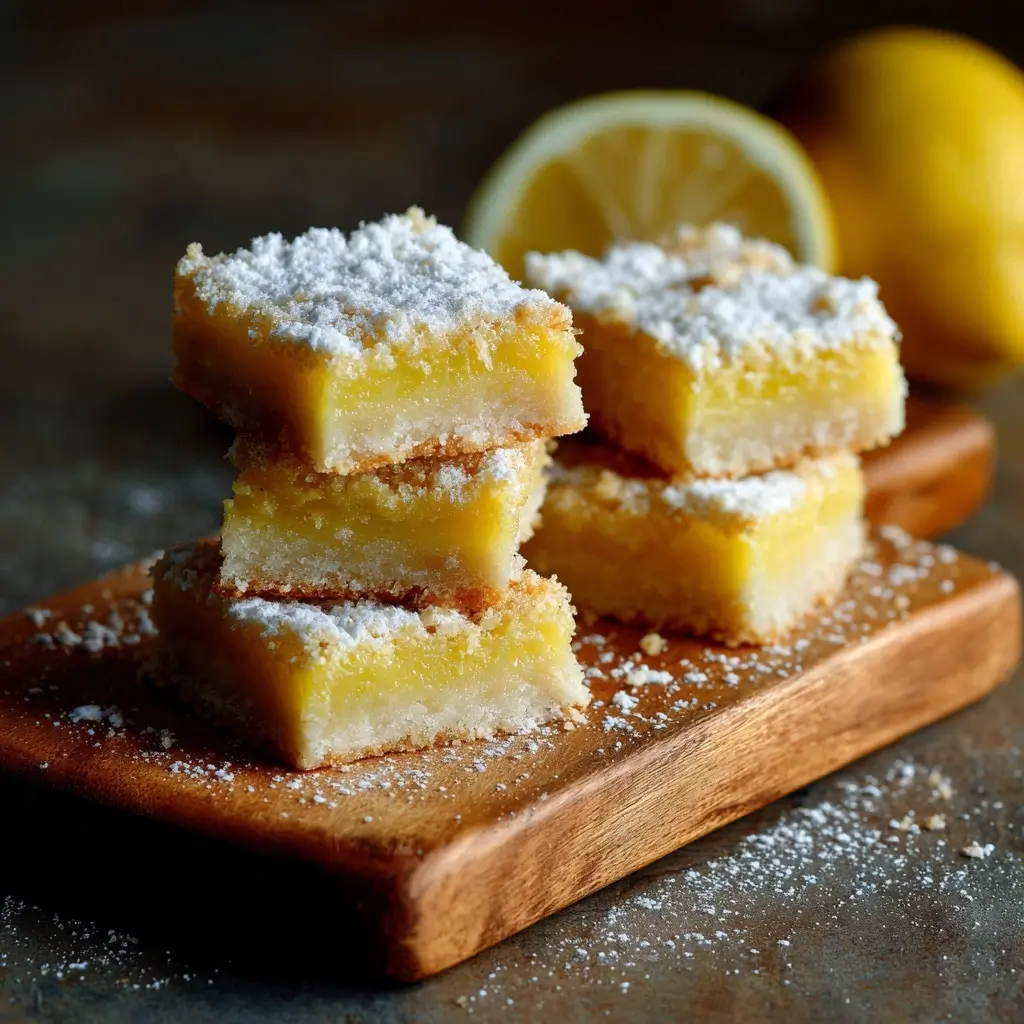
Lemon bars are the quintessential American dessert — a perfect marriage of buttery, crumbly shortbread and a vibrant, tangy-sweet lemon curd filling that’s both refreshingly bright and luxuriously creamy. With their golden hue, delicate crumb, and zesty aroma, they evoke memories of sun-drenched patios, summer picnics, holiday cookie trays, and grandma’s kitchen counter dusted with powdered sugar. Unlike heavier citrus cakes or finicky tarts, lemon bars deliver intense flavor in an approachable, slice-and-serve format — making them ideal for potlucks, bake sales, brunch buffets, and last-minute entertaining. Their deceptively simple structure belies a careful balance of textures and acidity, where every component must harmonize: the crisp-yet-tender crust must stand up to the soft-set custard without becoming soggy, while the filling must be tart enough to awaken the palate but mellowed by just the right amount of sweetness and richness from eggs and butter. This guide dives deep into every facet of crafting exceptional lemon bars — not just as a recipe, but as a culinary tradition rooted in practicality, seasonal ingenuity, and timeless appeal.
The History
Lemon bars trace their origins to mid-20th-century America, emerging during the post-war baking boom when home cooks embraced accessible, pantry-friendly desserts made with readily available ingredients like flour, sugar, eggs, butter, and bottled lemon juice. While citrus-based desserts date back centuries — think medieval lemon tarts in England or Mediterranean lemon olive oil cakes — the modern bar format evolved alongside innovations in home baking equipment and convenience foods. The earliest known printed version appeared in the 1950s in regional American cookbooks and women’s magazines, often under names like “Lemon Squares,” “Lemon Delights,” or “Sunshine Bars.” Notably, the Los Angeles Times published a version in 1962 attributed to a Pasadena homemaker, and the Beatrice Foods Company (makers of Swan’s Down cake mix) promoted a simplified version in the late 1960s using pre-made shortbread mix — signaling the dessert’s transition into mainstream, time-conscious kitchens. The shortbread crust was likely inspired by Scottish and British traditions, adapted for American ovens and ingredient availability (e.g., substituting lard or margarine when butter was scarce). By the 1970s and ’80s, lemon bars became a staple at church socials, PTA meetings, and bridal showers — celebrated for their make-ahead versatility and crowd-pleasing brightness. Today, they enjoy renewed appreciation among artisanal bakers and food historians alike, recognized not only as nostalgic comfort food but as a masterclass in custard chemistry and crust integrity.
Ingredients Breakdown
Understanding each ingredient’s functional role is key to troubleshooting and elevating your lemon bars — this isn’t just a list; it’s a blueprint for success.
For the Shortbread Crust:
- All-Purpose Flour (1¾ cups / 210g): Provides structure and tenderness. Too much leads to dryness; too little yields greasiness. A small amount of cornstarch (1–2 tbsp, optional) can enhance melt-in-the-mouth texture.
- Granulated Sugar (⅓ cup / 67g): Adds sweetness and aids in browning and crispness. Confectioners’ sugar is sometimes used for extra tenderness, but granulated gives better binding and caramelization.
- Salted Butter (¾ cup / 170g), cold and cubed: The soul of the crust. Cold butter creates steam pockets during baking, yielding flakiness and lift. Salt enhances flavor depth and balances sweetness. Unsalted butter works — just add ¼ tsp fine sea salt.
- Optional Pinch of Fine Sea Salt (⅛ tsp): Reinforces flavor complexity and prevents cloying sweetness.
For the Lemon Filling:
- Fresh Lemon Juice (½ cup / 120ml, ~4–5 medium lemons): Non-negotiable. Bottled juice lacks volatile aromatic compounds and contains preservatives that dull flavor and interfere with setting. Strain carefully to remove pulp and seeds, but retain natural pectin from membranes for improved gel stability.
- Fresh Lemon Zest (2 tbsp finely grated, ~2–3 lemons): Contains essential oils (limonene, citral) that deliver the unmistakable bright, floral top note. Zest before juicing for maximum yield and oil retention. Avoid white pith — it’s bitter.
- Granulated Sugar (1¾ cups / 350g): Sweetens and stabilizes the custard. Sugar binds water, preventing weeping and promoting smooth coagulation of egg proteins. Adjust downward slightly (to 1½ cups) for more assertive tartness.
- Large Eggs (4 whole + 2 yolks, room temperature): Whole eggs provide structure and lift; extra yolks enrich color, silkiness, and mouthfeel. Room temperature ensures even emulsification and reduces risk of scrambling when mixed with hot sugar.
- Unsalted Butter (¼ cup / 57g), melted and cooled: Adds unctuous richness and gloss. Melted (not browned) butter integrates seamlessly without creating greasy separation. Clarified butter may be used for higher heat tolerance, though traditional versions favor full-fat richness.
- Cornstarch (2 tbsp / 16g) or All-Purpose Flour (1½ tbsp / 12g): Critical thickener. Cornstarch yields a clearer, shinier, more tender set; flour gives a matte finish and slightly heartier bite. Do not omit — it prevents curdling and ensures clean slicing.
- Optional Flavor Enhancers: A tiny pinch of turmeric (⅛ tsp) for golden hue without altering taste; ½ tsp vanilla extract (added after cooling slightly) for warmth; or a splash of elderflower liqueur (1 tsp) for botanical nuance.
Step-by-Step Recipe
This meticulously tested method prioritizes precision, timing, and tactile cues over rigid timers — because oven variances, humidity, and ingredient temperatures dramatically affect outcomes.
- Prep & Preheat: Position oven rack in center position. Line a 9×13-inch metal baking pan (aluminum preferred for even heating) with two overlapping sheets of parchment paper, leaving 2-inch overhang on two opposite sides for easy removal. Lightly grease the parchment and pan edges. Preheat oven to 350°F (175°C) — do not skip preheating; a stable temperature ensures even crust baking and prevents premature filling setting.
- Make the Shortbread Crust: In a food processor, pulse flour, sugar, and salt until combined. Add cold, cubed butter. Pulse in 1-second bursts — 12–15 times — until mixture resembles coarse crumbs with some pea-sized butter pieces visible. Do not over-process into a paste. Transfer to prepared pan. Use the bottom of a flat measuring cup or glass to press firmly and evenly into pan — apply steady pressure from center outward, then up the sides about ¼ inch. Chill crust 20 minutes (or freeze 10) to relax gluten and solidify butter — critical for preventing shrinkage and ensuring crispness.
- Bake the Crust: Bake chilled crust 18–22 minutes, until lightly golden at edges and matte (not shiny) across surface. It should feel dry to touch but not browned deeply. Remove from oven and reduce temperature to 325°F (165°C) — lower heat prevents overcooking the delicate filling.
- Prepare Filling During Crust Bake: While crust bakes, zest lemons first, then juice them. In a large heatproof bowl (preferably stainless steel), whisk together sugar, cornstarch, and a pinch of salt. Whisk in eggs and yolks one at a time until fully incorporated and slightly frothy. Gradually whisk in lemon juice and zest until smooth. Finally, slowly drizzle in melted, cooled butter while whisking constantly. Strain mixture through a fine-mesh sieve into another bowl to remove any zest bits or undissolved starch — this guarantees silken texture.
- Pour & Bake Filling: Carefully pour warm (not hot) filling over par-baked crust. Tap pan sharply twice on counter to release air bubbles. Place pan on a larger baking sheet (for stability and spill protection). Bake at 325°F for 22–28 minutes. Don’t rely solely on time. Watch closely: filling is done when edges are set and slightly puffed, center jiggles *just slightly* like firm Jell-O (not liquid), and surface loses its wet shine. An instant-read thermometer inserted 1 inch from edge should read 170–175°F (77–79°C); center should be 165°F (74°C). Overbaking causes cracking, weeping, and graininess.
- Cool Completely — Patience is Paramount: Remove pan from oven. Cool on wire rack for 1 hour at room temperature. Then refrigerate, uncovered, for *at least 4 hours — ideally overnight.* This slow, controlled cooling allows the custard to fully set, develop flavor, and separate cleanly from the crust. Rushing this step guarantees smearing and crumbling.
- Finish & Serve: Using parchment overhang, lift bars gently from pan onto cutting board. Sift generously with confectioners’ sugar (1–2 tbsp) just before slicing — use a long, sharp knife dipped in hot water and wiped dry between cuts for clean edges. Chill cut bars 10 minutes before serving for maximum structural integrity.
Tips
- Lemon Quality Matters: Choose heavy, fragrant, thin-skinned lemons (Meyer lemons for floral sweetness; Eureka for classic tartness). Roll firmly on countertop before juicing to maximize yield.
- Butter Temperature Is Non-Negotiable: For crust: cold = flaky; for filling: melted & cooled = emulsified, not greasy.
- Strain Twice: Once before baking (to remove zest pulp) and again after baking if any bubbles or foam form on surface — ensures flawless appearance.
- Chill Your Tools: Chill your mixing bowl and whisk before making filling — keeps eggs from cooking prematurely when sugar is added.
- Prevent Soggy Bottoms: Par-baking the crust until dry (not just pale) creates a moisture barrier. If living in high-humidity areas, extend par-bake by 2 minutes.
- Cutting Wisdom: Use a chef’s knife (not serrated) with gentle sawing motion. Wipe blade after every 2nd cut. For party-perfect squares, trim uneven edges first.
- Storage Secret: Store covered in refrigerator for up to 1 week. Freeze unbaked crust or fully baked (unsugared) bars for up to 3 months — thaw overnight in fridge, then dust with sugar before serving.
- Revive Stale Bars: Briefly place in 300°F oven for 3–4 minutes — crust regains crispness, filling softens beautifully.
Variations and Customizations
Lemon bars are a canvas for creativity — here are rigorously tested adaptations that preserve structural integrity while expanding flavor horizons:
Flavor Infusions:
- Lavender-Lemon: Steep 1 tsp culinary lavender in warm lemon juice for 10 min, strain thoroughly. Reduce juice by 1 tbsp to compensate. Add ¼ tsp dried lavender to crust.
- Rosemary-Infused: Simmer 2 small rosemary sprigs in melted butter for 5 min; cool and strain. Use infused butter in filling. Garnish with fresh rosemary needles.
- Ginger-Zested: Add 1 tbsp finely grated fresh ginger (strained) to filling. Boost crust with ½ tsp ground ginger and ¼ tsp black pepper.
Crust Twists:
- Almond Shortbread: Replace ¼ cup flour with almond flour; add ¼ tsp almond extract to crust dough.
- Graham Cracker Hybrid: Substitute ½ cup graham cracker crumbs for same amount of flour; add 1 tsp cinnamon.
- Oat-Shortbread: Pulse ½ cup old-fashioned oats into crust mixture for nutty, chewy contrast.
Filling Elevations:
- Double-Lemon: Replace 2 tbsp lemon juice with yuzu or calamansi juice for complex acidity.
- Lemon-Cream Cheese: Beat 4 oz softened full-fat cream cheese into filling mixture after eggs — adds luxurious density and subtle tang.
- Coconut-Lemon: Use coconut oil (refined for neutral taste) in crust; substitute 2 tbsp coconut milk for part of lemon juice; top with toasted coconut flakes.
Dietary Adaptations:
- Gluten-Free: Use 1:1 GF baking blend (with xanthan gum) for crust and filling. Add ½ tsp xanthan gum to filling if blend doesn’t include it.
- Vegan: Crust: vegan butter + 1 tbsp ice water. Filling: aquafaba (6 tbsp) + ¼ cup cornstarch + ⅓ cup lemon juice + ½ cup maple syrup + 2 tbsp coconut oil + 1 tsp turmeric.
- Lower-Sugar: Reduce sugar to 1¼ cups; add 2 tbsp erythritol + ½ tsp stevia glycerite. Increase cornstarch to 3 tbsp to maintain set.
Health Considerations and Nutritional Value
A standard 2×2-inch lemon bar (1/24th of a full 9×13 pan) contains approximately:
- Calories: 180–210 kcal
- Total Fat: 9–11g (mostly unsaturated from butter)
- Saturated Fat: 5–6g
- Carbohydrates: 25–28g (including 18–22g sugars)
- Protein: 2–3g
- Vitamin C: ~15mg (25% DV) — potent antioxidant supporting immunity and collagen synthesis
- Folate: ~12mcg — important for cellular repair
- Calcium & Vitamin D: Minimal unless fortified dairy is used
Key Considerations:
- Sugar Content: While naturally tart, traditional recipes rely on significant added sugar for balance and texture stability. Excessive intake correlates with metabolic risks — consider gradual reduction (start with 1½ cups) paired with increased zest for flavor impact.
- Butter vs. Alternatives: Grass-fed butter provides CLA (conjugated linoleic acid) and vitamin K2, but moderation remains key. Olive oil-based crusts lower saturated fat but alter flavor and texture significantly.
- Egg Safety: Filling reaches safe internal temperature (>160°F), eliminating salmonella risk. Avoid raw egg consumption in vulnerable populations.
- Acid Sensitivity: High citric acid may trigger reflux or enamel erosion in susceptible individuals — rinse mouth with water after eating; avoid brushing teeth immediately.
- Functional Benefits: Lemon zest contains polyphenols (hesperidin, eriocitrin) with anti-inflammatory and vascular protective properties. Fresh lemon juice supports iron absorption when paired with plant-based iron sources.
- Mindful Enjoyment: Lemon bars offer psychological benefits — citrus aromas are linked to reduced cortisol and improved mood. Savoring slowly enhances satiety signals, potentially reducing overall intake.
Ingredients
Makes 24 bars
For the Shortbread Crust:
- 1¾ cups (210g) all-purpose flour
- ⅓ cup (67g) granulated sugar
- ¼ tsp fine sea salt
- ¾ cup (170g) cold unsalted butter, cubed
For the Lemon Filling:
- ½ cup (120ml) freshly squeezed lemon juice (4–5 medium lemons)
- 2 tbsp (6g) finely grated lemon zest
- 1¾ cups (350g) granulated sugar
- 4 large eggs + 2 large egg yolks (room temperature)
- ¼ cup (57g) unsalted butter, melted and cooled
- 2 tbsp (16g) cornstarch
- Pinch of fine sea salt
For Finishing:
- Confectioners’ sugar, for dusting
Directions
- Line a 9×13-inch metal baking pan with parchment paper, leaving overhang on two sides. Lightly grease.
- In food processor, pulse flour, sugar, and salt. Add cold butter; pulse until coarse crumbs form with pea-sized pieces. Press firmly into pan. Chill 20 minutes.
- Preheat oven to 350°F (175°C). Bake crust 18–22 minutes until light golden and matte. Cool 5 minutes. Reduce oven to 325°F (165°C).
- While crust bakes, whisk sugar, cornstarch, and salt in bowl. Whisk in eggs and yolks. Gradually whisk in lemon juice, zest, and melted butter. Strain through fine-mesh sieve.
- Pour filling over warm crust. Tap pan to release bubbles. Bake at 325°F for 22–28 minutes until edges are set and center jiggles slightly.
- Cool on wire rack 1 hour. Refrigerate uncovered ≥4 hours (overnight preferred).
- Lift bars using parchment. Sift generously with confectioners’ sugar. Cut with hot, wiped knife.
FAQ
- Why did my lemon bars crack?
- Overbaking is the #1 cause — pulling them out when center is still slightly wobbly prevents thermal shock. Rapid cooling (e.g., straight into freezer) also induces stress fractures. Let cool gradually at room temp first.
- Why is my filling weeping or leaking?
- Weeping occurs when sugar isn’t fully dissolved before adding eggs, or when filling is undercooked (starch not fully activated) or overcooked (proteins squeezing out moisture). Always whisk sugar into eggs thoroughly and bake to proper internal temp.
- Can I use bottled lemon juice?
- Technically yes, but flavor suffers dramatically — it lacks aromatic oils and contains sodium benzoate, which can impart bitterness and inhibit proper setting. Fresh is non-negotiable for excellence.
- My crust is hard or tough. What went wrong?
- Overmixing crust dough develops gluten; pressing too aggressively compacts it; insufficient chilling lets butter melt prematurely. Also, overbaking the crust dries it out — aim for light gold, not deep brown.
- How do I prevent the filling from sticking to the knife?
- Use a sharp, non-serrated knife dipped in hot water and wiped completely dry before each cut. Chill bars thoroughly — cold filling slices cleaner than room-temp.
- Can I double the recipe?
- Avoid doubling the filling — it bakes unevenly in deeper pans. Instead, bake two separate batches in 9×13 pans. Crust can be doubled safely.
- What’s the best way to store lemon bars?
- Refrigerate in airtight container with parchment layers between bars for up to 1 week. Freeze whole or sliced (unsugared) for up to 3 months. Thaw overnight in fridge.
- Why does my crust shrink away from the pan edges?
- Insufficient chilling before baking — cold butter needs time to set. Also, pressing dough too high up the sides without support causes slumping. Build a slight ridge at edges before chilling.
- Can I make these ahead for an event?
- Absolutely — they improve overnight. Bake 1–2 days ahead, refrigerate, and dust with sugar 1–2 hours before serving for optimal freshness and presentation.
- Is there a way to make them less sweet without ruining texture?
- Yes — reduce sugar to 1½ cups and add 1 extra tbsp cornstarch to compensate for reduced binding power. Boost lemon zest to 3 tbsp for amplified brightness to offset lower sweetness.
Summary
Lemon bars with shortbread crust are a timeless American classic where buttery, crumbly elegance meets vibrantly tart, silken lemon curd — a testament to balance, simplicity, and mindful technique. When executed with attention to ingredient quality, temperature control, precise baking windows, and unhurried cooling, they transform from humble dessert into an unforgettable sensory experience: crisp yet tender, bright yet rounded, nostalgic yet endlessly adaptable.