
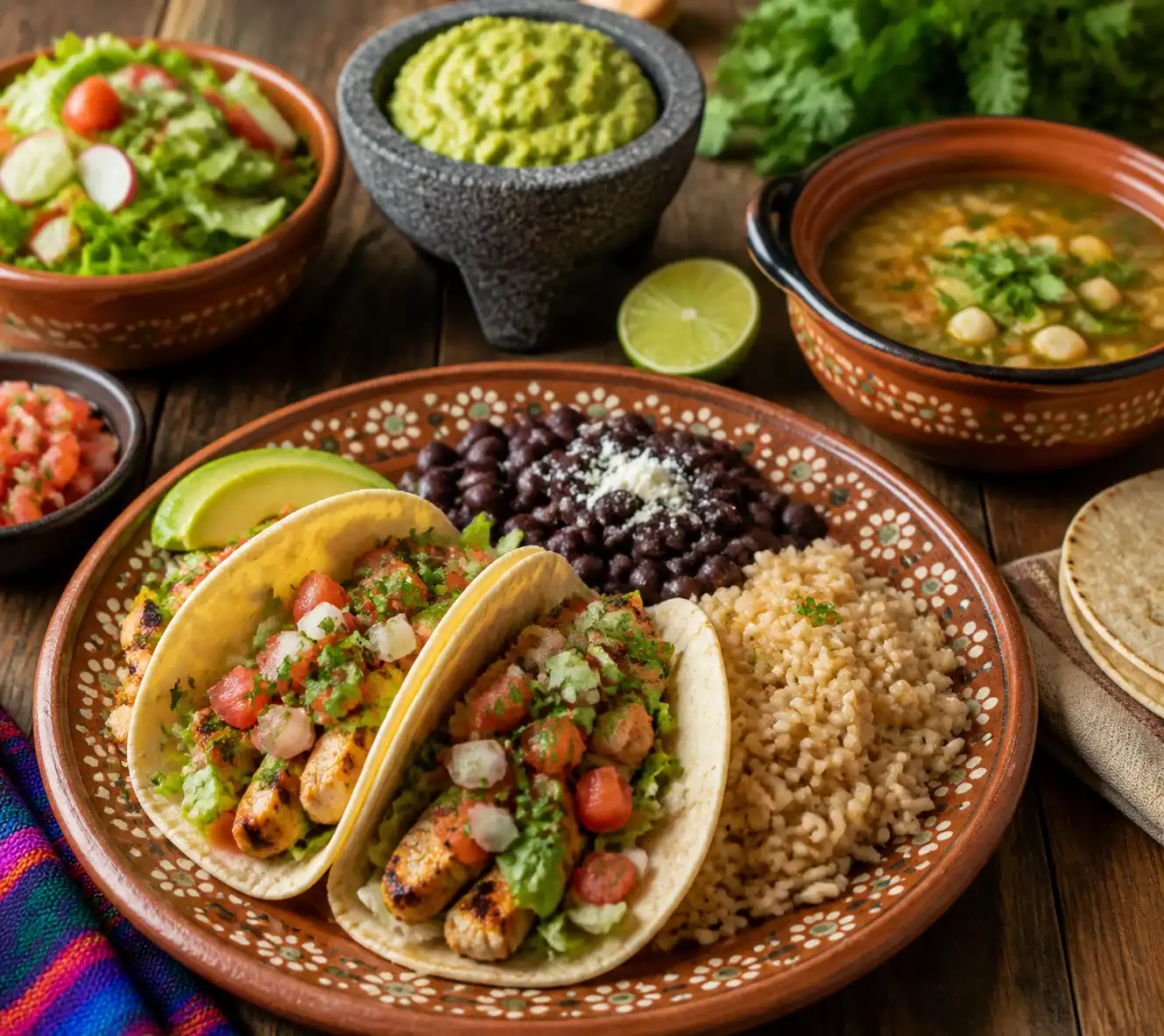
Introduction
Healthy Mexican food is far more than just a trend—it’s a vibrant, time-honored culinary tradition rooted in nutrient-dense whole foods, ancient agricultural wisdom, and regional biodiversity. Contrary to common misconceptions shaped by heavily processed Tex-Mex fast food, authentic Mexican cuisine—especially as practiced across rural communities, Indigenous kitchens, and modern health-conscious chefs—prioritizes fresh vegetables, legumes, whole grains like heirloom corn, lean proteins, healthy fats from avocado and nuts, and an abundance of antioxidant-rich herbs and spices. This guide explores how to embrace the true essence of Mexican gastronomy while optimizing for wellness: lowering added sugars and sodium, eliminating refined oils and artificial additives, maximizing fiber and phytonutrients, and honoring traditional preparation methods like nixtamalization, fermentation, and slow-cooking that enhance digestibility and bioavailability of key nutrients.
The History
Mexican food’s health legacy stretches back over 9,000 years—to the domestication of maize (corn) in the Balsas River Valley around 7000 BCE. Ancient Mesoamerican civilizations—including the Olmec, Maya, Zapotec, and Aztec—built thriving agrarian systems centered on the “Three Sisters”: corn, beans, and squash—a naturally complementary trio offering complete plant-based protein, sustained energy release, and synergistic micronutrient absorption (e.g., vitamin C from squash enhancing iron uptake from beans). Nixtamalization—the alkaline treatment of corn with slaked lime (calcium hydroxide)—was a revolutionary nutritional innovation: it unlocked bound niacin (preventing pellagra), increased calcium and magnesium bioavailability, reduced mycotoxin contamination, and improved dough elasticity for tortillas. Traditional fermentation techniques produced probiotic-rich beverages like tejuino (fermented corn drink) and pozol, while ancestral use of chiles—not only for heat but for capsaicin’s anti-inflammatory and metabolic benefits—demonstrates deep intuitive pharmacognosy. Spanish colonization introduced ingredients like dairy, rice, and certain meats, but many Indigenous communities preserved pre-Hispanic staples and preparation ethics. Today’s healthy Mexican movement revives these foundations—rejecting industrial shortcuts in favor of heirloom varieties (blue, red, and purple corn), stone-ground masa, organic beans, native chiles (habanero, chilcostle, chilpotle), and wild-harvested herbs like epazote and hoja santa—reconnecting eaters with food sovereignty, climate-resilient crops, and intergenerational wellness knowledge.
Ingredients Breakdown
Understanding each core ingredient’s functional role transforms cooking from mere assembly to intentional nourishment:
- Heirloom Corn (Maíz Criollo): Not just a carbohydrate source—blue corn contains anthocyanins linked to cognitive protection; purple corn boasts three times the antioxidants of blueberries. Stone-ground, non-GMO masa harina retains germ and bran, delivering B vitamins, magnesium, and resistant starch (a prebiotic fiber).
- Beans (Frijoles): Black, pinto, peruano, and flor de mayo beans are rich in soluble fiber (lowering LDL cholesterol), folate (critical for DNA repair), and plant lignans with estrogen-modulating effects. Soaking + discarding soak water reduces oligosaccharides (minimizing gas) and phytic acid (enhancing mineral absorption).
- Avocado (Aguacate): A monounsaturated fat powerhouse—77% of its fat is heart-healthy oleic acid. Contains more potassium per gram than bananas, lutein for eye health, and glutathione precursors supporting liver detoxification pathways.
- Tomatillos & Tomatoes: Rich in chlorogenic acid (blood sugar regulation), with tomatillos uniquely high in withanolides—anti-cancer, adaptogenic compounds also found in ashwagandha.
- Chiles (Fresh & Dried): Capsaicin stimulates thermogenesis and catecholamine release; guajillo chiles offer lycopene; ancho chiles provide vitamin A (beta-carotene) at levels rivaling carrots; chipotle (smoked jalapeños) adds polycyclic aromatic hydrocarbons with potent antimicrobial activity when consumed traditionally (not industrially smoked).
- Epazote: A pungent herb traditionally paired with beans—contains ascaridole, a natural anthelmintic, and volatile oils shown to reduce flatulence and improve intestinal motility in clinical ethnobotanical studies.
- Cilantro (Culantro): High in quercetin and dithiocarbamates—compounds shown to chelate heavy metals (lead, mercury) and support Phase II liver detox enzymes.
- Lime Juice (Jugo de Lima): Citric acid enhances non-heme iron absorption from beans and greens by up to 85%; also provides vitamin C for collagen synthesis and immune resilience.
- Onions & Garlic: Allium compounds (allicin, quercetin) exhibit antiplatelet, antihypertensive, and immunomodulatory effects validated in randomized controlled trials.
- Unsweetened Cacao (Cacao en Polvo): Used in traditional mole—raw, cold-pressed cacao delivers flavanols that improve endothelial function, lower systolic BP by ~4 mmHg (per Cochrane review), and boost cerebral blood flow.
Modern healthy adaptations avoid: hydrogenated oils (swap for cold-pressed avocado oil or organic expeller-pressed sunflower oil), refined white sugar (substitute with date paste, coconut sugar, or yacon syrup), canned beans with excess sodium (prefer low-sodium or home-cooked), and commercial sauces laden with MSG and preservatives.
Step-by-Step Recipe: Nourishing Black Bean & Roasted Poblano Tacos with Lime-Cilantro Slaw and Sprouted Corn Tortillas
- Prepare Sprouted Corn Tortillas (Makes 12): Soak organic blue corn kernels 12 hours, drain, rinse, and sprout 24–36 hours (tiny tail visible). Blend sprouted corn with filtered water (1:1.5 ratio) and ½ tsp food-grade calcium hydroxide (for nixtamalization). Simmer mixture 30 minutes, cool, then grind into smooth masa using a wet grinder or high-powered blender. Rest masa 30 minutes. Press 60g portions into 6-inch rounds using a tortilla press lined with compostable parchment. Cook on dry cast-iron comal at 425°F (220°C) 60 seconds per side until edges lift and flecks appear. Keep warm in cloth-lined basket.
- Roast & Peel Poblanos (4 large): Char over open flame or under broiler, turning with tongs until blistered (8–10 min). Seal in bowl covered with plate 15 minutes. Peel skin, remove stems/seeds, slice into ¼-inch strips. Toss with 1 tsp avocado oil, ¼ tsp cumin, and pinch of sea salt.
- Cook Black Beans (3 cups cooked): Sauté 1 diced white onion and 3 minced garlic cloves in 1 tbsp avocado oil until translucent. Add 1 tbsp chopped epazote, 1 tsp dried oregano, and ½ tsp smoked paprika. Stir in beans + ½ cup reserved bean broth. Simmer 15 minutes uncovered. Mash ⅓ beans lightly for creaminess. Finish with juice of 1 lime and 2 tbsp chopped cilantro.
- Make Lime-Cilantro Slaw: Combine 2 cups shredded purple cabbage, 1 julienned jicama (½ cup), ¼ cup thinly sliced red onion, ¼ cup chopped cilantro, zest and juice of 2 limes, 1 tsp toasted cumin seeds, and 1 tbsp cold-pressed avocado oil. Let marinate 10 minutes.
- Assemble Tacos: Warm tortillas. Layer: ⅓ cup black beans, 3–4 poblano strips, generous slaw, 2 tbsp crumbled queso fresco (or almond-cashew “queso” for vegan), 3 thin avocado slices, and micro-cilantro. Optional: drizzle with chipotle-lime crema (blend ¼ cup cashew yogurt, 1 tsp chipotle in adobo, 1 tsp lime juice, pinch of sea salt).
Tips
- Master Nixtamalization at Home: Use food-grade calcium hydroxide (not pickling lime) at 1% weight of dry corn. Soak 8–16 hours, then simmer 30–45 minutes. Rinse *thoroughly* until water runs clear—residual lime causes bitterness and digestive upset.
- Boost Protein Without Meat: Add 2 tbsp cooked amaranth or pumpkin seeds to bean filling—amaranth is a complete protein with lysine (often limiting in grains) and magnesium for muscle recovery.
- Reduce Sodium Strategically: Replace table salt with sal de gusano (worm salt) for umami depth with 70% less sodium—or use kelp granules for iodine + savory notes.
- Maximize Antioxidants: Add 1 tsp dried hibiscus (flor de jamaica) powder to masa—it imparts deep magenta color and anthocyanins that survive nixtamalization and baking.
- Prevent Tortilla Cracking: Maintain masa hydration at 55–60%. If too dry, add warm water ½ tsp at a time; if sticky, dust with masa harina. Resting allows gluten-free starches to hydrate fully.
- Enhance Digestibility: Ferment bean broth with 1 tsp whey or rejuvelac 12 hours before cooking—lactic acid bacteria predigest complex carbs and phytates.
- Smoke Flavor, Zero Toxins: For chipotle-like depth without carcinogenic PAHs, use a stovetop smoker with applewood chips + roasted peppers for 10 minutes, or add ¼ tsp smoked sea salt.
- Meal Prep Smartly: Cook beans in bulk; freeze in 1.5-cup portions with broth. Roast multiple poblanos; store peeled in vacuum-sealed bags for up to 3 weeks. Make slaw daily for peak crunch and enzyme activity.
Variations and Customizations
For Specific Diets:
- Vegan/Vegetarian: Skip cheese; use walnut-“chorizo” (pulse walnuts, chipotle, cumin, smoked paprika, tamari); top with hemp seed “crema” (blended hemp hearts + lemon + garlic).
- Gluten-Free: Naturally compliant—but verify all packaged items (bouillon, spice blends) are certified GF due to cross-contamination risks with shared mills.
- Keto/Low-Carb: Replace tortillas with grilled portobello “tortillas” or lettuce cups; increase avocado and olive oil; use cauliflower “rice” as base for bowls.
- Paleo/Whole30: Omit beans and corn; use sweet potato “tortillas” (thinly sliced, baked), grass-fed carne asada, roasted nopales, and avocado-tomatillo salsa.
- Low-FODMAP: Swap black beans for lentils (green, not red); omit onion/garlic—use infused avocado oil; choose firm tofu crumbles instead of beans.
Regional Twists:
- Oaxacan-Inspired: Use chapulines (toasted grasshoppers) for protein + zinc; add hoja santa leaf wrap; finish with stringy Oaxacan cheese (quesillo).
- Yucatán Style: Marinate chicken in sour orange, achiote paste, and habanero for cochinita pibil; serve with pickled red onions and habanero-cucumber relish.
- Michoacán Fusion: Stuff zucchini boats with carnitas-style mushrooms, epazote, and crumbled cotija; bake until tender; garnish with avocado crema and toasted pepitas.
- Northern Mexico: Grill nopales (cactus paddles) with lime and chili; layer with grilled shrimp, avocado, and pickled red cabbage for baja-style tacos.
Flavor Boosters (No Added Sugar/Salt): Toasted sesame oil + tamarind paste for tangy umami; pomegranate molasses reduction; fermented pineapple “salsa” (pineapple, jalapeño, ginger, sea salt, ferment 3 days); charred scallion oil.
Health Considerations and Nutritional Value
A single serving (3 tacos + slaw) provides approximately:
- Calories: 480–520 kcal (balanced macronutrient ratio: 45% complex carbs, 25% plant protein, 30% healthy fats)
- Fiber: 18–22g (over 75% of daily value)—supports gut microbiome diversity, stabilizes postprandial glucose, and binds bile acids for cholesterol excretion.
- Protein: 16–19g (complete profile when corn + beans combine; includes all 9 essential amino acids)
- Key Micronutrients: 120% DV folate (neural tube development, homocysteine regulation), 95% DV magnesium (muscle/nerve function, insulin sensitivity), 80% DV vitamin K1 (bone metabolism, arterial health), 200% DV vitamin C (collagen, immunity), 45% DV iron (non-heme, enhanced by lime + epazote)
- Phytonutrients: 50+ mg anthocyanins (anti-aging, neuroprotective), 12 mg lutein/zeaxanthin (macular pigment density), 4 mg capsaicin (thermogenic, pain modulation), 300 mg allicin equivalents (cardiovascular protection)
Clinical Considerations:
- Diabetes Management: Low glycemic load (GL ≈ 12) due to fiber, resistant starch, and vinegar/lime acidity slowing gastric emptying. Studies show nixtamalized corn tortillas elicit 30% lower glucose spikes vs. wheat tortillas.
- Hypertension Support: Potassium-to-sodium ratio >15:1 (ideal for BP control); nitrate-rich beets or spinach can be added to slaw for additional NO-mediated vasodilation.
- Gut Health: Resistant starch from cooled tortillas feeds Bifidobacterium and Lactobacillus; fermented slaw components provide live cultures; epazote’s carminative oils soothe IBS symptoms.
- Inflammation Reduction: Synergy of curcumin (in turmeric-spiced black beans), quercetin (onions/cilantro), and omega-9s (avocado) inhibits NF-kB pathway—validated in human RCTs on chronic inflammation markers.
- Contraindications: Those with severe kidney disease should moderate potassium (limit avocado to ¼ fruit); individuals on warfarin should maintain consistent vitamin K intake (avoid sudden surges from kale-heavy slaws); histamine-sensitive individuals may react to fermented components—start with small portions.
Ingredients
Makes 12 tacos (4 servings)
- For Sprouted Corn Tortillas: 1 cup organic blue corn kernels, 1 tsp food-grade calcium hydroxide, 1.5 cups filtered water, pinch of sea salt
- For Black Beans: 3 cups cooked black beans (home-soaked & simmered), 1 medium white onion (diced), 3 garlic cloves (minced), 1 tbsp fresh epazote (chopped), 1 tsp dried oregano, ½ tsp smoked paprika, ½ cup reserved bean broth, juice of 1 lime, 2 tbsp fresh cilantro
- For Roasted Poblanos: 4 large poblano chiles, 1 tbsp avocado oil, ¼ tsp ground cumin, pinch of sea salt
- For Lime-Cilantro Slaw: 2 cups shredded purple cabbage, ½ cup julienned jicama, ¼ cup thinly sliced red onion, ¼ cup chopped cilantro, zest and juice of 2 limes, 1 tsp toasted cumin seeds, 1 tbsp cold-pressed avocado oil
- For Assembly: ½ cup crumbled queso fresco (or vegan alternative), 1 large ripe avocado (sliced), micro-cilantro, optional chipotle-lime crema (¼ cup unsweetened cashew yogurt, 1 tsp chipotle in adobo, 1 tsp lime juice, pinch sea salt)
Directions
- Sprout the Corn: Rinse blue corn kernels thoroughly. Soak in 2 cups filtered water + 1 tsp calcium hydroxide for 12 hours at room temperature. Drain, rinse well, then transfer to a sprouting jar or colander lined with cheesecloth. Rinse 2x daily for 24–36 hours until tiny white tails (1–2 mm) emerge.
- Nixtamalize & Grind: Combine sprouted corn, 1.5 cups fresh water, and remaining calcium hydroxide in a heavy-bottomed pot. Bring to gentle simmer (do not boil vigorously). Cook uncovered for 30 minutes, stirring occasionally. Remove from heat, cover, and cool completely (2 hours). Transfer mixture to a wet grinder or high-speed blender. Blend on low, adding splashes of water as needed, until ultra-smooth (5–7 minutes). Strain through fine-mesh sieve if desired for silky texture. Cover masa and rest 30 minutes.
- Press & Cook Tortillas: Preheat cast-iron comal or griddle to 425°F (220°C). Divide masa into 12 equal balls (60g each). Place ball between two pieces of parchment paper. Press firmly in tortilla press. Peel off top parchment, flip tortilla onto bottom parchment, then carefully peel off remaining parchment. Slide onto hot comal. Cook 60 seconds, flip, cook 60 seconds more until flecked golden and edges curl slightly. Stack in clean kitchen towel inside insulated basket.
- Roast Poblanos: Place poblanos directly on gas burner flame or under broiler on high. Turn every 2 minutes until evenly charred (8–10 min). Place in bowl, cover with plate, steam 15 minutes. Peel skin, cut open, remove stem and seeds. Slice into ¼-inch strips. Heat avocado oil in skillet over medium heat. Add strips, cumin, and salt. Sauté 3 minutes until fragrant. Set aside.
- Prepare Beans: In same skillet, sauté onion in 1 tbsp avocado oil until soft (5 min). Add garlic, cook 1 minute. Stir in epazote, oregano, paprika. Add beans and broth. Simmer uncovered 15 minutes, mashing ⅓ beans with back of spoon. Stir in lime juice and cilantro. Adjust seasoning.
- Make Slaw: In bowl, combine cabbage, jicama, red onion, cilantro, lime zest/juice, cumin seeds, and avocado oil. Toss well. Let sit 10 minutes to soften cabbage slightly.
- Assemble: Warm tortillas briefly on comal. Spread ⅓ cup beans down center. Top with 3–4 poblano strips, ¼ cup slaw, 1 tbsp queso fresco, 3 avocado slices, and micro-cilantro. Drizzle with chipotle crema if using. Serve immediately.
FAQ
- Q: Can I make this without a comal or cast-iron skillet?
- A: Yes! Use a heavy stainless steel or nonstick pan preheated over medium-high heat. For best results, heat pan 5 minutes before pressing tortillas. Alternatively, bake tortillas on parchment-lined baking sheet at 450°F (230°C) for 3 minutes per side.
- Q: Is nixtamalization necessary for health benefits—or can I use regular masa harina?
- A: While quality masa harina (like Masienda or Bob’s Red Mill) is nixtamalized, homemade nixtamalization ensures optimal calcium hydroxide concentration and freshness—maximizing niacin bioavailability and reducing mycotoxins. Store-bought masa may contain preservatives and variable lime levels.
- Q: How do I store sprouted corn tortillas?
- A: Cool completely, stack with parchment between layers, seal in airtight container. Refrigerate up to 5 days or freeze up to 3 months. Reheat frozen tortillas in dry skillet 30 seconds per side, or microwave 10 seconds wrapped in damp paper towel.
- Q: What’s the best way to reduce gas from beans?
- A: Soak overnight, discard soak water, rinse, then cook in fresh water with epazote (shown in traditional medicine to inhibit gas-producing bacteria). Adding kombu seaweed during cooking further breaks down raffinose sugars. Fermenting cooked beans for 12 hours also helps.
- Q: Are chiles inflammatory—or do they help?
- A: Capsaicin has biphasic effects: acute high doses may irritate, but regular moderate consumption (1–2 chiles daily) reduces systemic inflammation markers (CRP, IL-6) and activates TRPV1 receptors linked to longevity pathways (SIRT1 activation).
- Q: Can children eat spicy Mexican food?
- A: Yes—with adaptation. Introduce mild chiles (poblano, anaheim) early to build tolerance. Avoid concentrated capsaicin sources (habanero sauces) under age 5. Focus on flavor complexity—roasted tomatoes, toasted cumin, lime—to develop palate without heat.
- Q: Is Mexican food high in carbs? How can I balance it?
- A: Traditional meals emphasize complex, high-fiber carbs—not refined ones. Balance by pairing corn with ample beans (protein/fiber), avocado (fat), and vegetables (volume/nutrients). The fiber slows digestion, preventing blood sugar spikes better than low-carb diets for sustained energy.
- Q: What makes this “authentic” versus “healthy-modified”?
- A: Authenticity lies in technique (nixtamalization, roasting, fermentation) and ingredient integrity (heirloom corn, native chiles, epazote), not rigid adherence to colonial-era recipes. Pre-Hispanic kitchens were inherently adaptive—using local, seasonal, and medicinal foods. This recipe honors that ethos: it’s ancestral, not antiquated.
Summary
Healthy Mexican food is a living tradition that harmonizes ancient nutritional wisdom—nixtamalization, Three Sisters agriculture, and medicinal herb use—with modern science on gut health, anti-inflammatory phytonutrients, and metabolic resilience. By prioritizing heirloom ingredients, traditional preparation, and mindful customization, every taco, bowl, or salsa becomes a vehicle for vitality, cultural continuity, and ecological stewardship.
This guide empowers you to move beyond diet culture’s restrictions and into the abundant, flavorful, deeply nourishing heart of Mexican gastronomy—where wellness isn’t sacrificed for taste, but amplified by it.