
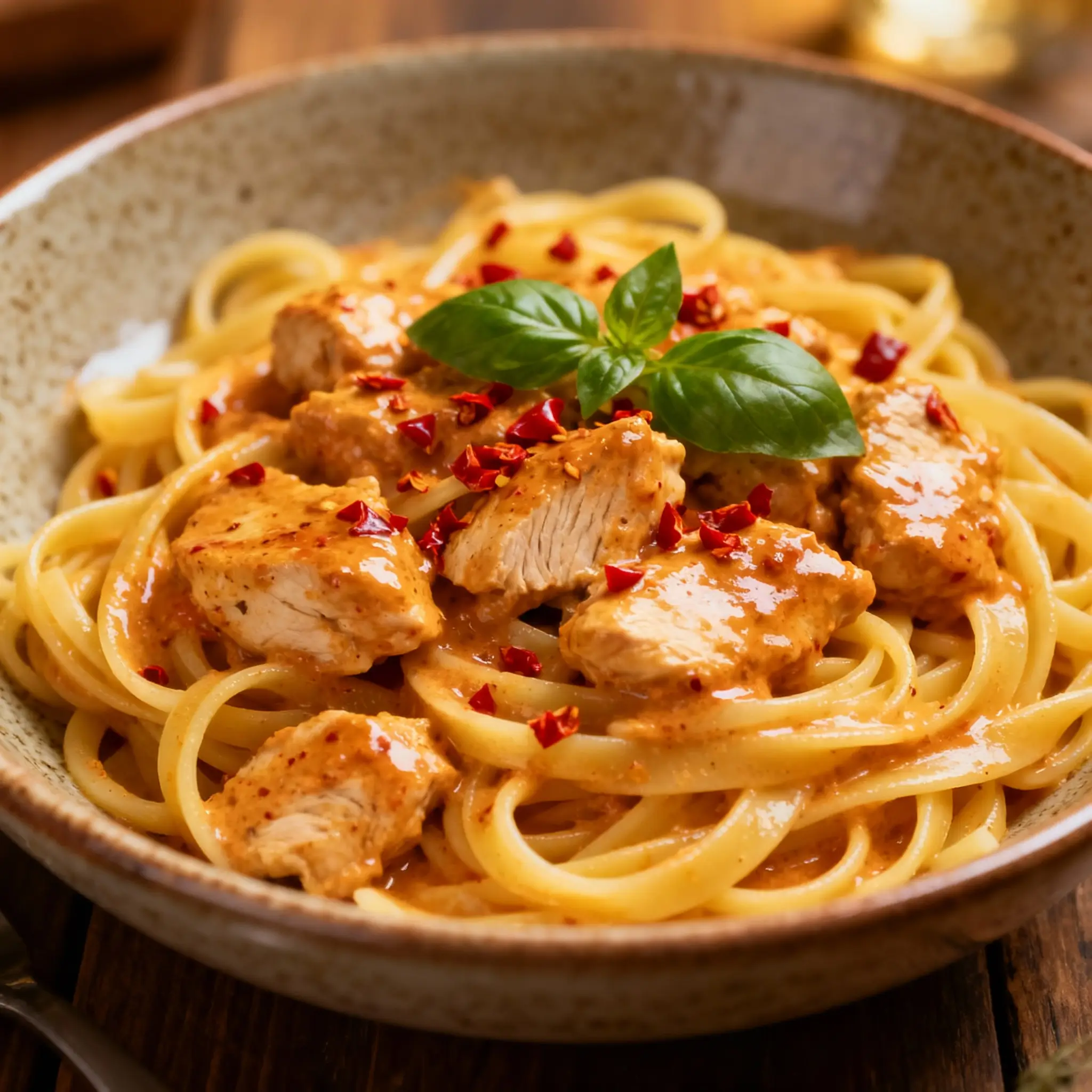
Creamy Spicy Vodka Pasta with Chicken: A Decadent Fusion of Heat and Comfort
The History of Creamy Spicy Vodka Pasta with Chicken
The origins of vodka pasta, more formally known as Penne alla Vodka, trace back to the culinary fusion movement between Italian and American cuisines in the mid-20th century. While the exact roots are debated, many food historians believe that the dish first emerged in Italian-American restaurants during the 1970s and 1980s, particularly in New York City. Some credit restaurateurs like James Doty and Leo Steiner at Orsini Restaurant for inventing the dish, while others argue it evolved from traditional Italian tomato-based sauces enhanced by spirits like grappa—only adapted with vodka due to its neutral flavor and rising popularity.
Originally a simple combination of tomatoes, cream, onions, garlic, and vodka, the sauce’s unique character comes from the alcohol helping to extract flavor compounds from the tomatoes, resulting in a richer, deeper taste. Over time, chefs began adding proteins such as shrimp or chicken to elevate the dish into a full meal. The “spicy” variation gained traction as palates shifted toward bolder, more complex flavor profiles, inspired by global cuisine trends and the growing love affair with heat from ingredients like red pepper flakes and Calabrian chiles.
Today, Creamy Spicy Vodka Pasta with Chicken is celebrated not just in upscale trattorias but also in home kitchens across America and beyond. It represents a perfect balance of indulgence and sophistication—a creamy, slightly fiery, deeply savory dish that turns humble ingredients into something extraordinary. Its adaptability has made it a staple in modern comfort food culture, often featured on food blogs, cooking shows, and social media platforms where visual appeal meets bold flavor.
Ingredients Breakdown: What Makes This Dish Shine?
To create a truly exceptional Creamy Spicy Vodka Pasta with Chicken, understanding each ingredient’s role is essential. Here’s a detailed breakdown of what goes into this luxurious dish:
- Chicken Breast or Thighs: Boneless, skinless chicken breasts are lean and tender, offering a clean protein base. Alternatively, thighs add juiciness and deeper flavor due to their higher fat content, making them ideal for those who prefer a more succulent bite.
- Pasta (Penne Recommended): Penne rigate—tubular pasta with ridges—holds the creamy sauce exceptionally well. Other options include rigatoni, fusilli, or even fettuccine for a silkier texture. Always use high-quality durum wheat semolina pasta for optimal al dente results.
- Vodka: Not just for cocktails! Vodka helps emulsify the sauce, enhances the sweetness of tomatoes, and carries aromatic flavors. Its subtle burn dissipates during cooking, leaving behind a smooth depth. Use plain 80-proof vodka; flavored varieties can overpower the dish.
- Canned Crushed Tomatoes: San Marzano tomatoes are preferred for their low acidity and rich sweetness. They form the backbone of the sauce, providing body and tang without being overly sharp.
- Heavy Cream: Adds luxurious richness and balances the spice and acidity. For a lighter version, half-and-half or full-fat coconut milk can be substituted, though the mouthfeel will differ.
- Onion and Garlic: Yellow onion provides sweetness when sautéed, while fresh garlic adds pungency and aroma. Both are foundational aromatics that build complexity.
- Olive Oil and Butter: Olive oil ensures even browning of chicken and vegetables, while butter stirred in at the end adds silkiness and rounds out sharp edges in the sauce.
- Red Pepper Flakes: The primary source of heat. Adjustable to taste, they infuse the oil early to bloom their capsaicin content, ensuring even distribution of spice throughout the dish.
- Fresh Basil: Adds a bright, herbal note. Torn leaves are typically added both during simmering and as a garnish for maximum freshness.
- Parmesan Cheese: Grated Parmigiano-Reggiano contributes umami, saltiness, and a slight nuttiness. It also helps thicken the sauce slightly through emulsification.
- Salt and Black Pepper: Essential seasonings used throughout cooking to layer flavor properly.
- Optional Enhancements: Sun-dried tomatoes, roasted bell peppers, pancetta, Calabrian chili paste, or even a splash of balsamic vinegar can deepen the flavor profile further.
Step-by-Step Recipe: How to Make Creamy Spicy Vodka Pasta with Chicken
Follow these detailed steps to achieve restaurant-quality results in your own kitchen:
- Prep Ingredients: Dice 1 medium yellow onion. Mince 4 cloves of garlic. Cut 1 lb (450g) boneless chicken breast or thighs into 1-inch cubes. Season chicken generously with salt and black pepper. Measure out ½ cup vodka, 1 cup heavy cream, 2 cups crushed San Marzano tomatoes, ¼ cup grated Parmesan, ¼ tsp red pepper flakes (adjustable), ½ cup chopped fresh basil (reserve some for garnish), and have 12 oz (340g) penne ready.
- Cook the Pasta: Bring a large pot of generously salted water to a rolling boil. Add the penne and cook according to package instructions until al dente (usually 10–12 minutes). Reserve 1 cup of starchy pasta water before draining. Do not rinse the pasta—this water will help bind the sauce later.
- Sear the Chicken: While the pasta cooks, heat 2 tbsp olive oil in a large skillet or Dutch oven over medium-high heat. Once shimmering, add the seasoned chicken in a single layer (work in batches if needed to avoid crowding). Sear for 3–4 minutes per side until golden brown and cooked through (internal temp should reach 165°F / 74°C). Remove chicken and set aside.
- Sauté Aromatics: In the same pan, reduce heat to medium. Add 1 tbsp butter and the diced onion. Cook for 4–5 minutes until translucent and soft. Stir in minced garlic and red pepper flakes; cook for 1 minute until fragrant—do not let garlic brown.
- Add Tomatoes and Vodka: Pour in the crushed tomatoes and stir well. Then carefully add the vodka (it may sizzle). Increase heat slightly and simmer for 8–10 minutes, allowing the alcohol to evaporate and the sauce to reduce slightly. The mixture should thicken and develop a deep red hue.
- Incorporate Cream and Cheese: Reduce heat to low. Slowly pour in the heavy cream, stirring constantly. Add half the Parmesan cheese and stir until melted and smooth. Let the sauce gently simmer for another 5 minutes to meld flavors.
- Reintroduce Chicken: Return the seared chicken (and any accumulated juices) to the sauce. Stir in most of the chopped basil. Simmer together for 3–4 minutes so the chicken absorbs the sauce’s flavor.
- Combine with Pasta: Add the drained penne directly to the skillet. Toss everything together using tongs or a large spoon. If the sauce seems too thick, gradually add reserved pasta water—one tablespoon at a time—until desired consistency is reached. The sauce should cling luxuriously to the pasta, not pool at the bottom.
- Finish and Serve: Stir in the remaining Parmesan and a final tablespoon of cold butter for extra shine and silkiness. Taste and adjust seasoning with salt and pepper. Garnish with fresh basil and additional red pepper flakes or grated Parmesan if desired.
Tips for Perfect Creamy Spicy Vodka Pasta Every Time
- Don’t Skip the Vodka Simmer: Allowing the vodka-tomato mixture to reduce fully removes harsh alcohol notes while concentrating flavor. Rushing this step results in a flat or boozy sauce.
- Use Starchy Pasta Water: This magical liquid contains released starches that help emulsify the sauce, creating a velvety texture that clings to every noodle.
- Control the Heat Level: Start with ¼ tsp red pepper flakes and increase gradually. You can always add more spice, but you can’t take it away. For intense heat, consider adding a small amount of Calabrian chili paste or a sliced fresh serrano pepper.
- Avoid Overcooking the Cream: Never boil the sauce after adding cream—it can curdle or separate. Keep it at a gentle simmer.
- Brown the Chicken Well: Proper searing creates fond (those browned bits on the pan), which builds flavor when deglazed by the sauce ingredients.
- Fresh Herbs Matter: Dried basil lacks the vibrancy of fresh. If substituting, use 1 tsp dried and add earlier in the cooking process.
- Rest Before Serving: Let the dish sit off heat for 2–3 minutes before serving. This allows the sauce to settle and absorb into the pasta.
- Warm Your Plates: Serving on warm plates keeps the creamy sauce from cooling too quickly and prevents it from thickening prematurely.
Variations and Customizations
This recipe is highly adaptable to different tastes, dietary needs, and pantry availability:
- Vegetarian Version: Omit the chicken and boost flavor with sautéed mushrooms, spinach, zucchini, or roasted eggplant. Add white beans for protein.
- Seafood Twist: Replace chicken with peeled shrimp or scallops. Add them during the last few minutes of sauce cooking to prevent overcooking.
- Dairy-Free Option: Use coconut cream instead of heavy cream and nutritional yeast or vegan Parmesan for cheesy flavor. Ensure all other ingredients are dairy-free.
- Gluten-Free Adaptation: Substitute gluten-free penne (corn, rice, or chickpea-based). Be mindful that GF pastas can become mushy faster—cook just until al dente and handle gently when mixing.
- Spicier Kick: Infuse the oil with a whole dried arbol chili or add harissa paste (½–1 tsp) for North African flair. Alternatively, top with pickled jalapeños or hot honey before serving.
- Creamier Texture: Blend part of the sauce with an immersion blender before adding cream for a smoother base. Great for picky eaters or kids.
- Smoky Flavor: Add a pinch of smoked paprika or a few drops of liquid smoke for a campfire-like depth.
- Meat Lovers’ Upgrade: Include crispy pancetta, bacon, or Italian sausage along with the chicken for a heartier meal.
- Herb Swaps: Try oregano, parsley, or marjoram in place of some basil for a more Mediterranean twist.
- Wine Variation: Though unconventional, a splash of dry white wine can complement the vodka for a layered alcoholic note.
Health Considerations and Nutritional Value
While undeniably rich and satisfying, Creamy Spicy Vodka Pasta with Chicken can be enjoyed as part of a balanced diet with mindful modifications:
Nutritional Profile (per serving, approx. 1/4 of recipe):
- Calories: ~650–750 kcal
- Protein: ~35–40g (excellent source from chicken and dairy)
- Fat: ~30–35g (mostly from cream and olive oil; includes saturated fat)
- Carbohydrates: ~60–70g (primarily from pasta)
- Fiber: ~4–6g (from whole grain pasta or added veggies)
- Sodium: ~600–900mg (can vary based on cheese, canned tomatoes, and added salt)
Health Tips:
- Portion Control: Serve with a generous side salad or steamed vegetables to balance the meal and increase satiety.
- Lighter Sauce Options: Replace half the cream with Greek yogurt or pureed cauliflower for reduced fat and calories without sacrificing creaminess.
- Whole Grain Pasta: Boost fiber and nutrient content by using whole wheat or legume-based pasta.
- Lower Sodium Choices: Use no-salt-added tomatoes and low-sodium broth (if thinning sauce), and control added salt.
- Moderation with Alcohol: The vodka content is minimal and mostly cooked off, but those avoiding alcohol entirely can substitute with water + a squeeze of lemon juice to mimic brightness.
- Heart-Healthy Fats: Rely on olive oil as the primary fat source, which contains monounsaturated fats beneficial for cardiovascular health.
Full Ingredient List
- 12 oz (340g) penne pasta
- 1 lb (450g) boneless, skinless chicken breast or thighs, cubed
- 3 tbsp olive oil, divided
- 1 tbsp unsalted butter, plus 1 tbsp cold butter for finishing
- 1 medium yellow onion, finely diced
- 4 cloves garlic, minced
- ½ cup vodka (80 proof)
- 2 cups crushed San Marzano tomatoes (canned)
- 1 cup heavy cream (or substitute for lighter option)
- ½ cup freshly grated Parmigiano-Reggiano, divided
- ¼–½ tsp red pepper flakes (adjust to heat preference)
- ½ cup fresh basil, chopped (plus extra for garnish)
- Salt and freshly ground black pepper, to taste
- 1 tsp sugar (optional, to balance acidity)
Detailed Directions
- Bring a large pot of salted water to a boil. Add penne and cook until al dente. Reserve 1 cup of pasta water, then drain and set aside.
- Season chicken with salt and pepper. Heat 2 tbsp olive oil in a large skillet over medium-high heat. Sear chicken until golden and cooked through (about 3–4 minutes per side). Transfer to a plate.
- In the same skillet, melt 1 tbsp butter over medium heat. Add onion and cook until soft and translucent (~5 minutes).
- Add garlic and red pepper flakes; sauté 1 minute until fragrant.
- Pour in vodka and crushed tomatoes. Simmer uncovered for 8–10 minutes, stirring occasionally, until slightly reduced.
- Stir in heavy cream and ¼ cup Parmesan. Lower heat and simmer gently for 5 minutes.
- Return chicken to the skillet. Add ⅔ of the basil. Simmer 3–4 minutes to combine flavors.
- Add cooked penne and toss to coat. Gradually add reserved pasta water as needed to loosen sauce.
- Stir in remaining Parmesan and cold butter. Adjust seasoning with salt, pepper, and optional sugar.
- Garnish with fresh basil, extra cheese, and a sprinkle of red pepper flakes. Serve immediately.
Frequently Asked Questions (FAQ)
Can I make this ahead of time?
Yes, but best reheated gently on the stove with a splash of water or broth to restore creaminess. Avoid microwaving, which can cause separation.
Does the alcohol cook off completely?
Most of the alcohol evaporates during the simmering phase, especially after 10+ minutes of cooking. Less than 5% remains, but for complete avoidance, substitute with water and lemon juice.
Can I freeze leftovers?
Freezing is not recommended due to the dairy-based sauce, which may separate upon thawing. Store in the fridge for up to 3 days and reheat carefully.
Why did my sauce separate?
High heat after adding cream or insufficient fat can cause curdling. Always keep the heat low and stir constantly. Adding a bit of pasta water helps stabilize the emulsion.
What can I pair with this dish?
Serve with a crisp green salad, garlic bread, or roasted vegetables. A chilled glass of Pinot Grigio or dry rosé complements the richness beautifully.
Is there a non-dairy vodka pasta option?
Yes! Use coconut cream, cashew cream, or commercial plant-based creams. Add miso or nutritional yeast for umami depth.
Can I use pre-cooked chicken?
Absolutely. Shredded rotisserie chicken works well—add it when combining pasta and sauce to warm through without drying out.
How spicy is this really?
With ¼ tsp red pepper flakes, it’s mildly spicy with a pleasant warmth. Increase to ½ tsp or more for serious heat lovers.
Summary
Creamy Spicy Vodka Pasta with Chicken combines silky noodles, tender protein, and a luscious tomato-vodka-cream sauce spiked with heat for a modern classic that satisfies every craving. Luxurious yet approachable, it’s a weeknight dinner that feels like a special occasion.