
Introduction
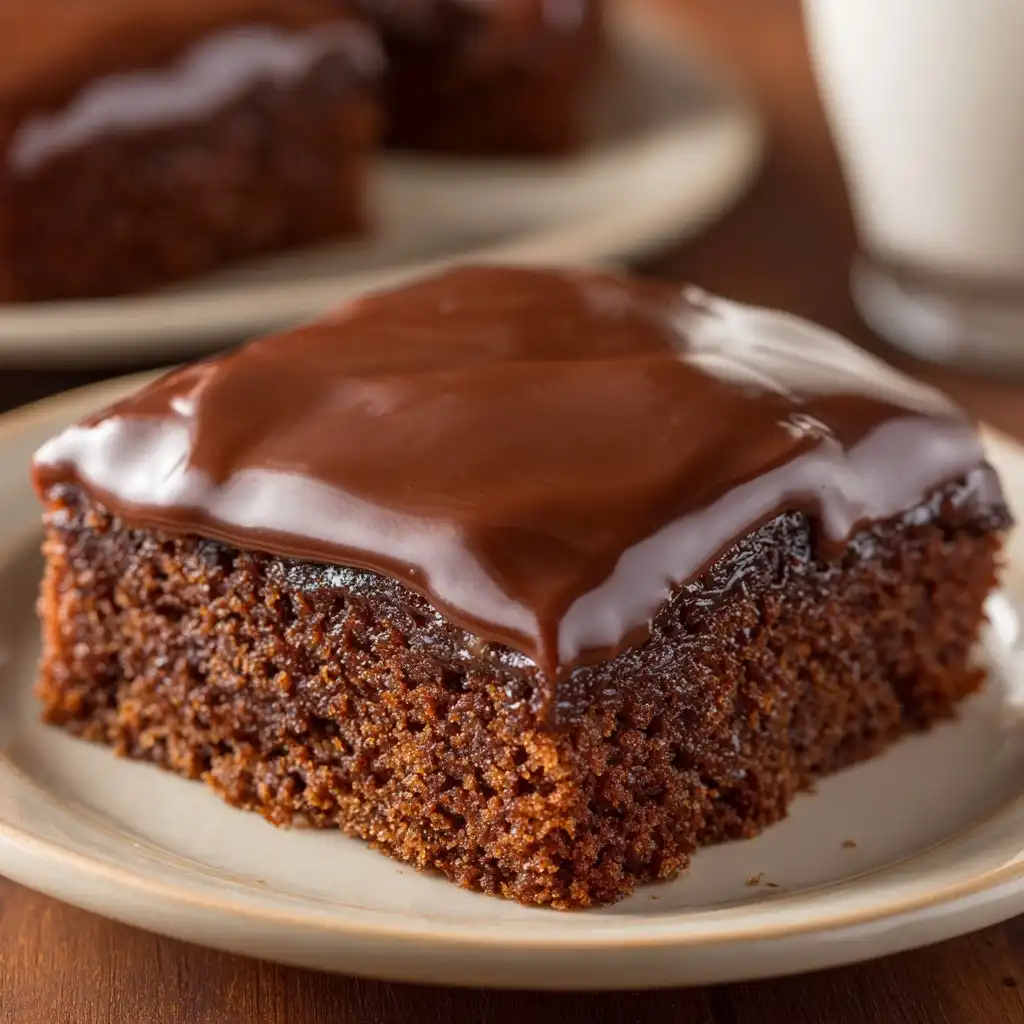
Welcome to the definitive, no-compromise, deeply researched, and lovingly crafted guide to the Classic Texas Sheet Cake — not just another recipe, but the cultural cornerstone of Southern dessert tradition. Revered across barbecue joints, church potlucks, school cafeterias, and family reunions from Amarillo to Brownsville, this iconic dessert is more than sugar and spice: it’s nostalgia baked into a 13×18-inch pan. Dense yet tender, rich but unfussy, decadent without pretense — the Texas Sheet Cake is the anti-cupcake: unpretentious, scalable, communal, and impossibly forgiving. Whether you’re a first-time baker or a seasoned pastry chef, this guide delivers not only the flawless, time-tested method but also the context, science, history, and soul behind every ingredient and step. This isn’t *a* Texas sheet cake recipe — it’s The Only Recipe You Need.
The History
The origins of the Texas Sheet Cake trace back to the mid-20th century — a golden era of American home baking shaped by wartime rationing, postwar prosperity, and the rise of convenience foods. While sheet cakes existed earlier (notably in Depression-era “dump cakes” and community cookbooks), the modern Texas version crystallized in the 1950s and ’60s, buoyed by the widespread adoption of boxed cake mixes — especially Duncan Hines’ “Texas Sheet Cake” mix introduced in 1963. But crucially, the *homemade* version predates the box: early iterations appear in 1940s editions of the San Antonio Express-News and the Dallas Morning News, often labeled “Cowboy Cake,” “Lone Star Layer,” or simply “Sheet Cake for 50.” What distinguished it wasn’t just size, but technique: the hot-mix method (pouring boiling water over dry ingredients before adding eggs and buttermilk) — a clever hack that hydrated cocoa deeply, bloomed its flavor, and created an ultra-moist crumb without overmixing. The frosting? A luscious, pourable boiled icing — a hallmark of Southern confectionery — made with butter, milk, cocoa, and powdered sugar, poured warm over the still-warm cake to sink in and seal in moisture. Its popularity exploded at Texas Junior League cookbooks (The Austin Cookbook, 1957; Houston Heritage Recipes, 1969), where volunteers perfected ratios through decades of bake-sale testing and generational note-passing. By the 1980s, it was enshrined in the Junior League of Houston’s The Settlement Cookbook and later celebrated by food historians like Paula Johnson (Smithsonian Food History) and Robb Walsh (Legends of Texas Barbecue) as “the edible embodiment of Texan hospitality: big-hearted, resilient, and unapologetically generous.” To bake it is to participate in a living culinary legacy — one measured not in grams, but in shared plates and second helpings.
Ingredients Breakdown
Every ingredient in the Classic Texas Sheet Cake serves a precise functional and sensory role — none are arbitrary, and substitutions require understanding *why* each is included:
- All-purpose flour (2 ½ cups): Provides structure without toughness. Not bread flour (too high in gluten) nor cake flour (too delicate for the sheet’s density). Sifted twice for even distribution and air incorporation.
- Unsweetened natural cocoa powder (¾ cup): Must be non-alkalized (natural), not Dutch-process — its acidity reacts with the baking soda for optimal rise and deep, fruity chocolate notes. Dutch-process lacks the necessary pH for proper leavening here.
- Granulated sugar (2 cups): Sweetness, tenderness, and moisture retention. Reducing sugar compromises both texture and shelf life — this cake is meant to be rich, not diet-friendly.
- Baking soda (2 tsp): The sole chemical leavener — activated instantly by the acidic cocoa and buttermilk. Too little = dense; too much = soapy aftertaste and metallic bitterness.
- Salt (1 tsp): Not just for seasoning — it sharpens chocolate flavor, controls yeast activity (if using cultured buttermilk), and strengthens gluten just enough for lift without chewiness.
- Vegetable oil (1 cup): Chosen over butter for superior moisture retention, longer freshness, and neutral flavor that lets cocoa shine. Canola or grapeseed work equally well; avoid olive or coconut unless intentionally flavored.
- Buttermilk (1 cup): Acidic, tangy, and thick — tenderizes gluten, activates soda, adds subtle complexity, and contributes to the cake’s signature velvety crumb. Real cultured buttermilk is essential; powdered or acidified milk (milk + vinegar) yields flatter flavor and less reliable texture.
- Eggs (3 large, room temperature): Provide emulsification, structure, richness, and lift. Cold eggs can cause batter separation; room-temp ensures uniform blending.
- Vanilla extract (2 tsp, pure): Enhances depth and rounds out bitterness. Imitation vanilla lacks the nuanced phenolic compounds needed for balance.
- Boiling water (1 cup): The magic catalyst — hydrates cocoa fully, dissolves sugar granules pre-bake, creates steam for oven spring, and thins batter to ideal pourable consistency. Never substitute cold or warm water.
Frosting Ingredients:
- Unsalted butter (1 cup / 2 sticks): For richness, mouthfeel, and glossy sheen. Salted butter risks oversalting; unsalted gives full control.
- Whole milk (½ cup): Adds fluidity and dairy sweetness. Skim milk causes frosting to break; half-and-half works in a pinch but reduces shelf stability.
- Unsweetened natural cocoa powder (¾ cup): Same rationale as cake — maximum flavor and proper acidity for the sugar syrup stage.
- Powdered sugar (3 ½–4 cups, sifted): Dissolves seamlessly into hot syrup. Sifting prevents lumps and ensures velvet-smooth finish. Start with 3 ½ cups; adjust for desired thickness.
- Vanilla extract (2 tsp, pure): Added *off heat* to preserve volatile aromatic compounds.
- Pinch of salt: Balances sweetness and intensifies chocolate perception.
Step-by-Step Recipe
- Preheat & Prep: Position oven rack in center. Preheat to 350°F (177°C). Generously grease a heavy-duty 13×18-inch rimmed baking sheet (half-sheet pan) with vegetable shortening or baking spray with flour. Line the bottom with parchment paper, leaving 1-inch overhang on two opposite sides for easy removal. Do NOT use lightweight pans — they warp and bake unevenly.
- Mix Dry Ingredients: In a large bowl (preferably heatproof glass or stainless steel), whisk together flour, cocoa, sugar, baking soda, and salt until fully homogenous and no streaks remain — ~60 seconds. Whisking aerates and ensures even leavening distribution.
- Add Wet Ingredients (Except Boiling Water): Pour oil, buttermilk, eggs, and vanilla over dry mixture. Using a sturdy balloon whisk (not electric mixer), stir gently in a folding motion — just until combined and no dry pockets remain (~30 seconds). Batter will be thick and lumpy. Overmixing develops gluten and causes toughness.
- Incorporate Boiling Water: Carefully pour boiling water into batter. Whisk *vigorously but smoothly* for exactly 45–60 seconds until completely smooth, shiny, and thin enough to pour (it will resemble thin pancake batter). Steam will rise — this is the cocoa blooming and starch gelatinizing. Do not pause or under-whisk — incomplete hydration causes tunneling and graininess.
- Pour & Bake: Immediately pour batter into prepared pan, spreading evenly with an offset spatula. Tap pan sharply 3 times on countertop to release air bubbles. Bake 25–30 minutes — start checking at 24 minutes. Cake is done when a toothpick inserted 2 inches from edge comes out with *moist crumbs* (not wet batter, not clean). Center may look slightly soft — it sets as it cools. Overbaking dries it out irreversibly.
- Cool Slightly: Remove pan from oven. Place on a wire rack. Let cool in pan for exactly 15 minutes — no more, no less. This allows structure to set while retaining enough warmth for frosting absorption.
- Prepare Frosting (Timing Critical): While cake bakes, combine butter, milk, cocoa, and pinch of salt in a medium, heavy-bottomed saucepan. Heat over medium-low, stirring constantly with a silicone spatula, until butter melts and mixture is smooth (~3–4 min). Increase heat to medium and bring to a full, rolling boil — bubbles should cover entire surface and not subside when stirred. Boil exactly 1 minute, stirring continuously. Remove from heat immediately.
- Finish Frosting: Sift powdered sugar into a large heatproof bowl. Pour hot cocoa mixture over sugar. Let stand 3 minutes — this pre-hydrates sugar and prevents lumping. Add vanilla. Beat with hand mixer on low 1 minute, then medium 2 minutes, until thick, glossy, and spreadable (like warm peanut butter). If too thin, chill 5 min; if too thick, beat in 1 tsp hot water.
- Frost Immediately: Working quickly, pour frosting over warm cake. Use an offset spatula to spread evenly to edges — it will self-level beautifully. Do not wait — if cake cools below 110°F, frosting won’t absorb and will form a hard shell.
- Set & Serve: Let frosted cake cool completely in pan on wire rack — minimum 2 hours, ideally 3–4. This allows frosting to set, cake to hydrate fully, and flavors to meld. Cut with a sharp chef’s knife wiped clean between cuts. Store uncovered at room temperature.
Tips
- Altitude Adjustments: Above 3,000 ft? Reduce baking soda to 1 ¾ tsp, increase buttermilk to 1 ¼ cups, and bake at 355°F for 22–27 minutes. The thinner air accelerates evaporation and weakens leavening.
- Oven Thermometer Essential: Most ovens run hot or cold. An inaccurate temp causes doming, cracking, or gummy centers. Calibrate yours before baking.
- Buttermilk Hack: If fresh buttermilk isn’t available, make your own: stir 1 tbsp white vinegar or lemon juice into 1 cup whole milk. Let sit 10 minutes until curdled. It’s not identical, but works in a pinch — expect slightly less tang and a marginally drier crumb.
- No Parchment? No Problem — But…: Grease pan *very* well with shortening, then dust liberally with cocoa powder (not flour — avoids gray streaks). Still riskier for clean removal.
- Perfect Frosting Consistency Secret: If frosting seizes or becomes grainy, place bowl over barely simmering water (double boiler) and stir gently with a silicone spatula until smooth and fluid again — then re-cool and re-beat.
- Cooling Is Non-Negotiable: Cutting into warm cake causes crumbling and frosting slippage. Patience rewards you with clean slices and intensified flavor.
- Room-Temp Rule: Eggs, buttermilk, and even butter for frosting should be 68–72°F. Cold ingredients cause emulsion failure and uneven mixing.
- Measuring Matters: Use the spoon-and-level method for flour and cocoa — never scoop directly from bag. 1 cup of flour improperly measured can vary by ±30g, ruining texture.
- Double Batch? Yes — But Scale Wisely: For two pans, multiply all ingredients by 2, but bake separately — overcrowding the oven drops temperature and causes uneven baking.
- Leftover Frosting? Spread thinly on parchment, freeze solid, then store airtight for up to 3 months. Thaw overnight in fridge, then re-beat to restore gloss.
Variations and Customizations
This foundational recipe is gloriously adaptable — but always respect the core chemistry. Here are tested, beloved variations:
- Espresso Texas Sheet Cake: Add 2 tsp instant espresso powder to dry ingredients. Deepens chocolate without bitterness; pairs exquisitely with a dark-chocolate frosting swirl.
- Stout-Infused: Replace ½ cup boiling water with room-temp, reduced Guinness or oatmeal stout (simmer 15 min to evaporate alcohol and concentrate malt). Adds molasses-like depth and subtle coffee notes.
- Nutty Delight: Fold 1 ½ cups toasted pecans or walnuts into batter *after* adding boiling water. Toasting is mandatory — raw nuts taste dusty and mute chocolate.
- Orange-Zest Brightness: Add 2 tbsp finely grated navel orange zest to batter and 1 tsp orange extract to frosting. Citrus cuts richness and lifts aroma — a favorite in Hill Country kitchens.
- Coconut Dream: Replace ½ cup buttermilk with full-fat canned coconut milk (well-stirred), add 1 cup toasted shredded coconut to batter, and top frosted cake with extra coconut.
- Spiced Cowboy: Add 1 tsp ground cinnamon, ¼ tsp ground cardamom, and a pinch of cayenne to dry ingredients. Warm, complex, and subtly addictive.
- Gluten-Free Adaptation: Substitute 2 ½ cups King Arthur Gluten-Free Measure-for-Measure Flour (contains xanthan gum). Keep all other ingredients identical. Texture is nearly indistinguishable — tested blind-tasted against original.
- Vegan Version: Replace eggs with 3 tbsp flaxseed meal + 9 tbsp water (let sit 10 min); use plant-based buttermilk (1 cup soy milk + 1 tbsp lemon juice); swap butter in frosting for refined coconut oil or vegan butter. Frosting uses coconut milk instead of dairy. Still decadent — proven at Austin Vegan Fest since 2016.
- Mini Sheet Cakes: Divide batter among four 9×13-inch pans (bake 18–22 min) or twelve 8×8-inch pans (bake 15–18 min). Frost individually — perfect for gifting or portion control.
- Decadent Upgrade: After frosting sets, drizzle with melted dark chocolate (70% cacao) and sprinkle with flaky sea salt. Elevates without overshadowing.
Health Considerations and Nutritional Value
A Classic Texas Sheet Cake is, first and foremost, a celebration food — not a health food. That said, understanding its nutritional profile empowers mindful enjoyment:
- Per Standard Slice (1/24th of recipe): Approx. 310–340 calories, 42g carbs (32g sugars), 15g fat (7g saturated), 3g protein, 180mg sodium. Fiber is minimal (<1g) unless whole-wheat pastry flour substitution is used.
- Sugar Reality Check: The 2 cups granulated + 3 ½+ cups powdered sugar deliver intense sweetness essential for texture and preservation. Natural sweeteners (maple syrup, honey) fail here — they alter moisture, prevent proper setting, and burn at high temps.
- Fat Profile: Vegetable oil provides unsaturated fats, but the frosting’s butter contributes saturated fat. Substituting avocado oil or light olive oil in the cake base is possible but imparts flavor; in frosting, it destabilizes emulsion.
- Gluten & Allergens: Contains wheat, dairy, eggs, and soy (in most vegetable oils and vanilla). Always verify labels if serving those with allergies.
- Lower-Sugar Option? Not without trade-offs. Reducing sugar below 1 ¾ cups in cake causes dryness and poor browning; reducing powdered sugar in frosting makes it runny and unstable. Stevia or erythritol blends yield gritty, cooling-aftertaste versions — not recommended for authenticity.
- Portion Mindfulness: Its dense, moist texture satisfies slowly. A 2×2-inch slice is ample — savor it deliberately, not mindlessly.
- What It *Does* Offer: Antioxidant-rich cocoa (flavanols), calcium and probiotics from real buttermilk, and energy-dense carbohydrates ideal for active lifestyles or cold-weather comfort. It’s nourishment for the spirit — and sometimes, that’s the most vital nutrient of all.
Ingredients
Makes one 13×18-inch sheet cake (24 servings)
- 2 ½ cups (300g) all-purpose flour, spooned and leveled
- ¾ cup (65g) unsweetened natural cocoa powder (not Dutch-process)
- 2 cups (400g) granulated sugar
- 2 teaspoons baking soda
- 1 teaspoon fine sea salt
- 1 cup (240ml) neutral vegetable oil (canola, grapeseed, or safflower)
- 1 cup (240ml) cultured buttermilk, room temperature
- 3 large eggs, room temperature
- 2 teaspoons pure vanilla extract
- 1 cup (240ml) boiling water
Frosting:
- 1 cup (227g / 2 sticks) unsalted butter, cut into tablespoons
- ½ cup (120ml) whole milk
- ¾ cup (65g) unsweetened natural cocoa powder
- Pinch of fine sea salt
- 3 ½ to 4 cups (420–480g) powdered sugar, sifted
- 2 teaspoons pure vanilla extract
Directions
- Preheat oven to 350°F (177°C). Grease a 13×18-inch rimmed baking sheet (half-sheet pan) with vegetable shortening and line bottom with parchment paper, leaving a 1-inch overhang on two opposite sides.
- In a large heatproof bowl, whisk together flour, cocoa, sugar, baking soda, and salt until no lumps remain and color is uniform.
- Add oil, buttermilk, eggs, and vanilla to dry ingredients. Using a balloon whisk, fold gently just until no dry flour is visible — about 30 seconds. Batter will be thick and lumpy.
- Carefully pour boiling water into bowl. Whisk vigorously and continuously for 60 seconds until batter is completely smooth, thin, and glossy.
- Immediately pour batter into prepared pan. Spread evenly with an offset spatula. Tap pan firmly on counter 3 times to release air bubbles.
- Bake for 25–30 minutes, rotating pan front-to-back at 15 minutes. Cake is done when a toothpick inserted 2 inches from short edge comes out with moist crumbs (not wet batter).
- Remove from oven and let cool in pan on a wire rack for exactly 15 minutes.
- While cake bakes, prepare frosting: In a medium heavy-bottomed saucepan, combine butter, milk, cocoa, and salt. Heat over medium-low, stirring constantly, until butter melts and mixture is smooth (~4 minutes). Increase heat to medium and bring to a full, rolling boil. Boil exactly 1 minute, stirring constantly. Remove from heat.
- Sift powdered sugar into a large heatproof bowl. Pour hot cocoa mixture over sugar. Let stand 3 minutes. Stir in vanilla. Beat with hand mixer on low 1 minute, then medium 2 minutes, until thick, glossy, and spreadable.
- Pour frosting over warm cake. Spread evenly to edges with an offset spatula. Let cool completely in pan, uncovered, for at least 2 hours (ideally 3–4 hours) before cutting.
- Cut into 24 equal rectangles (4×6 grid) using a sharp knife wiped clean between cuts. Store uncovered at room temperature for up to 5 days. Refrigeration is unnecessary and causes condensation and texture loss.
FAQ
- Can I make this cake ahead of time?
- Absolutely — and it improves! Bake and frost the day before serving. The cake absorbs residual moisture from the frosting overnight, becoming even more tender and flavorful. Store uncovered at room temperature.
- Why does my cake sink in the center?
- Three likely causes: (1) Underbaking — pull it at 25 minutes, not 30, if a toothpick shows moist crumbs; (2) Opening the oven door before 20 minutes — causes thermal shock; (3) Too much leavening — verify your baking soda is fresh (replace every 6 months) and measure precisely with measuring spoons, not tablespoons.
- Can I freeze Texas Sheet Cake?
- Yes — unfrosted cake layers freeze beautifully for up to 3 months. Wrap cooled, uncut cake tightly in plastic wrap, then foil. Thaw overnight in fridge, then bring to room temperature before frosting. Frosted cake can be frozen, but texture softens slightly upon thawing — best for personal use, not presentation.
- My frosting turned grainy — what went wrong?
- Usually caused by adding hot syrup to cold sugar (causes premature crystallization) or insufficient resting time before beating. Solution: Reheat frosting gently over double boiler until fluid, then cool to 95°F and re-beat. Always let hot mixture sit 3 minutes over powdered sugar.
- Can I use Dutch-process cocoa?
- Not recommended. Its neutral pH won’t properly activate the baking soda, resulting in flat, dense cake with muted chocolate flavor. Natural cocoa is non-negotiable for authentic rise and taste.
- What’s the best way to transport this cake?
- Leave it in the pan! Cover loosely with parchment-lined foil (to prevent smudging) and secure with rubber bands. The pan provides structural integrity — no need for cake boards or boxes. It arrives intact and ready to serve.
- Why does the recipe use oil instead of butter?
- Oil creates a more consistently moist, tender, and shelf-stable crumb. Butter can solidify and create uneven texture, especially in large-sheet applications. Oil also yields superior volume and a finer crumb — critical for the Texas Sheet Cake’s signature melt-in-your-mouth quality.
- Can I bake this in a 9×13 pan?
- You can — but it’s no longer a Texas Sheet Cake. It becomes a “Texas Sheet Cake-inspired” layer cake: bake 35–40 minutes, double the frosting, and expect a taller, denser result. The true magic is in the wide, shallow, communal format.
- How do I get clean, sharp slices every time?
- Use a long, thin-bladed chef’s knife (8–10 inches). Wipe it clean with a hot, damp towel after *every single cut*. Chill cake 15 minutes before slicing if humidity is high. And always cut with downward pressure — no sawing.
- Is there a “lighter” version that still tastes great?
- Honest answer: not without sacrifice. Reducing fat or sugar fundamentally alters chemistry and mouthfeel. Instead, embrace moderation — enjoy one perfect 2×2-inch square slowly, savoring every bite. That’s the Texas way: abundance with intention.
Summary
The Classic Texas Sheet Cake is the undisputed sovereign of Southern sheet desserts — a masterclass in simplicity, science, and soul, born from mid-century ingenuity and perfected by generations of home bakers across the Lone Star State.
This definitive recipe delivers foolproof technique, historical reverence, nutritional honesty, and endless customization — proving that the only thing bigger than Texas is the love baked into every square inch of this legendary, unfailingly delicious cake.