
Introduction
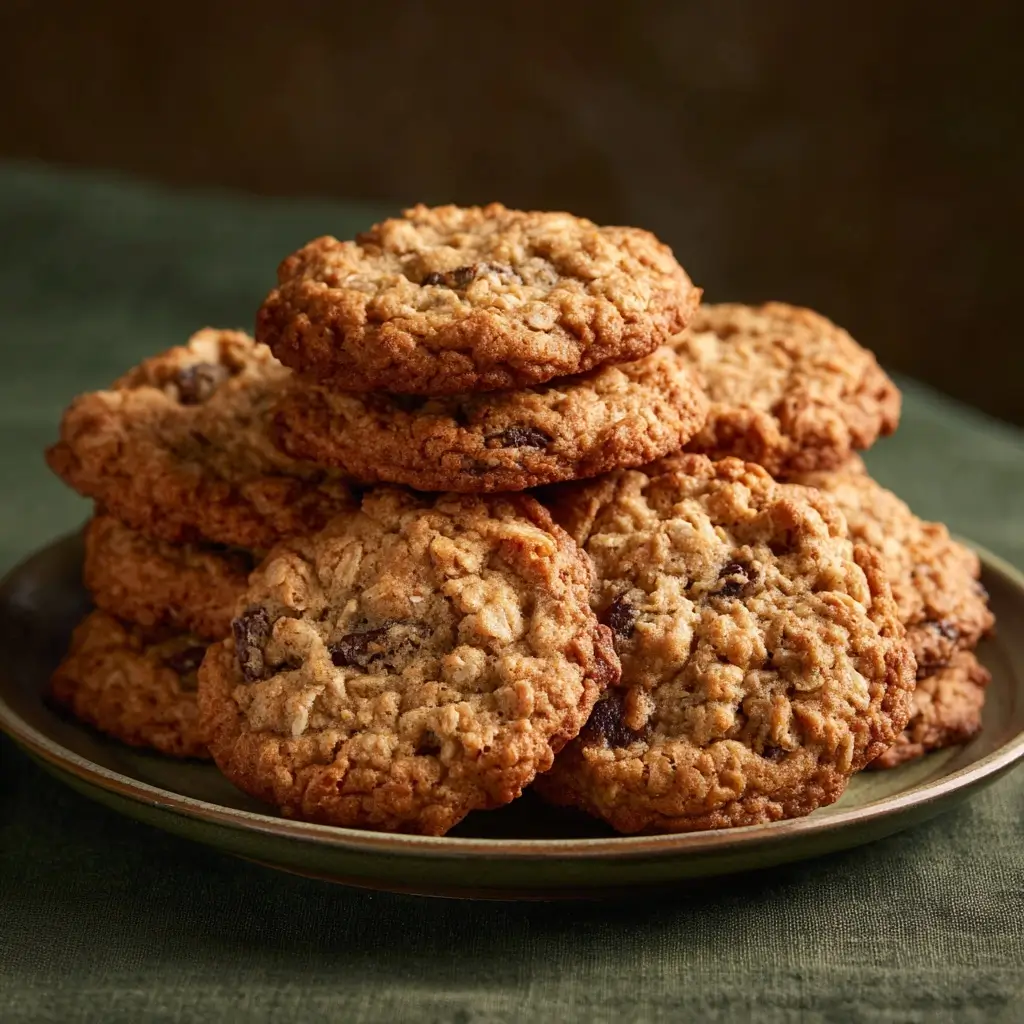
There’s something incredibly comforting about the aroma of freshly baked oatmeal cookies wafting through the house. Crispy on the edges, chewy in the center, and packed with wholesome ingredients, bakery-style oatmeal cookies bring a nostalgic warmth to any kitchen. These aren’t your average store-bought treats—they’re made with care, loaded with texture, and designed to rival the best cookies from artisan bakeries. Whether you’re baking for a family gathering, afternoon tea, or simply treating yourself, this recipe delivers a rich, satisfying cookie that’s both homey and indulgent. With golden browned edges, a soft interior, and bursts of flavor from mix-ins like raisins, chocolate chips, or nuts, these cookies are perfect for all occasions—holiday trays, lunchbox surprises, or weekend baking adventures.
The History
Oatmeal cookies have deep roots in culinary tradition, tracing back to early American and British home cooking practices where oats were a staple grain. In the 18th and 19th centuries, oats were commonly used in porridges and baked goods due to their availability and nutritional value. The first known printed recipe for oatmeal cookies appeared in the United States in the early 20th century, as home economists began experimenting with ways to incorporate rolled oats into sweet treats. By the 1930s, oatmeal cookies gained popularity alongside the rise of packaged ingredients like brown sugar and shortening, making them easier to prepare at home. The addition of raisins became standard in many recipes, inspired by frugal use of pantry staples during the Great Depression. Over time, variations emerged—adding chocolate chips, nuts, coconut, and spices—transforming the humble oatmeal cookie into a beloved classic found in bakeries, cafes, and homes across the world. Today, the bakery-style version is celebrated for its thick, chewy texture, golden caramelization, and generous mix-ins that echo professional confectionery craftsmanship.
Ingredients Breakdown
To achieve that signature bakery-style texture and flavor, each ingredient plays a crucial role:
- All-purpose flour: Provides structure and helps create a tender yet sturdy cookie base. A slight increase in flour compared to traditional recipes adds thickness.
- Old-fashioned rolled oats: The star of the show. These offer a hearty chew and nutty flavor. Avoid instant oats, as they can make the cookies mushy.
- Unsalted butter: Used for richness and depth. Softened properly, it creams well with sugars to create air pockets for a light texture. Browned butter can be substituted for an even deeper, nuttier profile.
- Brown sugar (light and dark): Dark brown sugar contributes moisture and molasses notes, enhancing chewiness and caramel-like flavor. Light brown sugar balances sweetness without overpowering.
- Granulated sugar: Adds sweetness and aids in browning and slight crispness around the edges.
- Eggs: Bind the ingredients together and add moisture. Large eggs are ideal for proper emulsification.
- Vanilla extract: Enhances overall flavor with warm, aromatic notes. Pure extract is preferred over imitation for superior taste.
- Baking soda: Acts as a leavening agent, helping the cookies rise slightly and develop cracks that caramelize during baking.
- Ground cinnamon: A classic spice that complements the earthiness of oats and sweetness of the dough. Can be adjusted or enhanced with nutmeg or cloves.
- Salt: Balances sweetness and enhances other flavors. Use fine sea salt or kosher salt for even distribution.
- Mix-ins (raisins, chocolate chips, chopped nuts, dried cranberries, etc.): Customize based on preference. Raisins soaked in warm water or rum plump up for juicier bites, while semi-sweet chocolate chips melt slightly for gooey pockets.
Step-by-Step Recipe
- Preheat and Prep: Preheat your oven to 350°F (175°C). Line two large baking sheets with parchment paper or silicone baking mats to prevent sticking and ensure even browning.
- Cream Butter and Sugars: In a large mixing bowl, beat 1 cup (2 sticks) of softened unsalted butter with ¾ cup packed dark brown sugar, ½ cup light brown sugar, and ¼ cup granulated sugar using a hand mixer or stand mixer on medium speed until light and fluffy (about 3–4 minutes). This step incorporates air for a soft texture.
- Add Eggs and Vanilla: Beat in 2 large eggs one at a time, mixing well after each addition. Stir in 2 teaspoons of pure vanilla extract until fully combined.
- Dry Ingredients: In a separate bowl, whisk together 1 cup all-purpose flour, 1 teaspoon baking soda, 1 teaspoon ground cinnamon, and ½ teaspoon salt. Gradually add this mixture to the wet ingredients, mixing on low speed just until incorporated. Do not overmix.
- Incorporate Oats: Stir in 3 cups of old-fashioned rolled oats using a wooden spoon or spatula. Mix until evenly distributed.
- Add Mix-Ins: Fold in 1½ cups of your chosen add-ins—such as raisins, chocolate chips, or chopped walnuts. For extra decadence, use a combination (e.g., ¾ cup chocolate chips + ¾ cup raisins).
- Chill the Dough (Optional but Recommended): Cover the bowl and refrigerate the dough for at least 30 minutes (up to 48 hours). Chilling prevents excessive spreading, intensifies flavor, and results in thicker, chewier cookies.
- Scoop and Shape: Use a cookie scoop or tablespoon to portion dough into balls (about 3 tablespoons each). Roll them tall rather than flat for maximum height. Place dough balls at least 2 inches apart on prepared baking sheets.
- Bake: Bake one sheet at a time in the center rack for 11–13 minutes, or until edges are golden brown and centers appear set but still soft. The cookies will continue to firm up as they cool.
- Cool and Serve: Let cookies rest on the baking sheet for 5 minutes before transferring to a wire rack to cool completely. This allows them to finish setting without breaking.
Tips
- Use Room-Temperature Ingredients: Ensure butter and eggs are at room temperature to promote even mixing and a smooth batter.
- Don’t Overbake: Remove cookies when centers look slightly underdone—they’ll firm up upon cooling. Overbaked cookies lose their chew.
- Brown the Butter: For a richer, toasty flavor, brown the butter before creaming. Cool it slightly before using.
- Measure Flour Correctly: Spoon flour into your measuring cup and level off—don’t scoop directly from the bag, which compacts it and leads to dry cookies.
- High-Quality Vanilla: Invest in pure vanilla extract or even homemade vanilla bean paste for superior aroma.
- Uniform Sizing: Use a #20 or #16 cookie scoop for consistent size and even baking.
- Bake One Sheet at a Time: Ensures even heat distribution and prevents uneven browning.
- Rotate the Pan Halfway: If your oven has hot spots, rotate the baking sheet 180 degrees midway through baking.
- Let Them Rest: Allow cookies to cool on the pan briefly so they hold their shape when moved.
- Store Properly: Keep cooled cookies in an airtight container at room temperature for up to 5 days. Add a slice of bread to maintain softness.
Variations and Customizations
One of the greatest strengths of oatmeal cookies is their versatility. Here are some creative twists:
- Chocolate Lover’s: Swap raisins for 1½ cups of dark, milk, or white chocolate chips. Add chunks for melty bursts.
- Nutty Delight: Fold in ¾ cup chopped pecans, walnuts, or almonds for crunch and richness.
- Fruity Twist: Replace raisins with dried cranberries, cherries, apricots, or diced dates. Soak in orange juice or rum for extra plumpness.
- Coconut Bliss: Add ¾ cup shredded coconut (sweetened or unsweetened) for tropical flair.
- Peanut Butter Swirl: Mix ½ cup creamy peanut butter into the wet ingredients or swirl into each dough ball before baking.
- Double Chocolate Oatmeal: Add ⅓ cup cocoa powder to the dry ingredients and use chocolate chips for double-chocolate decadence.
- Spiced Oatmeal: Boost warmth with additional spices—¼ tsp nutmeg, ¼ tsp ginger, or a pinch of cloves.
- Gluten-Free Version: Substitute all-purpose flour with a 1:1 gluten-free baking blend and ensure oats are certified gluten-free.
- Vegan Option: Use plant-based butter, flax eggs (2 tbsp ground flaxseed + 5 tbsp water), and dairy-free chocolate chips.
- Protein-Packed: Stir in ¼–½ cup unflavored or vanilla protein powder and reduce flour accordingly.
- Sea Salt Finish: Sprinkle a pinch of flaky sea salt on top of each cookie right after baking for gourmet appeal.
- Stuffed Cookies: Create a pocket in the dough ball and fill with a square of chocolate, a marshmallow, or a date-nut filling.
Health Considerations and Nutritional Value
While delicious, oatmeal cookies are moderately high in sugar and fat, but they also offer some nutritional benefits:
- Oats: A good source of soluble fiber, particularly beta-glucan, which supports heart health and helps regulate blood sugar levels.
- Complex Carbohydrates: Oats provide sustained energy release, making these cookies more filling than refined-sugar snacks.
- Antioxidants: Oats contain avenanthramides, unique antioxidants linked to reduced inflammation and improved circulation.
- Customizable for Health: Reduce sugar by 25%, use coconut oil instead of butter, or add chia seeds and flax for omega-3s.
- Portion Control: Due to calorie density (approx. 180–220 calories per cookie), enjoy in moderation.
- Dietary Modifications: Easily adapted for gluten-free, vegan, or lower-sugar diets with ingredient swaps.
- Watch Added Sugars: Commercial versions often contain high amounts; homemade allows control over sugar content.
- Balanced Indulgence: Pair with milk, yogurt, or fruit for a balanced snack. Best enjoyed as part of a varied diet.
Ingredients
- 1 cup (2 sticks / 226g) unsalted butter, softened
- ¾ cup (165g) packed dark brown sugar
- ½ cup (100g) packed light brown sugar
- ¼ cup (50g) granulated sugar
- 2 large eggs, room temperature
- 2 teaspoons pure vanilla extract
- 1 cup (120g) all-purpose flour
- 3 cups (270g) old-fashioned rolled oats
- 1 teaspoon baking soda
- 1 teaspoon ground cinnamon
- ½ teaspoon salt
- 1½ cups (270g) mix-ins (e.g., raisins, chocolate chips, chopped nuts)
Directions
- Preheat oven to 350°F (175°C). Line baking sheets with parchment paper.
- In a large bowl, cream together butter and sugars (dark brown, light brown, and granulated) until light and fluffy (3–4 minutes).
- Beat in eggs one at a time, then stir in vanilla extract.
- In another bowl, whisk flour, baking soda, cinnamon, and salt.
- Gradually add dry ingredients to wet mixture, mixing on low until just combined.
- Stir in rolled oats until evenly incorporated.
- Fold in your choice of mix-ins (raisins, chocolate chips, etc.).
- (Optional) Chill dough for 30 minutes to 2 hours for thicker cookies.
- Roll dough into 3-tablespoon-sized balls and place 2 inches apart on baking sheets.
- Bake for 11–13 minutes, or until edges are golden and centers are set.
- Cool on baking sheet for 5 minutes, then transfer to a wire rack to cool completely.
- Store in an airtight container for up to 5 days or freeze for longer storage.
FAQ
Can I freeze oatmeal cookie dough?
Yes! Scoop the dough into balls and freeze on a tray. Once solid, transfer to a freezer bag. Bake straight from frozen—add 1–2 minutes to baking time.
Why are my oatmeal cookies flat?
Possible causes: butter too soft, dough not chilled, too little flour, or expired baking soda. Always measure flour correctly and chill dough for thicker cookies.
Can I use quick oats instead of old-fashioned oats?
You can, but the texture will be less chewy and more compact. Old-fashioned oats are recommended for bakery-style results.
How do I make softer, chewier cookies?
Use more brown sugar, chill the dough, slightly underbake, and store with a piece of bread to retain moisture.
Are oatmeal cookies healthy?
They contain whole grains and fiber, but are still treats due to sugar and fat. Homemade versions allow healthier modifications.
Can I make these gluten-free?
Absolutely. Use certified gluten-free oats and a 1:1 gluten-free flour blend.
Do oatmeal cookies need to be refrigerated?
No. Store at room temperature in an airtight container. They can be frozen for up to 3 months.
Can I double the recipe?
Yes, this recipe scales well. Just ensure your mixer can handle the volume and bake in batches to avoid overcrowding.
Summary (in two lines)
Bakery-style oatmeal cookies are thick, chewy, and bursting with flavor—perfectly golden at the edges and soft in the center, just like your favorite café treat. Easy to customize and ideal for any occasion, they’re a timeless homemade delight that brings comfort in every bite.