
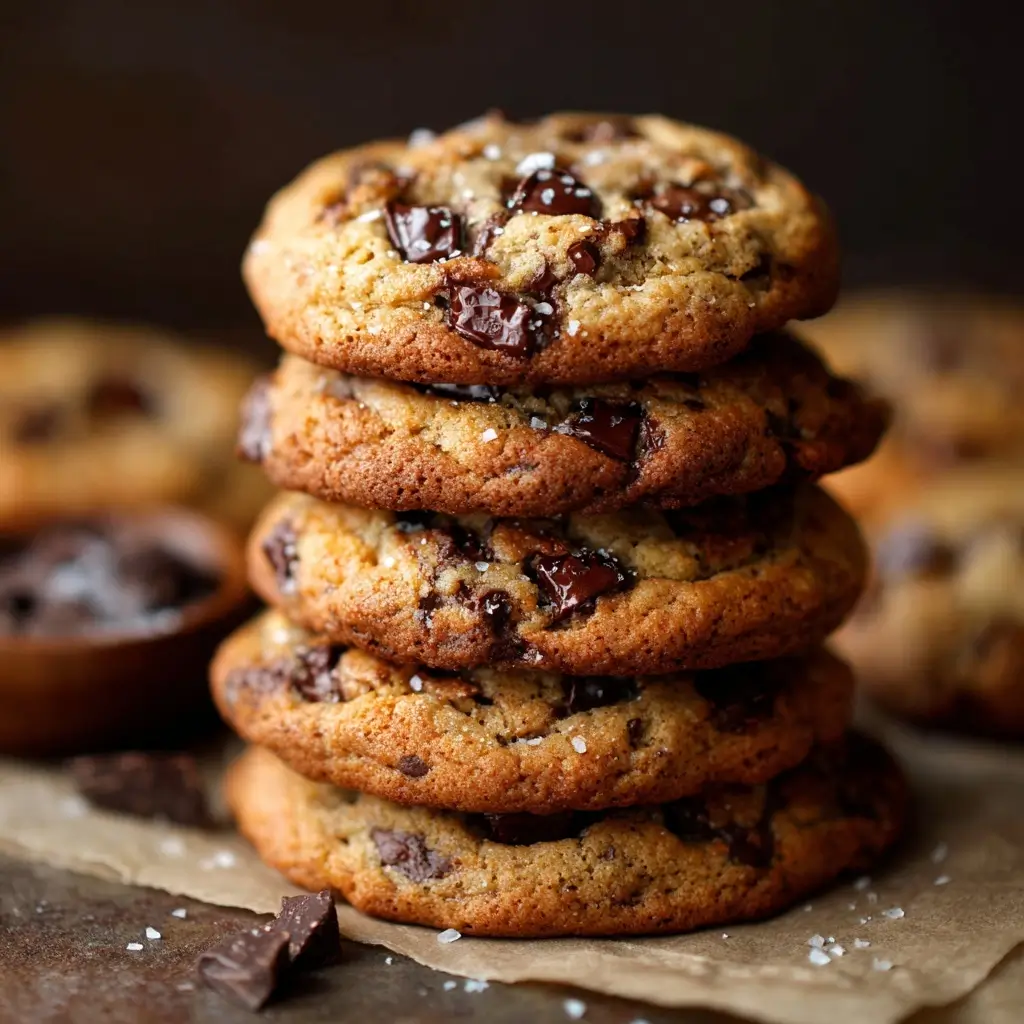
Bakery-Style Chocolate Chip Cookies: The Ultimate Guide
There’s nothing quite like sinking your teeth into a warm, soft, and chewy bakery-style chocolate chip cookie. With their thick, pillowy centers, golden-brown edges, and generous pockets of melted chocolate, these cookies are the epitome of comfort in dessert form. Whether you’re baking for a special occasion or simply craving something sweet, mastering the art of the perfect bakery-style chocolate chip cookie is a skill every home baker should have. In this comprehensive guide, we’ll dive deep into everything you need to know—from the rich history behind the beloved treat to a foolproof recipe that guarantees restaurant-quality results every time.
The History of the Chocolate Chip Cookie
The story of the chocolate chip cookie is as iconic as the cookie itself. It all began in the 1930s at the Toll House Inn in Whitman, Massachusetts, where Ruth Wakefield, the inn’s owner and chef, was experimenting with her butter drop cookie recipe. Legend has it that she ran out of baker’s chocolate while preparing a batch and decided to substitute it with broken pieces of a Nestlé semi-sweet chocolate bar, expecting the chocolate to melt evenly throughout the dough. To her surprise, the chunks held their shape, creating a speckled, melty delight that guests immediately fell in love with.
Nestlé eventually struck a deal with Ruth to print her recipe on their chocolate bars, and thus, the Toll House Chocolate Chip Cookie was born. Over the decades, the cookie evolved from a humble kitchen experiment into a cultural phenomenon, gracing lunchboxes, bake sales, and dessert menus across America. Bakery-style versions—thicker, softer, and more decadent than their home-baked counterparts—emerged in cafes and gourmet shops, inspiring bakers everywhere to replicate that professional texture and flavor at home.
Ingredients Breakdown: What Makes These Cookies So Special?
The magic of a true bakery-style chocolate chip cookie lies in the careful selection and balance of ingredients. Unlike standard recipes, which may prioritize simplicity, our version uses high-quality components to achieve maximum flavor, texture, and visual appeal. Here’s a detailed look at each ingredient and its role:
- All-Purpose Flour: Provides the structural foundation. We use a precise measurement (spooned and leveled) to prevent dryness. Bread flour can be substituted for a chewier texture.
- Baking Soda: Acts as a leavening agent, helping the cookies rise slightly and spread just enough to create those signature ruffled edges.
- Salt: Enhances overall flavor and balances sweetness. We use both fine sea salt in the dough and flaky sea salt on top for a sophisticated finish.
- Unsalted Butter: Crucial for richness and flavor. Using unsalted butter allows control over salt content. It must be softened to room temperature for proper creaming.
- Granulated Sugar: Contributes to sweetness and crispness around the edges. A small portion helps with spreading.
- Brown Sugar (Light or Dark): The star for moisture and chewiness. Brown sugar contains molasses, which attracts moisture and keeps cookies soft for days.
- Vanilla Extract: Adds depth and warmth. Pure vanilla extract is strongly recommended over imitation for superior aroma and taste.
- Egg: Binds the ingredients together and adds structure. One large egg ensures the right consistency without making the cookies cakey.
- Chocolate Chips or Chunks: We recommend a mix of high-quality semi-sweet chocolate chips and chopped dark chocolate bars for varied texture and rich flavor. Some bakers even add milk chocolate for extra sweetness.
- Optional Add-Ins: Flaky sea salt for topping, cornstarch for softness, or a splash of espresso powder to deepen chocolate notes.
Step-by-Step Recipe: How to Make Bakery-Style Chocolate Chip Cookies
Follow these detailed steps to recreate the thick, gooey, bakery-perfect cookies you’ve been dreaming of. This recipe yields approximately 12–16 large cookies, depending on size.
Ingredients
- 2 ¼ cups (280g) all-purpose flour (spooned and leveled)
- 1 teaspoon baking soda
- ½ teaspoon fine sea salt
- 1 cup (2 sticks / 227g) unsalted butter, softened to room temperature
- ¾ cup (150g) granulated sugar
- ¾ cup (165g) packed light or dark brown sugar
- 2 teaspoons pure vanilla extract
- 1 large egg, at room temperature
- 2 cups (340g) semi-sweet chocolate chips and/or chopped chocolate bars
- 1 tablespoon cornstarch (optional, for extra softness)
- Flaky sea salt, for sprinkling (optional)
Directions
- Preheat oven to 350°F (177°C). Line two large baking sheets with parchment paper or silicone baking mats. Set aside.
- In a medium bowl, whisk together the flour, baking soda, cornstarch (if using), and salt. Set aside.
- In the bowl of a stand mixer fitted with the paddle attachment, beat the softened butter on medium speed until creamy, about 1 minute. Add the granulated and brown sugars and beat on medium-high speed until fluffy and light in color, about 2–3 minutes. Scrape down the sides as needed.
- Add the vanilla extract and egg. Beat on medium speed until fully incorporated, about 1 minute. The mixture should be smooth and homogenous.
- Gradually add the dry ingredients to the wet ingredients, mixing on low speed until just combined. Do not overmix.
- Stir in the chocolate chips using a wooden spoon or rubber spatula until evenly distributed.
- Cover the dough and chill for at least 1 hour (up to 72 hours). Chilling is essential for preventing overspreading and enhancing flavor development.
- Scoop the dough using a large cookie scoop (about 3 tablespoons per cookie) and roll into tall, mounded balls. Place them at least 3 inches apart on the prepared baking sheets to allow for spreading.
- Bake one sheet at a time in the center of the preheated oven for 11–13 minutes, or until the edges are lightly golden but the centers still appear soft and underbaked.
- Remove from oven and immediately sprinkle with a pinch of flaky sea salt if desired. Let the cookies cool on the baking sheet for 5 minutes before transferring to a wire rack to cool completely.
- Repeat with remaining dough, allowing baking sheets to cool between batches.
Tips for Perfect Bakery-Style Cookies Every Time
- Chill the dough: This is non-negotiable. Cold dough spreads less and develops richer caramelized flavors through slow baking.
- Use room-temperature butter and eggs: Ensures even mixing and a uniform texture. Cold ingredients can lead to lumpy dough.
- Weigh your flour: For accuracy, use a kitchen scale. Too much flour leads to dry, crumbly cookies.
- Don’t overbake: Remove cookies when they still look slightly underdone in the center. They continue cooking on the hot tray.
- Bake one tray at a time: Oven temperature fluctuates with multiple trays. Baking individually ensures even heat distribution.
- Invest in a cookie scoop: Promotes uniform sizing and professional appearance.
- Let cookies rest on the tray: Cooling for 5 minutes allows them to set without falling apart during transfer.
Variations and Customizations
Once you’ve mastered the classic version, feel free to get creative! Here are some popular twists:
- Double Chocolate: Add ½ cup cocoa powder to the dry ingredients and use dark chocolate chunks.
- Sea Salt & Caramel: Press a small piece of soft caramel into the center of each dough ball before baking.
- Oatmeal Chocolate Chip: Replace 1 cup of flour with old-fashioned oats for a heartier texture.
- Peanut Butter Swirl: Swirl 1 tablespoon of peanut butter into each dough ball before baking.
- White Chocolate Macadamia: Swap semi-sweet chocolate for white chocolate chips and add 1 cup chopped macadamia nuts.
- Espresso Infused: Add 1 teaspoon instant espresso powder to the dry ingredients to intensify chocolate flavor.
- Gluten-Free Version: Use a 1:1 gluten-free flour blend and ensure all other ingredients are certified GF.
- Vegan Option: Substitute butter with vegan margarine, egg with a flax egg (1 tbsp ground flax + 3 tbsp water), and use dairy-free chocolate.
Health Considerations and Nutritional Value
While undeniably indulgent, it’s important to enjoy bakery-style chocolate chip cookies in moderation. Here’s a breakdown of key nutritional aspects:
- Calories: One large cookie (approx. 80g) contains about 300–350 calories, depending on size and ingredients.
- Fats: Primarily from butter and chocolate. Saturated fat content is moderate; consider using reduced-fat butter alternatives if desired (though this may affect texture).
- Sugars: High in added sugars from both granulated and brown sugar. Natural alternatives like coconut sugar can be used but will alter color and spread.
- Carbohydrates: Mainly from flour and sugar. Diabetics should consume sparingly and monitor portion sizes.
- Protein & Fiber: Minimal unless add-ins like oats or nuts are included.
- Allergens: Contains wheat, dairy, eggs, and soy (in most chocolate). Always check labels if baking for those with allergies.
To make slightly healthier versions, consider reducing sugar by 25%, adding whole wheat flour (up to half), or incorporating protein powder. However, note that substitutions may impact texture and shelf life.
Frequently Asked Questions (FAQ)
Why are my cookies flat?
This usually happens due to melted butter, expired baking soda, or skipping the chilling step. Ensure butter is softened—not melted—and always chill the dough.
Can I freeze the cookie dough?
Absolutely! Scoop into balls, freeze solid on a tray, then transfer to a freezer bag. Bake straight from frozen, adding 1–2 minutes to baking time.
How long do these cookies last?
Stored in an airtight container at room temperature, they stay fresh for up to 5 days. Reheat in the microwave for 10 seconds for a fresh-from-the-oven experience.
Can I double the recipe?
Yes, this recipe scales well. Just make sure your mixer can handle the volume, and avoid overcrowding the baking sheets.
What makes bakery cookies so soft?
Professional bakeries often use higher fat ratios, commercial ovens with precise temperature control, and sometimes add a bit of bread flour or cornstarch—all factors replicated in this recipe.
Can I use oil instead of butter?
Not recommended. Butter contributes to both flavor and texture. Oil changes the crumb and prevents proper browning.
Why did my cookies turn out cakey?
Too much flour or too many eggs can cause cakey cookies. Measure carefully and stick to one large egg.
Summary
Bakery-style chocolate chip cookies are thick, soft-centered, and loaded with melty chocolate—just like the ones from your favorite café. With the right ingredients, chilling technique, and attention to detail, you can easily recreate this indulgent treat at home.