
Introduction
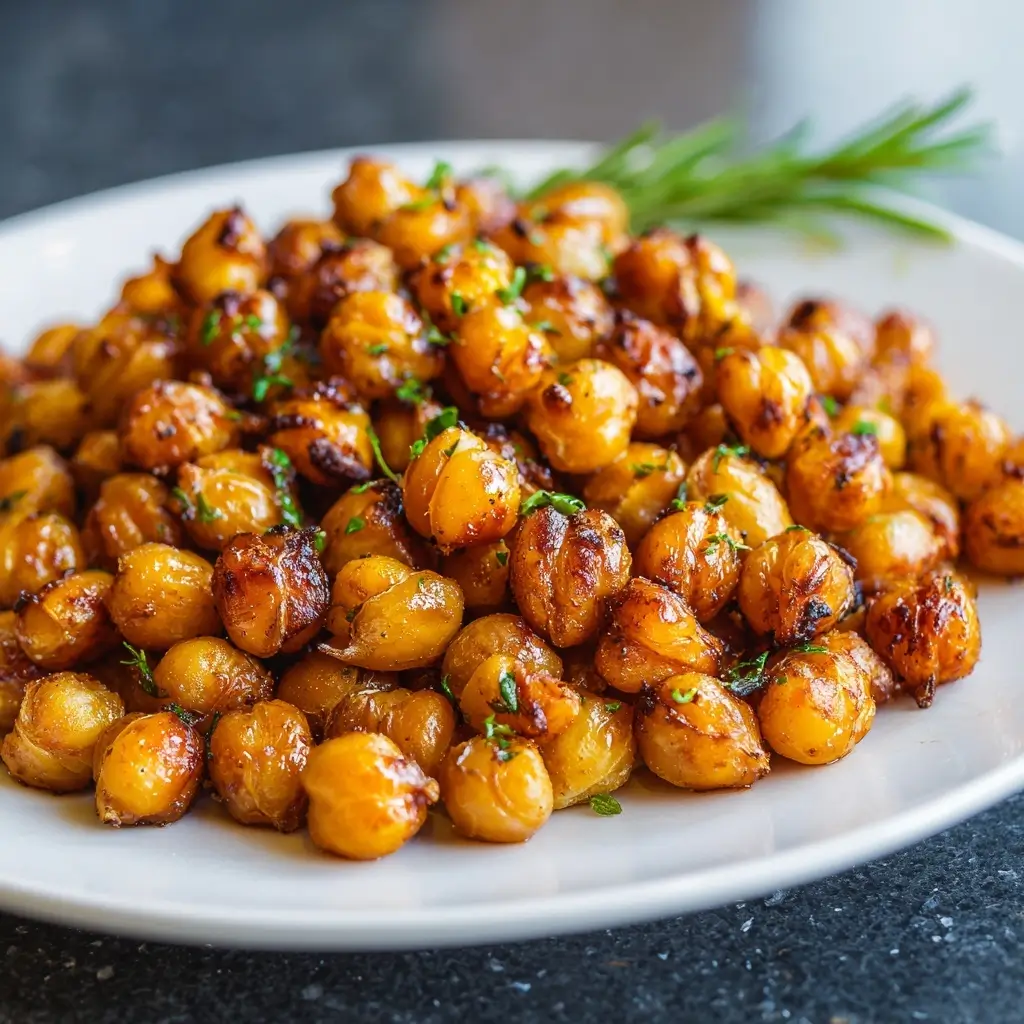
Air fryer chickpeas are a crunchy, flavorful, and nutritionally dense snack that has taken health-conscious kitchens—and busy weeknights—by storm. Unlike traditional deep-fried snacks, air fryer chickpeas deliver that irresistible crispy texture with minimal oil, maximum convenience, and zero guilt. Whether you’re seeking a high-protein plant-based snack, a fiber-rich alternative to chips, or a versatile pantry staple for salads, bowls, and dips, roasted chickpeas made in the air fryer check every box. Their adaptability shines through endless seasoning options, quick cook times (often under 20 minutes), and impressive shelf stability when stored properly. In this comprehensive guide, we’ll explore everything you need to know—from ancient legume roots to modern culinary innovation—to master perfect, consistently crispy air fryer chickpeas every single time.
The History
Chickpeas (Cicer arietinum) are among the oldest cultivated legumes in human history, with archaeological evidence tracing their domestication back over 10,000 years to the Fertile Crescent—modern-day Turkey, Syria, and Iraq. Ancient civilizations—including the Egyptians, Greeks, and Romans—relied on chickpeas as dietary staples due to their resilience, storability, and nutritional completeness. Roasting legumes for preservation and flavor enhancement dates back millennia; early cooks would dry and toast pulses over open flames or hot stones to extend shelf life and intensify nuttiness. In India and the Middle East, roasted chickpeas evolved into beloved street foods: chana masala (spiced stew) often begins with roasted chickpeas, while leblebi—a centuries-old Turkish and Balkan snack—features large-seeded chickpeas slow-roasted until golden and chewy-crisp. The air fryer’s rise in the 2010s revolutionized this tradition: its rapid convection technology mimics deep-frying without submersion in oil, enabling home cooks to achieve restaurant-quality crispness in minutes. Today, air fryer chickpeas represent a joyful fusion of ancestral wisdom and smart kitchen innovation—honoring tradition while embracing efficiency, accessibility, and wellness-oriented cooking.
Ingredients Breakdown
While simple in composition, each ingredient plays a critical functional and sensory role in achieving optimal texture, flavor, and nutritional integrity:
- Chickpeas (Canned or Cooked Dried): The foundation. Canned chickpeas offer unparalleled convenience but must be thoroughly rinsed and dried to eliminate excess moisture and sodium. For superior texture control, home-cooked dried chickpeas—soaked overnight and simmered until just tender (not mushy)—provide firmer structure and less surface starch, resulting in crisper roasting. Always opt for low-sodium or no-salt-added canned varieties when possible.
- High-Heat Oil (Avocado, Grapeseed, or Light Olive Oil): A small amount (½–1 tsp per 15 oz can) is essential—not for frying, but for facilitating Maillard browning and helping spices adhere. These oils boast smoke points above 400°F, ensuring stability during high-temperature air frying without burning or off-flavors.
- Sea Salt or Flaky Finishing Salt: Enhances natural sweetness and balances earthiness. Kosher or flaky sea salt applied post-roast preserves delicate crunch better than fine table salt added pre-roast, which can draw out moisture.
- Dried Herbs & Spices (e.g., smoked paprika, cumin, garlic powder, onion powder, turmeric, chili flakes, curry powder, za’atar): Provide depth, aroma, and complexity. Ground spices adhere best when tossed with oil first; whole spices (like cumin seeds) benefit from brief toasting in a dry pan before mixing in.
- Acidic Finishers (Optional but Recommended): A light mist of lemon juice, apple cider vinegar, or sumac sprinkled immediately after roasting adds brightness, cuts richness, and enhances perceived freshness—especially in savory or smoky profiles.
- Sweet Additions (For Sweet Variations): Pure maple syrup, coconut sugar, or date paste add caramelization potential—but require careful timing (added in last 3–5 minutes) to prevent burning. Pair with warming spices like cinnamon, ginger, cardamom, or star anise.
Pro Tip: Avoid wet marinades or yogurt-based coatings—they trap steam and inhibit crisping. Dry rubs + minimal oil = golden success.
Step-by-Step Recipe
- Prep the Chickpeas (20–30 minutes, mostly hands-off): Drain and rinse 1 (15 oz) can of chickpeas in a fine-mesh strainer. Spread them evenly on several layers of paper towels or a clean kitchen towel. Pat *vigorously*—removing every trace of surface moisture is non-negotiable. For extra-dry results, let them air-dry uncovered at room temperature for 15–30 minutes, or gently roll them between two towels to “buff” off skins (optional but highly effective for ultra-crisp texture).
- Season Thoughtfully: In a medium bowl, combine chickpeas with ¾ tsp high-heat oil. Use your fingers or a silicone spatula to coat evenly—no pooling, no dry spots. Sprinkle with ¼ tsp fine sea salt and your chosen spice blend (e.g., ½ tsp smoked paprika + ¼ tsp garlic powder + ¼ tsp cumin). Toss gently but thoroughly until uniformly coated. Avoid adding acidic or sweet elements at this stage.
- Preheat the Air Fryer (Critical Step): Set air fryer to 390°F (200°C) and preheat for 3–5 minutes. Preheating ensures immediate surface dehydration upon loading—key for preventing steaming and encouraging rapid crisping.
- Air Fry in Batches (for Even Results): Place chickpeas in a *single layer* in the air fryer basket—never pile them. Overcrowding creates steam pockets and leads to uneven browning. For most standard 3.5–5 qt air fryers, 1 can fits comfortably in one batch. If doubling, roast in separate batches.
- Roast with Strategic Shaking: Cook at 390°F for 12–18 minutes total, depending on desired crispness and your appliance’s power. At the 6-minute mark, pause, carefully shake the basket (or use tongs to stir), then return. Repeat shaking at 10 and 14 minutes. Watch closely after minute 12—chickpeas go from perfectly golden to burnt rapidly.
- Test for Doneness: Remove one chickpea and let cool 10 seconds. It should be firm, hollow-sounding when tapped, and yield a satisfying *snap* when bitten—not leathery or chalky. If soft or chewy, return for 1–2 more minutes.
- Finish & Cool Completely: Immediately transfer roasted chickpeas to a wire rack or parchment-lined plate (never a sealed container). Sprinkle with flaky salt and/or a light mist of lemon juice or vinegar. Let cool *fully* (15–20 minutes) before tasting—this final cooling completes the crisping process via residual heat and moisture migration.
Tips
- Dryness is Everything: Moisture is the #1 enemy of crispiness. If chickpeas feel even slightly damp after patting, extend air-drying time—or bake at 200°F for 10 minutes pre-air-frying.
- Skin Removal Magic: Gently rub dried chickpeas between your palms or in a clean kitchen towel. Up to 80% of loose skins will detach—removing them eliminates chewy patches and exposes more surface area for browning.
- Temperature > Time: Higher heat (385–400°F) for shorter duration yields crispier results than lower temps for longer. Most failures stem from underheating.
- Basket Liners Are Not Your Friend: Parchment or silicone liners block airflow and trap steam. Use the bare basket only—or a perforated air fryer liner specifically designed for convection flow.
- Rotate for Consistency: If your air fryer has hot spots (common in drawer-style models), rotate the basket 180° halfway through cooking.
- No Peeking Too Early: Resist opening before the 6-minute shake—each opening drops internal temperature dramatically and extends cook time.
- Cool Before Storing: Never seal warm chickpeas in a jar or bag—they’ll sweat and turn soggy within hours. Store only when completely cool and crisp.
- Revive Soggy Chickpeas: If they lose crunch, re-air-fry at 375°F for 3–4 minutes—no oil needed.
- Batch Size Matters: Smaller batches (¾ can) roast faster and more evenly than full cans—ideal for testing new seasonings.
- Track Your Settings: Keep a sticky note on your air fryer listing ideal times/temps for your specific model and common variations (e.g., “Smoky Spice: 390°F × 14 min, shake at 6/10/14”).
Variations and Customizations
The versatility of air fryer chickpeas is virtually limitless—here’s a curated list of globally inspired, dietary-friendly, and creatively unexpected twists:
- Mediterranean Lemon-Herb: Toss with ½ tsp dried oregano, ¼ tsp thyme, zest of ½ lemon (added post-roast), and flaky sea salt. Finish with microplaned lemon zest and chopped fresh parsley.
- Spicy Harissa: Blend 1 tsp harissa paste with oil before coating. Add a pinch of ground coriander and cayenne. Serve with tzatziki for dipping.
- Umami Bomb: Combine ½ tsp white miso paste (dissolved in oil), ¼ tsp onion powder, ⅛ tsp MSG (optional but transformative), and toasted sesame seeds added in last 2 minutes.
- Everything Bagel: Coat with 1 tsp everything bagel seasoning + ¼ tsp garlic powder. Optional: mist with toasted sesame oil post-roast.
- Curry Coconut: Mix ¾ tsp Madras curry powder, 1 tbsp unsweetened shredded coconut (added last 3 minutes), and a pinch of ground ginger.
- Maple-Cinnamon Crunch: Whisk 1 tsp pure maple syrup + ½ tsp cinnamon + pinch of nutmeg into oil. Roast 15 min, then toss with 1 tsp coconut sugar and return 2–3 min until caramelized.
- Black Garlic & Balsamic: Infuse oil with 1 crushed black garlic clove (remove before tossing). Post-roast, spritz with aged balsamic glaze and flaky salt.
- Wasabi-Sesame: Blend ¼ tsp wasabi powder + 1 tsp toasted sesame oil + ½ tsp tamari. Add 1 tsp black and white sesame seeds in final 2 minutes.
- Chocolate-Dusted (Sweet/Savory): Toss cooled chickpeas with 1 tsp melted dark chocolate (85% cacao) and ¼ tsp flaky salt. Chill 5 minutes to set.
- Keto-Friendly Ranch: Use avocado oil, ranch seasoning (check for sugar-free), and add 1 tsp nutritional yeast for cheesy depth and B-vitamin boost.
- Smoky Chipotle-Lime: ½ tsp chipotle powder + ¼ tsp lime zest (pre-roast) + generous lime juice mist post-roast + cilantro.
- Indian Chaat-Style: Toss with chaat masala, amchur (dry mango powder), and a dusting of pomegranate arils after cooling.
Pro Tip: Label storage containers with date *and* seasoning type—flavors evolve over time (e.g., citrus notes fade by day 3; smoky notes deepen).
Health Considerations and Nutritional Value
A ½-cup (75g) serving of plain air-fried chickpeas (no added sugar or excessive oil) delivers approximately:
- Calories: 130–150 kcal
- Protein: 7–8g (complete plant protein with all 9 essential amino acids)
- Fiber: 6–7g (≈25% of daily value—supports gut microbiota diversity and satiety)
- Complex Carbs: 22g (low glycemic index ~28, making them diabetes-friendly when portion-controlled)
- Key Micronutrients: Iron (15% DV), Folate (25% DV), Magnesium (12% DV), Zinc (10% DV), and B6 (10% DV)
- Phytonutrients: Saponins (anti-inflammatory), polyphenols (antioxidant), and resistant starch (feeds beneficial gut bacteria)
Health Advantages vs. Common Snacks: Compared to potato chips (150 kcal, 0g fiber, 10g fat), air fryer chickpeas offer 6x more fiber, 2x more protein, and 30–50% less fat—with no acrylamide formation (a carcinogen produced in high-starch foods fried above 248°F). Unlike store-bought “roasted chickpeas,” which often contain palm oil, maltodextrin, and hidden sugars, homemade versions let you control sodium (<100mg/serving vs. 250–400mg commercially) and avoid ultra-processed additives.
Considerations & Modifications:
- For IBS or Sensitive Digestion: Start with ¼ cup servings and pair with fennel or ginger tea. Opt for peeled chickpeas (lower oligosaccharides) and introduce gradually.
- Sodium-Conscious Diets: Rinse canned chickpeas thoroughly (removes up to 40% sodium) and use only ⅛ tsp salt—or skip entirely and rely on umami spices (nutritional yeast, mushroom powder).
- Low-FODMAP Adaptation: Limit to ¼ cup per serving (Monash University certified low-FODMAP at this portion); avoid garlic/onion powder—substitute chives or asafoetida (hing).
- Kid-Friendly Tweaks: Reduce spice heat, add mild cheese powder, or coat lightly with honey + cinnamon (bake instead of air-fry for safer caramelization).
- Vegan & Gluten-Free Assurance: Naturally compliant—just verify spice blends are certified GF and free from dairy-derived additives (e.g., some “natural flavors”).
Emerging research also links regular chickpea consumption to improved LDL cholesterol, stabilized blood pressure, and enhanced insulin sensitivity—making these crunchy bites a true functional food.
Ingredients
- 1 (15 oz) can low-sodium chickpeas, drained and rinsed
- ¾ teaspoon high-heat oil (avocado, grapeseed, or light olive oil)
- ¼ teaspoon fine sea salt (plus flaky salt for finishing)
- 1 teaspoon smoked paprika
- ½ teaspoon ground cumin
- ½ teaspoon garlic powder
- ¼ teaspoon onion powder
- Lemon juice or apple cider vinegar, for finishing (optional)
- Fresh herbs (parsley, cilantro), for garnish (optional)
Directions
- Drain and rinse chickpeas thoroughly in a fine-mesh strainer. Transfer to several layers of paper towels or a clean kitchen towel. Pat *extremely dry*, rolling gently to remove loose skins if desired. Let air-dry 15 minutes for maximum crispness.
- In a medium bowl, whisk together oil, fine salt, smoked paprika, cumin, garlic powder, and onion powder. Add chickpeas and toss until evenly coated—no dry or oily patches remain.
- Preheat air fryer to 390°F (200°C) for 5 minutes.
- Arrange chickpeas in a single layer in the air fryer basket. Do not overcrowd.
- Air fry at 390°F for 12–18 minutes, shaking the basket vigorously at 6, 10, and 14 minutes. Monitor closely after 12 minutes—chickpeas darken quickly.
- When golden-brown, hollow-sounding, and crisp (test one cooled for 10 seconds), immediately transfer to a wire rack. Sprinkle with flaky salt and a light mist of lemon juice or vinegar. Cool completely (15–20 min) before storing or serving.
- Store in an airtight container at room temperature for up to 1 week. For extended crispness, add a silica gel packet or 1–2 dry rice grains to absorb ambient moisture.
FAQ
- Why are my air fryer chickpeas not crispy?
- Most commonly: insufficient drying, overcrowded basket, too-low temperature, or premature sealing while warm. Ensure chickpeas are bone-dry before oiling, use high heat (390°F+), roast in a single layer, and cool fully before storing.
- Can I use dried chickpeas instead of canned?
- Absolutely—and recommended for superior texture. Soak ½ cup dried chickpeas overnight, then simmer in unsalted water for 45–60 minutes until *just* tender (not soft). Drain, dry thoroughly, and proceed. They yield ~1½ cups cooked—perfect for one batch.
- How do I prevent burning?
- Set a timer for 12 minutes, then check every 60–90 seconds. Smaller chickpeas roast faster; larger ones may need 16–18 minutes. If your air fryer runs hot, reduce temp to 375°F and add 1–2 minutes.
- Are air fryer chickpeas gluten-free?
- Yes—chickpeas are naturally gluten-free. Just verify all spices and seasonings are certified GF (some blends contain wheat starch or maltodextrin from barley).
- Can I freeze them?
- Not recommended—the texture turns leathery upon thawing. However, unroasted, dried chickpeas store indefinitely in the freezer, ready for future roasting.
- What’s the best way to re-crisp leftovers?
- Air fry at 375°F for 3–4 minutes—no oil needed. Avoid microwaving (makes them rubbery).
- Can I make them in the oven instead?
- Yes: spread on a parchment-lined sheet pan, roast at 425°F for 25–35 minutes, stirring every 10 minutes. Air fryers are significantly faster and more energy-efficient.
- Why do some recipes add cornstarch?
- A light dusting (½ tsp per can) absorbs residual moisture and creates extra crunch—but it’s optional. Skip if avoiding refined starches; thorough drying achieves similar results.
- How many calories are in a serving?
- A standard ½-cup serving contains ~140 calories—most from complex carbs and plant protein, not empty calories.
- Can kids eat them safely?
- Yes—with caution: ensure they’re fully cooled and appropriately sized for age. Supervise toddlers due to choking risk. Offer smaller, softer batches for younger children.
Summary
Air fryer chickpeas are a nutrient-dense, endlessly customizable, and kitchen-effort-efficient snack that bridges ancient legume wisdom with modern appliance innovation—delivering bold flavor, satisfying crunch, and exceptional plant-powered nutrition in under 20 minutes.
By mastering the trifecta of *thorough drying*, *high-heat precision*, and *strategic seasoning*, anyone can transform humble canned beans into a pantry hero that supports digestive health, sustained energy, and culinary creativity—without compromising on taste or texture.