
Introduction
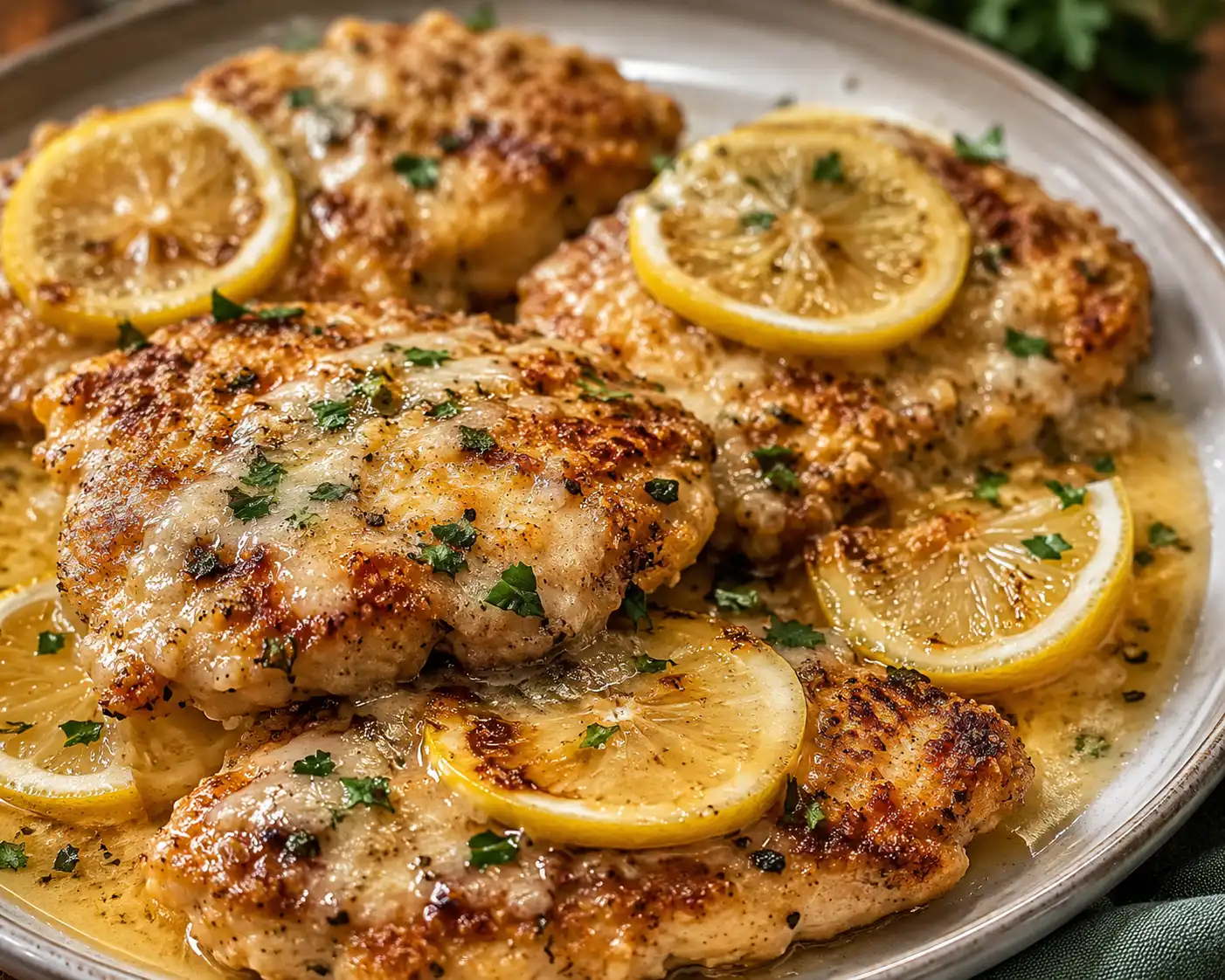
Crave-Worthy Chicken Romano is not just another chicken dish—it’s a bold, savory symphony of golden-crisp poultry, sharp aged Romano cheese, aromatic herbs, and a whisper of garlic that lingers long after the last bite. Designed for home cooks who refuse to settle for “good enough,” this recipe transforms humble boneless, skinless chicken breasts into an elegant yet approachable centerpiece worthy of weeknight dinners, Sunday suppers, or even impressing guests without the stress. What sets it apart is its layered depth: a double-coating technique for maximum crunch, a Romano-forward breading infused with lemon zest and fresh parsley, and a pan-seared finish that locks in juiciness while building a rich, golden-brown crust. It’s comfort food elevated—crispy, cheesy, herbaceous, and unmistakably *memorable*.
The History
Chicken Romano traces its roots to the vibrant fusion kitchens of mid-20th-century Italian-American communities, where resourceful cooks adapted Old World techniques to New World ingredients. While traditional Roman cuisine favors simple preparations like pollo alla cacciatora, the American iteration embraced breading and pan-frying—methods inspired by both Italian scaloppine and Eastern European schnitzel traditions. The addition of Pecorino Romano (not Parmigiano-Reggiano) was intentional: its saltier, more pungent profile cut through richness and stood up to bold seasonings. By the 1970s, Chicken Romano appeared on diner menus across the Northeast, often served over linguine with a light tomato-basil sauce—but our Crave-Worthy version honors its heritage while refining every detail: no soggy breading, no dry chicken, no shy flavor. It’s a modern homage—respectful, rigorous, and relentlessly delicious.
Ingredients Breakdown
Every ingredient in Crave-Worthy Chicken Romano plays a precise, non-negotiable role—no filler, no afterthoughts:
- Chicken Breasts: 4 (6–7 oz each), pounded to an even ½-inch thickness—not only ensures uniform cooking but creates greater surface area for breading adhesion and crisping.
- Pecorino Romano Cheese: Freshly grated from a wedge (not pre-grated). Pre-grated versions contain anti-caking agents that inhibit melting and compromise texture. Its high salt content and lactic tang provide backbone and umami lift.
- Italian-Style Breadcrumbs: A custom blend of panko (for loft and crunch) and fine dried breadcrumbs (for cling and golden color), toasted lightly with olive oil and garlic to deepen nuttiness before mixing.
- Fresh Herbs: Flat-leaf parsley (stems removed, finely minced) adds brightness; a hint of dried oregano lends earthy complexity—balanced so neither overpowers.
- Lemon Zest: Microplaned from unwaxed organic lemons—adds volatile citrus oils that awaken the palate without acidity, cutting through richness.
- Garlic & Shallot: One clove of raw garlic, finely grated (not powdered), plus 1 tbsp minced shallot—sautéed gently in olive oil to mellow sharpness while preserving aroma.
- Egg Wash: Eggs + 2 tbsp whole milk + 1 tsp Dijon mustard (the emulsifier ensures superior breading adherence and golden sheen).
- High-Heat Oil: Avocado oil (smoke point 520°F) for pan-searing—clean flavor, zero bitterness, perfect for achieving deep golden crust without burning.
- Finishing Touch: Flaky sea salt (Maldon) and freshly cracked black pepper applied *after* cooking—preserves delicate salinity and volatile pepper oils.
Step-by-Step Recipe
- Prep the Chicken: Place chicken breasts between two sheets of parchment paper. Using a meat mallet or heavy skillet, pound evenly to ½-inch thickness. Pat *extremely* dry with paper towels—moisture is the enemy of crispness. Season both sides generously with kosher salt and white pepper (milder heat, cleaner flavor than black).
- Make the Romano Breading: In a wide, shallow bowl, combine 1 cup panko, ½ cup fine dried breadcrumbs, ¾ cup freshly grated Pecorino Romano, 3 tbsp minced fresh parsley, 1 tsp lemon zest, ½ tsp dried oregano, ¼ tsp garlic powder, and ¼ tsp onion powder. Whisk thoroughly. Toast mixture in a dry skillet over medium-low heat for 4–5 minutes, stirring constantly, until fragrant and lightly golden. Cool completely.
- Prepare the Aromatic Oil: In a small saucepan, warm 2 tbsp avocado oil over low heat. Add 1 tbsp minced shallot and 1 tsp grated raw garlic. Cook gently for 2 minutes—do not brown. Remove from heat; stir in 1 tsp fresh lemon juice. Let cool to room temperature.
- Set Up Breading Station: Three stations: (1) seasoned flour (½ cup all-purpose + 1 tsp salt), (2) egg wash (2 large eggs + 2 tbsp whole milk + 1 tsp Dijon mustard, whisked until frothy), (3) cooled Romano breading.
- Bread Methodically: Dredge each chicken breast in flour, shaking off excess. Dip fully into egg wash, letting excess drip off. Press firmly into breading—first one side, then flip and press the other—ensuring full, even coverage. Gently shake off loose crumbs. Place on a wire rack set over parchment; refrigerate uncovered for 20 minutes (chilling sets the crust and prevents slippage during searing).
- Pan-Sear to Perfection: Heat ¼ inch avocado oil in a heavy 12-inch stainless steel or cast-iron skillet over medium-high heat until shimmering (350°F—test with a breadcrumb; it should sizzle vigorously). Carefully place chicken in hot oil (do not overcrowd—cook in batches if needed). Press gently with a spatula for first 10 seconds to ensure contact. Cook undisturbed for 5–6 minutes until deeply golden and crust is set. Flip and cook 4–5 more minutes until internal temperature reaches 158°F (it will rise to 165°F while resting).
- Rest & Finish: Transfer chicken to a wire rack (not paper towels—to prevent steaming). Rest 5 minutes. Drizzle with reserved aromatic oil and sprinkle with flaky sea salt and black pepper. Optional: garnish with extra lemon zest and parsley.
Tips
- Dry Chicken is Non-Negotiable: Even 1% surface moisture causes steam instead of sear. Pat twice—once before pounding, once after.
- Chill Before Cooking: That 20-minute rest isn’t optional—it firms the breading, reduces oil splatter, and yields crisper results.
- Skillet Choice Matters: Stainless steel or cast iron provides superior heat retention vs. nonstick, which can’t achieve true Maillard browning at high temps.
- Don’t Crowd the Pan: Overcrowding drops oil temperature, causing greasy, pale chicken. Cook in batches—even if it takes longer.
- Thermometer Required: Visual cues lie. Use an instant-read thermometer inserted horizontally into the thickest part—target 158°F.
- Resting = Juiciness: Cutting too soon releases precious juices. Resting redistributes them evenly throughout the meat.
- Double-Dip for Extra Crunch (Optional): For ultra-gourmet texture, repeat egg wash + breading step after first coating dries slightly.
Variations and Customizations
This recipe is a canvas—adaptable without sacrificing integrity:
- Gluten-Free: Swap all-purpose flour for certified GF rice flour or tapioca starch; use GF panko (like Ian’s or Schar); ensure Romano is GF-certified (some brands use wheat starch).
- Herb-Forward: Add 1 tsp chopped fresh rosemary or thyme to breading; pair with roasted root vegetables and lemon-garlic aioli.
- Spicy Romano: Stir ½ tsp crushed Calabrian chiles or smoked paprika into breading; serve with pickled red onions and arugula salad.
- Creamy Romano Sauce: After removing chicken, deglaze skillet with ¼ cup dry white wine, reduce by half, then whisk in ⅓ cup warmed heavy cream and 2 tbsp grated Romano until silky. Pour over rested chicken.
- Oven-Finish Option: For larger batches, pan-sear chicken until golden on both sides (3 min/side), then transfer to a 400°F oven for 8–10 minutes until done—ideal for hands-off multitasking.
- Grilled Version: Skip breading; marinate pounded chicken in Romano-infused herb oil (1/4 cup oil + ¼ cup grated Romano + herbs + zest) for 30 min. Grill over medium-high heat 4–5 min/side.
- Low-Carb/Keto: Replace breadcrumbs with pulverized pork rinds (1:1 ratio) + Romano + herbs. Use almond flour in dredge step.
Health Considerations and Nutritional Value
Crave-Worthy Chicken Romano balances indulgence with mindful nutrition—without compromising flavor or texture:
- Protein Powerhouse: Each 6-oz serving delivers ~42g high-quality, complete protein—supporting muscle maintenance, satiety, and metabolic health.
- Romano Benefits: Pecorino Romano is naturally low in lactose, rich in calcium (25% DV per ¼ cup), phosphorus, and vitamin B12. Its aging process increases bioactive peptides linked to blood pressure regulation.
- Smart Fat Profile: Avocado oil provides monounsaturated fats (heart-healthy oleic acid) and vitamin E. Total fat per serving: ~22g (6g saturated, primarily from cheese—well within AHA guidelines when consumed in context of balanced diet).
- Sodium Note: At ~480mg sodium per serving (mostly from Romano and seasoning), it fits comfortably within daily limits (<2,300mg) and is significantly lower than restaurant versions (often 1,200mg+).
- No Added Sugars: Unlike many breaded chicken products, this recipe contains zero added sugars—relying on natural sweetness from shallots and lemon zest.
- Digestive Support: Lemon zest contains limonene, shown in studies to support gastric motility; parsley provides chlorophyll and apigenin, antioxidants with anti-inflammatory properties.
- Considerations: For those managing hypertension, opt for low-sodium Romano (available from BelGioioso) or reduce added salt by 25%. Those with dairy sensitivities may substitute nutritional yeast (1:1) for 30% of Romano—but note flavor and browning will differ.
Nutrition Facts (per 6-oz serving, without sides): Calories: 495 | Protein: 42g | Total Fat: 22g (Sat Fat: 6g) | Carbs: 14g (Fiber: 1g, Sugar: 0g) | Sodium: 480mg | Cholesterol: 145mg
Ingredients
- 4 boneless, skinless chicken breasts (6–7 oz each)
- 1 tsp kosher salt, divided
- 1 tsp white pepper, divided
- ½ cup all-purpose flour (or GF rice flour)
- 2 large eggs
- 2 tbsp whole milk
- 1 tsp Dijon mustard
- 1 cup panko breadcrumbs
- ½ cup fine dried breadcrumbs
- ¾ cup freshly grated Pecorino Romano cheese (not pre-grated)
- 3 tbsp fresh flat-leaf parsley, finely minced
- 1 tsp lemon zest (from 1 organic lemon)
- ½ tsp dried oregano
- ¼ tsp garlic powder
- ¼ tsp onion powder
- 2 tbsp avocado oil, divided
- 1 tbsp shallot, finely minced
- 1 tsp garlic, finely grated
- 1 tsp fresh lemon juice
- Flaky sea salt (Maldon), for finishing
- Freshly cracked black pepper, for finishing
- Extra lemon zest and parsley, for garnish
Directions
- Place chicken breasts between two sheets of parchment paper. Pound evenly to ½-inch thickness using a meat mallet or heavy-bottomed skillet. Pat *thoroughly* dry with paper towels. Season both sides with ½ tsp kosher salt and ½ tsp white pepper.
- In a medium skillet over medium-low heat, combine 1 tbsp avocado oil, minced shallot, and grated garlic. Cook gently for 2 minutes—do not brown. Remove from heat; stir in 1 tsp lemon juice. Cool completely.
- In a wide, shallow bowl, combine panko, fine breadcrumbs, Romano, parsley, lemon zest, oregano, garlic powder, and onion powder. Whisk well. Toast in a dry skillet over medium-low heat for 4–5 minutes, stirring constantly, until fragrant and golden. Transfer to a plate to cool completely.
- Set up breading station: Bowl 1—flour + remaining ½ tsp salt; Bowl 2—eggs, milk, and Dijon, whisked until frothy; Bowl 3—cooled Romano breading.
- Dredge each chicken breast in flour, shaking off excess. Dip fully into egg mixture, letting excess drip off. Press firmly into breading, coating both sides evenly. Place on a wire rack over parchment; refrigerate uncovered for 20 minutes.
- Heat remaining 3 tbsp avocado oil in a 12-inch stainless steel or cast-iron skillet over medium-high heat until shimmering (350°F). Carefully add chicken (do not crowd). Press gently for 10 seconds. Cook undisturbed 5–6 minutes until deep golden. Flip; cook 4–5 minutes more until internal temp reaches 158°F.
- Transfer chicken to wire rack. Rest 5 minutes. Drizzle with cooled aromatic oil. Sprinkle with flaky sea salt and black pepper. Garnish with extra lemon zest and parsley.
FAQ
- Can I use Parmesan instead of Romano?
- Technically yes—but Romano’s sharper, saltier profile is essential for balance. Parmesan is milder and sweeter, resulting in less distinctive flavor. If substituting, increase lemon zest by ½ tsp and add ¼ tsp red pepper flakes to compensate.
- Why pound the chicken? Can I skip it?
- Pounding ensures even thickness for consistent cooking (no dry edges, rare centers) *and* increases surface area for optimal breading adhesion and crust formation. Skipping it risks uneven doneness and poor breading retention.
- Can I make this ahead and reheat?
- For best texture, serve immediately. However, cooked chicken can be refrigerated up to 3 days. Reheat in a 400°F oven on a wire rack for 12–15 minutes—never microwave (makes breading rubbery).
- Is there a dairy-free version?
- Yes—with caveats. Replace Romano with ¾ cup nutritional yeast + 1 tbsp coconut aminos (for umami/salt) + 1 tsp white miso paste (for depth). Toast mixture as directed. Flavor shifts toward savory-umami rather than sharp-cheesy, but remains delicious.
- What sides pair best?
- Light, acidic, or texturally contrasting sides shine: lemon-herb orzo, garlicky sautéed spinach, roasted broccoli rabe with chili flakes, or a crisp fennel-apple salad with lemon vinaigrette. Avoid heavy starches that compete.
- Can I air-fry this?
- Air frying works—but yields less crispness. Spray breaded chicken generously with avocado oil spray. Cook at 400°F for 12–14 minutes, flipping halfway, until 165°F. For better results, pre-sear 2 min/side in oil first, then finish in air fryer.
- Why use white pepper instead of black?
- White pepper has milder, earthier heat without the floral, sometimes bitter notes of black pepper—allowing Romano and lemon to dominate. It also blends seamlessly into the breading visually.
Summary
Crave-Worthy Chicken Romano is a masterclass in precision cooking—where every step, from dry-brining and double-toasting breadcrumbs to aromatically infused finishing oil, exists to amplify juiciness, crunch, and bold, balanced flavor.
It’s not just chicken with cheese—it’s an unforgettable intersection of technique, tradition, and taste that transforms Tuesday night into something truly worth craving.