
Introduction
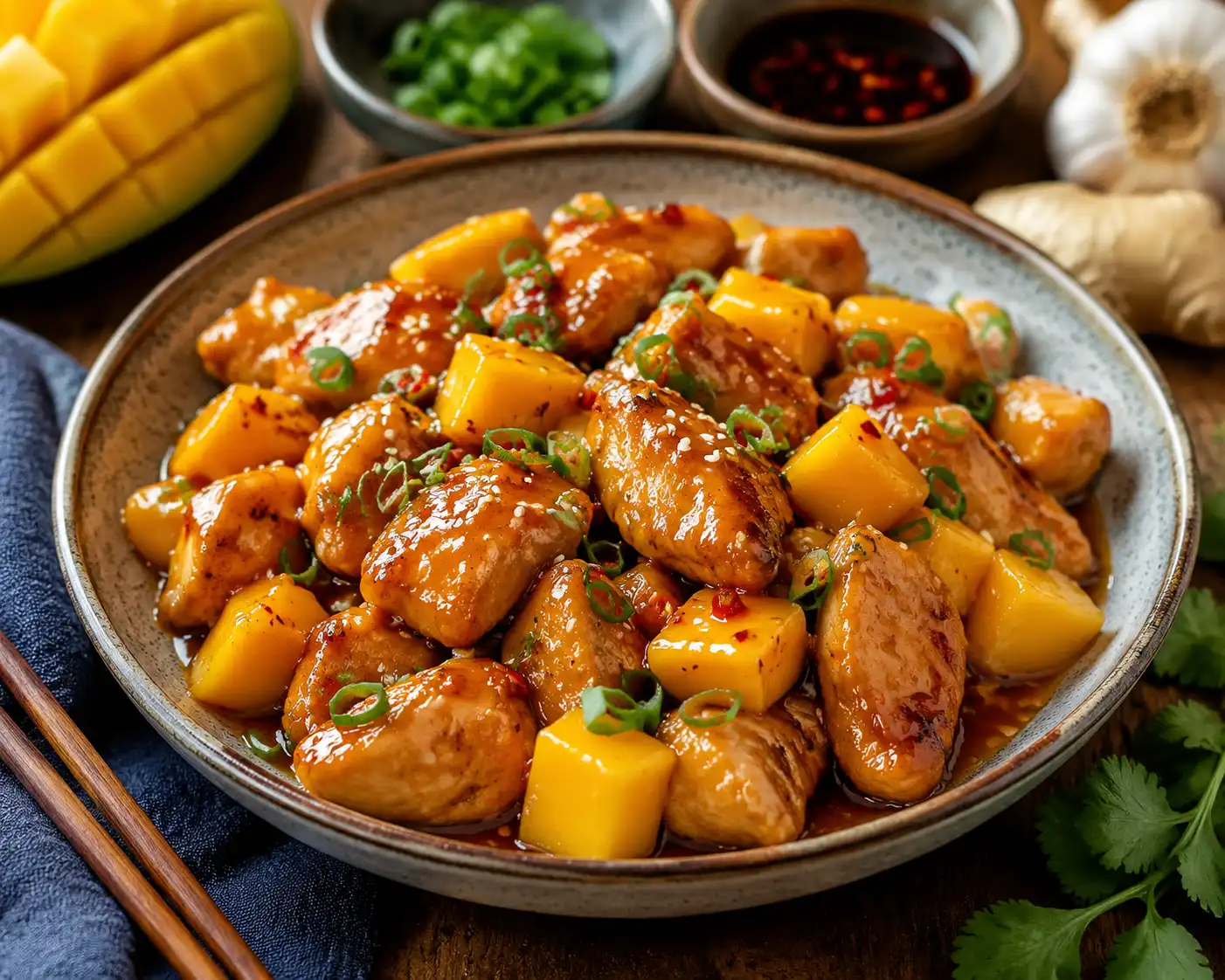
Welcome to a vibrant, flavor-forward twist on weeknight dinner—Savory Asian Mango Glazed Chicken! This dish masterfully bridges the bold umami depth of traditional Asian sauces with the bright, tropical sweetness of ripe mangoes, creating a harmonious balance that delights the palate and satisfies even the most discerning eaters. Whether you’re cooking for a busy family, prepping meals for meal prep Sunday, or hosting an impromptu gathering, this recipe delivers restaurant-quality results in under 30 minutes—with minimal cleanup and maximum impact. Its glossy, caramelized glaze clings beautifully to tender, juicy chicken breasts or thighs, while aromatic garnishes like toasted sesame seeds, fresh cilantro, and thinly sliced scallions add texture, color, and authenticity. More than just a recipe, it’s an invitation to explore global flavors without stepping foot outside your kitchen.
The History
While mangoes have been cultivated in South Asia for over 4,000 years—and hold sacred cultural significance in India, Bangladesh, and the Philippines—the fusion of mango with savory Asian sauces is a relatively modern culinary evolution rooted in cross-cultural exchange. In the mid-to-late 20th century, as Southeast Asian immigrants brought their culinary traditions to North America and Europe, chefs began experimenting with local ingredients to adapt classic dishes for new palates. Mango—a fruit already beloved in Thai, Vietnamese, and Filipino cuisines for chutneys, salads, and desserts—emerged as a natural candidate for sweet-savory applications. Its natural pectin and fructose content make it ideal for glazing, while its acidity cuts through rich proteins like chicken and pork. Early iterations appeared in California-inspired “Pacific Rim” cuisine in the 1980s, championed by chefs like Roy Yamaguchi and Ming Tsai, who emphasized balance, freshness, and regional produce. Today, Savory Asian Mango Glazed Chicken stands as a testament to culinary globalization: honoring centuries-old fermentation techniques (soy sauce, fish sauce), ancient spice knowledge (ginger, garlic, Szechuan peppercorns), and the joyful versatility of a single tropical fruit.
Ingredients Breakdown
Every element in this recipe serves a distinct functional and sensory purpose—no ingredient is arbitrary. Let’s explore the science and soul behind each component:
- Chicken Breast or Thighs: Boneless, skinless chicken breasts offer lean protein and quick cook time, while thighs provide richer flavor, higher fat content (for moisture retention), and greater forgiveness during high-heat searing. Both work beautifully—choose based on dietary preference or availability.
- Ripe Ataulfo (Honey) or Kent Mangoes: These varieties are preferred for their buttery texture, low fiber, and high sugar-to-acid ratio—critical for a smooth, glossy glaze without stringiness. Underripe mangoes lack sweetness and contain excessive starch; overripe ones can ferment and thin the sauce.
- Low-Sodium Soy Sauce: Provides deep umami and saltiness without overwhelming sodium. Tamari or coconut aminos are excellent gluten-free alternatives with nuanced, slightly sweeter profiles.
- Unseasoned Rice Vinegar: Adds brightness and acidity to balance the mango’s sweetness and enhance overall flavor perception. Apple cider vinegar may be substituted but introduces subtle fruity notes that alter the authentic profile.
- Fresh Ginger & Garlic: Grated—not powdered—for volatile aromatic compounds (gingerol and allicin) that deliver pungent warmth and antimicrobial benefits. These compounds are heat-sensitive, so adding them early in the sauce-building process preserves complexity.
- Toasted Sesame Oil: Used strictly as a finishing oil—never for cooking—due to its low smoke point. Its nutty aroma enhances mouthfeel and signals “Asian-inspired” to the brain before the first bite.
- Honey or Pure Maple Syrup: Acts as both sweetener and binder—its natural sugars caramelize during reduction, thickening the glaze and promoting adhesion to the chicken. Honey also contributes subtle floral notes and antimicrobial properties.
- Red Pepper Flakes or Sambal Oelek: Introduces controlled heat via capsaicin, which stimulates saliva production and heightens other flavors. Sambal adds fermented depth and garlicky nuance beyond plain flakes.
- Lime Juice (freshly squeezed): Added at the very end to preserve volatile citrus esters—brightening the entire dish and preventing the glaze from tasting flat or cloying.
- Neutral High-Smoke-Point Oil (e.g., avocado, grapeseed, or refined peanut oil): Essential for achieving golden-brown, non-stick sear on chicken without burning or imparting off-flavors.
Step-by-Step Recipe
- Prep the Protein (5 minutes): Pat chicken pieces *extremely* dry with paper towels—moisture is the enemy of caramelization. Cut into uniform 1.5-inch cubes (for stir-fry style) or leave whole for pan-seared presentation. Season lightly with white pepper and a pinch of sea salt—avoid oversalting before glazing, as soy sauce contributes ample sodium.
- Make the Mango Glaze Base (7 minutes): In a blender or food processor, combine 1 cup peeled, diced ripe mango, ¼ cup low-sodium soy sauce, 2 tbsp rice vinegar, 2 tbsp honey/maple syrup, 1 tbsp freshly grated ginger, 2 minced garlic cloves, ½ tsp red pepper flakes, and 1 tsp toasted sesame oil. Blend until completely smooth—no visible fibers. Strain through a fine-mesh sieve into a small saucepan to ensure silkiness (optional but recommended for restaurant-grade texture).
- Reduce & Refine the Glaze (6–8 minutes): Warm the puree over medium-low heat. Simmer gently—do not boil vigorously—to concentrate flavor and thicken naturally. Stir frequently to prevent scorching. After 6 minutes, whisk in 1 tsp cornstarch slurry (1 tsp cornstarch + 1 tbsp cold water) to achieve a light coat-on-the-back-of-a-spoon consistency. Continue simmering 1–2 more minutes until glossy and viscous. Remove from heat and stir in 1 tbsp fresh lime juice. Set aside ¼ cup for basting; reserve the rest for serving.
- Sear the Chicken (6–8 minutes): Heat 1.5 tbsp neutral oil in a heavy-bottomed stainless steel or cast-iron skillet over medium-high heat until shimmering (approx. 375°F). Add chicken in a single layer—do not crowd. Sear undisturbed for 3–4 minutes until deeply golden and releasing easily from the pan. Flip and cook 2–3 minutes more for breasts (3–4 for thighs) until internal temperature reaches 165°F (breasts) or 175°F (thighs). Transfer to a clean plate; tent loosely with foil.
- Glaze & Finish (3 minutes): Return skillet to medium heat. Pour reserved ¼ cup glaze into hot pan; swirl to coat. Add seared chicken back in, turning gently to coat each piece. Cook 1–2 minutes, spooning glaze over top, until chicken is heated through and glaze forms a sticky, lacquered sheen. Avoid overcooking—residual heat will carry the final few degrees.
- Garnish & Serve Immediately: Transfer to a warmed platter. Drizzle with remaining warm glaze. Scatter with 1 tbsp toasted white sesame seeds, 2 tbsp finely sliced scallion greens, 2 tbsp chopped fresh cilantro, and optional micro shiso or Thai basil leaves for aromatic complexity.
Tips
- Mango Selection Mastery: Look for Ataulfo mangoes—they’re smaller, golden-yellow, and yield slightly to gentle pressure near the stem. Avoid green or overly soft specimens. If unavailable, use ripe Tommy Atkins—but peel thicker and remove more fibrous sections before blending.
- Glaze Consistency Control: Too thin? Simmer longer or add another ½ tsp cornstarch slurry. Too thick? Whisk in 1 tsp warm water or lime juice—never cold liquid, which causes separation.
- No-Stick Sear Secret: Let chicken sit at room temperature for 15 minutes before cooking. A cold protein hitting hot oil steams instead of sears. Also, ensure your pan is fully preheated—test with a drop of water; it should skitter and evaporate instantly.
- Meal Prep Friendly: Prepare glaze up to 5 days ahead—store airtight in fridge. Reheat gently before using. Cooked chicken + glaze reheat beautifully in a covered skillet over low heat with 1 tsp water to refresh moisture.
- Sauce Safety: Never reuse marinade that contacted raw chicken unless boiled vigorously for 3+ minutes to destroy pathogens. Our method avoids marinating—glaze is applied post-cook for safety and optimal texture.
- Texture Contrast Matters: Serve alongside crunchy elements—quick-pickled daikon radish, julienned cucumber ribbons, or roasted edamame—to cut richness and elevate mouthfeel.
- Acid Timing is Critical: Lime juice added *after* cooking preserves its volatile top notes. Adding it earlier dulls brightness and can cause slight curdling in the presence of proteins.
- Rest Before Serving: Let glazed chicken rest 2 minutes off heat—this allows juices to redistribute and glaze to set slightly, preventing drip-off when plated.
Variations and Customizations
This recipe is intentionally designed as a versatile canvas—adaptable to dietary needs, seasonal produce, pantry constraints, and global inspirations:
- Protein Swaps: Try firm tofu (pressed & pan-fried), shrimp (add in last 2 minutes), salmon fillets (skin-on, seared skin-side down first), or tempeh (marinated 15 mins pre-cook). For vegetarians, grilled king oyster mushrooms mimic meaty texture beautifully.
- Gluten-Free Adaptation: Use certified GF tamari or coconut aminos instead of soy sauce. Ensure cornstarch is GF-certified (most are, but verify if sensitive).
- Lower-Sugar Option: Replace honey with 1 tbsp monk fruit syrup + 1 tsp apple butter for body. Reduce mango to ¾ cup and add 1 tbsp unsweetened applesauce for viscosity without added sugar.
- Spice Level Spectrum: Mild—omit pepper flakes, add 1 tsp grated lemongrass. Medium—include flakes. Fiery—add 1 tsp gochujang or ½ tsp ground Sichuan peppercorns for numbing heat.
- Regional Twists: Thai-Inspired: Add 1 tbsp fish sauce + 1 tsp palm sugar + crushed roasted peanuts. Korean-Inspired: Swap rice vinegar for gochugaru-infused vinegar + 1 tsp doenjang (fermented soybean paste). Philippine-Inspired: Stir in 1 tbsp calamansi juice + 1 tsp brown sugar + toasted coconut flakes.
- Grill or Air Fryer Version: Marinate chicken 15 mins in half the glaze (no cornstarch), then grill over medium heat, basting with reserved glaze in final 2 minutes. For air fryer: Cook at 375°F for 12–14 mins (shaking halfway), then toss with warm glaze.
- One-Pan Sheet Bake: Toss chicken and veggies (bell peppers, red onion, snap peas) in 2 tbsp glaze, roast at 425°F for 20–25 mins, then drizzle with remaining glaze and broil 1 minute for caramelization.
- Breakfast Reinvention: Serve warm glazed chicken over coconut milk-infused jasmine rice, topped with a 6-minute jammy egg and pickled mustard greens.
Health Considerations and Nutritional Value
Per serving (based on 4 servings, using 1 lb boneless, skinless chicken breast, 1 large Ataulfo mango, and standard measurements), this dish delivers approximately:
- Calories: 285 kcal
- Protein: 32g (64% DV)—high-quality complete protein supporting muscle synthesis and satiety
- Carbohydrates: 24g (8% DV)—primarily from natural mango sugars and honey, with a glycemic load moderated by fiber, protein, and healthy fats
- Dietary Fiber: 2.1g (8% DV)—from mango pulp, supporting digestive health and microbiome diversity
- Vitamin C: 72mg (80% DV)—immune-supportive antioxidant, enhanced by mango’s bioavailability and synergy with iron in chicken
- Vitamin A (as beta-carotene): 1,250 IU (25% DV)—vital for vision, skin integrity, and cellular repair
- Potassium: 480mg (10% DV)—supports electrolyte balance and cardiovascular function
- Low Sodium: ~420mg (18% DV)—achievable only with low-sodium soy sauce; conventional soy adds >900mg/serving
- Healthy Fats: 5.2g—mostly monounsaturated (from sesame oil) and naturally occurring in chicken skin (if used)
Nutritional Highlights & Functional Benefits:
- Mango Polyphenols: Mangiferin—a xanthone antioxidant—demonstrates anti-inflammatory, neuroprotective, and glucose-regulating properties in clinical studies.
- Gingerol & Shogaol: Bioactive compounds in ginger inhibit COX-2 enzymes (similar to NSAIDs), reducing post-meal inflammation and aiding digestion.
- Soy Isoflavones: Genistein and daidzein in fermented soy products may support hormonal balance and vascular elasticity.
- Lime Limonene: A citrus monoterpene shown to enhance absorption of fat-soluble vitamins (A, E, K) and exhibit chemopreventive activity.
- Considerations: Those managing blood sugar should pair with high-fiber sides (brown rice, quinoa, roasted broccoli) to slow glucose absorption. Individuals with histamine intolerance may wish to reduce or omit fermented components (soy sauce, fish sauce) and opt for coconut aminos.
Ingredients
- 1 lb boneless, skinless chicken breasts or thighs, cut into 1.5-inch pieces
- 1 large ripe Ataulfo (Honey) mango (about 1 cup diced, peeled, and pitted)
- ¼ cup low-sodium soy sauce (or tamari for GF)
- 2 tbsp unseasoned rice vinegar
- 2 tbsp raw honey or pure maple syrup
- 1 tbsp neutral high-smoke-point oil (avocado, grapeseed, or refined peanut)
- 1 tbsp toasted sesame oil (for finishing—NOT cooking)
- 2 tbsp fresh lime juice (plus extra wedges for serving)
- 2 tsp freshly grated ginger (about 1-inch knob)
- 2 garlic cloves, minced
- ½ tsp red pepper flakes (adjust to taste)
- 1 tsp cornstarch mixed with 1 tbsp cold water (slurry)
- ¼ tsp freshly ground white pepper
- Pinch of fine sea salt (optional—taste glaze first)
- For garnish: 1 tbsp toasted white sesame seeds, 2 tbsp thinly sliced scallion greens, 2 tbsp chopped fresh cilantro, lime wedges
Directions
- In a high-speed blender, combine mango, soy sauce, rice vinegar, honey, toasted sesame oil, ginger, garlic, and red pepper flakes. Blend on high for 45–60 seconds until perfectly smooth. Strain through a fine-mesh sieve into a small saucepan, pressing solids with a spatula to extract all liquid. Discard pulp.
- Place saucepan over medium-low heat. Bring mixture to a gentle simmer—not a rolling boil—and cook, stirring frequently, for 6 minutes.
- Whisk cornstarch slurry into warm mango mixture. Continue simmering 1–2 minutes more, stirring constantly, until glaze thickens to a light coating consistency (it should coat the back of a spoon and leave a clear trail when you run your finger through it).
- Remove from heat. Stir in fresh lime juice and set aside ¼ cup for basting. Keep remaining glaze warm in a thermos or covered saucepan.
- Season chicken pieces lightly with white pepper and a tiny pinch of salt if desired. Pat *very* dry with paper towels.
- Heat neutral oil in a large skillet or wok over medium-high heat until shimmering. Add chicken in a single layer. Cook undisturbed 3–4 minutes until deeply golden and easily releases. Flip and cook 2–3 minutes more until cooked through (165°F for breasts, 175°F for thighs). Transfer to a plate; tent with foil.
- Reduce heat to medium. Pour reserved ¼ cup glaze into hot skillet. Swirl to coat. Return chicken to pan, turning to coat evenly. Cook 1–2 minutes, spooning glaze over top, until glossy and heated through.
- Transfer chicken to serving platter. Drizzle generously with remaining warm glaze. Garnish immediately with sesame seeds, scallions, cilantro, and lime wedges. Serve hot alongside steamed jasmine rice, soba noodles, or crisp Asian slaw.
FAQ
- Can I use frozen mango?
- Yes—but thaw completely and drain excess liquid before blending. Frozen mango often contains added sugar or citric acid, so taste glaze before adjusting seasoning. Fresh is preferred for superior texture and brightness.
- Why does my glaze separate or look oily?
- Overheating toasted sesame oil or adding it too early causes emulsion breakdown. Always add it *before* heating the base, and never boil the finished glaze. If separation occurs, whisk vigorously off-heat or blend briefly with 1 tsp cold water.
- How do I prevent the chicken from drying out?
- Three keys: 1) Don’t overcook—use a meat thermometer, 2) Brine chicken 15 minutes in 1 cup water + 1 tsp salt before patting dry, or 3) Use thighs—they contain more intramuscular fat and collagen, yielding juicier results even with slight overcooking.
- Can I make this in a slow cooker?
- Not ideal—the glaze won’t caramelize, and chicken becomes mushy. However, you can cook chicken on LOW 3–4 hours with half the glaze (minus cornstarch), then reduce remaining glaze on stove and toss before serving.
- Is there a nut-free version?
- Absolutely. This recipe contains no nuts. Just ensure your soy sauce/tamari is processed in a nut-free facility if severe allergy exists. Toasted sesame seeds are seeds—not nuts—and are generally safe, but consult allergist if uncertain.
- What wine or beverage pairs well?
- A slightly off-dry Riesling (Kabinett or Spätlese) balances sweetness and acidity. Non-alcoholic: sparkling lychee-ginger water or chilled barley tea (mugicha) with a wedge of yuzu.
- Can I double the recipe?
- Yes—but cook chicken in batches to avoid steaming. Double the glaze, but reduce in two separate pans or a wide Dutch oven for even evaporation. Never overcrowd the skillet.
- How long does leftover glaze last?
- Up to 5 days refrigerated in an airtight container. Reheat gently in a saucepan—do not microwave, as it may splatter and break emulsion. Stir well before using.
- Why use white pepper instead of black?
- White pepper has a smoother, earthier heat without sharp floral notes—traditional in many East and Southeast Asian cuisines where visual purity matters (e.g., light-colored sauces). It also lacks the volatile oils that can turn bitter when heated too long.
Summary
Savory Asian Mango Glazed Chicken is a lightning-fast, nutritionally robust, and globally inspired weeknight hero—melding the ancient wisdom of fermented umami with the sun-drenched sweetness of tropical fruit. With customizable heat, gluten-free adaptability, and make-ahead ease, it transforms humble pantry staples into a dazzling, restaurant-worthy experience.
From its roots in Pacific Rim innovation to your own stovetop tonight, this dish proves that extraordinary flavor, mindful nutrition, and joyful cooking need not be mutually exclusive—just 30 minutes, one skillet, and a ripe mango away.