
Introduction
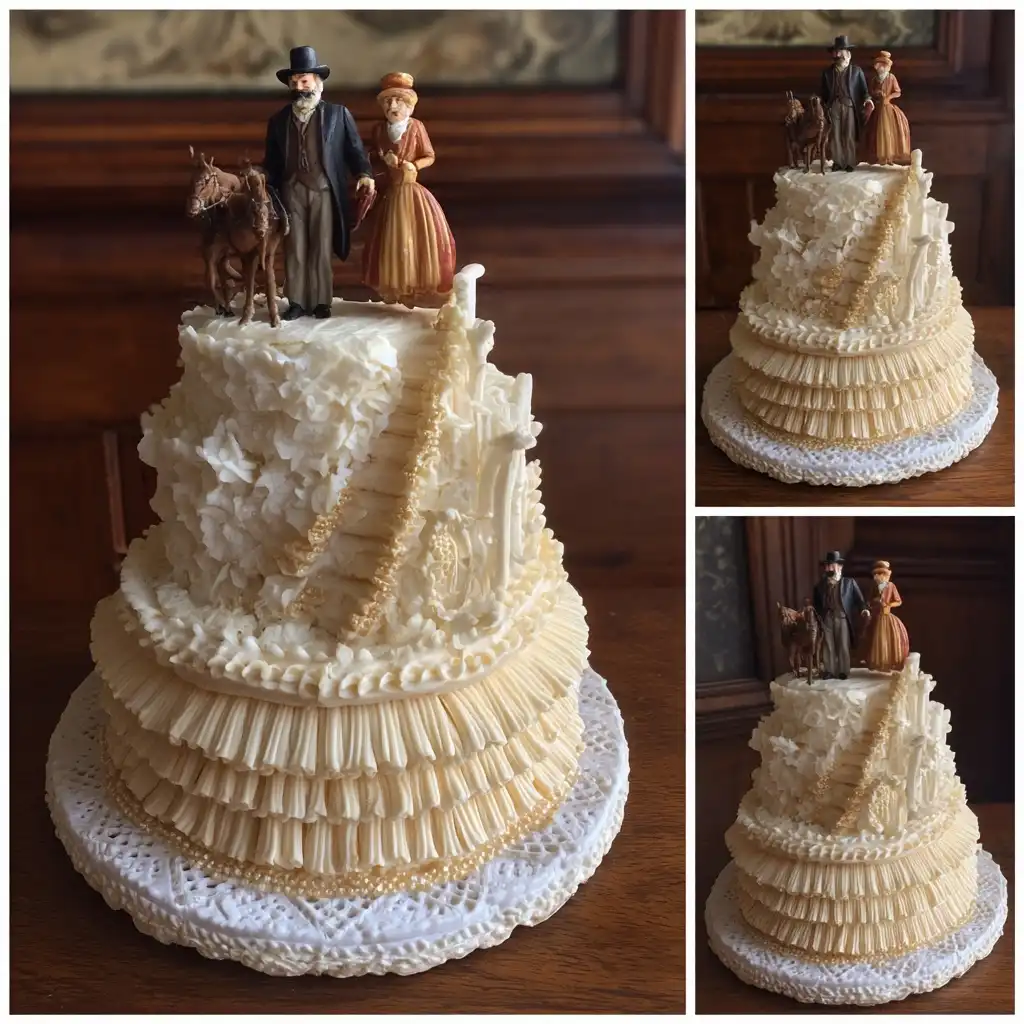
The Preacher’s Cake is more than just a dessert—it’s a cherished Southern heirloom, steeped in hospitality, humility, and quiet reverence. Known affectionately across the Deep South as “Preacher Cake,” “Minister’s Cake,” or sometimes “Church Basement Cake,” this unassuming yet deeply flavorful treat has graced countless potlucks, funeral luncheons, Sunday school socials, and front-porch visits for over a century. Its name evokes a gentle irony: a cake so simple, so modest in appearance—often served plain, without frosting or fanfare—that it seemed fitting to offer to a man of God who preached simplicity, service, and substance over spectacle. Yet beneath its humble crust lies a rich tapestry of tradition: moist crumb, warm spices, tender fruit, and a subtle, almost sacred balance of sweetness and soul. This isn’t a cake meant for show—it’s baked with intention, shared with love, and remembered long after the last crumb is gone.
The History
The origins of The Preacher’s Cake trace back to the late 19th and early 20th centuries in rural communities across Georgia, Alabama, Mississippi, and the Carolinas—regions where church life was the heartbeat of communal identity. In an era before refrigeration, pre-packaged mixes, or even reliable access to refined sugar, resourceful home bakers relied on pantry staples: buttermilk, lard or butter, brown sugar, molasses, dried fruits, and warming spices like cinnamon and nutmeg. The cake’s signature moistness came not from oil or eggs alone—but from the natural acidity of buttermilk reacting with baking soda, a chemical leavening method perfected by generations of Black and white Southern cooks alike, often passed down orally and through demonstration rather than written recipes.
Why “Preacher’s”? Several enduring oral traditions explain the name. One tells of a traveling circuit-riding preacher who, during a week-long revival in a small Georgia town, was repeatedly offered cake by parishioners eager to honor his spiritual labor—yet he always accepted only one modest slice, never asking for seconds, never praising extravagance, and always thanking the host with equal grace whether the cake was frosted or plain. Over time, women began baking a special “preacher-friendly” version: unfrosted, lightly spiced, moist enough to travel well in a tin box, and sturdy enough to hold up under the heat of a July church picnic. Another account recalls deaconesses preparing cakes for visiting ministers who declined lavish desserts but appreciated something wholesome and sustaining—“something that wouldn’t go to their heads, but would settle their stomachs.” By the 1930s, community cookbooks like The Junior League of Birmingham’s “The First 100 Years of Cooking” and The Methodist Women’s Auxiliary Cookbook (1947) included versions titled “Preacher’s Spice Cake” or “Minister’s Date Loaf,” cementing its place in Southern culinary canon. Notably, many early iterations were made in cast-iron skillets—a nod to practicality and the legacy of open-hearth cooking—and often included regional twists: persimmons in Tennessee, figs in Louisiana, or blackstrap molasses in Appalachia.
Ingredients Breakdown
Every ingredient in The Preacher’s Cake carries historical weight and functional purpose—not merely flavor, but fidelity to tradition and resilience:
- Buttermilk: The cornerstone of tenderness and tang. Traditionally cultured (not acidified), real buttermilk provided natural lactic acid to activate baking soda, yielding lift and a delicate, velvety crumb. Its slight sourness also balanced the deep sweetness of molasses and brown sugar—crucial in eras when sugar was costly and used sparingly.
- Unsalted Butter & Lard (or All-Butter): Many original recipes called for a blend—lard for flakiness and shelf-stability, butter for richness and aroma. Today, most home bakers use all-butter for accessibility, though purists maintain that ¼ cup lard + ½ cup butter yields the most authentic mouthfeel: tender, slightly dense, and luxuriously melt-in-the-mouth.
- Dark Brown Sugar & Molasses: Not mere sweeteners—they’re flavor anchors. Dark brown sugar contributes moisture and caramel depth; unsulphured molasses adds mineral complexity (iron, calcium, potassium) and a resonant, bittersweet earthiness that defines the cake’s character. Sulphured molasses is avoided—it imparts a medicinal, harsh note inconsistent with the cake’s gentle profile.
- Spices (Cinnamon, Nutmeg, Cloves, Allspice): Used judiciously—not for heat, but for warmth and harmony. These were expensive imports in the 19th century, making their inclusion a sign of respect and care. The blend evokes both colonial trade routes and Appalachian apothecary traditions, where spices doubled as digestive aids.
- Dried Fruits (Dates, Raisins, or Prunes): Soaked overnight in hot tea or coffee, they plump with tannic nuance and contribute natural pectin for binding and chew. Dates—especially Medjool—were favored for their honeyed sweetness and soft texture; raisins added pop and acidity; prunes lent a deeper, wine-like richness and natural laxative properties, thought to counteract heavy meals—a subtle nod to holistic wellness.
- Walnuts or Pecans: Locally foraged and hand-chopped, these nuts provided protein, crunch, and seasonal abundance. Pecans—native to the South—were especially revered, often toasted in cast iron to deepen their buttery notes before folding in.
- Espresso or Strong Coffee (optional but traditional): A tablespoon or two enhances chocolate and spice notes without adding bitterness. Historically, leftover coffee grounds were repurposed into cake batter—a zero-waste practice emblematic of Southern frugality and ingenuity.
Step-by-Step Recipe
- Soak the Fruit (Night Before): In a medium bowl, combine 1 cup chopped pitted dates (or ½ cup dates + ½ cup raisins), ¼ cup boiling water, and 1 tbsp strong brewed coffee or black tea. Cover and let steep at room temperature for 8–12 hours—or refrigerate overnight. The fruit should be plump, glossy, and fully hydrated. Drain, reserving 2 tbsp of liquid.
- Toast & Chop Nuts: Spread ¾ cup raw walnuts or pecans on a parchment-lined sheet pan. Toast at 350°F for 6–8 minutes until fragrant and lightly golden. Cool completely, then coarsely chop—avoid over-processing; you want texture, not dust.
- Prepare Wet Ingredients: In a large mixing bowl, whisk together 1 cup buttermilk, ½ cup unsalted butter (melted and cooled), ¼ cup lard (if using), 1 large egg (room temperature), 1 tsp pure vanilla extract, and the reserved 2 tbsp fruit soaking liquid. Set aside.
- Mix Dry Ingredients: In a separate bowl, sift together 2 cups all-purpose flour (or 1¾ cups AP + ¼ cup whole wheat for rustic depth), 1½ tsp ground cinnamon, ½ tsp freshly grated nutmeg, ¼ tsp ground cloves, ¼ tsp ground allspice, 1 tsp baking soda, ½ tsp baking powder, and 1 tsp fine sea salt. Whisk vigorously to aerate and evenly distribute leaveners and spices.
- Combine Thoughtfully: Pour the wet mixture into the dry ingredients. Using a wide silicone spatula, fold gently—just until no dry streaks remain. Do *not* overmix; a few lumps are ideal. Then fold in the soaked fruit and toasted nuts until evenly dispersed. Batter will be thick, glossy, and pourable—but not runny.
- Prepare Pan & Bake: Grease and flour a 9×5-inch loaf pan—or for authenticity, a well-seasoned 9-inch cast-iron skillet. Pour batter in evenly. Tap pan sharply on countertop twice to release air bubbles. Bake at 325°F for 65–75 minutes (loaf pan) or 55–65 minutes (skillet), rotating halfway through. Cake is done when a wooden skewer inserted into the center emerges with *moist crumbs* (not wet batter, but not completely clean—this ensures optimal moistness). The top should be deeply bronzed, slightly cracked, and spring back gently to touch.
- Cool with Intention: Let cake cool in pan on a wire rack for 20 minutes. Then carefully invert onto rack, remove pan, and flip right-side-up to cool completely—about 2 hours. This slow cooling prevents collapse and allows internal steam to redistribute, sealing in moisture. For best flavor and texture, wrap tightly in beeswax cloth or parchment and let rest overnight before slicing.
Tips
- Buttermilk Substitution? If fresh buttermilk is unavailable, make “soured milk”: mix 1 cup whole milk + 1 tbsp white vinegar or lemon juice; let sit 5–10 minutes until curdled. Avoid low-fat versions—the fat is essential for tenderness.
- Don’t Skip the Rest: This cake improves dramatically after 12–24 hours. Its flavors deepen, spices bloom, and the crumb becomes even more cohesive and moist. Wrap tightly and store at cool room temperature (68–72°F) for up to 3 days—or refrigerate for up to 1 week (bring to room temp before serving).
- Skillet Secret: Baking in cast iron yields superior browning and a subtle, savory crust. Preheat skillet in oven for 5 minutes before pouring batter—it creates instant oven spring and a beautifully crisp bottom.
- Altitude Adjustments: At 3,000+ feet, reduce baking soda to 1¼ tsp, increase buttermilk to 1¼ cups, and add 1 tbsp additional flour. Bake at 335°F for first 20 minutes, then reduce to 325°F.
- Slicing Wisdom: Use a serrated knife dipped in hot water and wiped dry between cuts. Slice only what you’ll serve immediately—exposed surfaces dry faster. Store cut side down on a plate covered with a clean linen napkin (not plastic)—a true Southern pantry trick for breathability and moisture retention.
- Reviving Stale Slices: Lightly toast day-old slices in a dry skillet over medium-low heat for 1–2 minutes per side, then drizzle with warmed honey-butter or bourbon-maple syrup. It’s a beloved “second-life” tradition in many church kitchens.
Variations and Customizations
The Preacher’s Cake is, by design, adaptable—its spirit rooted in generosity, not rigidity. Below are time-honored and contemporary variations, all faithful to its ethos:
- The Deaconess Date Loaf: Replace raisins with 1 cup finely chopped dried figs + 2 tbsp orange zest. Add ¼ tsp ground ginger. Bake in a 9×13-inch pan for 45–50 minutes for a sheet-cake version ideal for large gatherings.
- Appalachian Sourwood Honey Variation: Substitute ¼ cup pure sourwood honey for part of the brown sugar. Add 2 tbsp apple cider vinegar to buttermilk mixture for brighter acidity. Garnish with candied sourwood blossoms (foraged ethically) if available.
- Low-Sugar “Deacon’s Diet” Version: Reduce brown sugar to ½ cup; replace ¼ cup with date paste (blended soaked dates + 1 tbsp water). Use unsweetened applesauce for ¼ cup of butter. Increase spices slightly to compensate. Still deeply flavorful—and approved by many a health-conscious pastor.
- Gluten-Free Heritage Blend: Substitute 2 cups certified GF flour blend (with xanthan gum) + 2 tbsp ground flaxseed. Add 1 extra tbsp buttermilk. Best baked in loaf pan; check 5 minutes earlier.
- Bourbon-Soaked Prune & Pecan: Soak prunes in 3 tbsp Kentucky bourbon + 1 tsp orange zest overnight. Drain (reserve liquid); stir 1 tbsp bourbon into batter. Adds warmth and a subtle, sophisticated finish—favored in Louisville and Lexington church circles.
- Vegan “Sunday Supper” Version: Use flax egg (1 tbsp ground flax + 3 tbsp water), cultured coconut milk “buttermilk” (1 cup coconut milk + 1 tbsp apple cider vinegar), and refined coconut oil. Sweeten with organic coconut sugar. Still astonishingly rich and faithful in spirit.
- “Funeral Loaf” Tradition: In parts of East Texas and West Louisiana, a denser, darker version is baked in a Bundt pan, glazed simply with a warm brown sugar–butter glaze, and served at repast meals. Symbolizes sustenance in sorrow—and continuity of care.
Health Considerations and Nutritional Value
While The Preacher’s Cake is undeniably a celebratory food, its traditional formulation reflects an intuitive understanding of nourishment long before modern nutrition science:
- Natural Sweeteners: Brown sugar and molasses provide not just sucrose, but trace minerals—molasses alone contains calcium, magnesium, potassium, and iron. Unlike refined white sugar, these contribute mild electrolyte balance and support red blood cell formation.
- Fiber-Rich Fruits: Soaked dates and raisins deliver soluble fiber (pectin and beta-glucan), supporting gut microbiota and slowing glucose absorption—resulting in steadier energy release versus high-glycemic desserts.
- Healthy Fats: Butter provides butyrate (linked to gut health) and fat-soluble vitamins A, D, E, and K2. Lard—when sourced from pasture-raised pigs—is rich in oleic acid (a heart-healthy monounsaturated fat) and vitamin D.
- Spice Synergy: Cinnamon helps modulate insulin response; nutmeg contains myristicin (a mild neuroprotective compound); cloves are among the highest dietary sources of antioxidants (eugenol).
- No Artificial Additives: Authentic versions contain zero preservatives, emulsifiers, or artificial flavors—making it inherently more digestible for many, especially those sensitive to processed foods.
- Portion Wisdom: Traditionally served in modest 2×2-inch squares—never plated with excess garnish—encouraging mindful eating. Paired with unsweetened herbal tea (chamomile, mint), it becomes a soothing, grounding ritual—not a calorie-laden indulgence.
- Considerations: Those managing diabetes should monitor portions and pair with protein/fat (e.g., a spoonful of full-fat Greek yogurt). For gluten sensitivity, strict GF preparation is essential. Always consult a healthcare provider for individualized guidance—but know that this cake, in its heritage form, was designed to sustain, comfort, and honor—not overwhelm.
Ingredients
- 1 cup chopped pitted Medjool dates (about 8–10 large dates)
- ½ cup seedless raisins (golden or Thompson)
- ¼ cup boiling water
- 1 tablespoon strong brewed coffee or black tea
- ¾ cup raw walnuts or pecans
- ½ cup unsalted butter, melted and cooled
- ¼ cup lard (optional but recommended for authenticity)
- 1 cup buttermilk, room temperature
- 1 large egg, room temperature
- 1 teaspoon pure vanilla extract
- 1 cup firmly packed dark brown sugar
- ¼ cup unsulphured molasses
- 2 cups all-purpose flour (see variation notes for GF or whole grain options)
- 1½ teaspoons ground cinnamon
- ½ teaspoon freshly grated nutmeg
- ¼ teaspoon ground cloves
- ¼ teaspoon ground allspice
- 1 teaspoon baking soda
- ½ teaspoon baking powder
- 1 teaspoon fine sea salt
Directions
- In a heatproof bowl, combine chopped dates, raisins, boiling water, and coffee or tea. Stir, cover with a clean kitchen towel, and let soak at room temperature for at least 8 hours or overnight.
- Preheat oven to 325°F. Generously grease and flour a 9×5-inch loaf pan—or a well-seasoned 9-inch cast-iron skillet. If using skillet, place it in oven while preheating.
- Spread nuts on a parchment-lined baking sheet. Toast in preheated oven for 6–8 minutes, shaking once, until fragrant and lightly golden. Let cool completely, then coarsely chop.
- In a large bowl, whisk together melted butter, lard (if using), buttermilk, egg, vanilla, brown sugar, and molasses until smooth and uniform. Drain soaked fruit, reserving exactly 2 tablespoons of liquid; add liquid to wet mixture.
- In another bowl, whisk together flour, cinnamon, nutmeg, cloves, allspice, baking soda, baking powder, and salt until thoroughly combined and aerated.
- Pour wet ingredients into dry ingredients. Using a silicone spatula, fold gently—about 15–20 strokes—until just incorporated. A few small lumps are desirable. Fold in soaked fruit and toasted nuts until evenly distributed.
- If using a skillet: Carefully remove hot skillet from oven; pour in batter. If using loaf pan: Pour batter in smoothly. Tap pan firmly on counter twice to eliminate air pockets.
- Bake: Loaf pan—65–75 minutes; Skillet—55–65 minutes. Rotate halfway through. Cake is done when top is deeply browned, slightly cracked, and a skewer inserted into center comes out with moist crumbs (not wet batter, not completely clean).
- Let cake cool in pan on a wire rack for 20 minutes. Gently loosen edges with a thin knife, invert onto rack, lift off pan, then flip right-side-up. Cool completely—minimum 2 hours—before slicing.
- For optimal flavor and texture, wrap tightly in parchment and linen or store in a ceramic cake keeper at cool room temperature overnight before serving. Serve unadorned—or with a pat of honey butter, a drizzle of warmed bourbon caramel, or a scoop of roasted sweet potato ice cream.
FAQ
- Can I make this cake ahead of time?
- Absolutely—and you should. The Preacher’s Cake tastes even better on Day Two. Its flavors meld, spices mellow and bloom, and the crumb becomes more tender and cohesive. It keeps beautifully for 3 days at room temperature (wrapped in parchment and cloth), up to 1 week refrigerated, and freezes exceptionally well for up to 4 months (wrap in parchment + foil, thaw overnight in fridge).
- Why does my cake sink in the middle?
- Sinking usually occurs from one of three causes: (1) Underbaking—always test with skewer and look for moist crumbs, not clean stick; (2) Opening the oven door too early (before 45 minutes)—the delicate structure hasn’t set; or (3) Overmixing the batter—this develops gluten excessively, causing rebound collapse. Gentle folding is sacred here.
- Can I substitute the lard? Is it necessary?
- Lard contributes unmistakable tenderness, richness, and old-world authenticity—but it’s not mandatory. You may use all butter (increase to ¾ cup), or for a neutral option, refined coconut oil. Note: Unrefined coconut oil will impart noticeable coconut flavor, which strays from tradition.
- Is there a coffee-free version?
- Yes. Simply omit the coffee and substitute with an equal amount of hot water or apple juice when soaking the fruit. The cake remains deeply flavorful—though the coffee does enhance spice and fruit notes in a subtle, sophisticated way.
- What’s the best way to store leftovers?
- Never plastic wrap directly on the cut surface—it traps condensation and accelerates staling. Instead, place cut side down on a wooden board or plate, cover loosely with a clean, dry linen napkin or tea towel, and store in a cool, dry pantry. For longer storage, wrap entire cake tightly in parchment, then in foil, and refrigerate or freeze.
- Can I bake this as cupcakes?
- You can—but it changes the tradition. For 12 standard cupcakes, reduce baking time to 22–26 minutes at 325°F. Fill liners ⅔ full. They’ll be delicious, but lack the slow, even crumb development of a loaf or skillet. Reserve cupcakes for youth group events; save the skillet for Sunday dinner.
- My buttermilk is expired—can I still use it?
- Real cultured buttermilk lasts 7–10 days past sell-by if refrigerated and smells pleasantly tangy—not rancid or ammoniated. If unsure, make soured milk (milk + vinegar) as described in Tips. Never use spoiled dairy—it compromises safety and texture.
- Why no frosting?
- Frosting contradicts the cake’s theological and cultural ethos: humility, sufficiency, and quiet dignity. As one Mississippi deaconess told her granddaughter, “A preacher don’t need icing to be sweet—and neither does his cake.” A dusting of powdered sugar or a simple glaze is acceptable for festive occasions, but the truest expression is bare, honest, and beautiful in its simplicity.
Summary
The Preacher’s Cake is a soulful Southern tradition—born in church basements and country kitchens, sustained by resourcefulness and reverence, and defined by moist spice, slow-soaked fruit, and unhurried love.
It asks for nothing but time, truthfulness in ingredients, and the willingness to serve something deeply good—without needing to be seen.