
Introduction
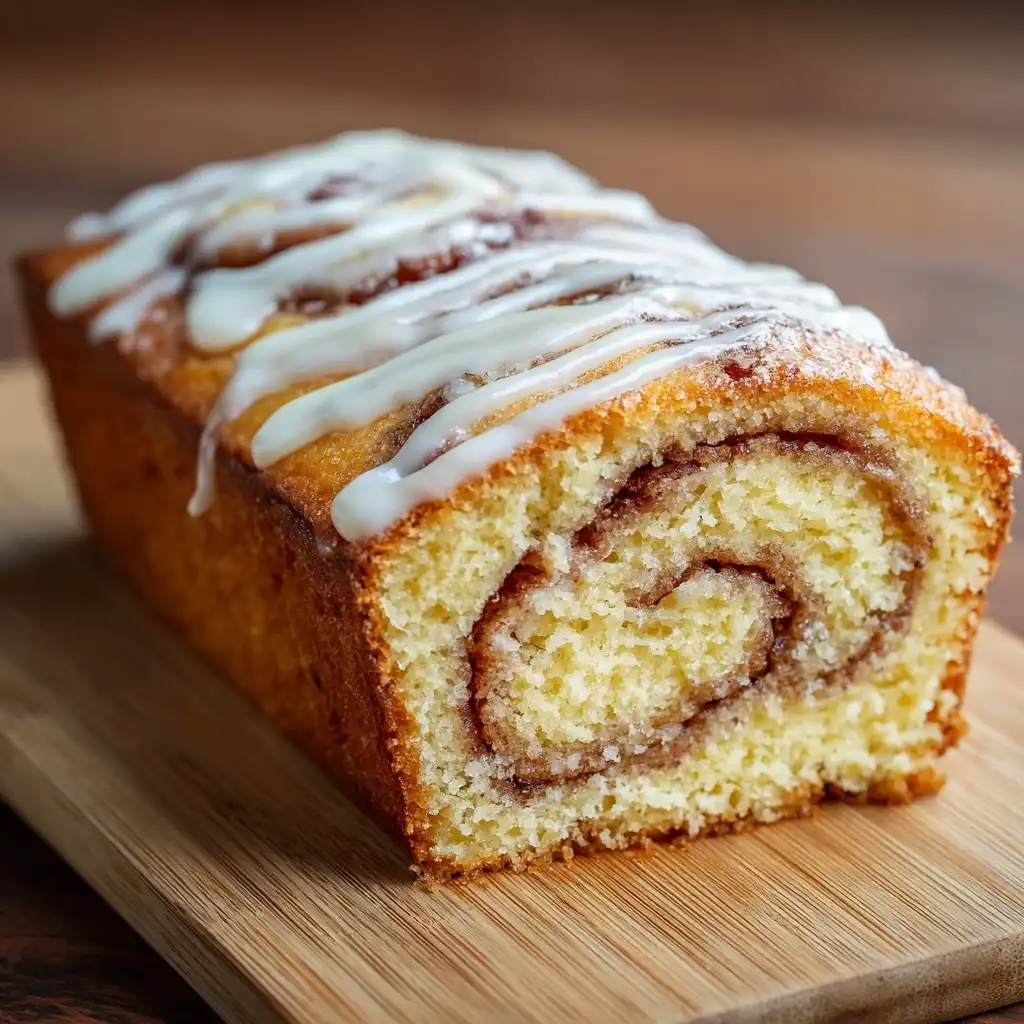
Welcome to the ultimate guide to the Simple Cinnamon Roll Cake — a beloved, nostalgic dessert that bridges the comforting warmth of classic cinnamon rolls with the effortless elegance of a sheet cake. Unlike traditional rolled-and-sliced cinnamon buns that require precise laminating, proofing, and careful shaping, this ingenious hybrid delivers all the signature swirls, gooey filling, rich brown sugar glaze, and aromatic cinnamon-spice depth in a streamlined, one-pan format. Whether you’re a beginner baker looking for foolproof success or a seasoned home cook craving a time-saving twist on a holiday favorite, this cake promises tender crumb, bold flavor, and crowd-pleasing appeal — all without yeast, stand mixers (though they help), or overnight planning. Think of it as cinnamon roll essence captured in cake form: soft, moist, generously spiced, and crowned with a luscious, buttery glaze that pools into every crevice.
The History
The Simple Cinnamon Roll Cake is a modern American baking innovation born from the joyful collision of two iconic treats: the cinnamon roll and the sheet cake. While cinnamon rolls trace their roots back to Scandinavian kardemummabullar and German Zimtschnecken, evolving through early 20th-century American bakeries and coffee shops, sheet cakes have long served as accessible, scalable alternatives to layer cakes — especially in schools, churches, and potlucks. The fusion concept likely emerged organically in the mid-to-late 20th century, as home bakers sought ways to replicate the beloved swirl and spice of cinnamon rolls without the labor-intensive rolling, cutting, and second rise. Early versions appeared in community cookbooks, regional newspaper food sections, and church fundraising collections — often titled “Cinnamon Swirl Sheet Cake,” “Cinnamon Roll Bar Cake,” or “Pull-Apart Cinnamon Cake.” Its popularity surged in the 2000s and 2010s with the rise of food blogs and Pinterest, where its visual appeal — golden-brown ribbons of cinnamon-sugar marbling through a pale vanilla base — made it highly shareable. Today, it’s a staple at brunches, bake sales, and weekend breakfast tables, symbolizing cozy indulgence, culinary ingenuity, and the enduring magic of cinnamon sugar transformed.
Ingredients Breakdown
Every exceptional Simple Cinnamon Roll Cake begins with thoughtfully chosen, high-quality ingredients — each playing a distinct and indispensable role in texture, flavor, moisture, and structure:
- All-Purpose Flour: The foundational structure-builder. Provides gluten for gentle elasticity without toughness. Sifted for lightness and even incorporation.
- Granulated Sugar: Sweetens the cake base and contributes to tenderness and browning. Also balances the acidity of buttermilk or sour cream.
- Brown Sugar (Light or Dark): Used primarily in the cinnamon swirl and glaze. Adds deep molasses notes, moisture retention, and caramelized richness. Dark brown sugar intensifies flavor; light offers milder sweetness.
- Baking Powder & Baking Soda: Dual leavening agents. Baking powder provides primary lift, while baking soda reacts with acidic ingredients (like buttermilk or brown sugar) for extra rise and tenderness.
- Salt: Enhances all flavors, counters sweetness, and strengthens gluten just enough for structure without chewiness.
- Ground Cinnamon (High-Quality, Freshly Ground Preferred): The soul of the recipe. True Ceylon or Saigon cinnamon delivers complex, floral, or fiery warmth — far superior to stale or blended supermarket varieties.
- Nutmeg & Allspice (Optional but Highly Recommended): Warm, earthy supporting spices that add nuance and depth to the cinnamon profile — not overpowering, but perceptibly elevating.
- Unsalted Butter (Room Temperature for Batter, Melted for Swirl & Glaze): Delivers richness, mouthfeel, and flakiness in the swirl. Room-temp butter creams smoothly with sugar; melted butter ensures the cinnamon-sugar layer stays fluid and spreads evenly.
- Eggs (Large, Room Temperature): Bind the batter, add structure, contribute to leavening via air incorporation, and lend golden color and richness.
- Buttermilk (or Sour Cream + Milk Substitute): The secret to extraordinary moisture and tangy balance. Its acidity activates baking soda, tenderizes gluten, and yields an exceptionally soft, velvety crumb. Full-fat buttermilk is ideal.
- Vanilla Extract (Pure, Not Imitation): Deepens aroma and rounds out the spice profile with warm, sweet complexity.
- Heavy Cream or Whole Milk (for Glaze): Thins the glaze to perfect drizzling consistency while adding subtle dairy richness.
- Powdered Sugar (Confectioners’ Sugar): Forms the base of the glaze — fine texture ensures smoothness and quick dissolution without grittiness.
Crucially, this recipe intentionally omits yeast, eggs in the swirl (which can cause curdling), and excessive fat — keeping it simple, reliable, and consistently successful across diverse ovens and altitudes.
Step-by-Step Recipe
- Preheat & Prep: Position oven rack in center position. Preheat oven to 350°F (175°C). Generously grease a 9×13-inch metal baking pan with unsalted butter or non-stick spray, then line the bottom with parchment paper, leaving 2-inch overhangs on the short sides for easy removal. Lightly grease the parchment.
- Mix Dry Ingredients: In a large bowl, whisk together 2 ½ cups (312g) all-purpose flour, 1 ½ tsp baking powder, ½ tsp baking soda, 1 tsp fine sea salt, 2 tsp ground cinnamon, ¼ tsp freshly grated nutmeg, and ⅛ tsp ground allspice (if using). Set aside.
- Cream Butter & Sugars: In the bowl of a stand mixer fitted with the paddle attachment (or use a hand mixer), beat ¾ cup (170g) unsalted butter, 1 cup (200g) granulated sugar, and ½ cup (100g) light brown sugar on medium-high speed until very light, fluffy, and pale — about 4–5 minutes. Scrape down bowl thoroughly.
- Add Eggs & Vanilla: Add 3 large room-temperature eggs, one at a time, beating well after each addition (about 30 seconds per egg) until fully incorporated and glossy. Beat in 2 tsp pure vanilla extract until combined.
- Alternate Wet & Dry: With mixer on low speed, add one-third of the dry ingredients, mixing just until no flour streaks remain. Add half of the 1 cup (240ml) full-fat buttermilk, mixing gently. Repeat with another third of dry, remaining buttermilk, and final third of dry — mixing only until just combined after each addition. Do not overmix. Batter will be thick, smooth, and slightly glossy.
- Prepare Cinnamon Swirl: In a small bowl, combine ½ cup (100g) light brown sugar, 2 tbsp (16g) all-purpose flour, and 2 tsp ground cinnamon. Stir until uniform. Pour 6 tbsp (85g) melted unsalted butter into a separate small heatproof bowl or measuring cup.
- Layer & Swirl: Pour about two-thirds of the batter into the prepared pan, spreading evenly with an offset spatula. Drizzle half of the melted butter over the batter. Sprinkle half of the cinnamon-sugar mixture evenly over the butter. Carefully spoon remaining batter over top and spread gently to cover. Drizzle remaining melted butter, then sprinkle remaining cinnamon-sugar. Using a butter knife or skewer, gently cut through the layers in a figure-eight or zigzag motion — 8–10 passes — to create beautiful, marbled ribbons. Avoid over-swirling, which can blend layers completely.
- Bake: Place pan in preheated oven. Bake for 35–42 minutes, rotating pan front-to-back at 20 minutes, until a toothpick inserted into the center (avoiding swirl pockets) comes out clean or with moist crumbs (not wet batter), and the edges are golden brown and pulling slightly from the pan. The top should spring back lightly when touched.
- Cool Slightly: Let cake cool in pan on a wire rack for exactly 15 minutes. This allows structure to set while keeping the swirl soft and glaze-ready.
- Prepare Glaze: While cake cools, whisk together 1 ½ cups (180g) powdered sugar, 2–3 tbsp heavy cream or whole milk (start with 2), and 1 tsp pure vanilla extract until completely smooth and pourable — adjust cream for desired thickness (it should coat the back of a spoon and drip slowly).
- Glaze & Serve: After 15 minutes, carefully lift cake out of pan using parchment overhangs onto a cooling rack placed over parchment or a tray. Immediately pour or spoon glaze evenly over warm cake, letting it cascade down the sides. Allow glaze to set for at least 20 minutes before slicing. For clean slices, use a sharp knife wiped clean between cuts.
Tips
- Room Temperature is Non-Negotiable: Cold eggs or butter won’t emulsify properly, leading to curdled batter or dense texture. Take ingredients out 1–2 hours ahead.
- Sift Your Flour: Even if labeled “pre-sifted,” sifting aerates flour and prevents compacted scooping — critical for lightness.
- Measure Flour Correctly: Spoon flour into measuring cup and level with a straight edge — never scoop directly from the bag (adds up to 25% extra flour!). Use a kitchen scale for best results.
- Don’t Overmix: Once liquids and dry ingredients meet, mix *only* until just combined. Overmixing develops excess gluten = tough, rubbery cake.
- Swirl Gently, Strategically: Too few passes = uneven swirl; too many = muddy, indistinct layers. Aim for visible, ribbon-like streaks — think “marble cake,” not “mud pie.”
- Oven Thermometer Essential: Most home ovens run hot or cold. An inexpensive oven thermometer ensures accurate 350°F — the key to even baking and proper rise.
- Cooling Time is Precise: 15 minutes is optimal: cool longer and the glaze won’t adhere; cool less and the cake may crumble when lifted.
- Glaze Warm, Not Hot: Glazing a piping-hot cake causes glaze to melt and slide off. Warm cake (110–120°F) absorbs glaze perfectly.
- Use Heavy Cream for Luxe Glaze: It adds richness and sheen that milk can’t match — though whole milk works in a pinch.
- Storage Matters: Store covered at room temperature for up to 2 days, refrigerated for up to 5 days, or freeze unfrosted cake tightly wrapped for up to 3 months. Glaze just before serving if frozen.
- Knife Technique: For pristine slices, dip a sharp, thin-bladed knife in hot water, wipe dry, and cut — repeat between slices.
- Altitude Adjustment: Above 3,000 ft? Reduce baking powder by ⅛ tsp, increase liquid by 1–2 tbsp, and bake at 355°F for same time.
Variations and Customizations
This versatile base invites endless creativity — all while preserving the core simplicity and cinnamon-roll spirit:
- Maple Cinnamon Roll Cake: Replace ¼ cup buttermilk with pure maple syrup in batter; use maple extract (½ tsp) alongside vanilla; drizzle glaze with additional warmed maple syrup.
- Apple-Cinnamon Roll Cake: Fold 1 ½ cups finely diced, peeled Granny Smith apples (tossed in 1 tsp lemon juice) into batter before layering. Add ¼ tsp apple pie spice to cinnamon swirl.
- Walnut-Pecan Swirl: Toast ¾ cup chopped walnuts or pecans; fold half into batter, sprinkle remaining half over cinnamon-sugar layer before swirling.
- Orange-Cardamom Twist: Add 1 tbsp finely grated orange zest to batter and ½ tsp ground cardamom to cinnamon swirl. Glaze with orange juice instead of cream.
- Double-Glazed Delight: After initial glaze sets, drizzle with a contrasting white chocolate or cream cheese glaze for visual drama and layered flavor.
- Whole Grain Version: Substitute ¾ cup (90g) of the all-purpose flour with white whole wheat flour or oat flour for added fiber and nutty depth (batter may need 1 extra tbsp buttermilk).
- Vegan Adaptation: Use plant-based butter, flax eggs (3 tbsp ground flax + 9 tbsp water), unsweetened almond milk + 1 tbsp vinegar (for buttermilk), and vegan powdered sugar. Ensure cinnamon is certified vegan.
- Mini-Muffin Format: Divide batter and swirl into lined muffin tins. Bake at 350°F for 18–22 minutes. Glaze individually or serve with mini dollops of cream cheese frosting.
- Boozy Upgrade: Add 2 tbsp bourbon or spiced rum to the glaze for sophisticated warmth — reduce cream by 1 tbsp.
- Breakfast-for-Dinner Version: Serve warm squares topped with a fried egg, crumbled bacon, and a dusting of smoked paprika — savory-sweet perfection.
- Gluten-Free Option: Use a 1:1 gluten-free all-purpose flour blend with xanthan gum. Increase baking powder to 2 tsp and add 1 extra tbsp buttermilk for moisture.
- Decorative Finish: Before glazing, press a light sprinkle of coarse turbinado sugar or crushed cinnamon candies onto the warm, unglazed surface for sparkle and crunch.
Health Considerations and Nutritional Value
While undeniably indulgent, the Simple Cinnamon Roll Cake can be understood within a balanced, mindful eating framework. A standard slice (1/12th of the 9×13 pan, approx. 2″ x 3″) contains approximately:
- Calories: 320–360 kcal
- Total Fat: 14–16g (mostly unsaturated from butter, with ~8g saturated)
- Carbohydrates: 48–52g (including 32–36g sugars — primarily added from granulated, brown, and powdered sugars)
- Protein: 4–5g (from eggs and dairy)
- Fiber: 0.5g (naturally low; boosted significantly in whole-grain or oat variations)
- Sodium: 220–260mg
Positive Aspects: Contains heart-healthy monounsaturated fats (from butter), bone-supportive calcium and phosphorus (from buttermilk), and antioxidant-rich cinnamon — shown in studies to support healthy blood sugar metabolism and possess anti-inflammatory properties. The absence of yeast, artificial preservatives, or hydrogenated oils makes it a cleaner choice than many commercial baked goods.
Considerations: High in added sugars and refined carbohydrates. Those managing diabetes, insulin resistance, or following low-sugar diets should enjoy sparingly and consider pairing with protein/fat (e.g., Greek yogurt or nuts) to slow glucose response. The moderate saturated fat content warrants awareness for individuals with specific cardiovascular health goals.
Mindful Enjoyment Strategies: Slice smaller (12ths instead of 9ths); share generously; savor slowly; pair with herbal tea or black coffee; substitute part of the sugar with monk fruit or erythritol blends (note: may affect texture/glaze setting); boost nutrition by adding mashed banana or pumpkin puree (reduce buttermilk accordingly).
Ultimately, this cake is a celebration food — not an everyday staple — and its joy, comfort, and shared experience hold significant value in holistic wellness.
Ingredients
- 2 ½ cups (312g) all-purpose flour, plus more for dusting (if rolling variation)
- 1 ½ tsp aluminum-free baking powder
- ½ tsp baking soda
- 1 tsp fine sea salt
- 2 tsp high-quality ground cinnamon (Saigon or Ceylon preferred)
- ¼ tsp freshly grated nutmeg
- ⅛ tsp ground allspice (optional)
- ¾ cup (170g) unsalted butter, room temperature
- 1 cup (200g) granulated sugar
- ½ cup (100g) light brown sugar, packed
- 3 large eggs, room temperature
- 2 tsp pure vanilla extract
- 1 cup (240ml) full-fat buttermilk, room temperature
- For Cinnamon Swirl:
- ½ cup (100g) light brown sugar, packed
- 2 tbsp (16g) all-purpose flour
- 2 tsp ground cinnamon
- 6 tbsp (85g) unsalted butter, melted and slightly cooled
- For Glaze:
- 1 ½ cups (180g) powdered sugar, sifted
- 2–3 tbsp heavy cream or whole milk
- 1 tsp pure vanilla extract
Directions
- Preheat oven to 350°F (175°C). Grease and parchment-line a 9×13-inch metal baking pan.
- In a medium bowl, whisk together flour, baking powder, baking soda, salt, cinnamon, nutmeg, and allspice. Set aside.
- In a large bowl or stand mixer, beat butter, granulated sugar, and brown sugar on medium-high until pale, fluffy, and doubled in volume (4–5 min). Scrape bowl.
- Add eggs one at a time, beating 30 seconds after each. Add vanilla; beat 15 seconds.
- On low speed, add ⅓ dry mix; mix until just incorporated. Add ½ buttermilk; mix gently. Repeat with ⅓ dry, remaining buttermilk, final ⅓ dry — mixing only until no streaks remain.
- In a small bowl, combine swirl ingredients: brown sugar, flour, cinnamon. In another, melt butter.
- Pour ⅔ batter into pan, spread evenly. Drizzle ½ melted butter, then ½ cinnamon-sugar. Top with remaining batter, spread gently. Drizzle remaining butter, then remaining cinnamon-sugar.
- Using a knife, gently swirl in figure-eights — 8–10 passes only — to marble (not blend).
- Bake 35–42 min, rotating at 20 min, until toothpick in center comes out clean and edges pull from pan.
- Cool in pan on wire rack exactly 15 minutes.
- Meanwhile, whisk glaze ingredients until smooth and pourable (add cream ½ tsp at a time).
- Lift warm cake from pan using parchment. Immediately pour glaze evenly over top.
- Let set 20+ minutes before slicing with hot, wiped knife.
FAQ
- Can I make this cake ahead of time?
- Absolutely! Bake the cake (unglazed) up to 2 days ahead. Cool completely, wrap tightly in plastic wrap, and store at room temperature. Glaze just before serving. For longer storage, freeze baked, cooled, unglazed cake for up to 3 months — thaw overnight in fridge, bring to room temp, then glaze.
- Why did my swirl sink or disappear?
- This usually happens due to overmixing the batter (too much gluten development), using cold ingredients (batter too thick to hold swirl), or swirling too vigorously. Ensure ingredients are room temp, mix batter minimally, and swirl gently with deliberate, shallow strokes.
- Can I use low-fat or skim milk instead of buttermilk?
- Buttermilk’s acidity and fat are crucial for tenderness and rise. For best results, make DIY buttermilk: add 1 tbsp white vinegar or lemon juice to 1 cup whole milk; let sit 5–10 minutes until curdled. Avoid skim milk — it lacks necessary fat and protein.
- My glaze is too thin/thick — how do I fix it?
- Too thin? Add 1 tbsp more powdered sugar at a time, whisking until dissolved. Too thick? Add ½ tsp cream or milk at a time. Glaze should fall slowly off the whisk in a ribbon that holds its shape for 2 seconds.
- Can I bake this in a different pan size?
- Yes — but adjust time and watch closely. In a 9×9-inch square pan: bake 40–48 min. In a 10×15-inch jelly roll pan: bake 25–32 min (thinner cake). Always rely on toothpick test, not timer alone.
- Is there a way to reduce the sugar without ruining the texture?
- You can reduce granulated sugar in the batter by ¼ cup safely. Brown sugar in the swirl and glaze is harder to cut — reducing it affects moisture and caramelization. Consider natural sweeteners like date paste (swirl only) or monk fruit blends (test glaze first).
- Why does my cake taste bland or lack cinnamon punch?
- Stale or low-grade cinnamon is the #1 culprit. Buy whole cinnamon sticks and grind fresh, or purchase from reputable spice retailers with high turnover. Also ensure you’re using the full 2 tsp in the batter *and* 2 tsp in the swirl — don’t skimp!
- Can I add nuts or fruit to the batter?
- Yes — fold in up to 1 cup toasted nuts, dried fruit (chopped apricots, cranberries), or fresh berries (tossed in 1 tsp flour) *after* the final mixing step. Avoid overmixing once additions are included.
- What’s the best way to reheat leftovers?
- For best texture, warm individual slices in a toaster oven at 325°F for 4–5 minutes, or microwave at 50% power for 15–20 seconds. Avoid overheating — it dries out quickly.
- Can I make this gluten-free?
- Yes — use a trusted 1:1 GF flour blend (like King Arthur or Bob’s Red Mill) *with xanthan gum*. Increase baking powder to 2 tsp and add 1 extra tbsp buttermilk. Expect slight textural difference (more tender, less chewy), but flavor remains stellar.
Summary
The Simple Cinnamon Roll Cake is a masterclass in approachable elegance — delivering the soul-warming swirl, spice, and sweetness of a classic cinnamon roll in the effortless, shareable format of a buttery, tender sheet cake.
With no yeast, no fuss, and foolproof steps, it’s the joyful, aromatic, and deeply comforting dessert that turns any ordinary day into a reason to gather, savor, and smile.