
Introduction
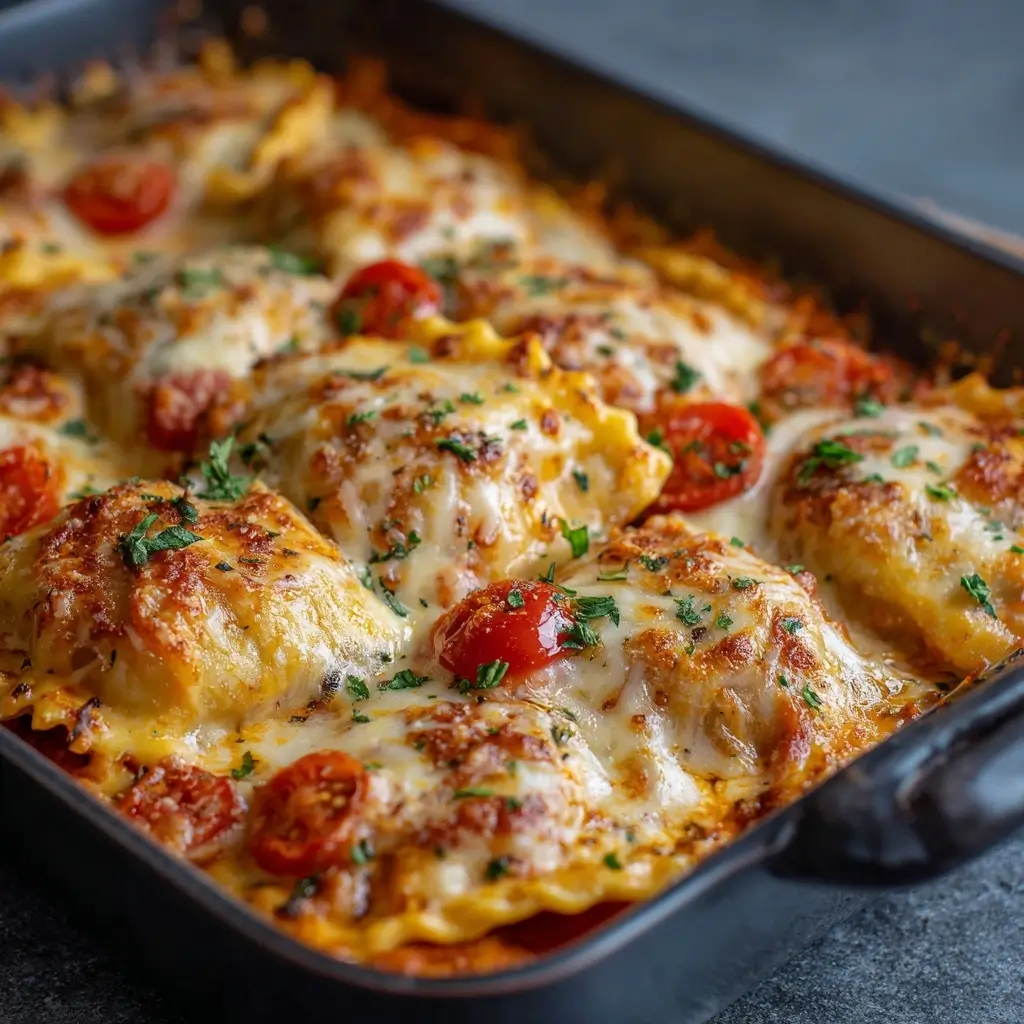
Welcome to the ultimate comfort food solution: Lazy Lasagna (Ravioli Bake) — a brilliantly simplified, time-saving, and flavor-packed twist on the classic Italian-American casserole. Designed for busy weeknights, beginner cooks, and anyone who loves rich, cheesy, saucy pasta dishes without the laborious layering, boiling, or ricotta-stirring of traditional lasagna, this recipe swaps delicate lasagna noodles for plump, ready-to-bake ravioli — eliminating prep time while maximizing satisfaction. Whether you’re juggling work, kids, meal prep fatigue, or simply craving something hearty with minimal cleanup, Lazy Lasagna delivers restaurant-quality depth, comforting textures, and crowd-pleasing versatility — all in under 10 minutes of active effort.
The History
While traditional lasagna traces its roots to medieval Italy — with early versions appearing in 13th-century texts like the Liber de Coquina — the modern American layered noodle-and-cheese bake evolved significantly post-WWII, fueled by mass-produced dried pasta, canned tomatoes, and refrigerated cheeses. The “lazy” or “ravioli bake” variation emerged organically in home kitchens across the U.S. Midwest and South during the 1970s–1990s, as families sought faster alternatives amid rising dual-income households and shrinking dinner windows. Cooks began experimenting with pre-filled pasta — especially frozen cheese ravioli — recognizing their ideal structure for baking: sturdy enough to hold shape, porous enough to absorb sauce, and already seasoned with herbs and cheeses. Early iterations appeared in community cookbooks, church bulletins, and regional newspaper food sections (notably the Des Moines Register’s “Weeknight Suppers” column, 1984), often credited to overworked PTA moms and church potluck champions. Over decades, the dish gained traction online through early food blogs (2005–2012) and viral Pinterest pins, evolving from a “hack” into a celebrated culinary adaptation — one that honors tradition while embracing practicality, accessibility, and joyful imperfection.
Ingredients Breakdown
Every component in Lazy Lasagna serves a distinct purpose — from structural integrity to moisture balance, umami depth, and textural contrast. Here’s why each ingredient matters:
- Ravioli (16–20 oz): The star and structural backbone. Frozen cheese ravioli is preferred for its consistent texture, slight starch release (which helps bind the bake), and built-in seasoning. Fresh ravioli works but requires careful handling and may release excess water. Avoid boiled ravioli — it becomes mushy when baked.
- Pasta Sauce (3–4 cups): Acts as both liquid medium and flavor foundation. A robust, low-sugar marinara (with garlic, basil, oregano, and a hint of red pepper flake) provides acidity and herbaceous brightness. For richer depth, use a meat-based ragù (ground beef, pork, or plant-based crumbles simmered 20+ minutes) — just ensure it’s thickened to avoid sogginess.
- Ricotta Cheese (15–16 oz container): Adds creaminess, protein, and subtle sweetness. Whole-milk ricotta is essential — low-fat versions separate and weep. For silkier integration, drain excess whey (5–10 min in cheesecloth) and stir in 1 egg yolk + ¼ tsp nutmeg to stabilize and enrich.
- Mozzarella (2–2½ cups shredded): Provides the iconic golden-brown, stretchy, melty top and interior pockets. Low-moisture, part-skim mozzarella melts evenly; fresh mozzarella pearls add luxury but must be patted dry and added only in the final 10 minutes to prevent pooling.
- Parmesan or Romano (½ cup grated): Delivers salty, nutty, umami punch and aids browning. Authentic Parmigiano-Reggiano offers superior complexity, but high-quality domestic grating cheeses work well too. Always grate fresh — pre-grated contains anti-caking agents that hinder melt.
- Garlic & Onion (2 cloves minced + ½ small yellow onion, finely diced): Sautéed gently in olive oil before mixing, they build aromatic depth and eliminate raw sharpness. Optional but highly recommended for elevated flavor.
- Olive Oil (2 tbsp): Used for sautéing aromatics and brushing the top layer — promotes even browning and adds fruit-forward richness.
- Fresh Herbs (2 tbsp chopped basil + 1 tbsp parsley): Stirred in at the end (or sprinkled post-bake), they brighten heavy flavors and add visual appeal and freshness.
- Salt & Black Pepper (to taste): Critical for balancing acidity and enhancing natural sweetness in tomatoes and cheese. Underseasoned sauce = bland bake.
- (Optional Boosters): A splash of red wine (¼ cup) deglazed into the sauté pan adds complexity; a spoonful of tomato paste (1 tbsp) deepens color and umami; a pinch of fennel seed (⅛ tsp) lends subtle sausage-like warmth if using meat sauce.
Step-by-Step Recipe
- Preheat & Prep: Position oven rack in center position. Preheat oven to 375°F (190°C). Lightly grease a 9×13-inch baking dish (glass or ceramic preferred for even heating) with olive oil or nonstick spray.
- Sauté Aromatics: In a large skillet over medium heat, warm olive oil. Add finely diced onion and cook until translucent (~4 min). Add minced garlic and cook 30–60 seconds until fragrant — do not brown. (Skip if using jarred sauce with robust aromatics.)
- Enrich the Sauce: Pour in your marinara or ragù. If using plain store-bought sauce, stir in tomato paste, a splash of red wine, and optional fennel or dried oregano. Simmer uncovered for 5–7 minutes to concentrate flavor and reduce excess water. Season generously with salt and black pepper. Remove from heat and cool slightly.
- Prepare Ricotta Mixture: In a large bowl, combine drained ricotta, 1 cup of mozzarella, ½ cup grated Parmesan, egg yolk (if using), nutmeg, 1 tsp salt, and ½ tsp black pepper. Whisk vigorously until smooth, creamy, and fully homogenized — no lumps!
- Layer Thoughtfully (No Boiling Required!): Spread 1 cup of warm sauce evenly across the bottom of the prepared dish. Arrange a single, snug layer of frozen ravioli directly over the sauce — no need to thaw! Gently press down to nestle them. Spoon half of the ricotta mixture over the ravioli, spreading carefully with a spatula (it will be thick — that’s okay). Top with another 1½ cups of sauce, covering ricotta completely. Repeat: second layer of ravioli, remaining ricotta, remaining sauce. Finish with remaining 1 cup mozzarella and all remaining Parmesan.
- Bake Covered: Cover tightly with aluminum foil (tent slightly to prevent cheese from sticking). Bake for 35 minutes — this steams the ravioli, ensures even cooking, and prevents drying.
- Uncover & Brown: Carefully remove foil. Increase oven temperature to 425°F (220°C) for the final 10–12 minutes — this creates a beautifully blistered, golden crust. Watch closely: edges should bubble vigorously, and cheese should be deeply bronzed and slightly crisp at the tips.
- Rest Imperatively: Remove from oven and let rest, uncovered, for at least 15–20 minutes. This allows the layers to set, prevents scalding bites, and lets residual heat finish cooking the centers while starches re-gelatinize — crucial for clean slices and creamy texture.
- Garnish & Serve: Sprinkle generously with fresh basil and parsley. Serve warm with garlic bread, a simple arugula salad dressed in lemon vinaigrette, or roasted seasonal vegetables.
Tips
- Freeze Smart: Assemble unbaked (through step 6), cover tightly with double-layer foil + freezer-safe wrap, and freeze up to 3 months. Thaw overnight in fridge before baking — add 10–15 minutes covered time.
- Avoid Soggy Bottoms: Never skip draining ricotta — excess whey is the #1 cause of watery layers. Also, ensure sauce isn’t overly thin; simmer until it coats the back of a spoon.
- Ravioli Placement Matters: Nestle them snugly side-by-side — gaps create air pockets that lead to uneven baking and dry spots. If using round ravioli, rotate orientation slightly between layers for better fit.
- Cheese Timing Is Key: Reserve ¼ cup mozzarella for the very last minute of baking (after removing foil) for maximum stretch and visual impact.
- Oven Thermometer Recommended: Many ovens run hot or cold — an accurate thermometer ensures precise baking temps, especially critical for the browning phase.
- Stovetop Shortcut: For ultra-fast prep, skip sautéing — warm sauce in a saucepan, then stir in minced raw garlic and onion. Let sit 5 minutes off heat to mellow before layering.
- Nonstick Trick: Line the bottom of the baking dish with parchment paper (cut to fit), then lightly oil it — guarantees effortless release and perfect corner slices.
- Broiler Finish (Optional): For extra caramelization, switch to broil for the final 1–2 minutes — watch constantly to prevent burning.
- Leftover Magic: Refrigerate leftovers up to 5 days. Reheat individual portions in a skillet over medium-low with a splash of water or broth — cover and steam 3–4 minutes for revived creaminess.
- Make-Ahead Sauce: Double your favorite marinara or ragù on Sunday and freeze in 2-cup portions — defrosts perfectly for next week’s Lazy Lasagna.
Variations and Customizations
This recipe is endlessly adaptable — here are 12 tested, beloved variations ranging from pantry staples to gourmet upgrades:
- Meat Lover’s Deluxe: Swap 1 lb browned Italian sausage (sweet or hot) + ½ lb ground beef for 3 cups of meat ragù. Add ¼ cup chopped fresh spinach to ricotta for color and nutrients.
- Vegetarian Garden: Use mushroom-spinach or butternut squash ravioli. Boost sauce with sautéed zucchini, eggplant, bell peppers, and lentils. Replace ricotta with blended silken tofu + lemon zest for dairy-free creaminess.
- Spinach & Artichoke Fusion: Fold 1 (14 oz) can drained, chopped artichoke hearts + 10 oz thawed, squeezed spinach into ricotta mixture. Top with crumbled feta instead of Parmesan.
- White Lasagna Style: Use Alfredo or béchamel-based sauce instead of tomato. Opt for cheese or lobster ravioli. Add white wine to sauce and garnish with chives.
- Buffalo Chicken Twist: Toss cooked shredded chicken in buffalo sauce. Layer with blue cheese crumbles in ricotta and top with crumbled blue + ranch drizzle post-bake.
- Breakfast Lasagna: Use egg-and-cheddar ravioli. Replace marinara with creamy sausage gravy. Mix ricotta with scrambled eggs, chives, and smoked gouda.
- Global Flair — Mexican: Choose corn-and-queso fresco ravioli. Layer with enchilada sauce, black beans, corn, jalapeños, and Monterey Jack. Top with pickled red onions and cilantro.
- Seafood Sensation: Select crab or lobster ravioli. Use light tomato-basil or saffron-infused seafood broth-based sauce. Fold in lump crab meat and dill into ricotta.
- Gluten-Free Victory: Use certified GF cheese ravioli (like Rana or Amy’s). Verify all sauces and cheeses are GF-certified. Add xanthan gum (⅛ tsp) to ricotta mix for binding.
- Keto/Keto-Friendly: Substitute shirataki “miracle” ravioli (blanched and patted dry) or make ravioli from almond-flour dough. Use sugar-free marinara and full-fat cheeses only. Track net carbs per serving.
- Mini-Muffin Tin Version: Grease a 24-cup muffin tin. Layer 1 ravioli + 1 tsp sauce + 1 tsp ricotta mix + cheese. Bake 25–30 min — perfect for parties, portion control, or kids’ lunches.
- Deconstructed Skillet Bake: Skip the baking dish. Sauté aromatics in a large cast-iron skillet, add sauce, ravioli, and ricotta mixture. Top with cheese, cover, and bake on stovetop over low heat for 20 min, then finish under broiler.
Health Considerations and Nutritional Value
A standard 12-serving batch (using whole-milk ricotta, part-skim mozzarella, and a balanced marinara) yields approximately:
- Per Serving (1/12 of recipe): ~420–480 kcal | 22–26g protein | 38–44g carbohydrates (8–10g sugars, mostly natural) | 18–22g fat (9–11g saturated) | 3–4g fiber | 720–950mg sodium
- Nutrient Highlights: Excellent source of calcium (45% DV), vitamin B12 (35% DV), selenium (30% DV), and zinc (25% DV). Moderate source of iron (15% DV) and vitamin A (20% DV).
- Dietary Notes:
- Vegetarian-Friendly: Naturally vegetarian when using cheese ravioli and plant-based sauce — easily made vegan with cashew ricotta and nutritional yeast “Parmesan.”
- Gluten Sensitivity: Easily adapted with certified gluten-free ravioli and sauces — always verify labels due to hidden gluten in seasonings and thickeners.
- Lower-Sodium Option: Use no-salt-added tomato sauce, unsalted butter/oil, and reduce added salt by 50%. Boost flavor with lemon zest, smoked paprika, fresh herbs, and roasted garlic.
- Heart-Healthy Tweaks: Replace half the ricotta with pureed white beans (cannellini or navy) for added fiber and potassium; use reduced-sodium mozzarella and increase leafy greens in sauce.
- Diabetes-Friendly: Prioritize low-glycemic sauces (no added sugar), pair with non-starchy sides, and consider ravioli portion control (use 12 oz instead of 16 oz per batch). Monitor carb count — ~32g net carbs/serving.
- Weight Management: This dish is satiating due to high protein and moderate fat — portion control is key. Serve with a large green salad to increase volume and fiber without adding significant calories.
- Allergen Awareness: Contains dairy (milk, cheese), wheat/gluten (in most ravioli), and potentially eggs (in ravioli or ricotta mix). Tree nuts are absent unless using nut-based vegan substitutes.
- Food Safety Reminder: Never bake frozen ravioli without sufficient covered time — internal temperature must reach 165°F (74°C) throughout. Use a food thermometer in the center layer to verify doneness.
Ingredients
- 1 (16–20 oz) package frozen cheese ravioli (e.g., Rana, Trader Joe’s, or store brand)
- 3–4 cups high-quality marinara or meat ragù sauce (low-sugar preferred)
- 1 (15–16 oz) container whole-milk ricotta cheese, well-drained
- 2–2½ cups shredded low-moisture mozzarella cheese, divided
- ½ cup finely grated Parmesan or Romano cheese, plus more for garnish
- 2 tablespoons extra-virgin olive oil
- 2 cloves garlic, minced
- ½ small yellow onion, finely diced
- 2 tablespoons chopped fresh basil, plus more for garnish
- 1 tablespoon chopped fresh parsley
- ¼ teaspoon freshly grated nutmeg (optional but recommended)
- 1 large egg yolk (optional, for ricotta binding)
- Kosher salt and freshly ground black pepper, to taste
Directions
- Preheat oven to 375°F (190°C). Lightly grease a 9×13-inch baking dish with olive oil or nonstick spray.
- In a large skillet over medium heat, warm olive oil. Add diced onion and sauté until soft and translucent, about 4 minutes. Add minced garlic and cook 30–60 seconds until fragrant. Remove from heat.
- Pour marinara or ragù into the skillet. If desired, stir in tomato paste, red wine, or herbs. Simmer uncovered for 5–7 minutes to thicken. Season generously with salt and pepper. Let cool slightly.
- In a large bowl, combine drained ricotta, 1 cup mozzarella, ½ cup grated Parmesan, egg yolk (if using), nutmeg, 1 teaspoon salt, and ½ teaspoon black pepper. Whisk until completely smooth and lump-free.
- Spread 1 cup of warm sauce evenly across the bottom of the prepared baking dish. Arrange a single, tight layer of frozen ravioli over the sauce. Spoon half of the ricotta mixture over ravioli, spreading gently. Top with 1½ cups sauce.
- Add second layer of ravioli. Spread remaining ricotta mixture. Top with remaining sauce (about 1 cup).
- Sprinkle remaining mozzarella and all remaining Parmesan evenly over the top.
- Cover tightly with aluminum foil (tent slightly). Bake for 35 minutes.
- Remove foil. Increase oven temperature to 425°F (220°C). Bake uncovered for 10–12 minutes, until cheese is deeply golden and bubbling at edges.
- Let rest, uncovered, for 15–20 minutes before slicing. Garnish with fresh basil and parsley. Serve warm.
FAQ
- Can I use fresh ravioli instead of frozen?
- Yes — but handle with care. Do not boil first. Pat fresh ravioli *very* dry with paper towels, then layer immediately. Reduce covered bake time to 25 minutes, as fresh pasta cooks faster. Expect slightly softer texture.
- Why does my Lazy Lasagna turn out watery?
- Most commonly: (1) Undrained ricotta, (2) Too-thin sauce, (3) Skipping the resting time, or (4) Using thawed ravioli that released ice crystals. Always drain ricotta, simmer sauce until thick, and rest 15+ minutes before cutting.
- Can I make this ahead and refrigerate before baking?
- Absolutely. Assemble fully (through step 7), cover tightly, and refrigerate up to 24 hours. Add 5–10 minutes to covered bake time to compensate for cold start.
- Is it safe to bake frozen ravioli without pre-boiling?
- Yes — when properly layered and baked covered at correct temperature/time. The steam generated inside the foil envelope safely brings internal temp to 165°F+. Always verify with a food thermometer inserted into the center layer.
- What’s the best ravioli brand for baking?
- Rana (Italian-made, consistent thickness), Trader Joe’s Three-Cheese, and Buitoni refrigerated ravioli all hold up exceptionally well. Avoid ultra-thin or delicate handmade varieties unless reinforced with egg wash or extra cheese.
- Can I freeze leftovers?
- Yes — portion cooled leftovers into airtight containers. Freeze up to 3 months. Thaw overnight in fridge, then reheat covered in a 350°F oven until heated through (25–35 min), or use the stovetop steam method described in Tips.
- My cheese didn’t brown — what went wrong?
- Common causes: (1) Oven not hot enough during uncovered phase — verify temp with thermometer, (2) Too much moisture on surface — pat cheese dry before topping, (3) Using pre-grated cheese with cellulose, (4) Not increasing temp to 425°F for the final stage.
- How do I get clean, neat slices every time?
- Resting is non-negotiable — 15–20 minutes minimum. Use a sharp, non-serrated knife dipped in hot water and wiped clean between cuts. Cut with gentle sawing motion — don’t press down hard.
- Can I add vegetables directly into the layers?
- Yes — but sauté or roast first to remove excess water (e.g., zucchini, mushrooms, spinach, eggplant). Raw veggies release steam and dilute flavors. Stir roasted veggies into ricotta or layer thinly between sauce and ravioli.
- Is there a way to make this lower in carbs?
- Use shirataki ravioli (rinse well and pat dry), opt for low-carb marinara (<3g net carbs/cup), skip added sugar, and increase non-starchy veggie content. Net carbs drop to ~12–15g/serving with these swaps.
Summary
Lazy Lasagna (Ravioli Bake) is a brilliantly efficient, deeply satisfying, and endlessly customizable casserole that transforms frozen ravioli into a luxurious, layered Italian-American classic — no boiling, no layering, no ricotta stirring required.
With smart prep, thoughtful ingredient choices, and respect for the essential resting step, this dish delivers restaurant-worthy flavor, perfect texture, and comforting nostalgia in under 10 minutes of hands-on time — making it the ultimate weeknight hero, potluck champion, and freezer-friendly staple.