
Introduction
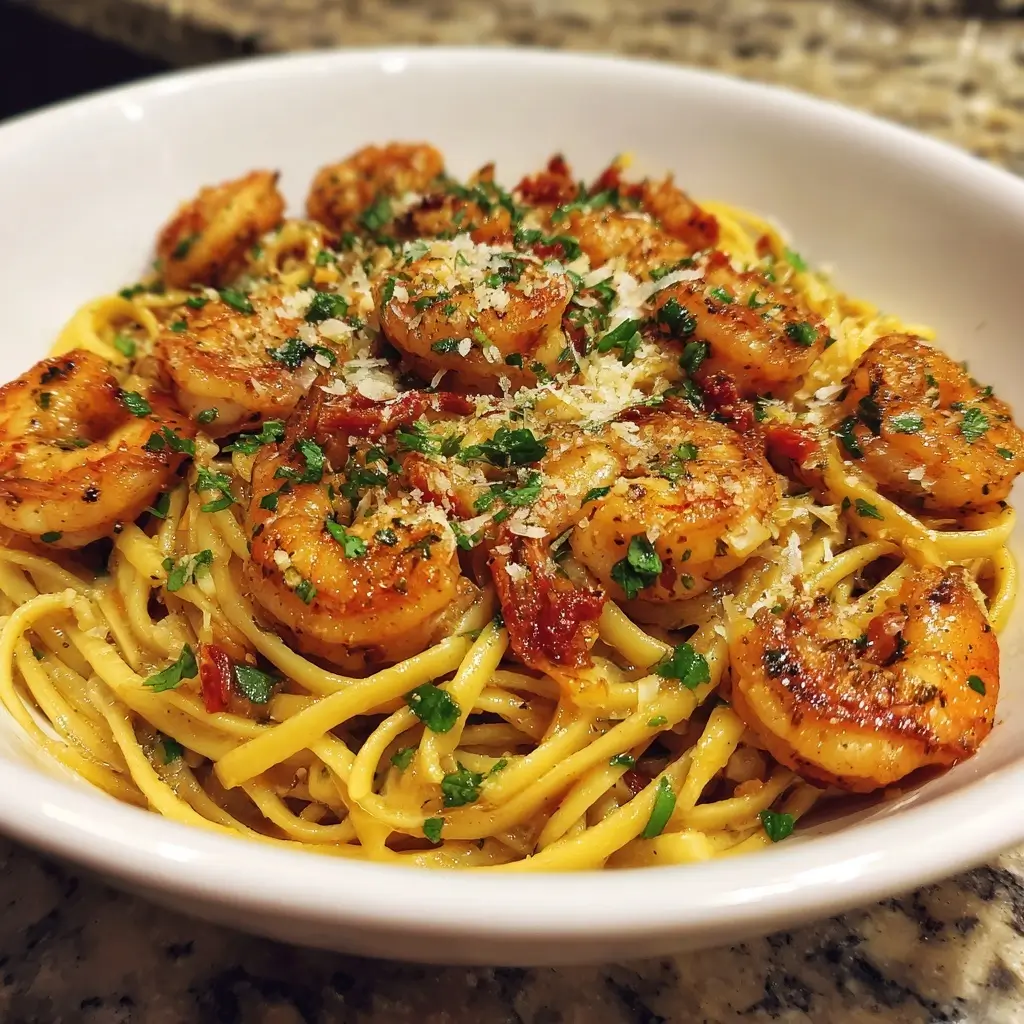
Cajun Shrimp Pasta is a vibrant, bold, and deeply satisfying dish that marries the fiery spirit of Louisiana’s culinary heritage with the comforting familiarity of Italian-inspired pasta. It’s a celebration of flavor—earthy, smoky, spicy, briny, and creamy—all coming together in one sizzling skillet or elegant bowl. Whether you’re craving a weeknight dinner with restaurant-quality flair or planning a dinner party centerpiece that wows without overwhelming your schedule, this dish delivers big taste with surprisingly simple technique. Its appeal lies not only in its robust profile but also in its remarkable versatility: easily scaled up for crowds or pared down for an intimate meal, adaptable to dietary preferences, and forgiving enough for home cooks of all skill levels.
The History
The origins of Cajun Shrimp Pasta lie at the crossroads of cultural adaptation and modern American fusion cuisine. While traditional Cajun cooking hails from the Acadian settlers of rural South Louisiana—characterized by “the Holy Trinity” (onions, bell peppers, celery), smoked meats, roux-based gravies, and bold seasoning blends—the concept of combining shrimp and pasta is far more contemporary. In the mid-to-late 20th century, as regional American cuisines gained national attention and Italian-American restaurants proliferated across the U.S., chefs and home cooks began experimenting with hybrid dishes. Shrimp, abundant along the Gulf Coast and prized for its sweet, delicate flavor, naturally became a star protein in these fusions. The addition of pasta—particularly linguine or spaghetti—offered a hearty, neutral canvas that absorbed rich, spiced sauces beautifully. Over time, the “Cajun” label became shorthand not just for authentic Acadian techniques, but for any boldly seasoned, blackened, or pan-seared preparation using a signature spice blend reminiscent of paprika, cayenne, garlic, and thyme. Though not found in historic Cajun cookbooks like Paul Prudhomme’s Louisiana Kitchen, modern interpretations—including Cajun Shrimp Pasta—have earned their place in the evolving canon of American comfort food, symbolizing culinary innovation rooted in respect for tradition.
Ingredients Breakdown
Every exceptional Cajun Shrimp Pasta begins with thoughtfully selected, high-quality components—each playing a distinct role in building layers of aroma, texture, and heat:
- Shrimp: Large or jumbo (16/20 or 21/25 count per pound), peeled and deveined—with tails on or off depending on presentation preference. Wild-caught Gulf shrimp are ideal for sweetness and firm texture; frozen shrimp (thawed properly) work exceptionally well when fresh isn’t available. Avoid pre-cooked or “enhanced” shrimp (injected with sodium tripolyphosphate), which can turn rubbery and dilute sauce flavor.
- Pasta: Long, slender varieties like linguine, spaghetti, or thin spaghetti hold up best to the thick, clingy sauce. For gluten-free needs, brown rice or quinoa pasta perform admirably if cooked al dente and rinsed briefly to remove excess starch. Fresh pasta adds luxurious tenderness but requires precise timing—it cooks in 2–3 minutes and benefits from being tossed directly into the hot sauce to finish.
- Cajun Seasoning: A balanced blend typically includes smoked paprika (for depth and color), garlic powder, onion powder, dried oregano and thyme, cayenne pepper (for adjustable heat), white and black pepper, and a touch of file powder (ground sassafras) for authentic gumbo-like nuance. Many commercial blends contain salt and anti-caking agents; for full control over sodium and freshness, making your own ensures vibrancy and avoids bitterness from stale spices.
- Aromatics: The “Holy Trinity”—diced yellow onion, green bell pepper, and celery—forms the foundational base. Garlic (minced or pressed) is added late to prevent burning. Optional but recommended: a small minced jalapeño (seeds removed for milder heat) or serrano for bright, vegetal heat.
- Liquid Components: A combination of dry white wine (like Sauvignon Blanc or Pinot Grigio) for acidity and brightness, low-sodium chicken or seafood stock for umami richness, and a splash of lemon juice (added at the end) for lift and balance. Heavy cream or full-fat coconut milk lends luxurious body without masking spice.
- Fats & Finishes: Unsalted butter provides sheen and mouthfeel; extra-virgin olive oil contributes fruitiness and helps bloom spices. Fresh parsley (flat-leaf) adds herbal freshness, while grated Parmesan or Pecorino Romano introduces savory saltiness—though traditionally not Cajun, it’s a widely embraced finishing touch in fusion versions.
Step-by-Step Recipe
- Prep Work (15 minutes): Thaw shrimp fully under cold running water; pat *extremely* dry with paper towels—this ensures proper searing, not steaming. Peel, devein, and season generously with 1½ tsp homemade Cajun spice (reserve remaining for later). Mince garlic, dice onion, bell pepper, and celery uniformly (¼-inch pieces). Measure wine, stock, cream, lemon juice, and herbs. Cook pasta in well-salted boiling water until 1 minute shy of package-directed al dente time. Reserve 1 cup starchy pasta water before draining.
- Sear the Shrimp (3–4 minutes): Heat 1 tbsp olive oil and 1 tbsp butter in a large, heavy-bottomed skillet or Dutch oven over medium-high heat until shimmering. Add shrimp in a single layer; do not overcrowd (cook in batches if needed). Sear 1–1.5 minutes per side until opaque with rosy edges and slight caramelization. Remove immediately to a plate—do not overcook, as they’ll return to the pan later.
- Sauté the Trinity (5–6 minutes): Reduce heat to medium. Add remaining 1 tbsp olive oil. Sauté onion, bell pepper, and celery until softened and translucent (about 4 minutes). Stir in minced garlic and optional jalapeño; cook 30 seconds until fragrant—do not brown.
- Bloom the Spices (1 minute): Sprinkle in remaining Cajun seasoning (about 1 tbsp) and smoked paprika (½ tsp for extra depth). Stir constantly for 45–60 seconds to toast spices, releasing essential oils and deepening flavor—this step is non-negotiable for aromatic intensity.
- Build the Sauce (6–8 minutes): Pour in white wine, scraping up browned bits from the pan bottom. Simmer 2 minutes to reduce by half. Add seafood or chicken stock and simmer another 3–4 minutes until slightly thickened. Stir in heavy cream and simmer gently 2 more minutes—do not boil vigorously, or cream may separate.
- Combine & Finish (3 minutes): Return shrimp to pan along with drained pasta. Toss vigorously over low heat for 1–2 minutes, adding reserved pasta water ¼ cup at a time until sauce coats noodles luxuriously. Stir in lemon juice, remaining 1 tbsp butter, and most of the parsley. Taste and adjust: more cayenne for heat, lemon for brightness, salt for balance (go easy—Cajun spice and cheese add salt).
- Plate & Garnish: Divide among warm bowls. Top with extra parsley, a dusting of Cajun spice, lemon zest, and grated cheese if desired. Serve immediately with crusty French bread or garlic toast for scooping every last drop.
Tips
- Dry shrimp thoroughly—excess moisture causes steaming instead of searing, resulting in gray, rubbery texture and weak browning.
- Use a wide, heavy skillet—ensures even heat distribution and enough surface area for proper evaporation during reduction.
- Don’t skip the wine reduction—it concentrates flavor and removes raw alcohol bite; substitute with additional stock + 1 tsp apple cider vinegar if avoiding alcohol.
- Control heat carefully—cream curdles above 180°F; maintain a gentle simmer, never a rolling boil, once dairy is added.
- Reserve pasta water religiously—its starch is the secret glue that binds sauce to noodles and creates silky emulsification.
- Add lemon juice at the very end—heat degrades its volatile citrus compounds, dulling brightness and aroma.
- Let seasoning rest—if making homemade Cajun spice, mix ingredients and store airtight for 24 hours before use; flavors meld and mellow for better balance.
- Toast whole spices first—for next-level depth, toast paprika, cumin seeds (optional), and black peppercorns in a dry pan before grinding.
- Finish with cold butter—adding chilled, cubed butter off-heat enriches texture and adds glossy sheen without splitting.
- Taste in stages—season after sautéing aromatics, after blooming spices, and again after combining—flavor evolves dramatically throughout cooking.
Variations and Customizations
Cajun Shrimp Pasta is endlessly adaptable—here’s how to make it your own without compromising authenticity or satisfaction:
- Protein Swaps: Replace shrimp with blackened catfish fillets, grilled chicken breast strips, or Andouille sausage (sliced and pan-seared until crisp). For vegetarian version, use king oyster mushrooms (sliced thick, marinated in Cajun spice + tamari, then seared) and add white beans for heartiness.
- Pasta Alternatives: Try gluten-free options like brown rice fusilli or chickpea penne. For low-carb/keto, substitute spiralized zucchini (“zoodles”), shirataki noodles, or roasted spaghetti squash—add these in the final 1–2 minutes to avoid sogginess.
- Dairy-Free/Creamy Options: Use full-fat canned coconut milk (stirred well), cashew cream (soaked raw cashews blended with water), or silken tofu purée. Nutritional yeast (1–2 tbsp) adds cheesy depth without dairy.
- Heat Level Adjustments: Mild: Omit cayenne, use sweet paprika, and add roasted red peppers. Medium: Stick to recipe. Hot: Double cayenne, add ½ tsp ground chipotle, or stir in 1 tsp hot sauce (like Crystal or Tabasco) at the end.
- Vegetable Boosters: Fold in baby spinach (wilted in at the end), cherry tomatoes (halved and roasted separately), corn kernels (grilled or sautéed), or okra (sliced and cooked until tender—true to Cajun tradition).
- Wine Substitutions: Dry vermouth, unsweetened apple cider, or clam juice (for ultra-seafood-forward notes) work beautifully. Non-alcoholic: Extra stock + 1 tsp rice vinegar + ½ tsp Dijon mustard for complexity.
- Flavor Twists: Add 1 tsp Worcestershire sauce for umami depth; stir in 2 tbsp tomato paste with the aromatics for subtle tang and body; finish with 1 tbsp chopped green onions and 1 tsp Old Bay for Chesapeake-Cajun fusion.
- Cheese Variations: Swap Parmesan for sharp white cheddar (melts beautifully), crumbled feta (for salty tang), or vegan mozzarella shreds (melting varieties only).
- One-Pot Version: Cook pasta directly in the sauce—reduce liquid by ¼ cup, add uncooked pasta and extra broth, cover and simmer 12–15 minutes, stirring occasionally, until pasta is tender and sauce is absorbed.
- Meal Prep Friendly: Prepare sauce base (through stock reduction) and spice blend ahead; store separately. Cook shrimp and pasta fresh for optimal texture—reheat sauce gently and combine just before serving.
Health Considerations and Nutritional Value
A well-balanced Cajun Shrimp Pasta can be both nourishing and indulgent—here’s what makes it nutritionally compelling and how to optimize it:
- Shrimp Nutrition: An excellent source of lean protein (24g per 4 oz), selenium (nearly 100% DV), vitamin B12, iodine, and astaxanthin—an antioxidant carotenoid responsible for shrimp’s pink hue, linked to reduced inflammation and UV skin protection.
- Heart-Healthy Fats: Olive oil contributes monounsaturated fats and polyphenols shown to support vascular function. Butter adds butyrate, a short-chain fatty acid beneficial for gut health—use in moderation.
- Low-Carb & Keto Adaptability: With zucchini noodles or shirataki, net carbs drop to ~8g per serving—ideal for metabolic health goals. Pair with healthy fats (avocado slices, pine nuts) to enhance satiety.
- Sodium Awareness: Store-bought Cajun blends often exceed 300mg sodium per tsp. Homemade versions cut sodium by 60–70%. Rely on herbs, citrus, and spice—not salt—for flavor impact.
- Spice Benefits: Cayenne contains capsaicin, associated with increased metabolism and pain modulation; garlic offers allicin (antimicrobial and cardiovascular support); paprika is rich in vitamin A and antioxidants like capsanthin.
- Gluten Sensitivity: Naturally gluten-free if using certified GF pasta and checking spice labels (some blends use wheat-based fillers). Always verify broth and wine for hidden gluten sources.
- Mercury & Sustainability: Shrimp is among the lowest-mercury seafood choices. Choose MSC-certified or ASC-certified farmed shrimp, or opt for U.S.-farmed (Louisiana, Texas) or wild-caught pink shrimp from Oregon for eco-conscious sourcing.
- Digestive Support: The “Holy Trinity” vegetables provide prebiotic fiber (inulin from onions, pectin from peppers) that feeds beneficial gut bacteria. Adding a splash of apple cider vinegar in the sauce further aids digestion.
- Calorie Transparency: A standard 1.5-cup serving (with 2 tbsp butter, ¼ cup cream, 4 oz shrimp, 2 oz pasta) ranges from 520–640 calories—adjustable downward by using less butter, light coconut milk, or increasing veggie volume.
- Allergen Notes: Contains shellfish (shrimp), dairy (butter, cream, cheese), and gluten (pasta)—clear labeling is essential for sensitive diners. Nut-free, soy-free, and egg-free by default unless substitutions introduce them.
Ingredients
- 1 lb large (16/20) raw shrimp, peeled and deveined (tails on optional)
- 8 oz linguine or spaghetti (or gluten-free alternative)
- 3 tbsp unsalted butter, divided
- 2 tbsp extra-virgin olive oil, divided
- 1 medium yellow onion, finely diced (about 1 cup)
- 1 green bell pepper, finely diced (about ¾ cup)
- 2 ribs celery, finely diced (about ½ cup)
- 4 cloves garlic, minced
- 1 small jalapeño, seeded and minced (optional, for heat)
- 2½ tsp homemade Cajun seasoning (see note), divided
- 1 tsp smoked paprika
- ½ cup dry white wine (e.g., Sauvignon Blanc)
- 1 cup low-sodium seafood or chicken stock
- ⅓ cup heavy cream (or full-fat coconut milk)
- 1 tbsp fresh lemon juice (plus zest for garnish)
- ¼ cup fresh flat-leaf parsley, finely chopped (plus extra for garnish)
- ½ tsp freshly ground black pepper
- Kosher salt, to taste (use sparingly—seasoning contains salt)
- Grated Parmesan or Pecorino Romano, for serving (optional)
Note: Homemade Cajun Seasoning (makes ¼ cup): Combine 2 tbsp smoked paprika, 1½ tsp garlic powder, 1½ tsp onion powder, 1 tsp dried oregano, 1 tsp dried thyme, 1 tsp freshly ground black pepper, 1 tsp cayenne pepper (adjust to preference), ½ tsp white pepper, and ½ tsp celery seed. Store airtight for up to 6 months.
Directions
- Bring a large pot of water to a rolling boil. Add 2 tbsp kosher salt and pasta. Cook according to package directions, reducing time by 1 minute. Before draining, reserve 1 cup starchy pasta water. Drain pasta and set aside.
- Pat shrimp completely dry with paper towels. Place in a bowl and toss with 1 tsp Cajun seasoning and ¼ tsp black pepper. Set aside.
- In a 12-inch heavy-bottomed skillet or Dutch oven, heat 1 tbsp olive oil and 1 tbsp butter over medium-high heat until shimmering. Add shrimp in a single layer. Sear 1–1.5 minutes per side until opaque and lightly golden. Transfer to a clean plate—do not wash skillet.
- Reduce heat to medium. Add remaining 1 tbsp olive oil. Add onion, bell pepper, and celery. Sauté 4–5 minutes until softened but not browned. Stir in garlic and jalapeño (if using); cook 30 seconds until fragrant.
- Add remaining 1½ tsp Cajun seasoning and 1 tsp smoked paprika. Stir constantly for 45–60 seconds to toast spices and release aroma.
- Pour in white wine, scraping up browned bits. Simmer 2 minutes until reduced by half. Add stock and simmer 3–4 minutes until liquid reduces slightly and thickens.
- Stir in heavy cream and simmer gently 2 minutes—do not boil rapidly. Sauce should coat the back of a spoon.
- Return shrimp and any accumulated juices to skillet. Add drained pasta and ½ cup reserved pasta water. Toss over low heat 1–2 minutes, adding more pasta water as needed until sauce clings luxuriously to noodles.
- Remove from heat. Stir in lemon juice, remaining 2 tbsp butter, and most of the parsley. Taste and adjust seasoning—add more cayenne for heat, lemon for brightness, or a pinch of salt only if needed.
- Divide among warmed bowls. Garnish with remaining parsley, lemon zest, extra Cajun spice, and grated cheese if desired. Serve immediately.
FAQ
- Can I use frozen shrimp?
- Absolutely—just thaw overnight in the fridge or under cold running water for 10–15 minutes. Pat *extremely* dry before seasoning and searing. Avoid “previously frozen” labels on already-thawed shrimp, as quality degrades with refreezing.
- Why does my sauce break or look greasy?
- Cream separates when overheated or mixed with acidic ingredients too early. Ensure gentle simmer (not boil) after adding cream, and add lemon juice only at the end. If separation occurs, whisk in 1 tsp cold butter off-heat to re-emulsify.
- Is Cajun seasoning the same as Creole seasoning?
- Not quite. Cajun blends emphasize heat and earthiness (more cayenne, black pepper, paprika); Creole blends highlight herbs (more oregano, basil, thyme) and are generally milder. They’re often interchangeable in this recipe—but for authenticity, stick with Cajun.
- How do I store and reheat leftovers?
- Refrigerate in an airtight container for up to 3 days. Reheat gently in a skillet over low heat with 1–2 tsp broth or water to loosen sauce—avoid microwaving uncovered, which dries out shrimp. Do not freeze—shrimp becomes mushy and cream-based sauces separate.
- What wine pairs best with Cajun Shrimp Pasta?
- A crisp, high-acid white complements the spice and richness: try Albariño, Grüner Veltliner, or unoaked Chardonnay. For red lovers, a light-bodied, low-tannin option like Gamay (Beaujolais) works surprisingly well.
- Can I make this dairy-free?
- Yes! Substitute full-fat coconut milk for cream, use olive oil instead of butter, and omit cheese. Add 1 tsp nutritional yeast at the end for savory depth. Ensure your Cajun spice has no dairy-derived additives.
- My shrimp turned rubbery—what went wrong?
- Overcooking is the #1 culprit. Shrimp cooks in minutes—remove from heat the second it turns opaque and curls into a loose “C” shape. Carryover cooking will finish it. Also ensure shrimp is bone-dry before searing.
- Can I prepare this ahead for a dinner party?
- You can prep everything except cooking shrimp and pasta up to 1 day ahead: chop vegetables, make spice blend, reduce wine-stock mixture (cool and refrigerate), and measure liquids. Cook shrimp and pasta fresh—combine all elements just before serving for peak texture and temperature.
- Is there sugar in Cajun seasoning?
- Traditional blends contain zero sugar—only spices and salt. Some commercial versions add sugar or maltodextrin as fillers. Always read labels or make your own to avoid unnecessary additives.
- What’s the best way to serve this for a crowd?
- Double or triple the sauce base and aromatics in a large Dutch oven. Cook pasta in batches if needed, drain, and toss in large warmed serving bowls or platters. Top with shrimp and garnishes family-style—or plate individually for elegance. Keep extra lemon wedges and hot sauce on the side.
Summary
Cajun Shrimp Pasta is a dynamic, soul-warming fusion dish where Louisiana’s bold, smoky-spiced tradition meets the comforting embrace of perfectly sauced pasta—balanced with bright citrus, creamy richness, and tender, sweet shrimp. It’s deeply customizable, nutritionally thoughtful, and technically accessible, proving that restaurant-worthy flavor doesn’t require complicated techniques—just intention, quality ingredients, and respect for layered seasoning.
Whether you’re dialing up the heat with chipotle and cayenne or cooling it down with roasted peppers and coconut milk, this dish invites creativity while honoring its roots—making it a timeless staple for weeknights, date nights, and everything in between.