
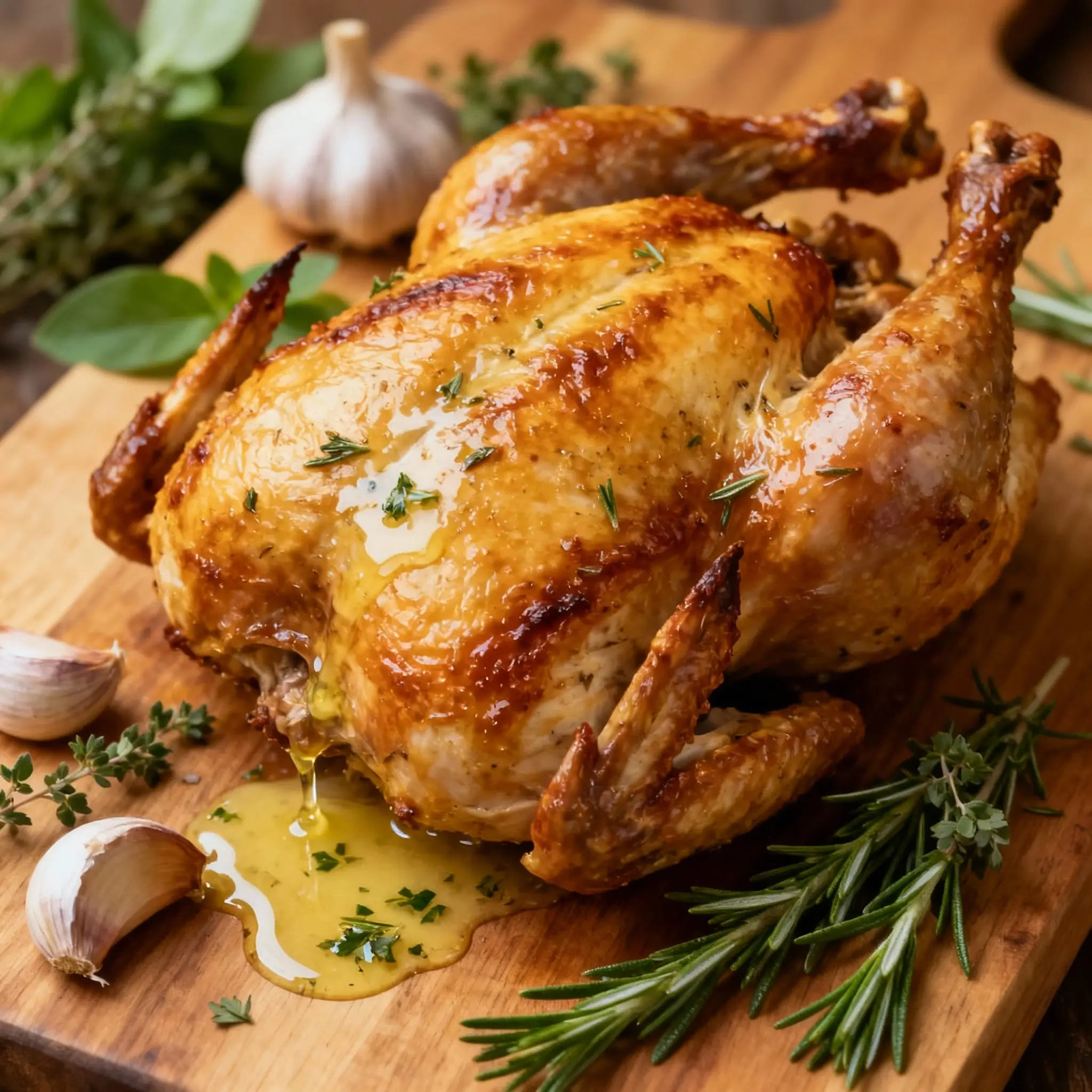
Garlic Herb Butter Roasted Chicken: A Flavorful Classic for Every Occasion
There are few dishes as universally beloved and satisfying as a perfectly roasted chicken. Among the many variations that have graced dinner tables across continents, Garlic Herb Butter Roasted Chicken stands out for its aromatic depth, succulent texture, and golden, crispy skin. This dish marries the rich savoriness of butter with the bold punch of garlic and the earthy freshness of herbs, creating a symphony of flavors that elevates even the simplest of meals. Whether you’re cooking for a family Sunday dinner, hosting guests during the holidays, or simply treating yourself to something special, this recipe delivers comfort, elegance, and unforgettable taste in every bite.
The History of Roasted Chicken and Its Culinary Evolution
Roasting chicken is one of the oldest and most widespread cooking methods known to humankind. Archaeological evidence suggests that humans have been roasting meat over open fires for tens of thousands of years. In ancient civilizations such as Rome, Greece, and Persia, roasted poultry was considered a delicacy often reserved for feasts and religious ceremonies. The Romans, in particular, were fond of flavoring their chickens with garum (a fermented fish sauce), honey, and various herbs—early precursors to modern seasoning techniques.
As culinary traditions evolved through the Middle Ages and into the Renaissance, roasting became more refined, especially in European kitchens. French and Italian cooks began stuffing poultry with aromatics and basting them with fats to enhance moisture and flavor. The use of butter as a basting agent gained popularity in France, where it was prized for its ability to carry herb essences and create a lustrous crust.
The concept of Garlic Herb Butter Roasted Chicken likely emerged from this European tradition, particularly influenced by French and Mediterranean cuisines. Garlic has long been used in these regions not only for its pungent flavor but also for its preservative qualities and health benefits. When combined with softened butter and fresh herbs like thyme, rosemary, and parsley, garlic transforms into a compound butter that penetrates the meat during roasting, infusing it from skin to bone.
In the 20th century, American home cooks adopted and adapted this technique, making it accessible and approachable for everyday kitchens. Today, Garlic Herb Butter Roasted Chicken is celebrated worldwide—not just for its deliciousness but also for its simplicity, versatility, and impressive presentation. It remains a staple in both rustic farmhouse kitchens and gourmet restaurants alike.
Ingredients Breakdown: Why Each Component Matters
The magic of Garlic Herb Butter Roasted Chicken lies in the careful selection and balance of ingredients. Each component plays a critical role in building layers of flavor, texture, and aroma. Here’s an in-depth look at what goes into this masterpiece and why it matters:
- Whole Chicken (3.5–4.5 lbs): Opt for a plump, air-chilled chicken if possible. Air-chilled birds tend to have drier skin, which helps achieve crispiness during roasting. Organic or free-range chickens often offer superior flavor and texture due to their diet and living conditions.
- Unsalted Butter (1 cup, softened): Using unsalted butter allows you to control the sodium level precisely. Softened butter is essential for easy blending with herbs and smooth application under the skin.
- Fresh Garlic (8–10 cloves, minced): Freshly minced garlic provides a sharp, aromatic kick that mellows beautifully during roasting. Avoid pre-minced jarred garlic, which often contains preservatives and lacks vibrancy.
- Fresh Herbs (¼ cup each chopped parsley, thyme, rosemary): These herbs form the aromatic backbone of the dish. Parsley adds freshness, thyme brings woodsy notes, and rosemary contributes a pine-like intensity. Use only fresh herbs for maximum flavor impact.
- Lemon (1 large, zested and halved): Lemon zest contains concentrated citrus oils that add brightness, while the juice inside the cavity helps keep the meat moist and balances richness.
- Kosher Salt (2 tbsp): Kosher salt adheres well to surfaces and dissolves slowly, enhancing flavor penetration. Its larger crystals prevent oversalting compared to table salt.
- Freshly Ground Black Pepper (1 tbsp): Adds warmth and complexity. Always grind pepper fresh for optimal aroma and spiciness.
- Onion (1 large, quartered): Placed inside the cavity, onions release sweet, savory vapors that steam the chicken from within and contribute to pan sauce development.
- Carrots and Celery (2 each, roughly chopped): Used as a flavorful roasting bed, these vegetables elevate the chicken off the pan, promote even browning, and enrich the drippings for gravy.
- Dry White Wine or Chicken Broth (½ cup): Deglazes the pan and creates a luxurious sauce. A dry white wine like Sauvignon Blanc adds acidity and depth; broth works well for non-alcoholic versions.
Step-by-Step Recipe: Crafting the Perfect Garlic Herb Butter Roasted Chicken
Follow this detailed method to achieve a flawlessly roasted chicken with juicy meat, crackling skin, and deep herbal fragrance.
- Preparation (1 day ahead – optional but recommended): For best results, dry-brine the chicken. Pat it dry with paper towels, then rub 1 tablespoon of kosher salt all over, including under the skin and inside the cavity. Place on a rack over a tray and refrigerate uncovered for 12–24 hours. This step seasons deeply and dries the skin for crispiness.
- Bring Chicken to Room Temperature: Remove the chicken from the refrigerator 1 hour before roasting. This ensures even cooking.
- Prepare the Garlic Herb Butter: In a bowl, combine softened butter, minced garlic, chopped parsley, thyme, rosemary, lemon zest, remaining salt, and black pepper. Mix thoroughly until uniform. Taste a tiny amount (cook briefly if concerned about raw garlic) to adjust seasoning.
- Loosen the Skin: Gently slide your fingers under the breast and thigh skin to separate it from the meat without tearing. This creates pockets for the butter to melt directly onto the flesh.
- Apply the Butter: Spoon about three-quarters of the herb butter mixture under the skin, spreading it evenly over the breasts and thighs. Rub the rest all over the outside of the chicken, ensuring full coverage.
- Stuff the Cavity: Insert the halved lemon, quartered onion, and a few sprigs of herbs into the cavity. This imparts internal aroma and moisture.
- Truss the Chicken (optional): Tie the legs together with kitchen twine and tuck wing tips under the body. Trussing promotes even cooking and a neat appearance.
- Preheat Oven & Prepare Pan: Preheat oven to 425°F (220°C). In a large roasting pan or Dutch oven, arrange the chopped carrots and celery in a single layer. Place a wire rack on top if available.
- Position the Chicken: Set the chicken breast-side up on the vegetables or rack. This elevates it for airflow and prevents soggy skin.
- Roast Initially at High Heat: Roast for 15 minutes at 425°F to sear the skin and begin crisping.
- Reduce Temperature: Lower heat to 375°F (190°C) and continue roasting for approximately 60–75 minutes, depending on size. Baste once halfway through with pan juices.
- Check Doneness: Insert a meat thermometer into the thickest part of the thigh (avoiding bone). It should read 165°F (74°C). Juices should run clear when pierced.
- Rest the Chicken: Transfer to a cutting board, tent loosely with foil, and let rest for 15–20 minutes. This allows juices to redistribute, ensuring moist meat.
- Make the Pan Sauce (optional but recommended): While chicken rests, place the roasting pan over medium heat. Add wine or broth, scraping up browned bits (fond). Simmer 5–7 minutes until slightly reduced. Strain into a serving jug if desired.
- Carve and Serve: Remove twine, carve the chicken, drizzle with warm herb butter or pan sauce, and serve immediately.
Tips for Success: Expert Secrets to Elevate Your Roast
- Dry Skin is Crispy Skin: Always pat the chicken dry before applying butter. Moisture is the enemy of crispiness.
- Use Compound Butter Under the Skin: This ensures the meat absorbs flavor directly and stays incredibly juicy.
- Don’t Skip the Resting Time: Cutting too soon releases precious juices, leading to dry meat.
- Rotate the Pan (if needed): Ovens have hot spots. Rotate the pan halfway through for even browning.
- Use a Meat Thermometer: Guessing leads to overcooking. A digital probe thermometer is the most reliable tool.
- Add Lemon Halves Later (Optional): If you find the lemon burns, add the halves during the last 30 minutes.
- Crisp Up at the End: For extra-crispy skin, turn on the broiler for 2–3 minutes at the end—watch closely!
- Serve with Absorbent Sides: Mashed potatoes, crusty bread, or polenta are perfect for soaking up the buttery juices and pan sauce.
Variations and Customizations: Make It Your Own
While traditional Garlic Herb Butter Roasted Chicken is timeless, feel free to experiment based on dietary preferences, cultural influences, or seasonal ingredients:
- Spicy Version: Add 1 tsp smoked paprika, ½ tsp cayenne, or finely chopped jalapeño to the butter for a kick.
- Citrus Twist: Substitute orange or lime for lemon. Add a teaspoon of fennel seeds for a Mediterranean flair.
- Mustard-Herb Butter: Stir in 1–2 tablespoons of Dijon mustard for tang and depth.
- Dairy-Free Option: Replace butter with high-quality olive oil or vegan butter. Add 1 tbsp nutritional yeast for umami.
- Herb Swaps: Try tarragon, sage, or dill instead of rosemary or thyme for different profiles.
- Stuffed Variation: Fill the cavity with sausage, apples, chestnuts, or wild rice for a heartier meal.
- Smoked Paprika & Cumin: For a Spanish-inspired twist, add smoked paprika and ground cumin to the butter.
- Asian Fusion: Use sesame oil, ginger, scallions, and soy sauce in place of some herbs for an umami-rich alternative.
- One-Pan Meal: Nestle baby potatoes, Brussels sprouts, or fennel around the chicken for a complete roast.
- Brined Version: Instead of dry-brining, wet-brine the chicken in saltwater with sugar, bay leaves, and peppercorns for 6–12 hours.
Health Considerations and Nutritional Value
Garlic Herb Butter Roasted Chicken can be part of a balanced diet when enjoyed in moderation. Here’s a breakdown of its nutritional profile and ways to make it healthier:
Nutritional Overview (per 6 oz serving, with skin, approximate):
- Calories: 420–480
- Protein: 40–45g (excellent source)
- Fat: 30–35g (mostly unsaturated from olive oil/herbs, but saturated fat from butter)
- Saturated Fat: 12–15g
- Cholesterol: ~120mg
- Sodium: 600–800mg (varies based on brining and added salt)
- Vitamins & Minerals: Rich in B6, B12, niacin, selenium, phosphorus, and iron.
Health Tips:
- Skin On vs. Skin Off: The skin contains most of the fat and calories. Removing it before eating reduces saturated fat significantly while retaining juiciness if cooked properly.
- Butter Moderation: Reduce butter to ½ cup or use a blend of half butter, half olive oil to lower saturated fat.
- Herbs for Health: Garlic has immune-boosting and anti-inflammatory properties. Rosemary and thyme are rich in antioxidants.
- Portion Control: Stick to 5–6 oz per serving and pair with fiber-rich vegetables or whole grains.
- Avoid Overcooking: Charring or burning meat can produce harmful compounds. Roast at proper temperatures and avoid excessive broiling.
- Gluten-Free & Dairy-Modified: Naturally gluten-free. Use dairy-free butter alternatives for lactose intolerance or vegan diets.
Ingredients
- 1 whole chicken (3.5–4.5 lbs)
- 1 cup (2 sticks) unsalted butter, softened
- 8–10 cloves garlic, minced
- ¼ cup fresh parsley, finely chopped
- ¼ cup fresh thyme leaves
- ¼ cup fresh rosemary, finely chopped
- Zest of 1 lemon
- 2 tablespoons kosher salt, divided
- 1 tablespoon freshly ground black pepper
- 1 large lemon, halved
- 1 large yellow onion, quartered
- 2 carrots, roughly chopped
- 2 celery stalks, roughly chopped
- ½ cup dry white wine or chicken broth (for pan sauce)
Directions
- (Optional) Dry-brine chicken with 1 tbsp salt and refrigerate uncovered 12–24 hours.
- Remove chicken from fridge 1 hour before cooking.
- In a bowl, mix softened butter, garlic, parsley, thyme, rosemary, lemon zest, remaining salt, and pepper.
- Gently loosen skin over breasts and thighs using fingers.
- Spread ¾ of the herb butter under the skin; rub remainder over exterior.
- Stuff cavity with lemon halves, onion quarters, and herb sprigs.
- Truss legs with kitchen twine if desired.
- Preheat oven to 425°F (220°C).
- Arrange carrots and celery in roasting pan; place rack on top if using.
- Set chicken on rack or vegetables, breast-side up.
- Roast at 425°F for 15 minutes, then reduce heat to 375°F (190°C).
- Continue roasting 60–75 minutes, until thigh reaches 165°F (74°C).
- Remove from oven, tent with foil, and rest 15–20 minutes.
- Meanwhile, deglaze pan with wine or broth over medium heat; simmer 5–7 minutes for sauce.
- Carve chicken and serve with pan sauce and roasted vegetables.
FAQ
Can I use frozen chicken?
It’s best to use fully thawed chicken. Cooking from frozen leads to uneven doneness and poor texture. Thaw in the refrigerator for 24–48 hours before roasting.
How do I store leftovers?
Cool completely and store in airtight containers. Refrigerate for up to 4 days or freeze for up to 3 months. Reheat gently in oven or microwave.
Can I cook this in a convection oven?
Yes! Convection ovens circulate hot air, promoting even browning. Reduce temperature by 25°F and check 10–15 minutes earlier than usual.
Why is my chicken skin not crispy?
Common causes include excess moisture, insufficient preheating, or overcrowding. Ensure the skin is dry, start at high heat, and avoid covering during roasting.
Can I prepare the butter ahead of time?
Absolutely. Make the herb butter up to 3 days in advance and store in the fridge, or freeze for up to 3 months. Bring to room temperature before use.
What sides go well with this chicken?
Classic pairings include mashed potatoes, roasted root vegetables, green beans almondine, wild rice pilaf, or a crisp garden salad.
Can I stuff the chicken with dressing?
Yes, but note that stuffing slows cooking and must reach 165°F internally. For food safety, consider baking stuffing separately.
Is this recipe suitable for meal prep?
Yes! Roast the chicken ahead, shred or slice, and portion with sides for quick lunches or dinners. The flavors deepen when reheated.
Summary
Garlic Herb Butter Roasted Chicken is a timeless, aromatic dish that combines succulent meat, crispy skin, and a fragrant blend of garlic and fresh herbs. Simple to prepare yet elegant enough for any occasion, it’s a guaranteed crowd-pleaser that fills your kitchen with irresistible warmth and flavor.