
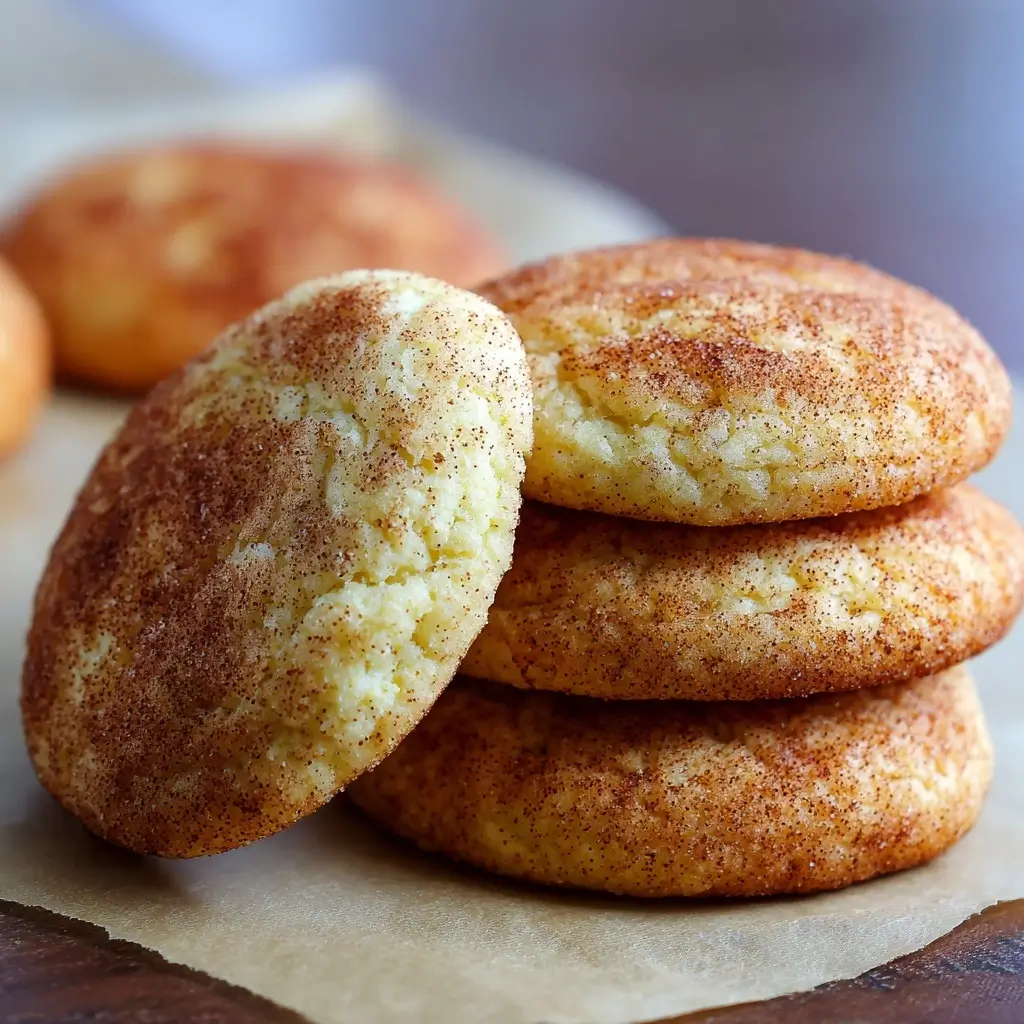
Thick Bakery-Style Snickerdoodles: A Soft, Chewy, Cinnamon-Sugar Delight
The History of the Snickerdoodle Cookie
The snickerdoodle is a classic American cookie with roots that trace back to German and Dutch baking traditions. Despite its whimsical name—believed by many to be derived from the German word “Schneckennudeln” (meaning “snail noodles”) or possibly a playful 19th-century American coinage—the cookie gained widespread popularity in the United States during the early 20th century. It was frequently featured in community cookbooks and home kitchens across the Midwest and New England.
Originally, snickerdoodles were made without baking soda or powder, relying on cream of tartar for leavening—a hallmark trait that still defines the authentic version today. Cream of tartar not only helps the cookies rise but also imparts their signature tangy flavor that perfectly balances the generous cinnamon-sugar coating. Over time, baking powder became a common addition to achieve a puffier texture, especially in bakery-style versions.
Today, the snickerdoodle stands as an iconic representation of comfort baking. Its soft, pillowy center, crisp sugary edges, and warm spice aroma make it a favorite among cookie lovers of all ages. The thick, bakery-style rendition elevates this humble treat into a decadent indulgence, reminiscent of those oversized cookies found in gourmet bakeries and coffee shops.
Ingredients Breakdown: What Makes These Snickerdoodles So Thick and Delicious?
The magic behind thick, bakery-style snickerdoodles lies in the careful selection and balance of ingredients. Each component plays a crucial role in achieving the perfect texture, flavor, and appearance.
- Unsalted Butter (1 cup, softened): Provides rich flavor and contributes to a tender crumb. Using softened butter ensures proper creaming with sugar, which traps air and creates lift during baking.
- Granulated Sugar (1 ¼ cups): Sweetens the dough while helping to create a slightly crisp exterior. A portion of this sugar is also used in the cinnamon-sugar coating for maximum flavor impact.
- Brown Sugar (¾ cup, packed): Adds moisture, chewiness, and depth of flavor due to its molasses content. This is essential for that soft, bakery-like texture.
- Eggs (2 large): Bind the ingredients together and add structure. They also contribute to the cookie’s rise and richness.
- Vanilla Extract (2 teaspoons): Enhances overall flavor with a warm, aromatic note that complements the cinnamon.
- All-Purpose Flour (2 ¾ cups): The backbone of the cookie. Measured correctly (spooned and leveled), it ensures the right density without making the cookies tough.
- Cream of Tartar (2 teaspoons): The defining ingredient in traditional snickerdoodles. It reacts with baking soda to create carbon dioxide, giving the cookies their signature slight tang and airy-yet-dense texture.
- Baking Soda (1 teaspoon): Works with cream of tartar to leaven the dough. Together, they produce a reliable rise, crucial for achieving thickness.
- Ground Cinnamon (½ teaspoon, in dough): Infuses warmth throughout the cookie, enhancing the spiced profile even before the outer coating.
- Salt (½ teaspoon): Balances sweetness and intensifies all other flavors.
For the Cinnamon-Sugar Coating:
- Granulated Sugar (½ cup)
- Ground Cinnamon (1 ½ tablespoons)
This generous coating caramelizes slightly during baking, creating a delightful crackled crust that contrasts beautifully with the soft interior.
Step-by-Step Recipe: How to Make Thick, Chewy Bakery-Style Snickerdoodles
Follow these detailed steps to bake the ultimate thick, bakery-inspired snickerdoodles at home—cookies that are puffy, soft-centered, and generously coated in spicy-sweet cinnamon sugar.
Ingredients
- 1 cup (2 sticks / 227g) unsalted butter, softened to room temperature
- 1 ¼ cups (250g) granulated sugar, divided
- ¾ cup (150g) packed light or dark brown sugar
- 2 large eggs, room temperature
- 2 teaspoons pure vanilla extract
- 2 ¾ cups (345g) all-purpose flour (spooned & leveled)
- 2 teaspoons cream of tartar
- 1 teaspoon baking soda
- ½ teaspoon salt
- ½ teaspoon ground cinnamon (added to dough)
- 1 ½ tablespoons ground cinnamon (for coating)
Directions
- Preheat and Prepare: Preheat your oven to 375°F (190°C). Line two large baking sheets with parchment paper or silicone baking mats. Set aside.
- Cream Butter and Sugars: In a large mixing bowl using a hand mixer or stand mixer fitted with a paddle attachment, beat the softened butter, 1 cup of granulated sugar, and all the brown sugar together on medium speed until creamy and smooth, about 2–3 minutes. Scrape down the sides as needed.
- Add Wet Ingredients: Add the eggs one at a time, beating well after each addition. Mix in the vanilla extract until fully combined.
- Combine Dry Ingredients: In a separate bowl, whisk together the flour, cream of tartar, baking soda, salt, and ½ teaspoon cinnamon. Ensure there are no clumps.
- Mix Dry into Wet: Gradually add the dry ingredients to the wet mixture on low speed, mixing just until combined. Do not overmix. The dough will be soft but hold its shape when chilled.
- Chill the Dough (Key Step!): Cover the bowl and refrigerate the dough for at least 1 hour, preferably 2 hours. Chilling prevents excessive spreading and allows the flour to hydrate fully, resulting in thicker, chewier cookies.
- Prepare Cinnamon-Sugar Coating: While the dough chills, mix ¼ cup granulated sugar with 1 ½ tablespoons cinnamon in a shallow bowl. Set aside.
- Shape the Cookies: Once chilled, remove dough from refrigerator. Scoop using a large cookie scoop (about 3 tablespoons per cookie) and roll into balls. Roll each ball generously in the cinnamon-sugar mixture until fully coated. Place dough balls at least 3 inches apart on prepared baking sheets—do not flatten, as they will spread naturally.
- Bake: Bake for 10–12 minutes. The cookies are done when the edges are set and lightly golden, but the centers still appear soft and slightly underbaked. They will continue to cook on the hot sheet once removed from the oven.
- Cool: Allow cookies to cool on the baking sheet for 5 minutes before transferring to a wire rack to cool completely. This resting period helps them set without becoming too crisp.
Tips for Perfect Thick Snickerdoodles Every Time
- Use Room Temperature Ingredients: Cold eggs or butter can prevent proper emulsification, leading to dense or uneven cookies.
- Don’t Skip the Chill: Chilling the dough is non-negotiable for thick cookies. Warm dough spreads too much, resulting in flat, thin snickerdoodles.
- Measure Flour Correctly: Spoon flour into your measuring cup and level it off with a knife. Scooping directly from the bag compacts the flour and can lead to dry, crumbly cookies.
- Use a Cookie Scoop: A large 3-tablespoon scoop ensures uniform size and professional-looking results.
- Underbake Slightly: Remove the cookies when the centers look puffy and soft. Overbaking leads to crunchiness instead of chewiness.
- Rotate Pans: For even baking, rotate the baking sheet halfway through if your oven has hot spots.
- Fresh Leavening Agents: Check that your baking soda and cream of tartar are fresh (less than 6 months old) for optimal rise.
Variations and Customizations
While classic snickerdoodles are timeless, feel free to experiment with fun twists to suit different tastes and occasions.
- Gluten-Free Option: Substitute the all-purpose flour with a 1:1 gluten-free baking blend (such as Bob’s Red Mill or King Arthur). Add ¼ teaspoon xanthan gum if not included in the blend.
- Vegan Snickerdoodles: Replace butter with vegan butter, eggs with flax eggs (1 tbsp ground flax + 2.5 tbsp water per egg), and use plant-based sugar (some granulated sugar is processed with bone char).
- Extra Spicy: Add a pinch of nutmeg, cloves, or ginger to the dough for a more complex spice profile.
- Stuffed Snickerdoodles: Press a piece of soft caramels, white chocolate chunk, or peanut butter cup into the center of each dough ball before rolling in sugar.
- Larger ‘Bakery Giant’ Cookies: Use ¼ cup of dough per cookie and bake at 350°F (177°C) for 14–16 minutes for massive, shareable treats.
- Mini Snickerdoodles: Use a teaspoon-sized scoop for bite-sized versions—perfect for parties or cookie platters. Reduce baking time to 8–9 minutes.
- Dipped in Chocolate: Once cooled, dip half of each cookie in melted dark, milk, or white chocolate for an elegant upgrade.
Health Considerations and Nutritional Value
Snickerdoodles are an indulgent treat best enjoyed in moderation. Here’s a breakdown of key nutritional aspects:
- Calories: Approximately 220–250 calories per large cookie (based on 12 cookies per batch).
- Fat: Around 10–12g total fat, mostly from butter. Saturated fat makes up about 6–7g.
- Carbohydrates: Roughly 35–38g per cookie, including 20–22g of sugar.
- Protein: About 2–3g per serving from eggs and flour.
- Sodium: Varies depending on butter and salt used—approximately 150–200mg per cookie.
Considerations:
- High in added sugars and refined carbohydrates. Not suitable for low-sugar or diabetic diets without significant modifications.
- Contains gluten and dairy. Can be adapted for dietary restrictions using substitutions (as noted above).
- No cholesterol-free or low-fat version maintains the same texture and flavor—fat is essential for chewiness and mouthfeel.
- To reduce sugar, you may cut back slightly on the coating, but avoid reducing sugar in the dough, as it affects browning, texture, and moisture.
Frequently Asked Questions (FAQ)
Why do my snickerdoodles go flat?
Likely causes: butter was too soft, dough wasn’t chilled, or too much sugar was used. Always chill the dough for at least 1 hour and ensure accurate measurements.
Can I freeze snickerdoodle dough?
Yes! Shape the dough into balls, roll in cinnamon-sugar, then freeze on a tray. Once solid, transfer to a freezer bag. Bake frozen—add 1–3 minutes to baking time.
Can I make snickerdoodles without cream of tartar?
Traditionally, no—cream of tartar is what makes a snickerdoodle a snickerdoodle. However, in a pinch, you can substitute with 2 teaspoons baking powder (though the flavor and texture will differ).
How long do they stay fresh?
Store in an airtight container at room temperature for up to 5 days. They retain softness best when layered with parchment paper.
Can I double the recipe?
Absolutely. This recipe scales well. Just ensure your mixer bowl isn’t overloaded, and chill the doubled dough in batches if needed.
Why do snickerdoodles have cracks on top?
The cracks form as the sugary exterior sets quickly while the inside continues to rise and expand during baking. This is normal and desirable!
Can I use margarine instead of butter?
Not recommended. Margarine has a higher water content and can cause spreading and greasiness. Stick to real butter for the best texture.
Summary
These thick, bakery-style snickerdoodles deliver the perfect balance of soft, chewy centers and crisp, cinnamon-kissed exteriors, just like your favorite café cookies. With a rich history, simple ingredients, and foolproof techniques, they’re destined to become a household staple.