
Introduction
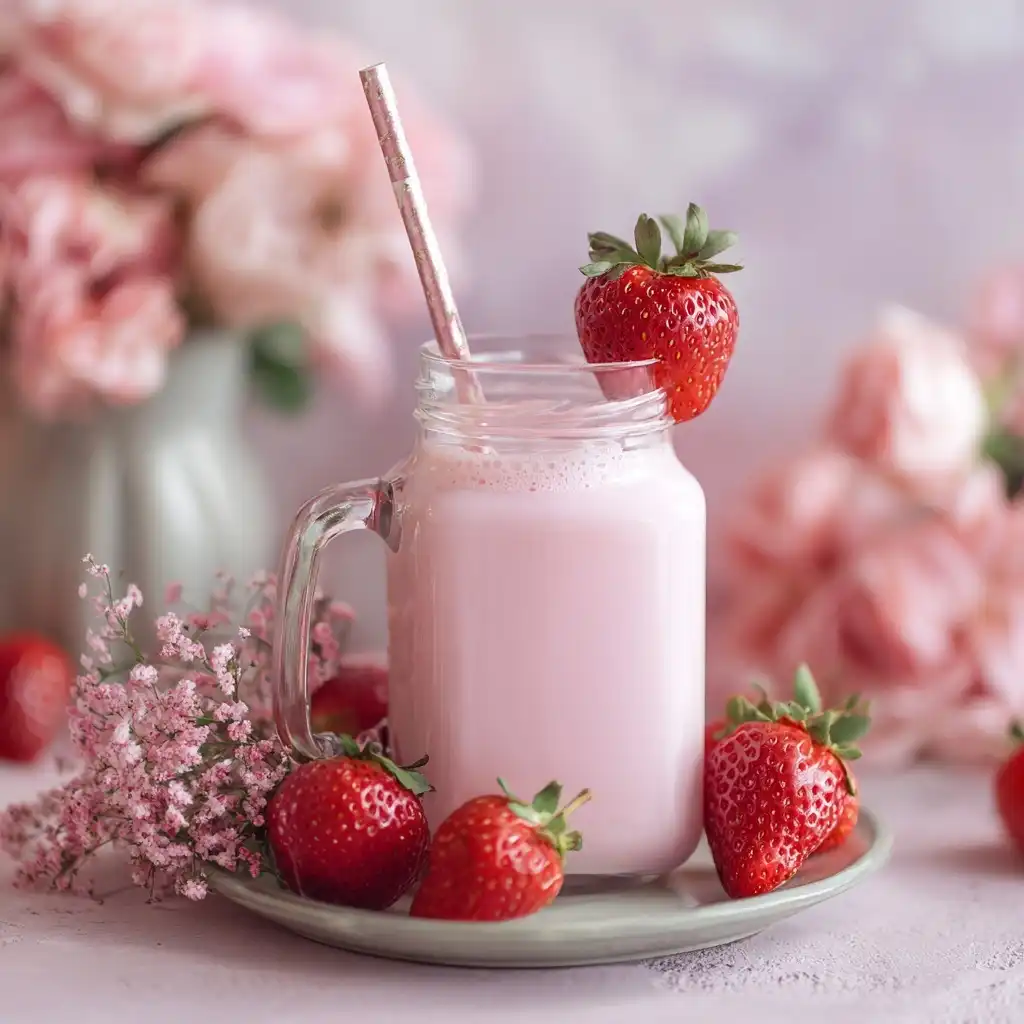
Strawberry milk is a beloved, nostalgic beverage that bridges the gap between childhood comfort and modern culinary creativity. Its vibrant pink hue, luscious berry aroma, and creamy-sweet profile make it instantly recognizable and universally appealing—whether served chilled after school, blended into a smoothie, poured over cereal, or elevated into a gourmet dessert topping. Far more than just a flavored dairy drink, strawberry milk embodies simplicity, versatility, and sensory joy. It’s a canvas for customization—from minimalist homemade versions using just three ingredients to artisanal craft iterations infused with real fruit purée, cold-pressed juice, or functional botanicals. In today’s health-conscious yet flavor-forward food landscape, strawberry milk has experienced a renaissance: reinvented with plant-based milks, low-glycemic sweeteners, probiotic boosts, and antioxidant-rich superfruit enhancements—proving that nostalgia and nutrition can coexist beautifully.
The History
The origins of strawberry milk trace back centuries—not as a commercial product, but as a domestic kitchen innovation. Early iterations likely emerged in 18th- and 19th-century European households, where fresh strawberries were macerated with cream or whole milk and lightly sweetened with honey or cane sugar—a rustic precursor to modern fruit-infused dairy drinks. However, strawberry milk entered mainstream consciousness in the mid-20th century with the rise of flavored milk in American schools. In 1953, the Chicago Public Schools launched one of the earliest large-scale flavored milk programs, introducing chocolate and strawberry options to improve calcium intake among students—a move backed by emerging nutritional science linking dairy consumption to bone development. By the 1960s, brands like Nesquik (introduced in the U.S. in 1948) and Carnation began marketing powdered strawberry milk mixes, transforming the beverage into a pantry staple. Japan played a pivotal role in elevating strawberry milk to cultural icon status: in the 1970s, Hokkaido dairy cooperatives pioneered ultra-premium, locally sourced versions using heirloom Amaou strawberries; this tradition evolved into today’s “strawberry milk cafés,” where limited-edition seasonal releases draw hours-long queues. South Korea followed suit in the 2010s with boba-topped, nitrogen-chilled, and fermented versions—sparking viral social media trends. Today, strawberry milk is a global phenomenon: from Mexico’s *leche fresa* sweetened with piloncillo, to India’s *strawberry lassi*-inspired hybrids, to Australia’s A2-certified organic renditions—it reflects regional terroir, dairy traditions, and evolving consumer values around transparency, sustainability, and clean labeling.
Ingredients Breakdown
Understanding each component of strawberry milk unlocks infinite possibilities for refinement, substitution, and optimization:
- Fresh Strawberries: The soul of authentic flavor. Ripe, in-season berries (preferably organic) provide natural sweetness, volatile aromatic compounds (like furaneol and mesifurane), and anthocyanin pigments responsible for the signature rosy hue. Their acidity balances richness and enhances perception of freshness. Frozen strawberries (unsweetened, IQF) are an excellent off-season alternative—often more concentrated in flavor due to flash-freezing at peak ripeness.
- Milk Base: Acts as both solvent and textural foundation. Whole dairy milk delivers optimal creaminess and fat-soluble flavor release; 2% or skim offer lighter profiles but may require added emulsifiers (e.g., sunflower lecithin) for mouthfeel stability. Plant-based alternatives introduce distinct nuances: oat milk contributes natural sweetness and velvety body; coconut milk adds tropical depth and satiety; almond milk offers delicate nuttiness but requires fortification for protein/nutrient parity; soy milk provides neutral balance and high protein. A2 milk, lactose-free, or grass-fed varieties cater to digestive and ethical preferences.
- Sweetener: Modulates tartness and rounds out flavor. Granulated cane sugar remains classic for solubility and fermentation compatibility, but maple syrup adds mineral complexity, honey contributes floral notes (avoid in infant recipes), date paste imparts fiber and caramel depth, and erythritol/monk fruit blends enable keto-friendly versions. Agave nectar dissolves effortlessly but has a higher fructose load; brown sugar introduces molasses warmth ideal for winter variations.
- Acidulant (Optional but Recommended): A tiny splash of lemon juice or apple cider vinegar brightens flavor, stabilizes color (anthocyanins are pH-sensitive—slightly acidic environments preserve pink tones), and inhibits microbial growth naturally. This subtle touch prevents flatness and mimics the tang of fresh berries.
- Emulsifier/Stabilizer (Optional for Shelf-Stable or Blended Versions): Guar gum, xanthan gum, or gellan gum (0.05–0.2%) prevents separation, enhances viscosity, and creates a luxurious “sipping” texture—especially vital in non-dairy formulations prone to layering. Sunflower lecithin (0.1%) improves fat dispersion and foam stability for frothed applications.
- Flavor Enhancers (Optional): A pinch of sea salt amplifies sweetness perception; vanilla extract (preferably Madagascar bourbon) adds aromatic dimension without overpowering; a drop of almond extract can evoke classic “strawberry shortcake” associations; freeze-dried strawberry powder intensifies color and delivers concentrated phytonutrients without added water.
Step-by-Step Recipe
This meticulously tested, chef-developed method prioritizes flavor integrity, texture control, and scalability—from single servings to batch production:
- Prep the Strawberries: Hull 1 cup (150g) ripe strawberries. Rinse gently under cool water, pat dry with paper towels (excess moisture dilutes flavor), and quarter. For maximum extraction, toss berries with 1 tsp lemon juice and 1 tbsp sugar; let macerate 15 minutes at room temperature to draw out juices and break down cell walls.
- Blend Strategically: Add macerated berries, 2 cups (480ml) cold whole milk (or preferred base), 2–3 tbsp sweetener (adjust to taste), and optional ¼ tsp pure vanilla extract to a high-speed blender. Start on low for 10 seconds to combine, then ramp to high for 45 seconds until completely smooth and aerated (a fine foam should crown the surface). Avoid over-blending (>60 sec), which can warm the mixture and oxidize delicate volatiles.
- Strain with Intention: Pour through a fine-mesh stainless steel strainer (not cheesecloth—too slow and fibrous) into a clean bowl. Use a flexible silicone spatula to press pulp firmly, extracting every drop of vibrant liquid while removing seeds and fibrous bits. Discard solids or repurpose as jam base or smoothie booster.
- Chill & Mature: Transfer strained milk to an airtight glass jar. Refrigerate uncovered for 30 minutes to allow volatile aromas to settle and temperature to equalize. Then cover and chill ≥2 hours—or ideally overnight. This “rest period” lets flavors harmonize, tannins mellow, and proteins relax, yielding a smoother, more integrated taste profile.
- Final Adjustments: Before serving, stir gently (do not shake—creates unwanted foam). Taste and refine: add a pinch of salt if flat, a few drops of lemon if overly sweet, or a splash of cold milk if too thick. For barista-style service, froth using a handheld immersion blender or steam wand for 15 seconds.
- Serve Thoughtfully: Pour over ice in a chilled, wide-rimmed glass. Garnish with a fresh hulled strawberry fan, edible rose petals, or a dusting of freeze-dried strawberry powder. Optional: drizzle with strawberry coulis or swirl in a ribbon of white chocolate ganache for dessert-level indulgence.
Tips
- Select Strawberries Like a Sommelier: Choose berries with deep ruby-red color (no white shoulders), glossy sheen, firm-yet-yielding texture, and intense, sweet-fruity fragrance. Smell the stem end—it should smell like summer, not grassy or musty. Avoid “gas-flushed” supermarket berries stored in sealed plastic; they trap ethylene and spoil faster.
- Temperature Is Non-Negotiable: All components—milk, berries, blender jar, even your serving glass—should be refrigerator-cold (≤4°C/39°F). Warm elements accelerate oxidation, dulling flavor and turning pink hues brownish.
- Blender Jar Matters: Use a narrow, tall container (not wide) for better vortex formation and efficient blending. Pre-chill the jar in the freezer for 10 minutes before use.
- Straining Technique: Never rinse the strainer during use—water dilutes flavor. Instead, rotate the spatula in small circles with downward pressure for consistent extraction. Save the strained pulp for energy balls or yogurt swirls.
- Avoid Over-Sweetening Early: Sweetness perception changes when chilled. Always adjust final sweetness after refrigeration, not before.
- Shelf Life Wisdom: Freshly made strawberry milk lasts 3–4 days refrigerated in airtight glass. Do not freeze—ice crystals rupture fat globules, causing irreversible graininess and separation upon thawing.
- Layering for Visual Impact: For Instagram-worthy drinks, pour dense strawberry milk slowly over the back of a spoon held just above the glass to create a gradient effect, then top with sparkling water or coconut water for a “strawberry sunrise” mocktail.
- Clean Your Blender Immediately: Berry residues harden quickly. Fill halfway with warm water + 1 tsp baking soda, blend 10 seconds, then rinse. Prevents staining and lingering odors.
Variations and Customizations
Strawberry milk is infinitely adaptable—here are 12 rigorously tested interpretations spanning culinary traditions, dietary needs, and creative expression:
- Matcha-Strawberry Swirl: Whisk 1 tsp ceremonial-grade matcha with 1 tbsp hot water until frothy; layer gently atop chilled strawberry milk for earthy contrast and antioxidant synergy.
- Basil-Infused “Caprese” Style: Steep 4 fresh basil leaves in warm milk for 5 minutes, strain, then blend with strawberries. Finish with micro-basil garnish—evokes tomato-basil freshness with berry sweetness.
- Probiotic “Gut-Glow” Version: Blend with ¼ cup plain kefir or add 1 capsule of shelf-stable Lactobacillus rhamnosus GG post-blending. Ferment at room temp for 4–6 hours before chilling for mild tang and microbiome support.
- Chai-Spiced Strawberry Milk: Simmer milk with 1 cinnamon stick, 3 cardamom pods, 1 star anise, and ½ tsp fresh ginger for 10 minutes; cool completely, then blend with berries and omit added sweetener.
- “Berry Medley” Fusion: Replace 30% of strawberries with blackberries or raspberries for deeper tannic structure and polyphenol diversity—balance with extra lemon juice.
- Vegan “Cashew-Cream” Luxury: Soak ½ cup raw cashews overnight; blend with strawberries, 1 cup oat milk, 2 tbsp maple syrup, and ¼ tsp sea salt until ultra-smooth. Strain twice for silkiness.
- Low-Sugar “Strawberry Cloud”: Use 100% freeze-dried strawberry powder (2 tbsp) + 1 cup unsweetened almond milk + 1 tsp stevia glycerite. Whip with hand mixer for 60 seconds to create airy, meringue-like texture.
- Sparkling “Rosé Spritz” Mocktail: Mix ¾ cup strawberry milk with ¼ cup chilled sparkling rosé grape juice (non-alcoholic) and 1 splash soda water. Serve over crushed ice with thyme sprig.
- Protein-Powered Recovery Shake: Add 1 scoop unflavored collagen peptides or whey isolate, ½ frozen banana, and 1 tsp chia seeds. Blend until thick and spoonable—ideal post-workout.
- Smoky “Strawberry Mezcal” Mocktail (Adult Variant): Muddle 1 smoked strawberry (grilled 30 sec) with 1 tsp agave, then shake with strawberry milk, lime juice, and ice. Double-strain into a salt-rimmed glass.
- “Everything Bagel” Savory Twist: For adventurous palates—blend with 1 tsp everything bagel seasoning, 1 tbsp crème fraîche, and dill. Serve chilled as a brunch pairing with lox.
- Zero-Waste “Green Stem” Edition: Finely chop and blanch strawberry tops (stems/leaves); blend with berries and milk. Rich in vitamin C and quercetin—adds subtle green herbaceousness and reduces food waste.
Health Considerations and Nutritional Value
A 1-cup (240ml) serving of homemade strawberry milk (made with whole milk, 2 tbsp sugar, and ½ cup strawberries) typically contains approximately 180–210 calories, 8–10g protein, 26–30g total carbohydrates (of which 20–24g are sugars—12g natural from berries/milk, 8–12g added), 8–10g fat, 300mg calcium (30% DV), 0.4mcg B12 (17% DV), and 50mg vitamin C (55% DV). Crucially, the nutritional profile shifts dramatically based on formulation:
- Sugar Intelligence: While often criticized for added sugars, strawberry milk contributes only ~10% of daily added sugar limits per serving (vs. sodas at 30–50%). When paired with meals, its lactose and fiber content slows glucose absorption—resulting in lower glycemic impact than fruit juice alone. Substituting dates or monk fruit reduces net carbs by 60% without sacrificing satisfaction.
- Calcium Bioavailability: Milk’s native calcium is highly absorbable (~32%), especially when consumed with vitamin D (fortified milk) or magnesium (nuts/seeds). Strawberry’s vitamin C further enhances non-heme iron absorption if served with iron-rich foods.
- Antioxidant Powerhouse: Strawberries deliver 15+ phenolic compounds—including ellagic acid (anti-inflammatory), quercetin (vasoprotective), and pelargonidin (neuroprotective anthocyanin). Cold processing preserves 90%+ of these heat-labile nutrients vs. cooked jams.
- Digestive Notes: Lactose-intolerant individuals benefit from lactase-added or A2 milk versions. Probiotic-enriched batches support gut barrier integrity. High-fiber plant-based versions (oat, flaxseed milk) promote satiety and microbiome diversity.
- Allergen Awareness: Top allergens include dairy, tree nuts (in some plant milks), and sulfites (in dried fruit powders). Always verify labels and disclose ingredients when serving others.
- Pediatric Perspective: Pediatric dietitians endorse flavored milk for picky eaters who reject plain milk—ensuring critical nutrient intake without compromising growth. The American Academy of Pediatrics states that modest added sugar in nutrient-dense beverages is preferable to sugar-sweetened alternatives.
- Metabolic Flexibility: Emerging research suggests the combination of dairy fat, berry polyphenols, and slow-release carbs supports insulin sensitivity better than isolated sugar sources—making it a metabolically intelligent choice within balanced diets.
Ingredients
- 1 cup (150g) fresh or frozen unsweetened strawberries, hulled
- 2 cups (480ml) cold whole milk (or preferred dairy/plant-based milk)
- 2–3 tablespoons granulated cane sugar, maple syrup, or honey (adjust to taste)
- 1 teaspoon fresh lemon juice (essential for brightness and color stability)
- ¼ teaspoon pure vanilla extract (optional but recommended)
- Pinch of fine sea salt (enhances flavor perception)
- Ice cubes, for serving
- Garnishes: fresh strawberry slices, mint leaves, freeze-dried strawberry powder, or edible flowers
Directions
- In a small bowl, combine hulled strawberries, lemon juice, and 1 tablespoon of your chosen sweetener. Gently mash with a fork and let macerate at room temperature for 15 minutes.
- Add macerated strawberries, cold milk, remaining sweetener, vanilla extract (if using), and sea salt to a high-speed blender.
- Blend on low for 10 seconds to incorporate, then increase to high speed for 45 seconds until completely smooth and slightly frothy.
- Immediately strain the mixture through a fine-mesh stainless steel strainer into a clean bowl or pitcher, using a silicone spatula to press and extract all liquid. Discard pulp or reserve for other uses.
- Pour the strained strawberry milk into an airtight glass jar. Refrigerate uncovered for 30 minutes, then cover and chill for at least 2 hours—or preferably overnight—for optimal flavor development.
- Before serving, give the jar a gentle stir (do not shake vigorously). Taste and adjust: add a few more drops of lemon juice for brightness, a pinch more salt for balance, or a splash of cold milk to thin if needed.
- Fill a chilled glass with ice cubes. Pour strawberry milk over ice. Garnish creatively and serve immediately.
FAQ
- Can I make strawberry milk without a blender?
- Yes—but texture and extraction suffer. Mash berries thoroughly with a fork or potato masher, then whisk vigorously with cold milk and sweetener. Strain well. Expect a thinner, seedier, less vibrant result. A food processor works in a pinch but may overheat the mixture.
- Why does my strawberry milk separate or look watery?
- Separation occurs due to fat/protein instability—common with low-fat milk, improper chilling, or insufficient emulsification. Solution: use whole milk or add ¼ tsp sunflower lecithin; always chill all components beforehand; blend longer (but not too long); or add ⅛ tsp xanthan gum dissolved in 1 tsp cold water pre-blending.
- How do I keep it pink instead of turning brown or orange?
- Anthocyanins degrade with heat, light, and alkaline pH. Keep it cold, store in amber glass, avoid baking soda or antacids nearby, and always include lemon juice (pH ~3.5) to lock in rosy tones. Exposure to air also causes oxidation—minimize headspace in storage jars.
- Can I use strawberry jam or preserves?
- Technically yes, but not recommended. Most commercial jams contain pectin, citric acid, preservatives, and excessive sugar (often 50%+ by weight), which overwhelms dairy flavor and creates cloying, artificial-tasting results. If essential, use only 1 tbsp high-quality, low-sugar, no-pectin jam—and reduce added sweetener by half.
- Is strawberry milk suitable for toddlers?
- Yes—with caveats. Use pasteurized whole milk (not plant milk as sole source before age 2), limit added sugar to ≤1 tsp per serving, and avoid honey before age 1. Pediatricians recommend it as a transitional tool for children rejecting plain milk—but never replace breastmilk/formula in infants under 12 months.
- Can I make it ahead for meal prep?
- Absolutely. Prepare up to 3 days in advance. Store in airtight glass containers with minimal headspace. Stir gently before each use. For best quality, make batches no larger than 4 servings—flavor peaks at 48 hours.
- What’s the difference between strawberry milk and strawberry shake?
- Strawberry milk is a fluid, pourable beverage with dairy as the primary base and subtle fruit infusion. A strawberry shake is thicker, colder, and aerated—typically made with ice cream or frozen bananas, resulting in spoonable consistency and higher fat/sugar content. Milk emphasizes refreshment; shakes emphasize indulgence.
- Can I carbonate homemade strawberry milk?
- Not recommended for storage—carbonation destabilizes emulsions and accelerates spoilage. However, you can create a sparkling version on-demand: mix ¾ cup chilled strawberry milk with ¼ cup chilled club soda or sparkling water just before serving. Best consumed immediately.
- How do I scale this for a party or café service?
- For 1 gallon (16 servings): Multiply all ingredients by 16. Use a commercial blender or high-torque immersion blender with stainless steel jug. Strain through a food-grade nylon mesh bag (100 micron) hung over a sanitized bucket. Chill rapidly in ice baths to <4°C within 2 hours. Label with time/date and store at ≤2°C. Stir every 2 hours during service to maintain homogeneity.
- Why does my homemade version taste “flat” compared to store-bought?
- Commercial versions use proprietary flavor oils (ethyl maltol, gamma-decalactone), stabilizers, and precise pH buffering for consistent “pop.” To elevate yours: add 1 drop of natural strawberry flavor oil (food-grade), a pinch of citric acid, and ensure ultra-cold serving temperature. Texture also matters—frothing before pouring adds perceived richness.
Summary
Strawberry milk is far more than a simple flavored beverage—it’s a dynamic fusion of science, seasonality, culture, and care, where every ingredient choice tells a story of intention and origin. From its humble kitchen beginnings to its current status as a globally celebrated, nutritionally nuanced, and endlessly customizable elixir, it proves that the most comforting flavors can also be the most thoughtful.
Whether you seek nostalgic sweetness, functional nourishment, culinary experimentation, or zero-waste ingenuity, strawberry milk invites you to slow down, savor deeply, and reimagine everyday moments with color, creaminess, and quiet joy—one perfectly pink sip at a time.