
Introduction
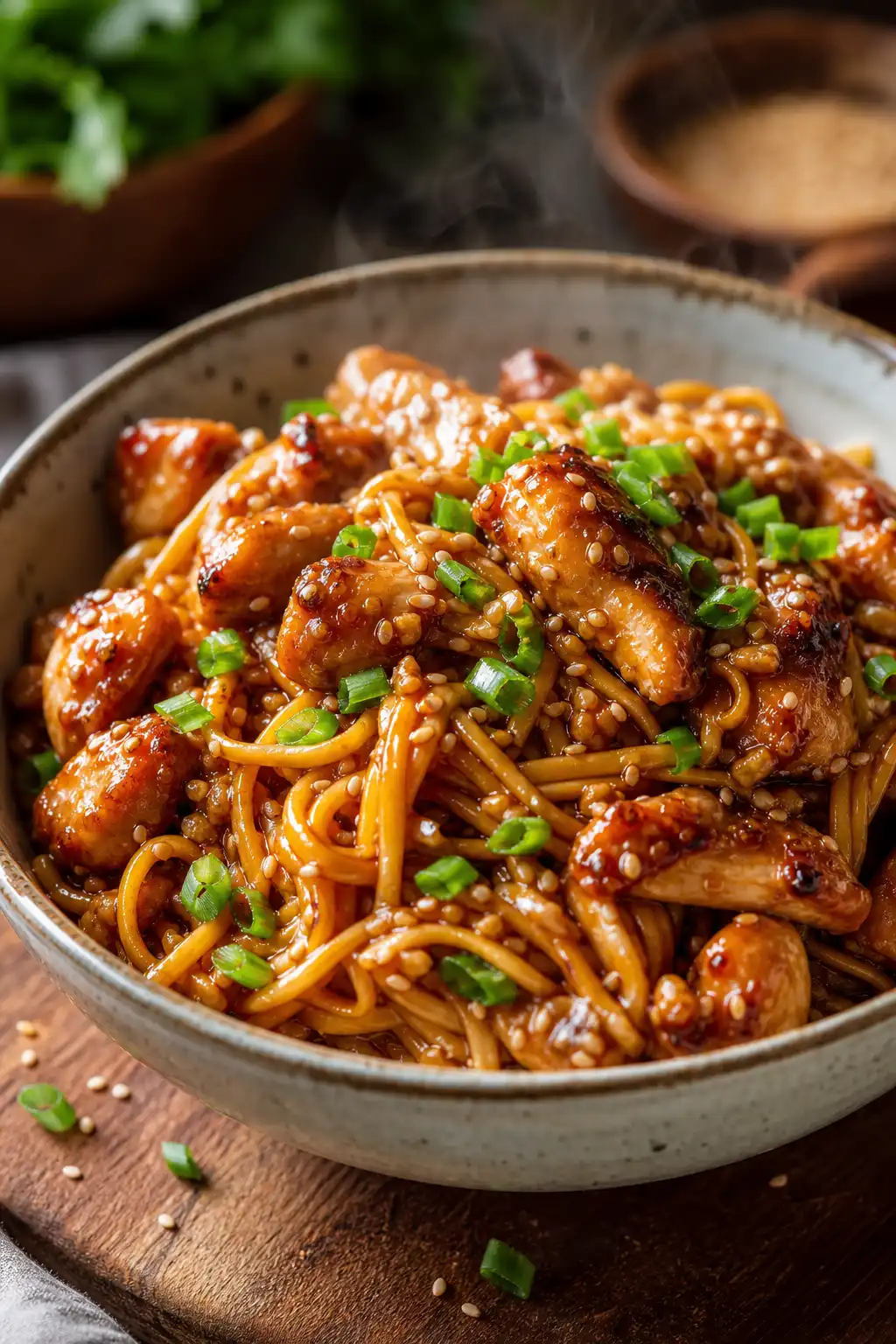
Sticky Garlic Chicken Noodles are a beloved fusion dish that marries the bold, aromatic depth of Asian-inspired sauces with the comforting familiarity of Western-style noodles and tender chicken. This dish delivers an irresistible balance of sweet, savory, umami, and pungent notes—anchored by copious amounts of fresh garlic, caramelized soy-based glaze, and perfectly cooked protein. Whether served as a weeknight dinner, meal-prep staple, or crowd-pleasing centerpiece at casual gatherings, its glossy sheen, fragrant aroma, and satisfying chew make it instantly crave-worthy. Unlike traditional stir-fries that prioritize crisp-tender vegetables and quick sear, Sticky Garlic Chicken Noodles embrace deliberate reduction, gentle simmering, and intentional stickiness—transforming humble pantry staples into something luxuriously cohesive and deeply flavorful.
The History
While no single documented origin point exists for “Sticky Garlic Chicken Noodles” as a formalized recipe, its roots trace back to a rich tapestry of culinary cross-pollination spanning decades. The concept draws heavily from classic Chinese gan bian (dry-fried) techniques and Cantonese-style soy-glazed proteins, fused with Japanese tare-based marinades and Korean yangnyeom (seasoned) sauce philosophies. In the 1970s and ’80s, American-Chinese takeout menus began experimenting with “sesame chicken” and “garlic shrimp”—dishes that prioritized bold, sticky coatings over authenticity—and laid the groundwork for modern interpretations. The rise of food blogging in the early 2000s, particularly on platforms like Food52 and Smitten Kitchen, catalyzed a wave of home-cook reinterpretations: chefs and enthusiasts started combining low-sodium soy sauce, brown sugar, rice vinegar, and minced garlic into glossy, clingy sauces ideal for coating noodles. By the mid-2010s, viral TikTok videos showcasing sizzling wok-tossing, slow-motion sauce reduction, and generous garlic confetti elevated the dish into internet fame—sparking countless regional adaptations across Australia, Canada, the UK, and Southeast Asia. Today, it stands not as a “traditional” dish per se, but as a dynamic, globally resonant expression of comfort food evolution—where technique meets accessibility, and garlic reigns supreme.
Ingredients Breakdown
Every element in Sticky Garlic Chicken Noodles plays a purposeful role—not merely as flavor carriers, but as functional contributors to texture, adhesion, balance, and mouthfeel. Understanding each ingredient’s science ensures consistent, restaurant-quality results:
- Chicken Breast or Thighs: Boneless, skinless thighs are strongly recommended for superior moisture retention, richer fat content (which emulsifies the sauce), and resistance to drying during simmering. Breasts work for leaner preferences but require precise timing and velveting (a light cornstarch-egg white marinade) to prevent rubberiness.
- Garlic: Fresh, raw, finely minced or crushed—not powdered or jarred. Allicin, the compound responsible for garlic’s pungency and health benefits, is activated upon crushing and peaks in potency within minutes. For optimal aroma and layered heat, use 6–8 large cloves (≈3 tablespoons minced); reserve 1 tsp for garnish to add bright, uncooked sharpness at the end.
- Soy Sauce (Low-Sodium Preferred): Provides umami backbone and salt balance. Low-sodium versions prevent oversalting when reducing—critical since evaporation concentrates sodium. Tamari or coconut aminos serve as excellent gluten-free or soy-free alternatives without sacrificing depth.
- Brown Sugar (Dark Preferred): Adds molasses-driven complexity, color, and viscosity. Dark brown sugar contains more molasses than light, yielding deeper caramel notes and better glaze formation. Honey or maple syrup may substitute but alter pH and reduce shelf stability; coconut sugar works for lower-glycemic needs but requires longer dissolution.
- Rice Vinegar: Offers clean, bright acidity to cut through richness and balance sweetness. Unseasoned rice vinegar is essential—seasoned varieties contain added sugar and salt, throwing off the sauce’s calibrated ratios. Apple cider vinegar is a tolerable backup but imparts fruity tang; distilled white vinegar is too harsh.
- Sesame Oil (Toasted): Used strictly as a finishing oil—not for cooking—due to its low smoke point and volatile aromatic compounds. Drizzled at the end, it imparts nutty, roasted fragrance that lifts the entire dish. Never substitute with raw or refined sesame oil; they lack the same olfactory impact.
- Fresh Ginger: Grated on a microplane for maximum surface area and juice release. Contains zingiberene and shogaols—compounds that enhance warmth, aid digestion, and synergize with garlic’s antimicrobial properties.
- Green Onions & Sesame Seeds: Primarily textural and aromatic accents. Thinly sliced green onions (both white and green parts) deliver mild allium freshness and visual contrast; toasted white sesame seeds add subtle crunch and nuttiness. Black sesame seeds offer visual drama and slightly earthier flavor.
- Noodles: Medium-thick wheat-based noodles (like udon, chow mein, or Japanese ramen-style noodles) hold up best to sticky sauces without becoming mushy. Rice noodles (e.g., pad thai or vermicelli) absorb sauce differently—soak them precisely and toss immediately to avoid clumping. Gluten-free options like brown rice or mung bean threads perform admirably when rinsed thoroughly post-boil.
- Neutral High-Smoke-Point Oil: Peanut, avocado, or refined sunflower oil for initial searing—ensures Maillard reaction without burning garlic or sugar residues.
- Optional Umami Boosters: A ½ tsp of fish sauce (adds fermented depth without detectable fishiness), 1 tsp of gochujang (for gentle heat and fermented sweetness), or ½ tsp of nutritional yeast (vegan umami punch) can elevate complexity without compromising authenticity.
Step-by-Step Recipe
- Prep All Ingredients Mise en Place: Slice chicken into uniform ¾-inch strips (not cubes—increases surface area for sauce adherence). Mince garlic and ginger separately; slice green onions diagonally; measure all sauce components into a bowl and whisk until sugar fully dissolves. Cook noodles according to package instructions—but reduce boiling time by 1 minute to achieve *al dente* texture. Drain, rinse under cold water to halt cooking, then toss with 1 tsp neutral oil to prevent sticking. Set aside.
- Velvet the Chicken (Optional but Recommended): In a small bowl, combine chicken strips with 1 tsp soy sauce, 1 tsp cornstarch, 1 tsp rice wine (or dry sherry), and ½ tsp neutral oil. Gently massage for 30 seconds. Let marinate 15–20 minutes at room temperature. This creates a protective starch layer, ensuring juiciness and helping sauce cling.
- Toast Aromatics Without Burning: Heat 1½ tbsp neutral oil in a heavy-bottomed skillet or wok over medium-low heat. Add minced ginger and half the minced garlic (≈2 tbsp). Stir constantly for 45–60 seconds until fragrant but not browned—garlic burns easily and turns bitter. Remove from heat momentarily if pan gets too hot.
- Develop Maillard & Caramelize: Return pan to medium-high heat. Add chicken in a single layer—do not overcrowd. Sear undisturbed for 2 minutes until golden on one side, then flip and cook 1–2 more minutes until just cooked through (165°F internal temp). Transfer to a clean plate; tent with foil.
- Build the Sticky Base: Reduce heat to medium-low. Pour in prepared sauce mixture—scrape up any browned bits (fond) from the pan for maximum flavor. Simmer gently, stirring continuously, for 3–4 minutes until thickened to a light syrup consistency—coats the back of a spoon and leaves a clear trail when you run your finger through it.
- Combine & Coat with Precision: Return chicken to pan along with any accumulated juices. Add drained noodles. Toss vigorously with tongs for 90–120 seconds—allowing residual heat to finish cooking noodles while coating every strand evenly. Sauce should cling thickly, glisten, and emit visible steam—not pool at the bottom.
- Finish with Freshness & Fat: Remove from heat. Immediately fold in reserved raw garlic (1 tsp), sliced green onions (reserve some for garnish), and 1½ tsp toasted sesame oil. Toss once more to distribute aromatics without cooking them out.
- Rest & Serve: Let rest 2 minutes—this allows starches to relax and sauce to further adhere. Garnish generously with extra green onions, sesame seeds, and optional red pepper flakes or pickled jalapeños for contrast. Serve immediately in warmed bowls.
Tips
- Garlic Timing Is Everything: Adding all garlic at the beginning guarantees bitterness. Reserve at least 15% raw for finishing—it preserves enzymatic brightness and volatile sulfur compounds lost to heat.
- Sauce Reduction Control: If sauce thickens too fast, splash in ½–1 tsp warm water or unsalted chicken broth to loosen. If too thin after 5 minutes, increase heat slightly and stir more aggressively to encourage evaporation—never add more cornstarch mid-process, as it creates gluey texture.
- Noodle Temperature Matters: Cold noodles shock the hot sauce and cause clumping. After rinsing, briefly steam them in a colander over simmering water for 20 seconds, or microwave on high for 15 seconds to bring them to lukewarm before tossing.
- Wok Hei Without a Wok: Achieve smoky depth in a skillet by preheating it until a drop of water dances and evaporates instantly—then adding oil and swirling to coat. That intense thermal transfer mimics professional wok cooking.
- Batch Scaling Pro-Tip: When doubling, cook chicken in two batches and keep first batch warm in a 200°F oven. Never double the sauce volume in one pan—evaporation rates change, leading to inconsistent glaze development.
- Leftover Reinvention: Refrigerated leftovers (up to 4 days) transform brilliantly: pan-fry in a lightly oiled skillet for crispy-edged “noodle cakes,” or stir into beaten eggs for savory garlic-chicken fried rice.
- Salt Layering Strategy: Season chicken lightly before velveting, use low-sodium soy in sauce, and only add flaky sea salt at the very end—if needed. This prevents cumulative oversalting common in reduced sauces.
- Acid Adjustment Test: Before serving, taste sauce with a clean spoon. If overly sweet, add rice vinegar ¼ tsp at a time. If too sharp, add brown sugar ¼ tsp at a time. Always adjust *after* reduction, as flavors concentrate unpredictably.
Variations and Customizations
This recipe is intentionally modular—designed to adapt across dietary frameworks, seasonal produce, pantry limitations, and global palates:
- Vegan/Vegetarian Version: Replace chicken with extra-firm tofu (pressed 30 mins, cubed, and pan-fried until crisp), king oyster mushrooms (sliced thick and seared for “scallop-like” texture), or seitan strips. Use tamari instead of soy, maple syrup instead of brown sugar, and add 1 tsp miso paste to the sauce for fermented depth.
- Low-Carb/Keto Adaptation: Swap noodles for spiralized zucchini (“zoodles”), shirataki noodles (rinse thoroughly and dry-fry 2 mins to remove excess water), or blanched cabbage ribbons. Increase healthy fats—add 1 tbsp chopped macadamia nuts or avocado slices post-toss.
- Spicy Szechuan-Inspired: Stir 1 tbsp doubanjiang (fermented broad bean paste) into sauce base; finish with ½ tsp Szechuan peppercorns (toasted and ground) and chili oil drizzle. Garnish with preserved mustard greens.
- Thai-Influenced Twist: Replace rice vinegar with lime juice, add 1 tbsp Thai basil leaves (added at the end), 1 tsp lemongrass paste, and top with crushed roasted peanuts and lime wedges.
- Breakfast Noodle Bowl: Top finished noodles with a jammy 6½-minute poached egg—the yolk becomes a rich, unctuous sauce enhancer. Add sautéed bok choy and furikake.
- Meal-Prep Friendly Batch: Double the sauce and store separately in glass jars for up to 10 days refrigerated. Cook fresh noodles and chicken daily, then combine with 2 tbsp chilled sauce per serving—heat gently in skillet to reactivate stickiness.
- Oven-Baked “Set-It-and-Forget-It” Method: Combine cooked noodles, chicken, and sauce in a parchment-lined sheet pan. Bake at 375°F for 12–15 minutes, stirring halfway, until bubbly and glossy. Ideal for feeding crowds with minimal active time.
- Seafood Upgrade: Substitute chicken with shrimp (peeled, deveined, tails off) or scallops. Reduce sear time to 1–1.5 minutes per side. Add 1 tsp Old Bay seasoning to sauce for coastal nuance.
Health Considerations and Nutritional Value
A single 1.5-cup serving (made with chicken thighs, udon noodles, and standard sauce ratios) provides approximately:
- Calories: 520–580 kcal
- Protein: 32–36g (excellent source; supports muscle maintenance and satiety)
- Total Carbohydrates: 62–68g (primarily complex carbs from noodles; fiber ~2–3g unless whole-grain noodles used)
- Fat: 14–18g (mostly unsaturated from sesame and cooking oils; ~3g saturated)
- Sodium: 890–1,150mg (within FDA Daily Value limit of 2,300mg, but modifiable—see tips below)
- Key Micronutrients: Vitamin B6 (garlic, chicken), manganese (brown sugar, sesame), selenium (chicken), copper (sesame), and allicin (bioactive compound in raw garlic linked to cardiovascular and immune support).
Dietary Modifications for Specific Needs:
- Lower Sodium: Use no-salt-added chicken broth in place of part of the liquid, opt for low-sodium tamari, eliminate added table salt, and boost flavor with citrus zest, smoked paprika, or celery seed instead of relying solely on soy.
- Blood Sugar Management: Choose 100% whole-grain or legume-based noodles (lentil, chickpea), reduce brown sugar to 1 tbsp and supplement with 1 tsp monk fruit blend, add 1 cup shredded broccoli rabe or spinach for fiber and magnesium.
- Heart-Healthy Focus: Replace half the neutral oil with avocado oil (high in monounsaturated fats), increase garlic to 10 cloves (studies suggest ≥1 clove/day supports endothelial function), and top with 1 tbsp chopped walnuts (omega-3 ALA).
- Gut-Friendly Version: Ferment the sauce base: combine soy, vinegar, garlic, and ginger; cover and refrigerate 24–48 hours before use. Adds beneficial microbes and pre-digests proteins for easier assimilation.
- Allergen Notes: Naturally nut-free and dairy-free. To make gluten-free, verify certified GF tamari and noodles; avoid soy sauce containing wheat unless labeled GF. For sesame allergy, omit sesame oil and seeds—substitute with cold-pressed pumpkin seed oil and hemp hearts.
Note: While not a “diet food,” this dish aligns well with Mediterranean and DASH diet principles when balanced with non-starchy vegetables and mindful portions—emphasizing whole ingredients, plant aromatics, lean protein, and minimally processed sweeteners.
Ingredients
- 1 lb boneless, skinless chicken thighs, sliced into ¾-inch strips
- 8 large garlic cloves, finely minced (divided: 2 tbsp + 1 tsp)
- 1 tbsp fresh ginger, microplaned
- 2 tbsp neutral high-smoke-point oil (peanut, avocado, or refined sunflower)
- ⅓ cup low-sodium soy sauce (or tamari for GF)
- ¼ cup dark brown sugar, packed
- 3 tbsp unseasoned rice vinegar
- 1 tbsp rice wine or dry sherry (optional but recommended)
- 1 tsp cornstarch
- 1 tsp toasted sesame oil (for finishing—NOT cooking)
- 12 oz fresh or dried udon, chow mein, or ramen-style noodles
- 3 green onions, thinly sliced (white and green parts separated)
- 1 tbsp toasted white sesame seeds
- Red pepper flakes or pickled jalapeños (optional, for heat)
- Flaky sea salt (to taste, only if needed)
Directions
- Bring a large pot of salted water to boil. Cook noodles per package directions, reducing time by 1 minute. Drain, rinse under cold water until cool, then toss with 1 tsp neutral oil. Set aside.
- In a small bowl, combine chicken strips with 1 tsp soy sauce, 1 tsp cornstarch, 1 tsp rice wine, and ½ tsp neutral oil. Massage gently and marinate 15–20 minutes.
- Heat 1½ tbsp neutral oil in a 12-inch skillet or wok over medium-low heat. Add ginger and 2 tbsp minced garlic. Stir constantly 45–60 sec until fragrant—do not brown.
- Increase heat to medium-high. Add marinated chicken in single layer. Sear 2 min undisturbed, flip, cook 1–2 min more until cooked through. Transfer to plate; tent with foil.
- Reduce heat to medium-low. Whisk together remaining soy sauce, brown sugar, rice vinegar, and rice wine. Pour into pan, scraping up fond. Simmer 3–4 min, stirring, until syrupy and coats spoon.
- Return chicken (and juices) to pan. Add noodles. Toss vigorously 90–120 sec over medium heat until evenly coated and glossy.
- Remove from heat. Fold in reserved 1 tsp raw garlic, white parts of green onions, toasted sesame oil, and half the sesame seeds.
- Rest 2 minutes. Garnish with green onion tops, remaining sesame seeds, red pepper flakes, and flaky salt if desired. Serve immediately.
FAQ
- Can I make this ahead of time?
- Yes—with caveats. Sauce keeps refrigerated in airtight container up to 10 days. Cooked chicken stays safe 3–4 days. Noodles, however, are best cooked fresh—pre-cooked noodles harden and absorb too much sauce when chilled. For true make-ahead success: prep sauce and marinate chicken separately; cook noodles and chicken the day of, then combine.
- Why does my sauce turn grainy or separate?
- Graininess usually means undissolved sugar—always whisk sauce vigorously before heating. Separation occurs when sauce is boiled too rapidly (causing sugar to crystallize) or when cold noodles are added abruptly (shocking emulsion). Solution: Simmer gently, stir constantly, and ensure noodles are at least room temperature before combining.
- Can I freeze Sticky Garlic Chicken Noodles?
- Freezing is not recommended. Noodles become excessively soft and waterlogged upon thawing; sauce breaks and loses viscosity. Instead, freeze *components*: portioned sauce, cooked chicken, and uncooked noodles separately. Reheat sauce and chicken, cook noodles fresh, then assemble.
- What’s the best noodle to prevent sogginess?
- Udon and fresh ramen hold up best due to dense, chewy structure and alkaline pH (which resists disintegration in acidic sauces). Avoid thin rice sticks or egg noodles unless you plan to serve immediately—they soften within minutes.
- My garlic tastes bitter—what went wrong?
- Bitterness signals burned garlic. Always toast ginger and *half* the garlic first over low heat—never high. Reserve remaining garlic raw. Also, avoid pre-mincing garlic more than 1 hour ahead; oxidation increases bitterness over time.
- Is there a way to make it spicier without overwhelming heat?
- Absolutely. Instead of generic red pepper flakes, try gochugaru (Korean chili flakes—smoky, fruity, moderate heat), sambal oelek (Indonesian chili paste—garlicky, balanced), or a few drops of chili crisp oil. Add during sauce reduction for integrated heat, or swirl on top at serving for controlled spice.
- Can I use frozen chicken?
- Yes—but thaw completely in refrigerator overnight and pat *extremely* dry before marinating. Excess moisture prevents browning and dilutes sauce. Never cook partially frozen chicken in this recipe—it steams instead of sears, resulting in rubbery texture.
- How do I reheat leftovers without drying them out?
- Steam is your friend. Place leftovers in a heatproof bowl, cover with damp paper towel, and microwave on 50% power for 60–90 seconds. Alternatively, toss in a skillet with 1 tsp water or broth over medium-low heat, covered, for 3–4 minutes—stirring gently halfway.
Summary
Sticky Garlic Chicken Noodles are a masterclass in balanced umami, where caramelized brown sugar, pungent raw and cooked garlic, and rich soy unite over tender chicken and resilient noodles to create a glossy, deeply aromatic, and profoundly satisfying dish. With smart prep, precise heat control, and thoughtful customization options—from vegan adaptations to gut-friendly ferments—it transcends trend status to become a timeless, nourishing, and endlessly expressive cornerstone of modern home cooking.