
Soft Peanut Butter Cookies: A Timeless Classic
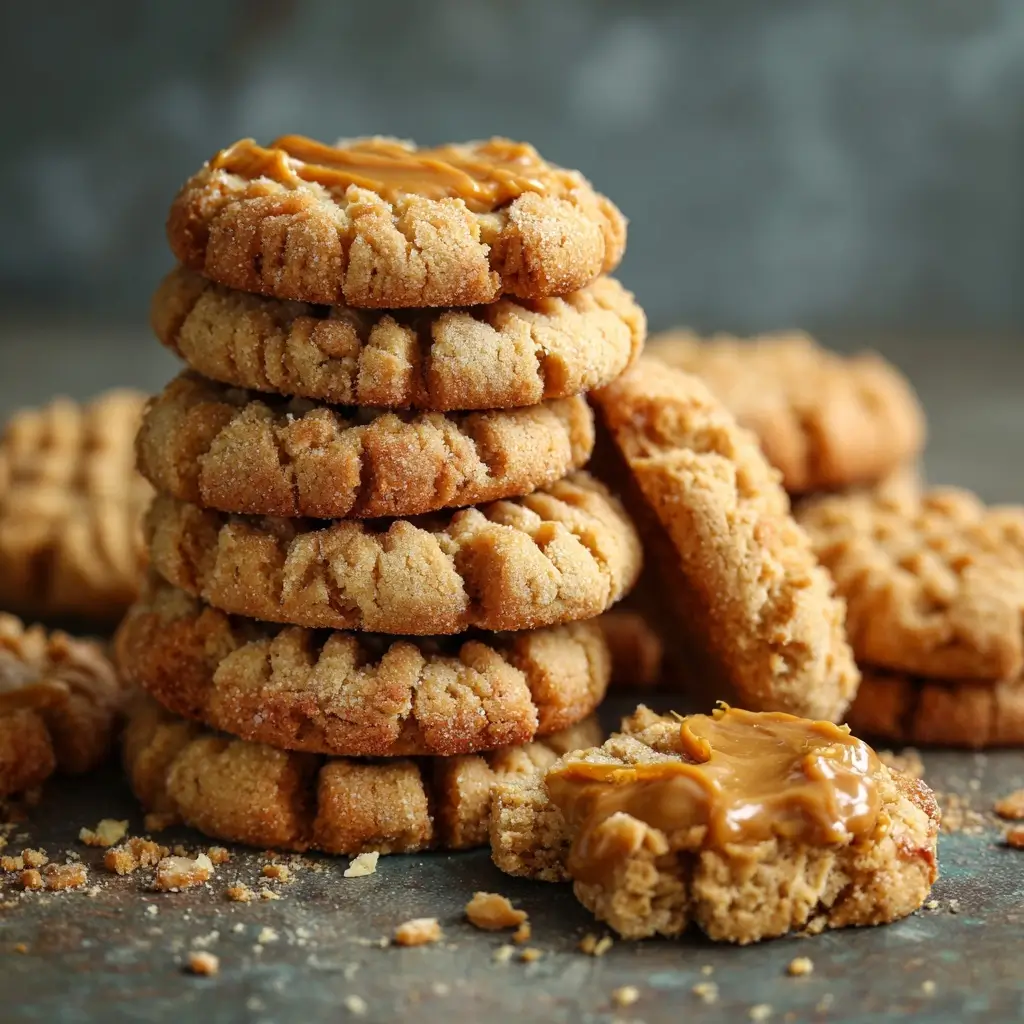
There’s something undeniably comforting about the rich, nutty aroma of freshly baked peanut butter cookies. Crisp on the edges, tender in the center, and bursting with flavor, these soft peanut butter cookies are more than just a treat—they’re a warm embrace in dessert form. Whether you’re baking them for a holiday gathering, a school bake sale, or simply to brighten your afternoon, this recipe delivers perfection every time. With a golden hue, delicate crumb, and that signature fork-crossed top, these cookies are as pleasing to the eye as they are to the palate.
The History of Peanut Butter Cookies
The story of the peanut butter cookie is as rich and layered as its flavor. While peanut butter itself was popularized in the United States during the late 19th century—credited to figures like Dr. John Harvey Kellogg and George Washington Carver—it wasn’t until the early 20th century that it made its way into cookie dough. The first known peanut butter cookie recipe appeared in a cookbook published in 1916 by Freda Smith, titled “The Boston Cooking-School Cook Book.”
However, the iconic crosshatch pattern created by pressing the dough with a fork didn’t become standard until later, when bakers realized it helped the cookies bake evenly and added visual charm. During World War II, rationing made ingredients like butter and sugar scarce, but peanut butter remained accessible, making these cookies a wartime favorite. Over the decades, the peanut butter cookie has evolved from a humble homemade snack into a beloved staple across American kitchens and bakeries. Today, it stands proudly alongside chocolate chip and oatmeal cookies as one of the most cherished cookie varieties in the world.
Ingredients Breakdown: What Makes These Cookies So Soft?
The secret to achieving that melt-in-your-mouth softness lies not just in technique, but in the careful selection and balance of ingredients. Let’s take a closer look at each component and its role in creating the perfect texture and flavor profile:
- Peanut Butter: Use creamy, unsweetened, and unsalted peanut butter for full control over flavor. Avoid natural oils that separate unless thoroughly mixed, as consistency is key. The peanut butter provides both richness and structure, binding the dough while infusing it with deep, roasted nuttiness.
- Butter: Unsalted butter allows you to regulate salt levels. It should be softened to room temperature—not melted—to cream properly with sugar, trapping air for a light, airy texture.
- Sugar: A combination of granulated and brown sugar works wonders. Granulated sugar promotes spread and crispness on the edges, while brown sugar adds moisture and chewiness thanks to its molasses content.
- Eggs: One large egg acts as a binder and adds moisture. It also contributes to the soft interior and helps the cookies rise slightly during baking.
- Vanilla Extract: Pure vanilla enhances the overall flavor, rounding out the nuttiness with a sweet, floral note.
- Flour: All-purpose flour gives structure without making the cookies tough. Sifting ensures even distribution and prevents lumps.
- Baking Soda: This leavening agent helps the cookies rise slightly and develop a tender crumb. Make sure it’s fresh for optimal lift.
- Salt: Even if using salted peanut butter, a pinch of extra salt enhances all the flavors and balances sweetness.
- Cornstarch (optional but recommended): A small amount—just 1–2 tablespoons—can make a dramatic difference in softness by inhibiting gluten development and adding tenderness.
Step-by-Step Recipe: How to Make Perfectly Soft Peanut Butter Cookies
Follow this detailed guide to create bakery-quality soft peanut butter cookies right in your own kitchen. Each step is designed to ensure consistent results, with attention to detail that elevates your baking game.
- Preheat Your Oven: Begin by preheating your oven to 350°F (175°C). Line two large baking sheets with parchment paper or silicone baking mats. This prevents sticking and ensures even browning.
- Cream the Butter and Sugars: In a large mixing bowl, beat ½ cup (1 stick) of softened unsalted butter with ½ cup granulated sugar and ½ cup packed light brown sugar using an electric mixer on medium speed. Cream for 2–3 minutes until light and fluffy. Scrape down the sides of the bowl as needed.
- Add Wet Ingredients: Beat in ½ cup of creamy peanut butter until fully combined. Then add 1 large egg and 1 teaspoon of pure vanilla extract. Mix until smooth and homogenous.
- Combine Dry Ingredients: In a separate bowl, whisk together 1¼ cups all-purpose flour, ½ teaspoon baking soda, ¼ teaspoon salt, and 1 tablespoon cornstarch (if using). Whisk thoroughly to distribute leavening agents evenly.
- Mix Dry Into Wet: Gradually add the dry ingredients to the wet mixture, mixing on low speed just until the dough comes together. Do not overmix, as this can lead to tough cookies.
- Chill the Dough (Optional but Beneficial): For thicker, less spread-out cookies, cover the bowl and chill the dough for 30–60 minutes. This step solidifies the fat, helping the cookies hold their shape during baking.
- Scoop and Shape: Using a cookie scoop or tablespoon, portion the dough into balls about 1 inch in diameter (roughly 1½ tablespoons each). Place them 2 inches apart on the prepared baking sheets.
- Flatten with a Fork: Dip the tines of a fork in granulated sugar to prevent sticking, then press down firmly on each ball to flatten it into a disk. Rotate the fork 90 degrees and press again to create the classic crisscross pattern.
- Bake: Bake one sheet at a time in the center rack of the oven for 10–12 minutes. The cookies are done when the edges are lightly golden but the centers still look soft and slightly underbaked. They will continue to set as they cool.
- Cool on the Baking Sheet: Remove the tray from the oven and let the cookies rest for 5 minutes before transferring them to a wire rack to cool completely. This prevents breakage and ensures even texture throughout.
Tips for Baking the Best Soft Peanut Butter Cookies
- Use Room Temperature Ingredients: Cold butter or eggs can cause the dough to seize or mix unevenly. Allow all refrigerated ingredients to sit out for 30–60 minutes before starting.
- Don’t Overbake: The key to soft cookies is pulling them out when they’re just set. Overbaking leads to dryness and hardness. If the edges are golden and the center looks slightly soft, they’re ready.
- Measure Flour Correctly: Too much flour is the most common reason for tough cookies. Spoon flour into your measuring cup and level it off with a knife—do not pack or tap the cup.
- Press Firmly with the Fork: To achieve that classic ridged look and even thickness, press down confidently. You can re-sugar the fork between cookies for a clean appearance.
- Bake One Tray at a Time: Ovens often have hot spots. Baking one tray ensures consistent heat exposure and uniform results. Rotate the tray halfway through if needed.
- Let Them Rest: Cooling on the baking sheet allows residual heat to finish cooking the interior gently, giving you that perfect soft center.
- Store Properly: Keep cooled cookies in an airtight container at room temperature for up to 5 days. Add a slice of bread to maintain softness—the cookies will absorb moisture from the bread.
Variations and Customizations
While classic soft peanut butter cookies are delicious on their own, there are countless ways to personalize them to suit your taste or occasion:
- Chocolate Chip Peanut Butter Cookies: Fold in ¾ cup of semi-sweet or milk chocolate chips for a decadent twist.
- Double Chocolate Peanut Butter Cookies: Add 2 tablespoons of cocoa powder to the dry ingredients and mix in chocolate chips for a rich, fudgy variation.
- Reese’s Style: Press a mini peanut butter cup into the center of each dough ball before flattening. The melty surprise inside takes these cookies to the next level.
- Gluten-Free Version: Substitute all-purpose flour with a 1:1 gluten-free baking blend. Ensure your peanut butter and other ingredients are certified gluten-free.
- Vegan Option: Replace butter with vegan margarine, use a flax egg (1 tbsp ground flax + 3 tbsp water), and choose a plant-based sugar (some refined sugars are processed with bone char).
- Sea Salt Sprinkle: After baking, sprinkle a pinch of flaky sea salt on top for a gourmet sweet-and-salty finish.
- Spiced Peanut Butter Cookies: Add ½ teaspoon of cinnamon or a dash of cayenne pepper for warmth and depth.
- Stuffed Cookies: Create a pocket in the dough and fill it with jam, Nutella, or caramel before sealing and flattening.
- Mini Cookies: Use a teaspoon to make bite-sized versions—perfect for parties or lunchboxes.
- Cookie Bars: Press the dough into an 8×8-inch greased pan and bake for 18–22 minutes for easy-to-cut bars.
Health Considerations and Nutritional Value
While soft peanut butter cookies are undeniably indulgent, understanding their nutritional content can help you enjoy them mindfully. Here’s an approximate breakdown per cookie (based on a yield of 24 cookies):
- Calories: ~140 kcal
- Fat: ~8g (mostly from healthy monounsaturated fats in peanut butter and butter)
- Saturated Fat: ~3g
- Carbohydrates: ~15g
- Sugars: ~9g (including naturally occurring and added sugars)
- Protein: ~2.5g (thanks to peanut butter and egg)
- Fiber: ~0.5g
- Sodium: ~80mg
Health Notes:
- Peanut butter contains heart-healthy fats and protein, which can promote satiety.
- Using natural peanut butter (with no added sugar or hydrogenated oils) improves the nutritional profile.
- To reduce sugar, consider using coconut sugar or a monk fruit blend, though texture may vary.
- For lower fat options, some recipes substitute applesauce or mashed banana, but this alters texture significantly—best for those prioritizing health over traditional taste.
- Portion control is key. Enjoy one or two with a glass of milk or coffee rather than eating straight from the jar.
Ingredients
- ½ cup (1 stick / 113g) unsalted butter, softened
- ½ cup (100g) granulated sugar
- ½ cup (100g) packed light brown sugar
- ½ cup (130g) creamy peanut butter (not natural/oily type unless well-mixed)
- 1 large egg, room temperature
- 1 teaspoon pure vanilla extract
- 1¼ cups (150g) all-purpose flour (spooned and leveled)
- ½ teaspoon baking soda
- ¼ teaspoon salt
- 1 tablespoon cornstarch (optional, for extra softness)
- Extra granulated sugar, for rolling/fork pressing
Directions
- Preheat oven to 350°F (175°C). Line baking sheets with parchment paper or silicone mats.
- In a large bowl, cream together softened butter, granulated sugar, and brown sugar until light and fluffy (2–3 minutes).
- Beat in peanut butter until smooth. Add egg and vanilla; mix until fully incorporated.
- In a separate bowl, whisk together flour, baking soda, salt, and cornstarch.
- Gradually add dry ingredients to wet mixture, mixing on low until just combined. Do not overmix.
- (Optional) Chill dough for 30–60 minutes for thicker cookies.
- Scoop dough into 1-inch balls and roll in granulated sugar.
- Place on baking sheet 2 inches apart. Flatten with a fork dipped in sugar, creating a crisscross pattern.
- Bake for 10–12 minutes until edges are golden but centers remain soft.
- Cool on baking sheet for 5 minutes, then transfer to wire rack to cool completely.
- Store in an airtight container for up to 5 days.
FAQ
Why are my peanut butter cookies dry?
Most likely causes: too much flour, overbaking, or using natural peanut butter with oil separation. Measure flour correctly and remove cookies when centers still look soft.
Can I use natural peanut butter?
Yes, but stir it very well before using and expect a slightly drier, denser texture. You may need to add 1–2 teaspoons of oil or milk to balance moisture.
Why do we press peanut butter cookies with a fork?
Historically, it ensured even baking since the dense dough wouldn’t spread on its own. Now, it’s a signature look and helps control thickness.
Can I freeze the dough?
Absolutely! Scoop into balls, freeze on a tray, then transfer to a bag. Bake frozen—add 1–2 minutes to baking time.
How do I keep cookies soft longer?
Store with a slice of bread, use brown sugar, don’t overbake, and keep in an airtight container.
Are these cookies gluten-free?
Not by default, but you can substitute with a gluten-free flour blend. Always check labels on peanut butter and other ingredients.
Can I make these without eggs?
Yes, try a flax egg (1 tbsp ground flaxseed + 3 tbsp water, let sit 5 mins) or commercial egg replacer.
Why did my cookies spread too much?
Over-creaming butter, warm dough, or melted butter can cause excess spread. Chill the dough and ensure accurate ingredient temperatures.
Summary
These soft peanut butter cookies are the ultimate comfort treat—chewy, rich, and perfectly balanced with a hint of sweetness and deep peanut flavor. Easy to make and endlessly customizable, they’re destined to become a family favorite.