
Introduction
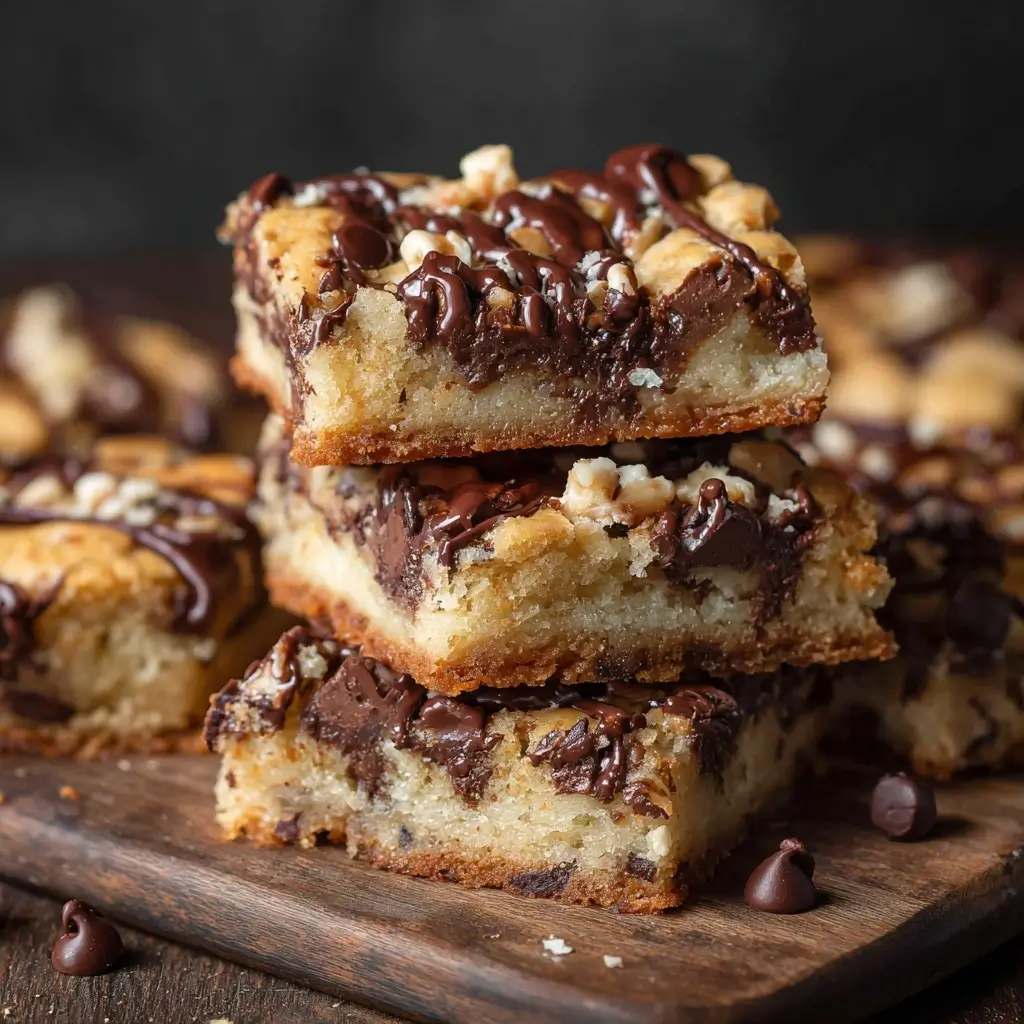
Soft Cookie Squares are the ultimate comfort treat — a harmonious blend of chewy, buttery, and slightly crisp-edged indulgence, cut into perfectly portioned, handheld squares. Unlike traditional drop cookies that spread and vary in size, these bars deliver consistent texture, uniform sweetness, and delightful ease of serving — ideal for bake sales, lunchbox treats, potlucks, or quiet evenings with milk. Their magic lies not in complexity, but in careful ingredient balance and precise baking technique: just enough structure to hold their shape, yet ample moisture and tenderness to melt gently on the tongue. Whether you’re a novice baker seeking foolproof success or a seasoned enthusiast craving nostalgic simplicity, Soft Cookie Squares offer reliability, versatility, and soul-warming satisfaction in every bite.
The History
Soft Cookie Squares trace their origins to the early-to-mid 20th century, emerging alongside the rise of home baking convenience and the proliferation of standardized oven technology and measuring tools. While drop cookies date back centuries — evolving from European spiced cakes and colonial molasses-based “jumbles” — bar-style cookies gained widespread popularity during the Great Depression and World War II eras, when resourcefulness and efficiency were paramount. Baking cookie dough in a single, shallow pan minimized cleanup, reduced oven time, ensured even baking with limited temperature control, and allowed households to stretch precious ingredients like butter, sugar, and eggs across more servings. Early versions appeared in community cookbooks, women’s magazines like Good Housekeeping and Ladies’ Home Journal, and Betty Crocker’s iconic pamphlets — often labeled “Cookie Bars,” “Butter Bars,” or “Molasses Squares.” The term “Soft Cookie Squares” itself became more common in the 1970s and ’80s, as home bakers distinguished tender, cake-adjacent bars from firmer shortbread-style or dense brownie-like variants. Over decades, they’ve evolved beyond basic sugar-and-butter foundations to embrace global flavors (matcha, tahini, cardamom), dietary adaptations (gluten-free, vegan, low-sugar), and artisanal upgrades (house-milled flour, heirloom cocoa, single-origin chocolate), yet their core ethos remains unchanged: warmth, accessibility, and shared joy in edible square form.
Ingredients Breakdown
Every exceptional Soft Cookie Square begins with intentionality — each ingredient plays a defined functional and sensory role:
- Unsalted Butter (room temperature): Provides richness, tenderness, and flakiness. Room temperature ensures optimal creaming with sugar, trapping air for subtle lift without cakey texture. Salted butter can be used, but requires careful reduction or omission of added salt to avoid oversalting.
- Granulated Sugar: Offers sweetness, aids in creaming, contributes to surface crispness, and stabilizes air bubbles. A small portion may be substituted with light brown sugar for added moisture and molasses depth.
- Brown Sugar (light or dark, packed): Adds moisture, chewiness, and caramelized complexity due to its molasses content. Dark brown sugar yields a deeper, more robust flavor; light brown offers milder sweetness and softer texture.
- Egg (large, room temperature): Acts as binder and emulsifier, contributing structure and richness. The yolk adds fat and tenderness; the white provides slight lift. For extra chew, some recipes include an additional yolk.
- Pure Vanilla Extract: Enhances all other flavors and imparts warm, aromatic depth. Imitation vanilla lacks nuance and can taste artificial under heat — always opt for pure extract or, for luxury, vanilla bean paste or scraped seeds.
- All-Purpose Flour (spooned & leveled): Supplies gluten for structure — but only enough to hold shape without toughness. Overmixing or overmeasuring leads to dense, tough squares. Bleached flour is preferred by many for its softer protein profile and finer crumb.
- Baking Soda (not powder): A critical leavening agent that reacts with acidic components (brown sugar’s molasses, yogurt if used) to create subtle lift and spread control. Too much yields metallic bitterness and excessive puffing; too little results in overly dense, flat squares.
- Fine Sea Salt: Balances sweetness, enhances flavor perception, and strengthens gluten network. Kosher salt may be substituted, but volume differs — fine sea salt offers consistent distribution and clean salinity.
- Chocolate Chips or Chunks (semi-sweet, dark, milk, or mix): Provide melty pockets, textural contrast, and rich flavor. High-quality couverture or baking discs yield superior melt and shine. Chunks retain more shape; chips disperse more evenly.
- Optional Add-Ins: Toasted nuts (walnuts, pecans), shredded coconut, dried fruit (cranberries, cherries), pretzel pieces, or spices (cinnamon, nutmeg) add dimension — but should be folded in gently *after* batter is fully mixed to prevent overworking.
Understanding these roles empowers bakers to troubleshoot (e.g., too crumbly? Likely too much flour or undercreamed butter/sugar), adapt confidently (e.g., swapping sugars for texture control), and elevate consistently.
Step-by-Step Recipe
- Preheat & Prep: Position oven rack to center position. Preheat oven to 350°F (175°C). Grease a 9×13-inch metal baking pan *thoroughly*, then line with parchment paper, leaving 2-inch overhang on two opposite sides for easy lifting. Lightly grease parchment.
- Cream Butter & Sugars: In a large bowl using a stand mixer fitted with paddle attachment (or hand mixer), beat unsalted butter, granulated sugar, and brown sugar on medium-high speed for 3–4 minutes until pale, fluffy, and noticeably increased in volume. Scrape down bowl halfway. Proper creaming is non-negotiable — it incorporates air essential for softness and prevents greasiness.
- Add Egg & Vanilla: Add egg and vanilla extract. Beat on medium speed for 1 minute until fully incorporated and smooth. Batter may look slightly curdled if butter is cool — continue beating; it will emulsify. Avoid overbeating past this stage.
- Whisk Dry Ingredients: In a separate medium bowl, whisk together flour, baking soda, and salt until fully homogenous and aerated. Sift if lumps persist — especially important for baking soda distribution.
- Combine Wet & Dry: Reduce mixer speed to low. Gradually add dry ingredients to wet mixture in three additions, mixing *just until no streaks of flour remain* after each addition. Overmixing develops excess gluten → toughness. Batter will be thick, glossy, and slightly sticky.
- Fold in Mix-Ins: Using a silicone spatula, gently fold in chocolate chips and any optional add-ins (e.g., toasted nuts) until evenly distributed. Do not stir vigorously — preserve air bubbles.
- Spread & Smooth: Transfer batter to prepared pan. Use an offset spatula or the back of a spoon to spread evenly, pressing firmly into corners. Smooth top with lightly damp fingers or spatula for uniform thickness. Optional: Sprinkle top with flaky sea salt or extra chocolate chips.
- Bake with Precision: Bake for 22–26 minutes. Begin checking at 22 minutes: edges should be golden brown and set, center should look *just* set with faint surface cracks and a slight jiggle (like Jell-O) when gently shaken — *not* liquidy, but not completely firm. An instant-read thermometer inserted 1 inch from edge should read 200–205°F; center should be ~195°F. Underbaking yields fudgy, ultra-soft squares; overbaking dries them out irreversibly.
- Cool Completely in Pan: Place pan on a wire rack. Cool *undisturbed* for at least 1 hour — this allows residual heat to finish cooking the center and structure to set. Cutting too soon causes crumbling and loss of shape.
- Cut & Serve: Using parchment overhang, lift entire slab onto cutting board. Trim uneven edges for neat squares. Cut into 12–16 even rectangles (3×4 or 4×4 grid) using a sharp, hot knife (dip blade in hot water and wipe dry between cuts). Serve at room temperature for optimal softness.
Tips
- Butter Temperature is Everything: Butter should be cool to the touch but yield slightly under gentle finger pressure — like softened cream cheese. Too warm = greasy, flat squares; too cold = poor creaming and dense texture. If rushed, cut cold butter into ½-inch cubes and let sit 10 minutes before creaming.
- Measure Flour Correctly: Never scoop flour directly from the bag with your measuring cup — this compacts it and adds up to 25% extra. Instead, fluff flour in container, spoon into cup until heaping, then level with straight edge. A kitchen scale (125g per cup) eliminates error entirely.
- Don’t Skip the Parchment: It prevents sticking, enables clean removal, and protects the delicate bottom crust from overbrowning. Foil may work, but parchment yields superior release and easier cleanup.
- Rotate the Pan Mid-Bake: Ovens have hot spots. At the 15-minute mark, rotate pan 180° front-to-back for even browning and doneness.
- Underbake Slightly: Remove from oven when center still has the faintest wobble — carryover heat will finish cooking it during cooling. This guarantees chewy, moist interiors every time.
- Cooling Is Part of Baking: Resisting the urge to cut while warm is the #1 secret to clean, intact squares. Steam escaping during cooling sets the crumb. Rushing = crumbled edges and gooey centers.
- Use a Hot Knife: For sharp, clean cuts without dragging, dip a long, thin chef’s knife in boiling water, wipe completely dry, and slice firmly in one motion. Repeat between cuts.
- Storage Matters: Store cooled squares in an airtight container at room temperature for up to 4 days. Layer with parchment to prevent sticking. For longer storage, freeze unfrosted squares individually wrapped in plastic + placed in freezer bag for up to 3 months. Thaw at room temperature — they’ll taste freshly baked.
- Revive Stale Squares: If stored too long, place a slice of plain white bread in the container overnight — moisture migrates, restoring softness.
- Batch Consistency: Use the same pan (metal, not glass or ceramic), same oven rack position, and same oven thermometer (many ovens run hot/cold) for reproducible results.
Variations and Customizations
Soft Cookie Squares are a brilliantly adaptable canvas — here are beloved, tested variations that maintain the signature soft-chewy texture while transforming flavor profiles:
- Double Chocolate Squares: Replace ¼ cup flour with unsweetened cocoa powder (Dutch-process preferred); add ½ cup mini chocolate chips to batter plus ¼ cup on top before baking.
- Oatmeal Raisin Squares: Reduce flour to 1½ cups; add 1½ cups old-fashioned rolled oats (not quick oats) and 1 cup plump raisins soaked 10 min in warm rum or orange juice, drained. Boost cinnamon to 1½ tsp.
- Peanut Butter Swirl: Prepare base batter. In separate bowl, mix ½ cup creamy peanut butter, 2 tbsp powdered sugar, and 1 tsp vanilla. Dollop PB mixture over batter, then drag a knife through in figure-8 pattern to swirl — do not overmix.
- Lemon Blueberry: Add 2 tsp finely grated lemon zest + 1 tbsp lemon juice to wet ingredients. Fold in 1 cup fresh or frozen (unthawed) blueberries tossed in 1 tsp flour to prevent sinking.
- Snickerdoodle-Inspired: Omit chocolate chips. Mix 2 tbsp granulated sugar + 1½ tsp ground cinnamon + ¼ tsp cream of tartar; sprinkle generously over batter before baking. Optional: Roll edges in cinnamon-sugar after cutting.
- White Chocolate Macadamia: Substitute white chocolate chips for semi-sweet; fold in 1 cup toasted, chopped macadamia nuts. Add ¼ tsp nutmeg for warmth.
- Vegan Version: Use plant-based butter (high-fat, stick-style), flax egg (1 tbsp ground flax + 2.5 tbsp water, rested 5 min), and dairy-free chocolate. Ensure baking soda is aluminum-free and vegan-certified.
- Gluten-Free: Substitute 1:1 gluten-free all-purpose flour blend (with xanthan gum included, e.g., King Arthur or Bob’s Red Mill). Add ¼ tsp xanthan gum if blend doesn’t contain it. Let batter rest 15 min before baking to hydrate flours.
- Reduced-Sugar: Replace half granulated sugar with granulated erythritol or allulose (not stevia blends). Increase brown sugar to 1¼ cups for moisture retention. Expect slightly less spread and paler color.
- Espresso-Chocolate: Dissolve 1½ tsp instant espresso powder in vanilla extract before adding. Use dark chocolate (70%) and finish with espresso-dusted top.
Each variation maintains the foundational creaming method, gentle folding, and precise bake time — proving that creativity needn’t compromise integrity.
Health Considerations and Nutritional Value
While Soft Cookie Squares are inherently a dessert — intended for mindful enjoyment, not daily nutrition — understanding their composition supports informed choices and thoughtful customization:
- Caloric Density: A standard 2″x2″ square contains approximately 180–220 calories, primarily from carbohydrates (22–26g) and fats (9–12g). Portion awareness is key — cutting into 16 squares instead of 12 reduces calories per piece by ~20%.
- Sugar Content: Traditional recipes contain 14–18g added sugar per square. To reduce: decrease granulated sugar by ¼ cup (compensate with 2 tbsp applesauce or mashed banana for moisture), use naturally sweet add-ins (dried figs, dates), or choose dark chocolate (>70% cacao) with lower sugar.
- Fat Profile: Butter contributes saturated fat (~5g/square), but also beneficial short-chain fatty acids and fat-soluble vitamins (A, D, E, K). Substituting half butter with avocado oil or melted coconut oil (refined for neutral taste) reduces saturated fat while maintaining tenderness.
- Fiber & Protein Boost: Incorporate ⅓ cup oat bran, ground flaxseed, or almond flour (replacing ¼ cup AP flour) to add soluble fiber and plant-based protein. Chopped walnuts or pumpkin seeds contribute heart-healthy omega-3s and crunch.
- Glycemic Impact: The combination of fat, fiber, and protein slows glucose absorption. Pairing a square with Greek yogurt or a handful of almonds further lowers glycemic load — ideal for balanced snacking.
- Allergen Notes: Naturally nut-free and soy-free (if using soy-free chocolate), but easily adapted for common allergens: use sunflower seed butter instead of peanut butter, dairy-free chocolate, and certified gluten-free oats/flour for GF needs. Always check labels — chocolate chips and vanilla often contain hidden soy lecithin or dairy derivatives.
- For Diabetics: Consult a dietitian before regular consumption. Lower-sugar versions with allulose or monk fruit sweeteners show promising glycemic responses, but individual tolerance varies. Monitor blood glucose if experimenting.
- Mindful Indulgence Principle: Nutrition science increasingly affirms that joyful, moderate consumption of satisfying foods supports long-term metabolic health better than restrictive deprivation. Savoring one perfectly textured Soft Cookie Square mindfully delivers greater satiety than two hastily eaten, overly sweetened alternatives.
Ultimately, these squares thrive not as “health food,” but as nourishing pleasure — honoring tradition while inviting conscious, compassionate adaptation.
Ingredients
- 1 cup (227g) unsalted butter, room temperature
- ¾ cup (150g) granulated sugar
- 1 cup (220g) light brown sugar, firmly packed
- 1 large egg, room temperature
- 2 teaspoons pure vanilla extract
- 2¼ cups (281g) all-purpose flour (spooned & leveled)
- 1 teaspoon baking soda
- 1 teaspoon fine sea salt
- 2 cups (340g) semi-sweet chocolate chips or chunks
- Optional: Flaky sea salt for topping
Directions
- Preheat oven to 350°F (175°C). Grease a 9×13-inch metal baking pan, then line with parchment paper, leaving a 2-inch overhang on two opposite sides. Lightly grease parchment.
- In a large bowl, beat butter, granulated sugar, and brown sugar with a mixer on medium-high speed for 3–4 minutes until light, fluffy, and pale in color. Scrape down bowl halfway through.
- Add egg and vanilla; beat on medium speed for 1 minute until smooth and well combined.
- In a separate bowl, whisk together flour, baking soda, and salt until fully blended.
- Reduce mixer speed to low. Gradually add dry ingredients to wet mixture in three parts, mixing *just until no flour streaks remain*. Do not overmix.
- Fold in chocolate chips with a silicone spatula until evenly distributed.
- Spread batter evenly into prepared pan. Smooth top with an offset spatula or damp fingers.
- Bake for 22–26 minutes, rotating pan halfway through, until edges are golden and set, and center is *just* set with a slight jiggle when gently shaken.
- Cool completely in pan on a wire rack — minimum 1 hour — before lifting out using parchment overhang.
- Cut into 12–16 squares using a sharp, hot knife. Serve at room temperature.
FAQ
- Can I use margarine or shortening instead of butter?
- Butter is strongly recommended for its water content, flavor, and optimal creaming properties. Margarine (especially tub varieties) contains more water and less fat, leading to greasy, spread-out squares. Shortening yields a drier, waxier texture and lacks flavor. If necessary, use high-fat, stick-style plant-based butter formulated for baking.
- Why did my squares turn out cakey instead of chewy?
- Cakey texture usually stems from too much leavening (excess baking soda), overmixing after adding flour (developing gluten), using cake flour (too low protein), or adding an extra egg/egg white. Stick to all-purpose flour, measure baking soda precisely, and mix batter *only until combined*.
- Can I make these ahead for a party?
- Absolutely. Bake and cool completely up to 2 days ahead. Store layered with parchment in an airtight container at room temperature. For best freshness, assemble and cut the day of serving — edges stay sharper and texture remains optimal.
- My squares stuck to the pan — what went wrong?
- Insufficient greasing or omitting parchment is the usual culprit. Even with nonstick pans, parchment is non-negotiable for reliable release. Also ensure full cooling — cutting while warm breaks the structural integrity that parchment helps preserve.
- Can I double the recipe for two pans?
- Yes — double all ingredients and bake in two separate 9×13 pans. Do not try to bake in one larger pan — thickness and heat distribution will be inconsistent, leading to underbaked centers or burnt edges. Bake one pan at a time on center rack for even results.
- How do I prevent chocolate chips from sinking to the bottom?
- Toss chips in 1 tablespoon of the measured flour before folding in. This light coating helps them suspend evenly throughout the batter rather than settling during baking.
- Can I add frosting or glaze?
- Yes! Once fully cooled, drizzle with vanilla glaze (1 cup powdered sugar + 1–2 tbsp milk + ½ tsp vanilla), salted caramel, or cream cheese icing. Note: Frosted squares should be refrigerated and consumed within 3 days.
- My oven runs hot — how do I adjust?
- Use an independent oven thermometer to verify actual temperature. If oven exceeds 350°F by >15°F, reduce set temperature by 25°F and begin checking for doneness 2–3 minutes earlier. Convection ovens require reducing temp by 25°F and checking 3–5 minutes sooner.
- Are these suitable for mailing or gifting?
- Excellent for shipping! Cool completely, wrap each square individually in plastic wrap, then pack snugly in a rigid box with parchment layers. Include a silica gel packet to absorb ambient moisture. They travel well for up to 5 days.
- Can kids help make these?
- Perfect beginner project! Children can assist with measuring dry ingredients, stirring in chips, spreading batter, and sprinkling toppings. Supervise creaming and oven tasks. The forgiving nature builds confidence — and they’ll love cutting their own squares!
Summary
Soft Cookie Squares are a timeless, tender, and triumphantly simple bar cookie defined by their uniformly chewy crumb, buttery richness, and golden-crisp edges — achieved through precise creaming, controlled mixing, and intentional underbaking.
Infinitely customizable, deeply nostalgic, and reliably delicious, they transform humble pantry staples into shareable moments of comfort — proving that the softest squares often hold the strongest memories.