
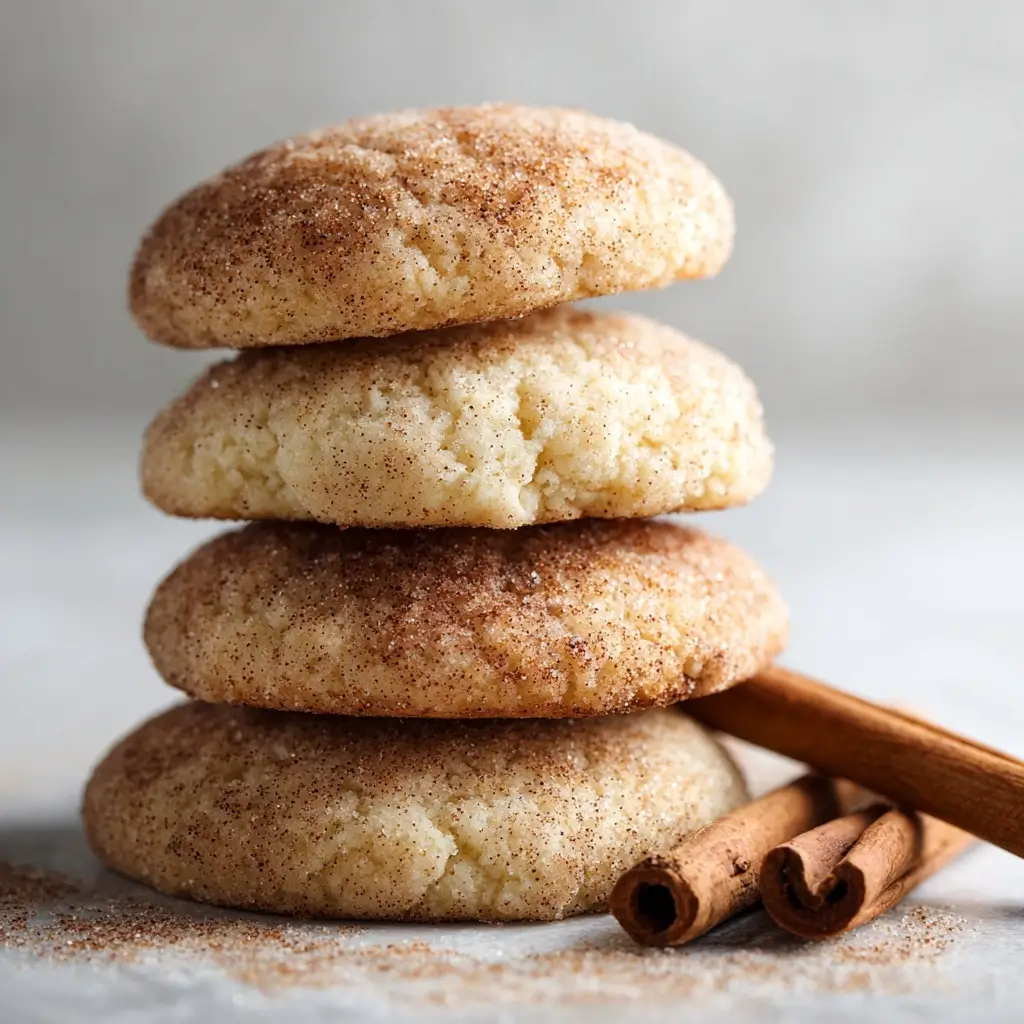
Soft Cinnamon Sugar Cookies
The History
Cinnamon sugar cookies have long been a beloved treat across various cultures, especially in Western baking traditions. While their exact origin is difficult to trace, these cookies are believed to have evolved from early European spiced breads and cakes that were flavored with warming spices like cinnamon, nutmeg, and cloves—ingredients that were once considered luxuries imported from the East. In medieval times, sugar and spices were expensive commodities, so sweet baked goods featuring cinnamon were often reserved for special occasions or holidays.
By the 18th and 19th centuries, as sugar became more accessible and affordable due to colonial trade routes and the expansion of sugarcane plantations, simple sugar-based cookies grew in popularity among households. The American interpretation of the cinnamon sugar cookie likely emerged during this time, influenced by German and Dutch settlers who brought their own versions of spiced shortbread and butter cookies. One such example is the “snickerdoodle,” a soft, chewy cookie coated in cinnamon sugar, which has become synonymous with cozy home baking in the United States.
Over time, bakers began experimenting with texture and flavor balance, leading to countless variations of soft cinnamon sugar cookies. These treats gained widespread appeal not only for their delightful aroma and comforting taste but also for their simplicity and versatility. Today, they are a staple during holiday seasons, bake sales, family gatherings, and afternoon tea times. Their nostalgic charm continues to resonate with generations, making them one of the most cherished cookie recipes in American dessert culture.
Ingredients Breakdown
Creating the perfect soft cinnamon sugar cookie starts with understanding each ingredient’s role in achieving that ideal balance of tenderness, flavor, and texture. Here’s a detailed look at what goes into these delectable cookies:
- Butter (Unsalted): Provides richness, moisture, and helps create a tender crumb. Using unsalted butter allows you to control the amount of salt in the recipe. For best results, it should be softened to room temperature to ensure smooth creaming with sugar.
- Granulated Sugar: Adds sweetness and contributes to the cookie’s structure through the creaming process. It also promotes slight spreading and creates a delicate crispness on the edges while maintaining a soft center.
- Brown Sugar (Light or Dark): Introduces moisture and depth of flavor thanks to molasses content. Brown sugar enhances chewiness and gives the cookies a warm, caramel-like undertone that pairs perfectly with cinnamon.
- Eggs (Large, Room Temperature): Act as a binder and add structure and moisture. Room-temperature eggs blend more evenly into the dough, preventing curdling and ensuring a uniform texture.
- Vanilla Extract: Enhances overall flavor and complements the sweetness and spice. Pure vanilla extract offers a richer, more complex aroma than imitation versions.
- All-Purpose Flour: Forms the base of the cookie dough, providing structure. Measuring accurately (spoon and level method) is crucial to avoid dry or dense cookies.
- Cornstarch: A secret ingredient in many soft cookie recipes. Cornstarch reduces gluten formation, resulting in a more tender, melt-in-your-mouth texture.
- Baking Soda: Acts as a leavening agent, helping the cookies rise slightly and spread just enough to achieve that soft, pillowy consistency.
- Salt: Balances the sweetness and intensifies other flavors. Even in small amounts, salt plays a critical role in enhancing the overall taste profile.
- Cinnamon (Ground): The star spice of this recipe. It imparts warmth, fragrance, and that signature cozy flavor associated with comfort desserts. Use high-quality, fresh cinnamon for the best aroma and taste.
- Cinnamon-Sugar Coating: A mixture of granulated sugar and ground cinnamon used to roll the dough balls before baking. This creates a sweet, spiced crust that contrasts beautifully with the soft interior.
Step-by-Step Recipe
Ingredients
- ¾ cup (170g) unsalted butter, softened
- ¾ cup (150g) granulated sugar
- ½ cup (100g) packed light or dark brown sugar
- 1 large egg, room temperature
- 1 teaspoon pure vanilla extract
- 2 cups (250g) all-purpose flour (spooned and leveled)
- 2 tablespoons (16g) cornstarch
- 1 teaspoon baking soda
- ½ teaspoon salt
- 1 tablespoon ground cinnamon (plus extra for coating)
- ⅓ cup (65g) granulated sugar (for rolling)
Directions
- Preheat Oven: Begin by preheating your oven to 350°F (175°C). Line two large baking sheets with parchment paper or silicone baking mats to prevent sticking and ensure even baking.
- Cream Butter and Sugars: In a large mixing bowl, using an electric hand mixer or stand mixer fitted with a paddle attachment, beat the softened butter, granulated sugar, and brown sugar together on medium speed until light and fluffy—about 2–3 minutes. Scrape down the sides of the bowl as needed to ensure even mixing.
- Add Wet Ingredients: Beat in the egg and vanilla extract until fully incorporated, scraping the bottom and sides of the bowl to eliminate any streaks.
- Mix Dry Ingredients: In a separate medium bowl, whisk together the flour, cornstarch, baking soda, salt, and 1 tablespoon of ground cinnamon until well combined and no clumps remain.
- Combine Wet and Dry Mixtures: Gradually add the dry ingredients to the wet ingredients, mixing on low speed until just combined. Do not overmix; stop as soon as the flour disappears. Overmixing can lead to tough cookies due to excess gluten development.
- Prepare Cinnamon-Sugar Coating: In a small bowl, mix together ⅓ cup granulated sugar and 1–2 teaspoons of ground cinnamon. Stir well to combine.
- Shape Dough Balls: Using a cookie scoop or tablespoon, portion out rounded balls of dough, about 1.5 tablespoons each (roughly 1.5 inches in diameter). Roll each ball smoothly between your palms, then roll generously in the cinnamon-sugar mixture until fully coated. Place the coated dough balls onto the prepared baking sheets, spacing them about 2 inches apart to allow for spreading.
- Bake: Bake one sheet at a time in the center rack of the preheated oven for 9–11 minutes, or until the edges are just beginning to set and the tops appear slightly cracked but still soft to the touch. The centers will look underbaked—that’s okay! They will continue to firm up as they cool.
- Cool: Remove the baking sheet from the oven and let the cookies rest on the pan for 5 minutes to finish setting. Then, carefully transfer them to a wire rack to cool completely. This step prevents breakage and ensures a soft yet stable texture.
- Store or Serve: Once cooled, enjoy immediately or store in an airtight container for freshness. These cookies are best enjoyed within 3–4 days but can be frozen for longer storage.
Tips
- Use Room-Temperature Ingredients: Ensure your butter and egg are at room temperature for a smoother, more homogeneous dough. Cold ingredients can cause separation and uneven texture.
- Don’t Overbake: Remove the cookies when they still look slightly underdone in the center. They’ll continue cooking on the hot baking sheet, giving you that perfectly soft interior.
- Measure Flour Correctly: Spoon flour into the measuring cup and level it off with a knife. Avoid scooping directly from the bag, which compacts the flour and leads to dry cookies.
- Chill the Dough (Optional): If you prefer thicker, less spread-out cookies, chill the dough balls for 30–60 minutes before baking. This slows the spread during baking.
- Rotate Baking Sheet: For even browning, rotate the baking sheet halfway through baking, especially if your oven has hot spots.
- Fresh Spices Matter: Use freshly ground or recently purchased cinnamon for the brightest flavor. Old spices lose potency over time.
- Double Batch? You can easily double this recipe, but make sure your mixer bowl isn’t overloaded. Mix in batches if necessary.
- Uniform Size = Even Baking: Use a cookie scoop to ensure all dough balls are the same size, promoting consistent baking times.
Variations and Customizations
While classic soft cinnamon sugar cookies are delicious on their own, there are plenty of ways to customize them to suit different tastes and occasions:
- Gluten-Free Version: Substitute the all-purpose flour with a 1:1 gluten-free baking blend (ensure it contains xanthan gum or add ¼ teaspoon per cup of flour). Test brands like Bob’s Red Mill or King Arthur for reliable results.
- Vegan Adaptation: Replace butter with vegan margarine or coconut oil (solid state), use a flax egg (1 tbsp ground flaxseed + 3 tbsp water per egg), and ensure your sugar is vegan-certified (some refined sugars use bone char).
- Spice It Up: Add a pinch of nutmeg, ginger, or cardamom along with the cinnamon for a more complex spiced flavor—perfect for fall and winter holidays.
- Lemon Zest Twist: Add 1 teaspoon of lemon zest to the dough for a bright, citrusy contrast that cuts through the sweetness and enhances the cinnamon.
- Dipped in Chocolate: Once cooled, dip half of each cookie in melted dark, milk, or white chocolate for an elegant upgrade. Sprinkle with sea salt or crushed nuts for added texture.
- Stuffed Cookies: Press a small piece of soft caramel, a marshmallow, or a teaspoon of apple butter into the center of each dough ball before rolling in cinnamon sugar.
- Mini Cookies: Make bite-sized versions using a teaspoon-sized scoop. Reduce baking time to 7–8 minutes for mini treats perfect for parties or cookie platters.
- Cookie Bars: Press the dough into a greased 8×8-inch baking pan, sprinkle with cinnamon sugar, and bake for 18–22 minutes. Cut into squares for easy serving.
- Decorated for Holidays: Use colored sanding sugar instead of regular sugar for festive appearances during Christmas, Thanksgiving, or Easter.
Health Considerations and Nutritional Value
While soft cinnamon sugar cookies are undeniably indulgent, it’s helpful to understand their nutritional components so you can enjoy them mindfully:
- Calories: One average-sized cookie (based on 24 cookies per batch) contains approximately 120–140 calories, primarily from carbohydrates and fats.
- Sugars: Each cookie has around 10–12 grams of sugar. While natural sugars occur in ingredients like brown sugar and honey (in molasses), this is still a high-sugar treat best consumed in moderation.
- Fat Content: About 6–7 grams of fat per cookie, mostly from butter. Most of this is saturated fat, so those monitoring heart health may want to limit intake or explore lower-fat alternatives.
- Carbohydrates: Around 18–20 grams per cookie, mainly from refined flour and sugar. Low-carb or keto dieters may substitute with almond flour and erythritol, though texture will vary.
- Protein: Minimal protein content (~1 gram per cookie), as these are not a significant source of protein.
- Cinnamon Benefits: True cinnamon (Ceylon) contains antioxidants and may help regulate blood sugar levels in small amounts. However, the quantity used in cookies is unlikely to provide therapeutic effects.
- Portion Control: Enjoy 1–2 cookies as part of a balanced diet rather than eating several in one sitting. Pair with a glass of milk or a cup of herbal tea to slow sugar absorption.
- Allergens: Contains dairy (butter), eggs, and wheat (gluten). Always check labels if serving to individuals with allergies or sensitivities.
For a slightly healthier twist, consider reducing sugar by 1–2 tablespoons, using whole wheat pastry flour for added fiber, or incorporating applesauce to reduce butter content—but note that these changes affect texture and softness.
FAQ
- Why are my cinnamon sugar cookies hard?
- This usually happens due to overbaking, too much flour, or overmixing the dough. Make sure to measure flour correctly, don’t bake beyond 11 minutes, and mix only until ingredients are combined.
- How do I keep my cookies soft?
- Store them in an airtight container with a slice of bread or a terra cotta cookie saver. The bread releases moisture, keeping cookies soft for days.
- Can I freeze the cookie dough?
- Absolutely! Scoop and roll the dough balls, then freeze them on a tray before transferring to a freezer bag. Bake straight from frozen—just add 1–2 minutes to baking time.
- Can I make these ahead of time?
- Yes! The dough can be refrigerated for up to 3 days or frozen for up to 3 months. Baked cookies freeze well for up to 2 months—thaw at room temperature.
- Why do we use cornstarch?
- Cornstarch inhibits gluten formation, making cookies more tender and soft. It’s a common trick in bakery-style cookie recipes.
- Can I use salted butter?
- You can, but reduce added salt to ¼ teaspoon or omit it entirely to avoid oversalting.
- What makes these cookies different from snickerdoodles?
- Traditional snickerdoodles are often made with cream of tartar, giving them a slightly tangy flavor. This version relies on baking soda and extra cinnamon for lift and spice, offering a more straightforward cinnamon-forward taste.
- Can I make these without eggs?
- Yes—use a flax egg (1 tbsp ground flax + 3 tbsp water) or commercial egg replacer. Texture may be slightly denser, but still enjoyable.
Summary
Soft cinnamon sugar cookies are a timeless homemade delight—chewy, fragrant, and coated in a sweet-spiced crust that delivers comfort in every bite.
Easy to make, endlessly customizable, and perfect for sharing, these cookies bring warmth to any kitchen and joy to every occasion.