
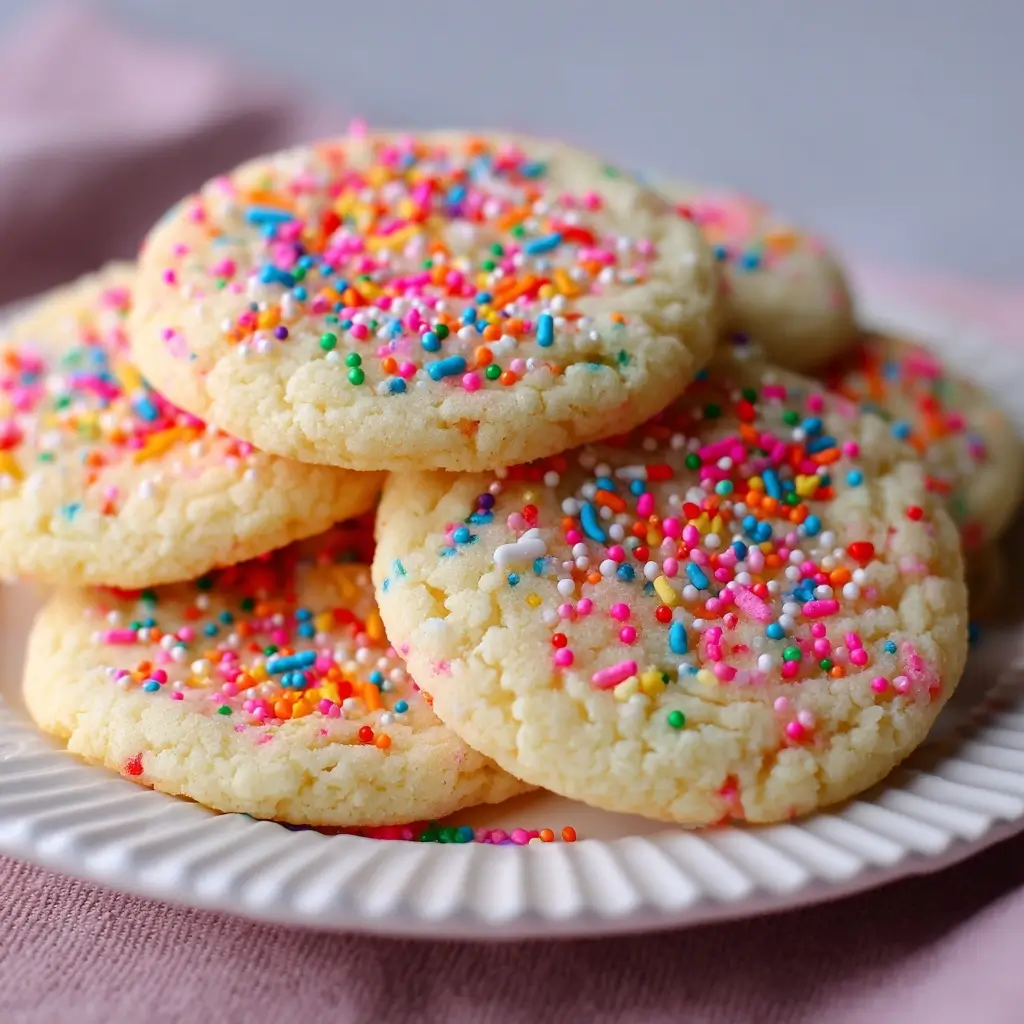
Soft and Chewy Sugar Cookies: A Timeless Classic
There’s something undeniably comforting about a freshly baked soft and chewy sugar cookie. With their golden edges, pillowy centers, and a delicate sweetness that dances on the tongue, these cookies are more than just a dessert—they’re a memory. Whether you grew up receiving them in lunchboxes, baking them with family during the holidays, or enjoying them with a glass of cold milk after dinner, soft and chewy sugar cookies hold a special place in the hearts of bakers and eaters alike. In this comprehensive guide, we’ll dive deep into everything you need to know to create the perfect batch—flawlessly textured, richly flavored, and endlessly customizable.
The History of Sugar Cookies
Sugar cookies trace their roots back to 18th-century America, particularly among German Protestant settlers in Pennsylvania. These early bakers, known as the Nazarenes, were renowned for their love of simple, spiced sweets and festive baking traditions. The original versions of sugar cookies were much like sand tarts—crisp, flat, and sweet—but over time, bakers began experimenting with ingredients and techniques to achieve softer textures.
By the 19th century, refined white sugar became more widely available and affordable, allowing home bakers to use greater quantities in their recipes. This led to the evolution of the modern sugar cookie. As electric mixers and standardized oven temperatures emerged in the 20th century, consistency improved, and sugar cookies became a staple at celebrations, especially around Christmas.
Today, soft and chewy sugar cookies have become a canvas for creativity—decorated with colorful icing, sprinkles, or even stamped with holiday-themed molds. Their enduring popularity lies in their simplicity, versatility, and nostalgic charm.
Ingredients Breakdown: What Makes Them Soft and Chewy?
Every ingredient in a sugar cookie recipe plays a crucial role in determining texture, flavor, and shelf life. Understanding why each one is included will help you master the art of baking perfect soft and chewy cookies every time.
- Butter (Unsalted): The foundation of flavor and tenderness. Using softened (not melted) butter ensures proper creaming with sugar, which incorporates air for a light texture. Unsalted butter gives you control over the salt content.
- Granulated Sugar: Provides sweetness and contributes to browning and structure. When creamed with butter, it creates tiny air pockets that help the cookies rise slightly.
- Brown Sugar (Light or Dark): The secret to chewiness! Brown sugar contains molasses, which adds moisture and acidity. This helps retain water during baking and promotes a softer, denser center.
- Eggs (Large, Room Temperature): Act as a binder and add richness. Room-temperature eggs blend more smoothly into the dough, reducing overmixing.
- Vanilla Extract: Enhances sweetness and adds depth of flavor. Pure vanilla extract is preferred for its robust aroma.
- All-Purpose Flour: Provides structure. Too much flour leads to tough cookies; too little results in overspreading. Measuring accurately is key.
- Baking Soda: A leavening agent that reacts with the acid in brown sugar to create lift and spread. It also contributes to browning.
- Cornstarch: A game-changer for softness. It reduces gluten formation, resulting in a tender, melt-in-your-mouth texture. Many professional recipes include it for this reason.
- Salt: Balances sweetness and enhances overall flavor. Even in small amounts, it makes a noticeable difference.
Step-by-Step Recipe: How to Make Perfect Soft and Chewy Sugar Cookies
Follow this detailed method to ensure bakery-quality results every time. Precision, temperature control, and timing are essential.
Ingredients
- 1 cup (2 sticks / 226g) unsalted butter, softened to room temperature
- 3/4 cup (150g) granulated sugar
- 3/4 cup (160g) packed light or dark brown sugar
- 2 large eggs, room temperature
- 2 teaspoons pure vanilla extract
- 3 cups (360g) all-purpose flour (spooned and leveled)
- 2 tablespoons (16g) cornstarch
- 1 teaspoon baking soda
- 1/2 teaspoon salt
- (Optional) 1–2 tablespoons milk or heavy cream, if needed for consistency
Directions
- Preheat Oven & Prepare Baking Sheets: Preheat your oven to 375°F (190°C). Line two large baking sheets with parchment paper or silicone baking mats. This prevents sticking and ensures even baking.
- Cream Butter and Sugars: In a large mixing bowl using a hand mixer or stand mixer fitted with the paddle attachment, beat the softened butter, granulated sugar, and brown sugar together on medium speed for 2–3 minutes until light, fluffy, and pale in color. Scrape down the sides of the bowl as needed.
- Add Wet Ingredients: Beat in the eggs one at a time, mixing well after each addition. Then mix in the vanilla extract until fully incorporated. The mixture may look slightly curdled if the eggs are cold—this is why room-temperature eggs are recommended.
- Combine Dry Ingredients: In a separate bowl, whisk together the flour, cornstarch, baking soda, and salt until thoroughly combined. This ensures even distribution of leavening agents and avoids clumps.
- Mix Dry into Wet: Gradually add the dry ingredients to the wet mixture on low speed, mixing just until combined. Do not overmix—this can develop gluten and lead to tough cookies. If the dough seems dry or crumbly, add 1 tablespoon of milk or cream to bring it together.
- Chill the Dough (Optional but Recommended): For thicker, less-spread cookies, cover the bowl and chill the dough for 1–2 hours. Chilling solidifies the butter, which delays melting in the oven and controls spread. However, if you’re short on time, you can bake immediately—just watch the cookies closely.
- Scoop and Shape: Use a cookie scoop or tablespoon to portion out dough into balls, about 1.5 tablespoons each (roughly 40g). Roll them smoothly between your palms and place them 2 inches apart on the prepared baking sheets. For extra shine and crackle, roll each ball in granulated sugar before placing on the sheet.
- Bake: Bake for 9–11 minutes, rotating the pans halfway through. The cookies are done when the edges are lightly golden but the centers still appear soft and slightly underbaked. They will continue to cook on the hot tray after removal from the oven.
- Cool: Let the cookies cool on the baking sheet for 5 minutes before transferring to a wire rack to cool completely. This rest period allows them to set without breaking.
Tips for Success: Expert Secrets for the Best Texture
- Use Room-Temperature Ingredients: Cold butter or eggs can cause the batter to seize or result in uneven mixing. Take butter and eggs out 1–2 hours before baking.
- Measure Flour Correctly: Spoon flour into the measuring cup and level it off with a knife. Never scoop directly from the bag—it compacts the flour and leads to dry, dense cookies.
- Don’t Overmix: Once flour is added, mix only until no streaks remain. Overworking develops gluten, making cookies tough.
- Chill the Dough: Even 30 minutes in the fridge improves texture. For maximum thickness, chill overnight.
- Underbake Slightly: Remove cookies when centers look soft and puffy—they firm up as they cool. Overbaking leads to crispiness.
- Invest in Quality Tools: A digital scale ensures accuracy. A cookie scoop provides uniform size and even baking.
- Rotate Pans: Ovens have hot spots. Rotate baking sheets front-to-back halfway through for even browning.
- Store Properly: Keep cooled cookies in an airtight container at room temperature. Add a slice of bread to maintain softness—it releases moisture absorbed by the cookies.
Variations and Customizations
While classic sugar cookies are delicious on their own, they serve as an ideal base for creative tweaks. Here are some popular variations:
- Lemon Sugar Cookies: Add 1–2 tablespoons of fresh lemon juice and 1 tablespoon of lemon zest to the wet ingredients. Pair with a citrus glaze.
- Almond Sugar Cookies: Replace half the vanilla extract with almond extract (start with 1/2 tsp—it’s strong!). Garnish with sliced almonds before baking.
- Spiced Sugar Cookies: Mix in 1/2 teaspoon ground cinnamon, a pinch of nutmeg, and a dash of ginger for warm, cozy flavors.
- Chocolate Chip Sugar Cookies: Fold in 1–1.5 cups of semi-sweet chocolate chips for a delightful twist.
- Decorated Cut-Out Cookies: Roll chilled dough between parchment sheets to 1/4-inch thickness. Cut with cookie cutters and decorate with royal icing or buttercream after cooling.
- Sprinkle Cookies: Press rainbow or sanding sugars into the dough balls before baking for festive appeal.
- Stuffed Cookies: Place a piece of caramel, peanut butter cup, or chocolate square in the center of each dough ball before baking.
- Gluten-Free Version: Substitute all-purpose flour with a 1:1 gluten-free baking blend. Ensure it contains xanthan gum or add 1/2 teaspoon separately.
Health Considerations and Nutritional Value
Sugar cookies are a treat best enjoyed in moderation. While they offer indulgent satisfaction, it’s helpful to understand their nutritional profile.
Nutritional Information (Per Cookie, Based on 24 Cookies):
- Calories: ~180–200
- Total Fat: 9–10g (mostly from butter)
- Saturated Fat: 5–6g
- Cholesterol: 30–40mg
- Sodium: 80–100mg
- Total Carbohydrates: 26–28g
- Sugars: 16–18g (naturally occurring and added)
- Protein: 2–3g
Health Notes:
- Sugar Content: High in added sugars. Those managing blood sugar levels should consume sparingly or consider reduced-sugar alternatives using monk fruit or erythritol blends (though texture may vary).
- Dairy: Contains butter (a dairy product). Vegan versions can use plant-based butter substitutes.
- Eggs: Not suitable for egg allergies unless replaced with flax or chia “eggs” (may affect chewiness).
- Portion Control: Stick to one cookie per serving. Pair with protein (like Greek yogurt) to balance the meal.
- Mindful Indulgence: Baking at home allows control over ingredients—opt for organic butter, unrefined sugars, or natural extracts when possible.
Frequently Asked Questions (FAQ)
Q: Why are my sugar cookies hard?
A: Hard cookies usually result from overbaking, too much flour, or overmixing. Ensure accurate measurements, avoid overworking the dough, and remove cookies from the oven while centers are still soft.
Q: Can I freeze the cookie dough?
A: Absolutely! Portion dough into balls, freeze on a tray, then transfer to a freezer bag. Bake straight from frozen—add 1–2 minutes to baking time.
Q: Can I make these ahead of time?
A: Yes! Baked cookies stay soft for up to 5 days in an airtight container. You can also freeze cooled cookies for up to 3 months—thaw at room temperature.
Q: Why do you add cornstarch?
A: Cornstarch inhibits gluten development, yielding a more tender, delicate crumb. It’s a pro trick used in many soft cookie recipes.
Q: Can I use salted butter?
A: Yes, but reduce added salt to 1/4 teaspoon or omit entirely to avoid oversalting.
Q: How do I prevent cookies from spreading too much?
A: Chill the dough, avoid overheating the oven, and don’t place dough on warm trays. Also, check that your baking soda is fresh—it loses potency over time.
Q: Can I double the recipe?
A: Yes, but mix in batches if your mixer is small to ensure even blending.
Q: Can I make egg-free sugar cookies?
A: Try replacing each egg with 1/4 cup unsweetened applesauce or a commercial egg replacer. Results may be slightly denser.
Summary
Soft and chewy sugar cookies are a beloved classic, combining a tender crumb with rich buttery flavor and just the right amount of sweetness. With precise ingredients, proper technique, and a few chef’s secrets, you can bake cookies that are perfectly golden-edged and luxuriously soft-centered.