
Introduction
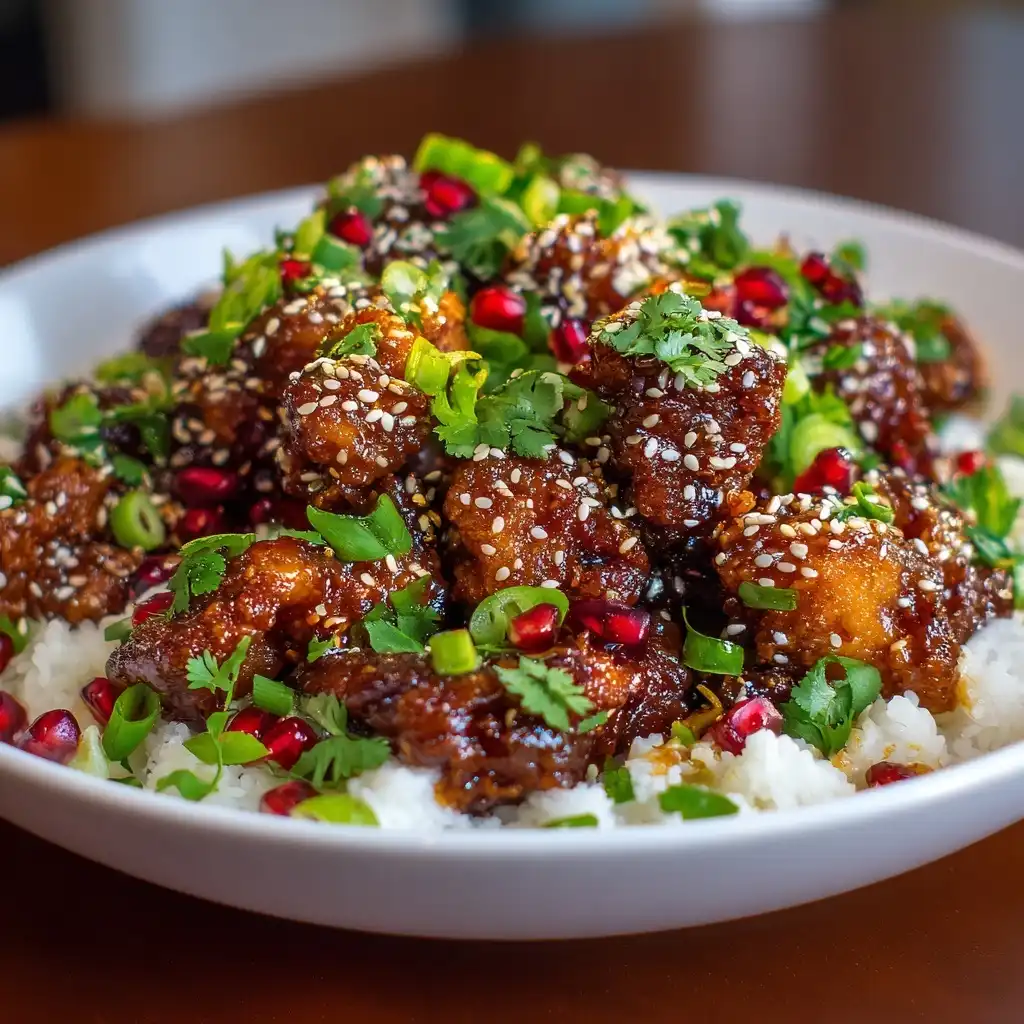
Sesame Chicken is a beloved staple of American Chinese cuisine—crispy, savory-sweet, and irresistibly aromatic. Though not traditionally found in mainland China, this dish exemplifies the creative fusion that defines Chinese-American culinary heritage. Its glossy amber sauce, tender bite-sized chicken pieces, and generous sprinkling of toasted sesame seeds make it a crowd-pleaser across generations and geographies. Whether served over steamed jasmine rice, nestled in a crispy wonton cup, or tucked into a sesame-seed-studded bao bun, Sesame Chicken bridges comfort food and restaurant-quality elegance with remarkable ease. Its widespread appeal lies not only in its bold flavor profile but also in its surprising versatility—adaptable for weeknight dinners, meal prep, potlucks, or even elegant dinner parties with thoughtful plating and garnishes.
The History
The origins of Sesame Chicken trace back to mid-20th-century North America, emerging alongside the broader evolution of Chinese-American cooking following waves of immigration, particularly after the repeal of the Chinese Exclusion Act in 1943 and the Immigration and Nationality Act of 1965. While sesame seeds have been used in Chinese cooking for over 5,000 years—prized in ancient texts like the Shennong Ben Cao Jing for their nourishing properties—the modern iteration of Sesame Chicken as we know it was largely popularized by American-Chinese restaurants seeking to cater to local palates accustomed to milder spices, pronounced sweetness, and textural contrast. Early versions appeared on menus in California and New York in the 1950s and ’60s, often adapted from Hunan or Sichuan techniques like velveting and quick stir-frying—but with American pantry staples: cornstarch instead of potato starch, brown sugar or honey in place of rock sugar, and bottled soy sauce rather than artisanal fermented varieties. Notably, the dish gained national visibility through national chains like Panda Express in the 1980s, which standardized its preparation and helped cement its status as an iconic takeout favorite. Historians and food anthropologists emphasize that Sesame Chicken is not a “inauthentic” imitation, but rather a culturally significant example of culinary adaptation—reflecting resilience, innovation, and the delicious outcomes of cross-cultural exchange.
Ingredients Breakdown
Every exceptional Sesame Chicken begins with intention behind each ingredient—not just as components, but as functional players in texture, flavor balance, aroma, and mouthfeel:
- Chicken Breast or Thigh: Boneless, skinless chicken breast offers lean tenderness, while thigh meat delivers superior juiciness and richness due to its higher fat content. For optimal results, many chefs recommend a 70/30 blend—70% thigh for succulence and 30% breast for structure—especially when prepping large batches or aiming for reheating stability.
- Marinade Components: Shaoxing wine (or dry sherry) tenderizes and deodorizes; low-sodium soy sauce contributes umami depth without overwhelming salt; egg white (or whole egg) and cornstarch form a protective “velvet” coating that locks in moisture during high-heat cooking; a pinch of white pepper adds subtle warmth without heat.
- Batter & Coating: A double-dip method—first in seasoned cornstarch slurry, then in panko or tempura-style flour blend—yields extraordinary crispness. Some regional variations include a touch of baking powder (⅛ tsp per cup of flour) to encourage micro-bubbling and ultra-light crunch.
- Sauce Base: The soul of the dish resides in the sauce’s layered complexity: light soy sauce for saltiness and color, dark soy for caramelized depth and viscosity, rice vinegar for brightness that cuts richness, fresh ginger and garlic (never powdered) for aromatic lift, and toasted sesame oil added *off-heat* to preserve its volatile, nutty essence.
- Sweeteners: A triad approach—brown sugar for molasses notes and cling, honey for floral viscosity and sheen, and a whisper of maple syrup (optional) for earthy complexity—creates multidimensional sweetness that evolves on the palate rather than hitting one flat note.
- Thickener: Cornstarch slurry remains standard, but professional kitchens often use a combination of 70% cornstarch and 30% kudzu root starch (kuzu) for a clearer, silkier, and more temperature-stable glaze that resists breaking or becoming gluey.
- Sesame Seeds: Hulled white sesame seeds are traditional, but using a 50/50 blend of hulled white and unhulled black sesame seeds adds visual contrast, mineral-rich nuance, and a deeper, slightly bitter counterpoint to the sauce’s sweetness. Toasting is non-negotiable—done in a dry pan over medium-low heat until golden and fragrant (about 3–4 minutes), then cooled completely before use to prevent premature oil release.
- Garnishes & Finishes: Thinly sliced scallions (green parts only, cut on a sharp bias), toasted sesame oil drizzle, crushed roasted peanuts or cashews, and a final mist of yuzu or calamansi juice (for citrus-forward brightness) elevate presentation and dimensionality.
Step-by-Step Recipe
- Prep the Chicken (30 minutes ahead): Cut 1.5 lbs boneless, skinless chicken thighs (partially frozen for clean slicing) into 1-inch cubes. In a bowl, combine chicken with 1 tbsp Shaoxing wine, 1 tbsp low-sodium soy sauce, 1 tsp grated fresh ginger, 1 tsp minced garlic, 1 egg white, 1 tbsp cornstarch, and ¼ tsp white pepper. Gently massage for 1 minute, cover, and refrigerate for at least 30 minutes—or up to 2 hours for maximum tenderness.
- Prepare the Sauce: In a small saucepan over medium-low heat, combine ½ cup water, ¼ cup light soy sauce, 2 tbsp dark soy sauce, ⅓ cup brown sugar, 3 tbsp honey, 1 tbsp rice vinegar, 1 tbsp toasted sesame oil (set aside to add later), 1 tsp grated ginger, and 1 tsp minced garlic. Whisk constantly until sugar dissolves. In a separate ramekin, mix 3 tbsp cornstarch with 3 tbsp cold water to form a smooth slurry. Once the sauce simmers gently, slowly whisk in the slurry. Cook, stirring continuously, for 2–3 minutes until thickened to a glossy, coat-the-back-of-a-spoon consistency. Remove from heat, stir in reserved sesame oil, and set aside to cool slightly.
- Batter & Coat: Set up a breading station: shallow bowl with 1 cup cornstarch mixed with 1 tsp salt and ½ tsp white pepper; second bowl with 2 large eggs lightly beaten with 1 tbsp water; third bowl with 1 cup panko breadcrumbs blended with ¼ cup all-purpose flour and 1 tsp toasted sesame seeds. Dip each marinated chicken piece first into cornstarch (shaking off excess), then into egg wash (letting excess drip), then into panko mixture—pressing firmly to adhere. Place coated pieces on a wire rack set over parchment paper. Refrigerate uncovered for 15 minutes to set the crust—a critical step for crispness retention during frying.
- Double-Fry for Ultimate Crispness: Heat 2 inches of neutral oil (peanut, canola, or high-oleic sunflower) in a heavy-bottomed Dutch oven to 325°F (use a deep-fry thermometer). Carefully lower half the chicken in a single layer using chopsticks or a spider strainer. Fry for 3 minutes, turning once, until pale gold and just cooked through. Lift out and drain on a wire rack. Increase oil temperature to 375°F. Return chicken in batches and fry for 60–90 seconds until deeply golden, blistered, and shatteringly crisp. Drain thoroughly.
- Wok-Toss with Sauce: Heat 1 tbsp neutral oil in a clean, seasoned wok or large stainless skillet over high heat until shimmering. Add 2 cloves smashed garlic and 1 tsp grated ginger; stir-fry 15 seconds until fragrant. Immediately add all fried chicken and pour in warm (not hot) sauce. Toss vigorously with two spatulas or wok tools for 45–60 seconds—just until each piece is evenly coated and the sauce re-emulsifies into a lacquered glaze. Do not overcook or the chicken will steam and soften.
- Finish & Serve: Transfer to a serving platter. Immediately scatter with ¼ cup toasted white sesame seeds, 2 tbsp toasted black sesame seeds, 3 tbsp thinly sliced scallions, and 2 tbsp crushed roasted peanuts. Optional: mist with ½ tsp yuzu juice. Serve piping hot with steamed jasmine rice, blanched broccolini, or sesame noodles.
Tips
- Temperature Control Is Everything: Maintaining precise oil temperatures during frying prevents greasiness (too cool) or burnt exteriors with raw interiors (too hot). Use a reliable deep-fry thermometer—and calibrate it before every session.
- Velvet the Chicken Properly: Don’t skip the egg white + cornstarch marinade—it forms a thermal barrier that protects muscle fibers from drying out during high-heat cooking. For extra insurance, add ½ tsp baking soda to the marinade (rinse after 15 minutes if using) for alkaline tenderizing.
- Sauce Consistency Mastery: If your sauce separates or becomes too thin, whisk in an additional ½ tsp cornstarch slurry while simmering. If too thick, loosen with 1 tsp warm water or mirin—not cold liquid, which causes lumps.
- Toast Sesame Seeds in Batches: Small quantities toast faster and more evenly. Shake the pan constantly and remove seeds at the first sign of fragrance—they continue cooking on the hot pan.
- Prevent Soggy Chicken: Always drain fried chicken on a wire rack—not paper towels—to avoid steam buildup. Never toss hot chicken directly into cold sauce; warm the sauce to ~140°F first for instant adhesion without steaming.
- Make-Ahead Strategy: Marinate chicken up to 24 hours ahead. Batter and freeze uncooked pieces on a parchment-lined tray; once solid, transfer to freezer bags. Fry straight from frozen—add 30 seconds to first fry time.
- Wok Hei Secret: For authentic “breath of the wok,” heat your wok until smoking hot, add cold oil, swirl, then immediately add aromatics. That momentary smoke point contact creates irreplaceable caramelized complexity.
- Rest Before Serving: Let sauced chicken sit undisturbed for 90 seconds before garnishing—this allows the sauce to fully set and cling without dripping.
Variations and Customizations
Sesame Chicken is a canvas for creativity—whether adapting to dietary needs, seasonal ingredients, or global flavor accents:
- Spicy Szechuan Sesame Chicken: Add 1 tbsp doubanjiang (fermented broad bean paste), 1 tsp Sichuan peppercorns (toasted and ground), and 2 dried red chilies (de-seeded and julienned) to the sauce. Finish with a drizzle of chili oil.
- Pineapple-Ginger Sesame Chicken: Fold in ¾ cup fresh pineapple chunks and 1 tbsp finely grated young ginger during the final toss. Replace 1 tbsp honey with pineapple juice for brightness.
- Vegetarian “Chicken” Version: Substitute king oyster mushroom stems (cut into “chicken” strips and pounded thin) or soy-based chicken analogs. Marinate and batter identically; reduce fry time by 30 seconds per batch.
- Low-Carb/Keto Adaptation: Skip the batter entirely. Instead, air-fry or pan-sear chicken cubes until golden, then toss in a reduced-sugar sauce made with erythritol or allulose, xanthan gum (⅛ tsp) for viscosity, and extra toasted sesame oil.
- Umami Bomb Variation: Add 1 tsp fermented black bean paste, ½ tsp fish sauce, and 1 rehydrated dried shiitake mushroom (finely minced) to the sauce for profound savoriness.
- Breakfast Sesame Chicken Bowl: Serve over brown rice, topped with a 63°C sous-vide egg, quick-pickled cucumbers, nori strips, and furikake.
- Meal Prep-Friendly Sheet Pan Version: Toss battered chicken with 1 tbsp oil, roast at 425°F for 20–22 minutes (flip halfway), then toss with warm sauce and garnishes just before serving.
- Global Fusion Twists: Korean-inspired with gochujang and pear puree; Thai-influenced with lemongrass-infused sauce and kaffir lime leaf; or Mediterranean-leaning with preserved lemon zest and toasted pine nuts.
Health Considerations and Nutritional Value
A 1-cup (approx. 210g) serving of restaurant-style Sesame Chicken typically contains 480–560 calories, 22–28g protein, 24–32g carbohydrates (of which 18–24g are sugars), and 26–34g total fat (6–9g saturated). However, mindful preparation dramatically improves its nutritional profile:
- Protein Quality: Chicken thigh provides complete protein with all nine essential amino acids, plus bioavailable iron, zinc, and B vitamins—especially B6 and B12. Removing visible fat before cooking reduces saturated fat by ~30%.
- Smart Carbohydrate Choices: Using coconut aminos instead of soy sauce lowers sodium by ~40% and adds potassium. Substituting monk fruit or date syrup for refined sugar preserves sweetness while lowering glycemic impact.
- Healthy Fat Optimization: Toasted sesame seeds contribute heart-healthy monounsaturated fats, lignans (sesamin and sesamolin) linked to cholesterol regulation, and vitamin E. Using avocado or grapeseed oil for frying increases smoke point and adds phytosterols.
- Fiber & Phytonutrient Boost: Stirring in ½ cup shredded purple cabbage, matchstick carrots, or snap peas during the final toss adds crunch, fiber (3–4g per serving), antioxidants (anthocyanins, beta-carotene), and digestive enzymes.
- Sodium Awareness: Restaurant versions often exceed 1,200mg sodium per serving. Homemade versions—with low-sodium tamari, no added salt in batter, and mindful soy sauce usage—can stay under 650mg, aligning with American Heart Association guidelines.
- Allergen Notes: Naturally gluten-free if tamari or certified GF soy sauce is used and panko is replaced with gluten-free rice flour or crushed gluten-free crackers. Tree nut–free if peanuts are omitted and seed butter isn’t used in sauce.
- Digestive Support: Ginger and garlic in the sauce aid digestion and reduce inflammation; apple cider vinegar (substituted for rice vinegar) introduces beneficial acetic acid and probiotic potential.
- Balanced Meal Pairing: Serve with ½ cup quinoa or forbidden black rice (higher protein/fiber than white rice) and 1 cup steamed bok choy (rich in calcium and vitamin K) to create a nutritionally synergistic plate.
Ingredients
- 1.5 lbs boneless, skinless chicken thighs (or 50/50 thigh-breast blend), cut into 1-inch cubes
- 1 tbsp Shaoxing wine (or dry sherry)
- 1 tbsp low-sodium soy sauce or tamari
- 1 tsp grated fresh ginger
- 1 tsp minced garlic
- 1 egg white (or 1 whole egg)
- 1 tbsp cornstarch
- ¼ tsp white pepper
- 1 cup cornstarch (for coating)
- 1 tsp fine sea salt (for coating)
- 2 large eggs
- 1 tbsp water (for egg wash)
- 1 cup panko breadcrumbs
- ¼ cup all-purpose flour (or gluten-free rice flour)
- 1 tsp toasted sesame seeds (for coating)
- 2 cups neutral frying oil (peanut, canola, or high-oleic sunflower)
- ½ cup water
- ¼ cup light soy sauce or tamari
- 2 tbsp dark soy sauce
- ⅓ cup packed light brown sugar
- 3 tbsp raw honey
- 1 tbsp unseasoned rice vinegar (or apple cider vinegar)
- 1 tbsp toasted sesame oil (divided—1 tsp for sauce, rest for finish)
- 1 tsp grated fresh ginger
- 1 tsp minced garlic
- 3 tbsp cornstarch
- 3 tbsp cold water
- ¼ cup hulled white sesame seeds, toasted
- 2 tbsp unhulled black sesame seeds, toasted
- 3 tbsp thinly sliced scallions (green parts only)
- 2 tbsp crushed roasted unsalted peanuts or cashews
- Optional: ½ tsp yuzu or calamansi juice (for finishing)
Directions
- Marinate the Chicken: In a medium mixing bowl, combine chicken cubes with Shaoxing wine, low-sodium soy sauce, 1 tsp grated ginger, 1 tsp minced garlic, egg white, 1 tbsp cornstarch, and white pepper. Gently knead with fingers for 60 seconds until evenly coated and slightly sticky. Cover and refrigerate for at least 30 minutes (up to 2 hours).
- Prepare Coating Station: In three separate shallow bowls: (1) Whisk together 1 cup cornstarch and 1 tsp salt; (2) Whisk 2 eggs with 1 tbsp water until uniform; (3) Combine panko, flour, and 1 tsp toasted sesame seeds. Set aside.
- Bread the Chicken: Working with 3–4 pieces at a time, dredge each piece thoroughly in cornstarch mixture, shaking off excess. Dip into egg wash, letting excess drip off. Then press firmly into panko mixture, ensuring full coverage. Place on a wire rack set over parchment. Refrigerate uncovered for 15 minutes.
- Make the Sauce: In a small saucepan, combine water, light soy sauce, dark soy sauce, brown sugar, honey, rice vinegar, 1 tsp grated ginger, and 1 tsp minced garlic. Bring to a gentle simmer over medium-low heat, stirring until sugar dissolves (~2 minutes). In a ramekin, whisk 3 tbsp cornstarch with 3 tbsp cold water. Slowly whisk slurry into simmering sauce. Cook, stirring constantly, for 2–3 minutes until thickened and glossy. Remove from heat. Stir in 1 tsp toasted sesame oil. Cool to lukewarm (140°F).
- Heat Oil & First Fry: Pour oil into a heavy-bottomed Dutch oven to 2-inch depth. Heat over medium-high to 325°F (use thermometer). Carefully add half the chicken in a single layer. Fry 3 minutes, turning once, until pale gold and cooked through. Remove with spider strainer; drain on wire rack.
- Second Fry: Raise oil temperature to 375°F. Return chicken in batches; fry 60–90 seconds until deep golden, blistered, and ultra-crisp. Drain thoroughly on wire rack.
- Final Toss: Heat 1 tbsp neutral oil in a clean wok or large skillet over high heat until smoking. Add 2 smashed garlic cloves and remaining 1 tsp grated ginger; stir-fry 15 seconds. Immediately add all fried chicken and warm sauce. Toss vigorously 45–60 seconds until evenly glazed.
- Garnish & Serve: Transfer to serving platter. Sprinkle immediately with white and black sesame seeds, scallions, and peanuts. Optional: mist with yuzu juice. Serve hot with steamed jasmine rice and blanched vegetables.
FAQ
- Can I bake Sesame Chicken instead of frying?
- Yes—but texture differs significantly. For best results: coat chicken as directed, arrange on a parchment-lined wire rack over a baking sheet, spray generously with avocado oil, and bake at 425°F for 20–22 minutes, flipping halfway. Toss with warm sauce post-bake. Air fryer method: 400°F for 12–14 minutes, shaking basket every 4 minutes.
- Why does my sauce break or become grainy?
- Common causes include adding cold slurry to boiling liquid (causes lumping), overheating toasted sesame oil (burns its delicate compounds), or vigorous whisking after thickening (shears starch molecules). Solution: always add slurry to *simmering*, not boiling, liquid; stir gently; and incorporate toasted sesame oil off-heat.
- Can I make this gluten-free?
- Absolutely. Use tamari or certified gluten-free soy sauce, gluten-free panko or crushed gluten-free rice crackers, and ensure cornstarch is GF-certified (most are). Double-check labels on all bottled ingredients.
- How do I keep Sesame Chicken crispy for meal prep?
- Store components separately: cooled fried chicken in an airtight container (no sauce), sauce refrigerated separately. Reheat chicken in air fryer (375°F, 4–5 minutes) or toaster oven, then toss with warmed sauce just before eating. Never reheat sauced chicken—it softens irreversibly.
- What’s the difference between light and dark soy sauce—and can I substitute?
- Light soy sauce is saltier and thinner, used for seasoning; dark soy is thicker, sweeter, and richer, used for color and depth. Substituting one for the other alters balance—so if unavailable, use 2 tbsp light soy + 1 tsp molasses + ½ tsp caramel color (or 1 tsp blackstrap molasses) to mimic dark soy’s role.
- Is sesame oil necessary—or can I skip it?
- Toasted sesame oil is irreplaceable for authentic aroma and finish—it’s used *only* at the end, off-heat, as a flavor enhancer, not a cooking oil. Regular (untoasted) sesame oil has a high smoke point but lacks the nutty character; it cannot substitute. If allergic, use a high-quality walnut or roasted almond oil sparingly.
- Can I freeze Sesame Chicken?
- Unsauced, breaded, and par-fried chicken freezes beautifully for up to 3 months. Freeze in a single layer on parchment, then transfer to freezer bags. Fry from frozen (add 30 sec to first fry). Sauces with cornstarch don’t freeze well—they separate upon thawing. Make sauce fresh.
- Why use chicken thighs instead of breast?
- Thighs contain 3–4x more intramuscular fat, yielding unparalleled juiciness and flavor resilience—even with extended cooking or reheating. Breast dries out easily unless meticulously velveted and cooked precisely. For health-focused versions, choose skinless, trimmed thighs—they’re still leaner than many cuts of beef or pork.
Summary
Sesame Chicken is a masterclass in balance—crispy yet tender, sweet yet savory, rich yet bright—born from Chinese-American ingenuity and perfected through generations of home cooks and chefs alike. With mindful ingredient selection, temperature precision, and respect for technique, it transforms from nostalgic takeout into a nourishing, restaurant-worthy centerpiece that honors tradition while embracing modern wellness and culinary curiosity.
Whether you’re mastering the double-fry for shatter-crisp perfection, customizing for keto or plant-based diets, or infusing global flavors into its glossy glaze, Sesame Chicken remains endlessly adaptable—proof that great food is never static, but always evolving with those who make it.