
Introduction
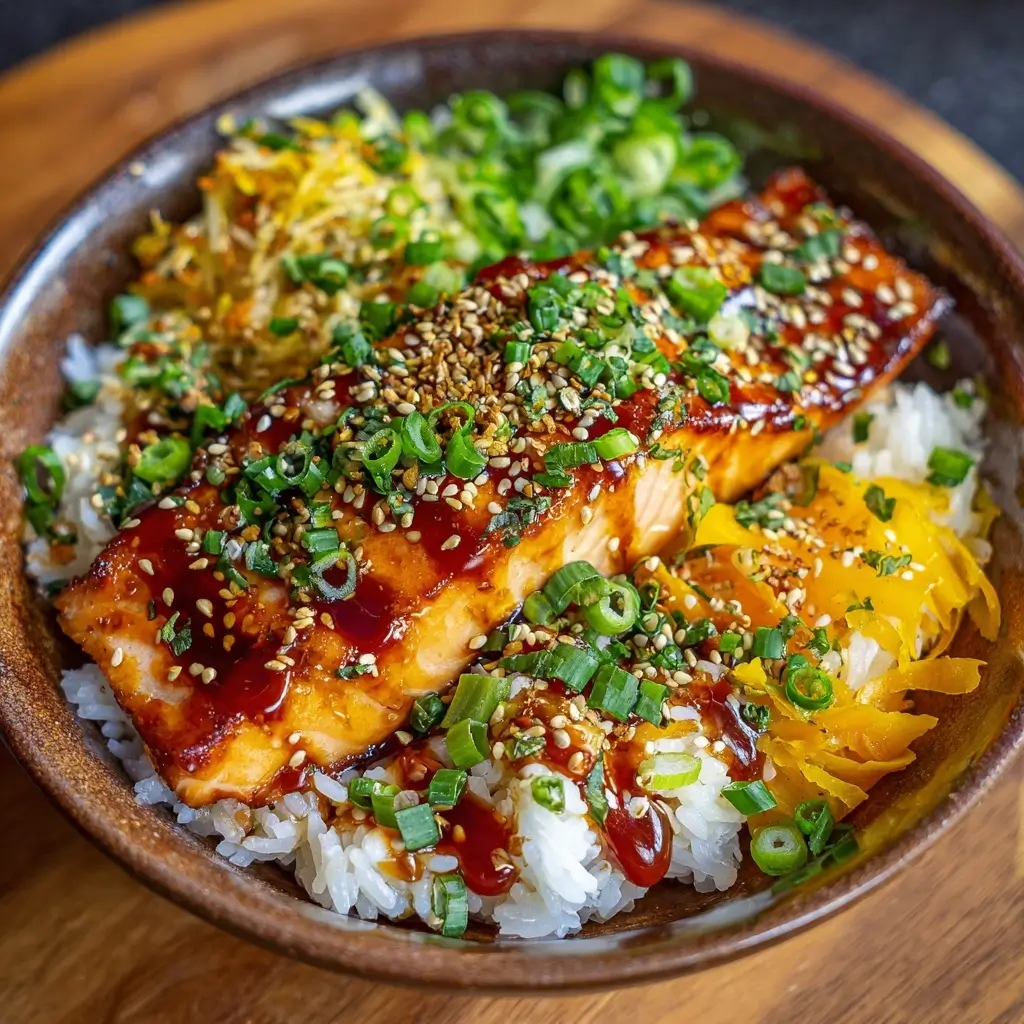
The Salmon Rice Bowl is a vibrant, nutrient-dense, and globally inspired meal that seamlessly blends the rich umami of wild-caught salmon with the comforting heartiness of perfectly cooked rice and a symphony of fresh, colorful vegetables, zesty dressings, and aromatic garnishes. More than just a quick weeknight dinner, it represents a modern culinary philosophy—one that prioritizes whole-food integrity, balanced macros, mindful preparation, and bold, layered flavor without compromising on simplicity or accessibility. Whether you’re a seasoned home cook seeking elevated weekday meals, a health-conscious individual optimizing for omega-3s and antioxidants, or a busy professional craving restaurant-quality nourishment in under 30 minutes, the Salmon Rice Bowl delivers exceptional versatility, visual appeal, and deep satisfaction in every bite. Its adaptability across dietary frameworks—gluten-free, dairy-free, pescatarian, keto-friendly (with grain substitutions), and even Whole30-compliant—makes it a cornerstone recipe in contemporary healthy cooking.
The History
While no single origin story defines the Salmon Rice Bowl, its evolution reflects centuries of cross-cultural culinary exchange and recent food-system shifts. At its core lies the ancient Japanese tradition of donburi—a category of rice bowl dishes featuring simmered or grilled proteins over steamed rice, such as unadon (eel) or oyakodon (chicken and egg). Salmon, however, was historically less common in classic donburi due to concerns about raw consumption and traditional preservation methods; its rise in Japanese-inspired bowls coincided with improved cold-chain logistics, sustainable aquaculture advancements (especially from Norway and Chile), and the global popularity of sushi-grade fish in the late 20th century. Simultaneously, Korean cuisine contributed the bright, fermented depth of gochujang and kimchi-topped rice bowls (bibimbap-adjacent variations), while Hawaiian poke culture introduced the concept of marinated raw fish served over warm or cold rice with tropical accents like mango and macadamia nuts. The modern American “bowl” movement—fueled by fast-casual chains like Sweetgreen and Dig Inn in the 2010s—catalyzed the fusion: emphasizing transparency of sourcing, customizable components, macro-balanced profiles (30% protein, 40% complex carbs, 30% veggies), and Instagram-worthy plating. Today’s Salmon Rice Bowl is thus a delicious testament to globalization, nutritional science, sustainability advocacy, and the democratization of gourmet ingredients—transforming a humble grain-and-fish combination into a celebrated, culturally resonant, and deeply personal daily ritual.
Ingredients Breakdown
Understanding each component’s role elevates both flavor and function:
- Salmon Fillet (skin-on or skinless): Preferably wild-caught Alaskan sockeye or coho for superior omega-3 (EPA/DHA) concentration, astaxanthin (a potent antioxidant giving the pink-orange hue), and lower contaminant levels vs. farmed alternatives. Skin adds crisp texture and collagen-rich nutrients when pan-seared.
- Short-Grain Brown Rice or Sushi Rice: Brown rice contributes magnesium, selenium, and fiber for sustained energy and gut health; sushi rice (short-grain white) offers delicate stickiness and subtle sweetness ideal for holding dressings. Farro or quinoa are excellent gluten-free, high-protein alternatives.
- Avocado: Provides monounsaturated fats critical for salmon’s fat-soluble vitamin absorption (A, D, E, K) and creamy contrast to flaky fish.
- Edamame (shelled, steamed): A complete plant-based protein source rich in folate, vitamin K, and resistant starch—supporting satiety and microbiome diversity.
- Shredded Purple Cabbage: Delivers anthocyanins (anti-inflammatory flavonoids), vitamin C, and satisfying crunch with minimal calories.
- Cucumber Ribbons (using a peeler): Adds hydration, quercetin (an antihistamine phytonutrient), and cooling balance to savory elements.
- Scallions & Toasted Sesame Seeds: Scallions contribute allicin (immune-supportive compound); sesame seeds offer lignans, calcium, and nutty depth—especially when toasted to unlock sesamin.
- Optional Power Boosters: Pickled ginger (digestive enzymes), nori strips (iodine + B12), microgreens (concentrated polyphenols), hemp hearts (omega-3/6 balance), or fermented black beans (umami + probiotics).
Step-by-Step Recipe
- Prep & Marinate Salmon (15 min, includes resting): Pat salmon fillets *extremely* dry with paper towels—this ensures optimal sear. Score skin lightly (if using skin-on) to prevent curling. In a small bowl, whisk together 1 tbsp low-sodium tamari or coconut aminos, 1 tsp grated fresh ginger, 1 tsp minced garlic, ½ tsp toasted sesame oil, and a pinch of white pepper. Rub mixture evenly over salmon flesh (not skin). Let rest at room temperature for 10–15 minutes while prepping other components.
- Cook Rice (25–30 min, mostly hands-off): Rinse 1 cup brown rice under cold water until water runs clear. Combine with 2 cups water and ¼ tsp sea salt in a saucepan. Bring to boil, cover, reduce heat to lowest setting, and simmer for 25 minutes. Remove from heat; let steam, covered, for 10 minutes. Fluff with fork. For sushi rice: Cook 1 cup short-grain rice with 1¼ cups water. After steaming, gently fold in 2 tbsp seasoned rice vinegar (rice vinegar + 1 tsp sugar + ½ tsp salt, warmed).
- Roast or Pan-Seared Salmon (8–10 min): Heat 1 tsp neutral oil (avocado or grapeseed) in oven-safe skillet over medium-high. Place salmon skin-side down. Press gently with spatula for first 30 seconds to prevent curling. Sear 5–6 minutes until skin is ultra-crisp and edges begin to turn opaque. Flip carefully and cook flesh-side 1–2 minutes more for medium. OR: Transfer skillet to preheated 400°F (200°C) oven for 3–4 minutes to finish. Rest 3 minutes before slicing.
- Prep Vegetables & Garnishes (10 min): Thinly slice scallions (reserve greens). Julienne cucumber. Shred purple cabbage. Steam edamame 3 minutes; rinse under cold water. Dice avocado just before assembling to prevent browning.
- Make Signature Miso-Ginger Dressing (5 min): Whisk 2 tbsp white miso paste, 1 tbsp rice vinegar, 1 tbsp fresh lime juice, 1 tsp maple syrup or honey, 1 tsp grated ginger, 1 small clove garlic (minced), and 2 tbsp neutral oil until emulsified. Adjust acidity/sweetness to taste.
- Assemble with Intention (5 min): Divide warm rice evenly among 2–4 shallow bowls. Fan salmon slices over rice. Artfully arrange avocado, edamame, cabbage, cucumber, and scallion whites. Drizzle generously with dressing. Finish with scallion greens, toasted sesame seeds, nori strips, and optional pickled ginger.
Tips
- Dry Salmon is Non-Negotiable: Moisture is the enemy of crisp skin. Pat *thoroughly*, then let air-dry uncovered in fridge 10 minutes pre-seasoning for maximum crunch.
- Season Rice Water, Not Just Rice: Adding a pinch of salt and 1 tsp apple cider vinegar to cooking water enhances flavor, reduces arsenic content (in brown rice), and improves digestibility.
- Low & Slow for Tender Salmon: Overcooking dries out salmon instantly. Use the “flake test”: gently press center with finger—it should yield slightly but spring back. Internal temp should read 125°F (52°C) for medium-rare, 130°F (54°C) for medium.
- Dress Just Before Serving: Miso dressing can soften delicate greens. Keep dressing separate until plating to preserve texture and vibrancy.
- Toast Sesame Seeds in a Dry Pan: 60–90 seconds over medium-low heat, shaking constantly, until golden and fragrant. Cool before sprinkling—heat degrades healthy oils.
- Repurpose Leftovers Creatively: Flake leftover salmon into omelets, mix with mashed avocado for a spread, or blend with Greek yogurt for a salmon dip. Cooked rice makes excellent fried rice next day.
- Acid is Your Ally: A final squeeze of yuzu, lemon, or lime brightens the entire bowl—cutting richness and enhancing mineral absorption.
Variations and Customizations
This bowl is infinitely adaptable—here are thoughtfully curated twists for diverse palates and needs:
- Mediterranean Salmon Bowl: Swap rice for herbed bulgur or farro; use lemon-oregano marinade; top with kalamata olives, cherry tomatoes, cucumber-tzatziki drizzle, crumbled feta (if dairy tolerated), and mint.
- Spicy Korean-Inspired Bowl: Marinate salmon in 1 tbsp gochujang, 1 tsp soy sauce, 1 tsp rice wine, 1 tsp sesame oil, 1 tsp grated pear (tenderizer); serve over brown rice with kimchi, quick-pickled radishes, and spicy mayo (sriracha + avocado).
- Tropical Mango-Avocado Bowl: Use coconut milk-infused jasmine rice; marinate salmon in lime zest, cilantro, and chili; top with ripe mango, jicama matchsticks, red onion, and cilantro-lime crema.
- Smoked Salmon & Everything Bagel Bowl: Skip cooking—use high-quality cold-smoked salmon; serve over everything-seasoned quinoa with scallions, capers, red onion, dill, and cultured cashew cream.
- Keto/Low-Carb Version: Replace rice with riced cauliflower (sautéed in ghee), shirataki rice, or massaged kale base; boost fats with extra avocado, macadamia nuts, and olive oil dressing.
- Vegan “Salmon” Bowl: Substitute marinated, baked watermelon “salmon” (brushed with smoked paprika, nori powder, liquid smoke, and beet juice for color) or marinated king oyster mushrooms; use tamari-miso dressing.
- Breakfast Salmon Bowl: Serve warm salmon over brown rice with soft-scrambled eggs, sautéed spinach, roasted sweet potato cubes, and everything seasoning.
Health Considerations and Nutritional Value
A meticulously assembled Salmon Rice Bowl (using wild salmon, brown rice, avocado, edamame, and vegetable toppings) delivers exceptional macro- and micronutrient synergy:
- Omega-3 Powerhouse: A 5-oz serving of wild salmon provides ~1,200–2,000 mg EPA/DHA—clinically shown to reduce triglycerides, support cognitive function, decrease systemic inflammation, and improve endothelial health. Pairing with avocado’s monounsaturated fats significantly enhances bioavailability.
- Fiber & Gut Health: Brown rice (~3.5g fiber/cup) + edamame (~8g fiber/cup) + cabbage + cucumber deliver 15–20g+ of diverse, prebiotic-rich fiber—fueling beneficial gut bacteria linked to mood regulation (serotonin production), immune resilience, and metabolic health.
- Antioxidant Density: Purple cabbage (anthocyanins), avocado (lutein, glutathione), ginger (gingerol), garlic (allicin), and sesame seeds (sesamin) create a multi-layered defense against oxidative stress and cellular aging.
- Complete Protein Profile: Salmon provides all 9 essential amino acids. Edamame adds complementary plant-based protein and isoflavones (linked to bone and cardiovascular health).
- Mineral Synergy: Selenium (salmon) works with iodine (nori) for thyroid hormone synthesis; magnesium (brown rice, avocado) supports enzymatic conversion of vitamin D; zinc (sesame, salmon) aids immune cell function.
- Considerations: Those with histamine intolerance may opt for freshly cooked (not aged/smoked) salmon and limit fermented toppings (kimchi, miso) initially. For sodium control, choose low-sodium tamari and rinse canned edamame. Pregnant individuals should ensure salmon is fully cooked to 145°F (63°C) and avoid raw preparations unless certified sushi-grade and handled impeccably.
Ingredients
- 2 (5–6 oz) skin-on wild-caught salmon fillets (Alaskan sockeye or coho preferred)
- 1 cup short-grain brown rice (or sushi rice for traditional texture)
- 2 cups water (for brown rice) or 1¼ cups water (for sushi rice)
- ¼ tsp fine sea salt (plus more to taste)
- 1 tbsp low-sodium tamari or coconut aminos
- 1 tsp fresh ginger, finely grated
- 1 tsp garlic, minced
- ½ tsp toasted sesame oil
- Pinch of white pepper
- 1 ripe Hass avocado, diced
- ¾ cup shelled edamame, steamed and cooled
- 1½ cups shredded purple cabbage
- ½ English cucumber, peeled and ribboned with vegetable peeler
- 3–4 scallions, thinly sliced (whites and greens separated)
- 1 tbsp toasted white sesame seeds
- Nori strips (optional, for umami and iodine)
- Pickled ginger (optional, for digestion)
For Miso-Ginger Dressing:
- 2 tbsp white miso paste (ensure gluten-free if needed)
- 1 tbsp unseasoned rice vinegar
- 1 tbsp fresh lime juice (or yuzu if available)
- 1 tsp pure maple syrup or raw honey
- 1 tsp fresh ginger, grated
- 1 small garlic clove, minced
- 2 tbsp avocado or grapeseed oil
- 1–2 tsp warm water (to thin, if needed)
Directions
- Prepare the Rice: Rinse brown rice thoroughly. In a medium saucepan, combine rice, 2 cups water, and ¼ tsp salt. Bring to a vigorous boil over high heat. Immediately reduce heat to the lowest possible setting, cover tightly with lid, and simmer for 25 minutes. Turn off heat and let stand, covered, for 10 minutes without lifting the lid. Fluff gently with a fork. (For sushi rice: Rinse 1 cup rice until water runs clear. Cook with 1¼ cups water. After 15 minutes simmering, remove from heat, cover, and steam 10 minutes. Transfer to wide bowl; gently fold in 2 tbsp seasoned rice vinegar mixture.)
- Marinate Salmon: Pat salmon fillets completely dry with paper towels. Place on a plate, skin-side down. In a small bowl, whisk tamari, grated ginger, minced garlic, sesame oil, and white pepper. Rub mixture evenly over the flesh side only. Let sit at room temperature for 10–15 minutes.
- Cook Salmon: Heat 1 tsp avocado oil in a heavy-bottomed, oven-safe skillet (cast iron preferred) over medium-high heat until shimmering. Carefully place salmon skin-side down into hot pan. Press down firmly with a spatula for 30 seconds to ensure full skin contact. Reduce heat to medium and cook undisturbed for 5–6 minutes, until skin is deeply golden and ultra-crisp. Carefully flip using a thin, flexible spatula. Cook flesh-side for 1–2 minutes for medium doneness. For precise control, transfer skillet to a preheated 400°F (200°C) oven for 3–4 minutes. Remove salmon; let rest on a wire rack for 3 minutes to retain juices.
- Prep Vegetables: While salmon rests, steam edamame 3 minutes; drain and rinse under cold water. Shred cabbage. Ribbon cucumber. Dice avocado. Slice scallions, keeping whites and greens separate.
- Make Dressing: In a small jar or bowl, combine miso, rice vinegar, lime juice, maple syrup, grated ginger, minced garlic, and oil. Whisk vigorously until smooth and emulsified. Add 1–2 tsp warm water if too thick. Taste and adjust: add more lime for brightness or maple for balance.
- Assemble Bowls: Divide warm rice evenly among 2–4 wide, shallow bowls. Gently place 1–2 salmon fillets per bowl, skin-side up for presentation. Arrange avocado, edamame, cabbage, cucumber ribbons, and scallion whites over and around rice and fish. Drizzle generously with miso-ginger dressing. Finish with scallion greens, toasted sesame seeds, nori strips, and pickled ginger if using.
- Serve Immediately: Enjoy while salmon is warm and rice is tender. Encourage diners to mix gently before eating to distribute dressing and textures.
FAQ
- Can I use frozen salmon?
- Yes—thaw overnight in the refrigerator (never at room temperature). Pat *extremely* dry before marinating and cooking. Frozen wild salmon is often flash-frozen at peak freshness and nutritionally comparable to fresh.
- Is farmed salmon safe and healthy?
- Modern responsibly farmed salmon (look for ASC or BAP certification) has improved significantly in feed quality and contaminant levels. However, wild-caught generally offers higher omega-3s, lower PCBs/dioxins, and a more natural diet. If choosing farmed, opt for verified sustainable sources and consume in moderation (2–3x/week max).
- How do I prevent rice from getting mushy?
- Rinse thoroughly to remove excess starch. Use precise water-to-rice ratios. Avoid lifting the lid during cooking or steaming. Let rice rest covered after cooking—this allows steam to redistribute evenly and firms up grains.
- Can I make this ahead for meal prep?
- Absolutely. Cook rice and store chilled up to 5 days. Roast salmon and refrigerate up to 3 days (reheat gently in oven at 325°F for 8–10 mins). Prep vegetables separately in airtight containers. Assemble bowls cold or reheat components individually—never microwave dressed bowls (avocado turns bitter).
- What’s the best way to reheat salmon without drying it out?
- Low and slow is key. Place salmon on a parchment-lined baking sheet, drizzle with ½ tsp oil or broth, cover loosely with foil, and bake at 325°F (165°C) for 8–12 minutes until internal temp reaches 125–130°F. Avoid microwaving—it denatures proteins rapidly.
- Is miso paste raw? Is it safe for pregnant people?
- Traditional miso is a fermented, live-culture product—but most commercial varieties sold in the US are pasteurized, killing active cultures (though beneficial enzymes and compounds remain). It is considered safe during pregnancy. Unpasteurized miso should be avoided unless confirmed safe by a healthcare provider.
- Why toast the sesame seeds?
- Toasting unlocks volatile aromatic compounds (like sesamol and furans), intensifying nuttiness and depth. It also improves digestibility and increases antioxidant activity—making toasted seeds nutritionally superior to raw.
- Can I substitute the miso dressing?
- Yes—try a lemon-tahini drizzle (tahini + lemon + garlic + water), a yuzu-soy vinaigrette, or a simple blend of avocado, lime, cilantro, and jalapeño for creaminess and heat.
Summary
The Salmon Rice Bowl is a masterclass in functional, flavorful, and future-forward eating—uniting wild-caught omega-3 excellence, whole-grain fiber, phytonutrient-rich vegetables, and umami depth into one harmonious, customizable, and deeply satisfying dish.
It honors ancestral wisdom while embracing modern nutritional science, offering unparalleled versatility for health goals, cultural preferences, time constraints, and seasonal abundance—truly a bowl that nourishes body, mind, and spirit with every vibrant, intentional bite.