
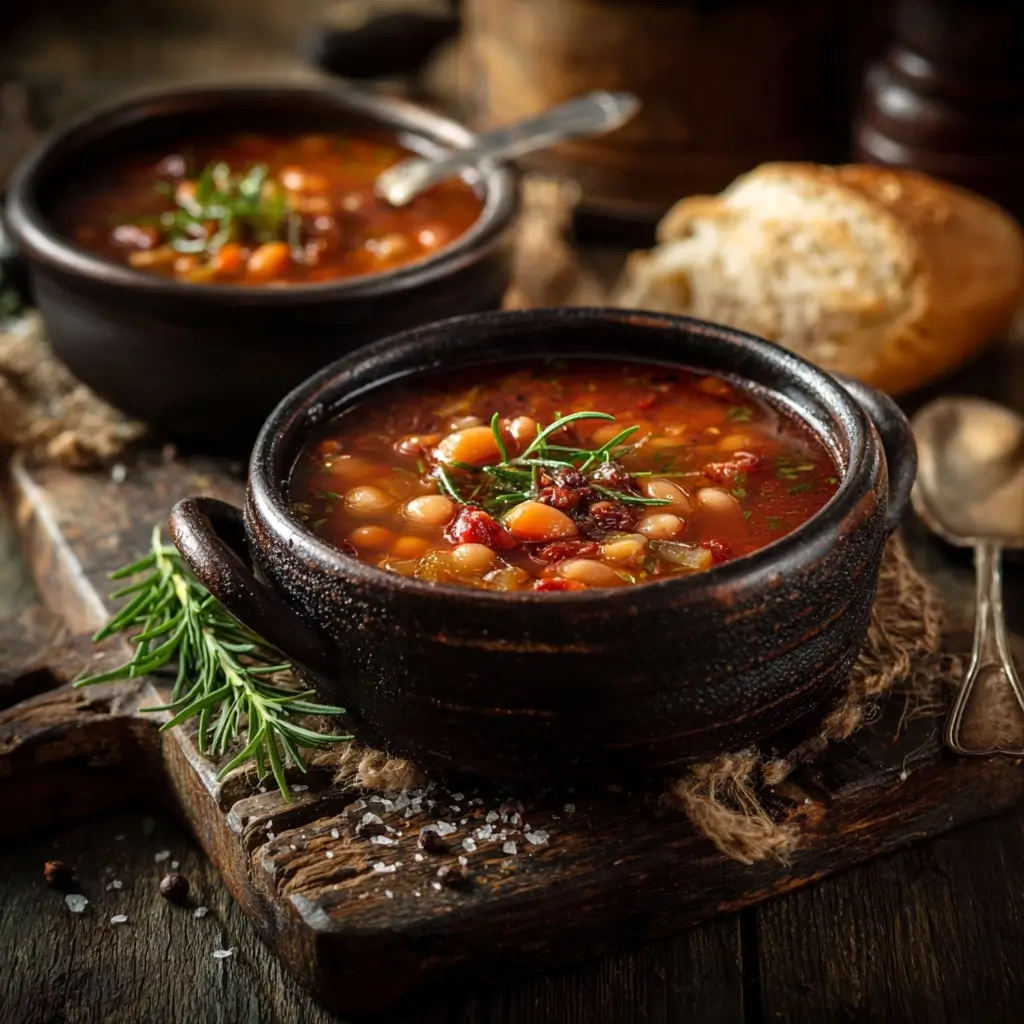
Rustic Farmhouse Bean Soup: A Hearty Classic Rooted in Tradition
There’s something deeply comforting about a steaming bowl of Rustic Farmhouse Bean Soup. This soul-warming dish has graced farmhouse tables for generations, bringing families together around the kitchen table with its rich aroma and satisfying flavor. Whether simmered on a wood-burning stove in the 19th century or prepared in a modern kitchen today, this soup stands as a testament to simple, wholesome cooking. Its roots run deep through rural American, European, and Mediterranean culinary traditions—where nothing goes to waste, and every ingredient is cherished.
The History of Rustic Farmhouse Bean Soup
Bean soups have been a staple in peasant diets across Europe and North America for centuries. In times when meat was scarce and resources were limited, beans provided a reliable source of protein, fiber, and sustenance. The rustic nature of this soup comes from its humble beginnings—cooked in cast-iron pots over open fires using dried beans, root vegetables, herbs from the garden, and leftover ham hocks or smoked meats.
In Italy, it’s known as minestra di fagioli; in France, soupe aux haricots; in the American South, “ham and bean soup.” Each version shares common elements: slow-cooked legumes, aromatic vegetables, and a touch of smoky meat for depth. The farmhouse variation emphasizes texture and heartiness, often made without precise measurements—just “a handful of this, a pinch of that”—passed down orally from grandmother to grandchild.
This particular recipe draws inspiration from Appalachian, New England, and Midwestern kitchens, where winter months called for nourishing meals that could stretch across several days. Leftovers were not only expected but celebrated, as the flavors deepened with each reheat. Today, while convenience foods dominate, the tradition of making a pot of bean soup remains a cherished ritual for many home cooks seeking connection, comfort, and authenticity.
Ingredients Breakdown: What Makes This Soup So Special?
The magic of Rustic Farmhouse Bean Soup lies in its simplicity and quality of ingredients. Every component plays a vital role in building layers of flavor and texture:
- Dried Beans (Navy, Great Northern, or Cannellini): These are the foundation. Unlike canned beans, dried beans offer superior texture and absorb flavors more effectively when slow-cooked. They’re economical, nutritious, and free from preservatives.
- Smoked Ham Hock, Ham Bone, or Bacon: Provides a deep umami richness and smoky backbone. Even vegetarians can achieve complexity with smoked paprika or liquid smoke, though traditional versions rely on pork for authenticity.
- Mirepoix (Onion, Carrot, Celery): The holy trinity of aromatics. Sautéed until soft, they form the flavor base of the soup, adding sweetness, earthiness, and depth.
- Garlic: Minced fresh garlic adds pungency and warmth, elevating the overall savoriness.
- Bay Leaves & Herbs: Dried thyme, rosemary, or sage contribute herbal notes that complement the beans beautifully. Bay leaves infuse a subtle bitterness that balances the richness.
- Tomato Paste: A small amount enhances color and adds a hint of acidity and sweetness, helping to round out the flavor profile.
- Chicken or Vegetable Broth: While water works, broth intensifies the savory character. Homemade stock is ideal, but store-bought low-sodium versions are acceptable.
- Olive Oil: Used for sautéing, it lends a fruity note and helps bloom the flavors of the vegetables and tomato paste.
- Salt & Black Pepper: Seasoned gradually throughout cooking to layer the taste properly.
- Optional Add-ins: Potatoes, turnips, kale, collard greens, or tomatoes can be included depending on regional preferences and seasonal availability.
Step-by-Step Recipe: How to Make Rustic Farmhouse Bean Soup
This recipe yields approximately 8–10 servings and takes about 3 hours from start to finish (including soaking). Slow cooking is key—it allows the beans to become tender without breaking apart and lets the flavors meld into a harmonious blend.
Ingredients
- 1 pound (about 2 cups) dried navy or Great Northern beans, picked over and rinsed
- 1 large smoked ham hock (about 1 lb) or 1 cup diced smoked ham
- 2 tablespoons olive oil
- 1 large yellow onion, diced
- 2 medium carrots, peeled and chopped
- 2 celery stalks, sliced
- 4 cloves garlic, minced
- 2 tablespoons tomato paste
- 8 cups chicken or vegetable broth (or water)
- 2 bay leaves
- 1 teaspoon dried thyme
- 1 sprig fresh rosemary (or ½ tsp dried)
- Salt and freshly ground black pepper, to taste
- 1 medium potato, peeled and cubed (optional)
- 2 cups chopped kale or spinach (added at the end)
Directions
- Soak the Beans: Place the dried beans in a large bowl and cover with at least 3 inches of cold water. Let soak overnight (8–12 hours). Alternatively, use the quick-soak method: bring beans and water to a boil for 2 minutes, then remove from heat, cover, and let sit for 1 hour. Drain and rinse before using.
- Prepare the Base: In a large Dutch oven or heavy-bottomed pot, heat olive oil over medium heat. Add the onion, carrots, and celery. Cook, stirring occasionally, until softened—about 8–10 minutes. Add the garlic and cook for another minute until fragrant.
- Bloom the Tomato Paste: Stir in the tomato paste and cook for 2–3 minutes, allowing it to caramelize slightly. This step deepens the flavor significantly.
- Add Liquids and Beans: Drain the soaked beans and add them to the pot. Add the ham hock, broth, bay leaves, thyme, and rosemary. If using, add cubed potatoes now. Pour in enough additional water if needed to keep everything submerged by at least an inch.
- Simmer Slowly: Bring the mixture to a gentle boil, then reduce heat to low. Cover partially and simmer for 2 to 2.5 hours, stirring occasionally. Skim off any foam that rises to the surface during the first 30 minutes.
- Check Tenderness: After 2 hours, test a few beans—they should be very tender but not mushy. If needed, continue cooking in 15-minute increments.
- Remove Ham Hock: Once beans are tender, take out the ham hock. Let cool slightly, then shred the meat from the bone. Discard the skin, fat, and bone, and return the meat to the pot.
- Add Greens: Stir in chopped kale or spinach and cook for 5–7 minutes until wilted and vibrant.
- Season and Adjust: Remove bay leaves and herb sprigs. Taste and season generously with salt and pepper. If the soup is too thick, add more broth or water. For a creamier texture, mash some beans against the side of the pot with a spoon.
- Rest Before Serving: Allow the soup to rest for 15–20 minutes off the heat. This resting period lets the flavors settle and intensify.
Serve hot with crusty bread, cornbread, or a dollop of sour cream. Garnish with fresh parsley or grated Parmesan cheese if desired.
Tips for the Perfect Rustic Farmhouse Bean Soup
- Don’t Skip Soaking: Soaking reduces cooking time and makes beans easier to digest. It also helps prevent splitting during cooking.
- Use Quality Stock: The broth becomes part of the bean’s essence. Homemade stock adds unmatched depth.
- Low and Slow Wins the Race: Rushing the simmer leads to unevenly cooked beans and flat flavors. Patience rewards you with a richer, more cohesive soup.
- Acidity Matters: Avoid adding acidic ingredients (like tomatoes or vinegar) until the beans are fully tender—acid inhibits softening.
- Skim Impurities: Foamy scum that forms early in cooking contains bitter compounds. Skimming improves clarity and taste.
- Season Gradually: Salt at the beginning enhances flavor development, but final seasoning should happen at the end, after reducing.
- Cool and Reheat for Best Flavor: Like most stews and soups, this tastes even better the next day. Cool completely, refrigerate overnight, then gently reheat.
- Freeze for Later: This soup freezes well for up to 3 months. Store in airtight containers with some headspace for expansion.
Variations and Customizations
One of the greatest strengths of Rustic Farmhouse Bean Soup is its adaptability. Here are some popular variations to suit different tastes and dietary needs:
- Vegetarian/Vegan Version: Omit the ham hock and use smoked paprika (1–2 tsp), a strip of kombu seaweed, or a splash of liquid smoke to mimic smokiness. Use vegetable broth and consider adding miso paste at the end for umami.
- White Bean & Escarole Soup: Inspired by Italian cuisine, stir in chopped escarole during the last 10 minutes for a slightly bitter contrast.
- Spicy Southwest Style: Add cumin, chili powder, diced green chilies, and swap in pinto or black beans. Top with avocado and cilantro.
- Mediterranean Twist: Use cannellini beans, add oregano, lemon zest, and finish with a drizzle of extra virgin olive oil and crumbled feta.
- French Cassoulet-Inspired: Include duck confit, Toulouse sausage, and breadcrumbs baked on top for a luxurious casserole-style version.
- Gluten-Free Friendly: Naturally gluten-free, just ensure your broth and any added meats are certified GF.
- Kid-Friendly Version: Blend half the soup for a creamy texture, reduce strong herbs, and serve with fun-shaped pasta like ditalini.
- Instant Pot Shortcut: Skip soaking. Rinse beans, sauté veggies in the pot, add all ingredients (except greens), seal, and cook on High Pressure for 35 minutes, natural release. Stir in greens and season.
Health Considerations and Nutritional Value
Rustic Farmhouse Bean Soup isn’t just delicious—it’s a nutritional powerhouse. When prepared with mindful choices, it can be a cornerstone of a balanced diet.
Nutritional Highlights (per serving, approx. 1.5 cups):
- Calories: ~280–320 (varies based on meat and oil content)
- Protein: 18–22g – excellent plant-based protein from beans plus animal protein from ham
- Fiber: 12–15g – supports digestive health, blood sugar control, and satiety
- Complex Carbohydrates: Sustained energy without spikes
- Iron, Folate, Magnesium, Potassium: Abundant in beans and vegetables
- Low in Saturated Fat: Especially when lean ham or vegetarian options are used
- Rich in Antioxidants: From colorful vegetables and herbs
Health Benefits:
- Heart Health: High fiber and potassium help regulate blood pressure and cholesterol.
- Weight Management: High volume, high fiber, and protein promote fullness and reduce snacking.
- Blood Sugar Control: Low glycemic index makes it suitable for diabetics when portion-controlled.
- Gut Health: Fiber acts as a prebiotic, feeding beneficial gut bacteria.
Considerations:
- Sodium: Can be high if using salty broths or processed meats. Opt for low-sodium broth and moderate added salt.
- Gas & Bloating: Some people experience digestive discomfort from oligosaccharides in beans. Rinsing soaked beans, discarding soaking water, and thorough cooking help minimize this.
- Allergens: Typically free from common allergens except pork (if used). Always check labels on broth and meats.
- Portion Size: While healthy, it’s calorie-dense due to beans and fat. Balance with a side salad or steamed veg.
Frequently Asked Questions (FAQ)
Can I make this soup without soaking the beans?
Yes, but expect longer cooking time (up to 4 hours) and a higher risk of uneven texture. Quick-soak method is recommended if you’re short on time.
Can I use canned beans instead?
Absolutely. Use three 15-oz cans of drained and rinsed beans. Add them halfway through cooking (after sautéing veggies) and simmer for 30–40 minutes to absorb flavors. Avoid overcooking.
Why did my beans stay hard even after long cooking?
Old beans lose moisture and never soften. Always buy from stores with high turnover. Hard water or acidic ingredients added too early can also inhibit softening.
Can I freeze this soup?
Yes! Cool completely, store in freezer-safe containers (leave ½ inch space), and freeze for up to 3 months. Thaw in fridge overnight and reheat gently on the stove.
What can I substitute for the ham hock?
Try smoked turkey wing, bacon, pancetta, or even a piece of smoked gouda rind (remove before serving). For vegan, use smoked paprika + soy sauce or liquid smoke.
How do I thicken the soup naturally?
Mash some cooked beans against the pot wall with a wooden spoon. This releases starch and creates a velvety texture without flour or cream.
Is this soup gluten-free?
Yes, as long as all ingredients (especially broth and meats) are certified gluten-free. Always double-check labels.
Can I make it in a slow cooker?
Yes! Sauté vegetables first, then transfer to a slow cooker with soaked beans, broth, ham hock, and herbs. Cook on Low for 6–8 hours or High for 4–5 hours.
Summary
Rustic Farmhouse Bean Soup is a timeless, nourishing dish that celebrates simplicity, seasonality, and the joy of slow cooking. Packed with protein, fiber, and deep, smoky flavors, it’s both hearty and healthy—a true comfort food classic.