
Introduction
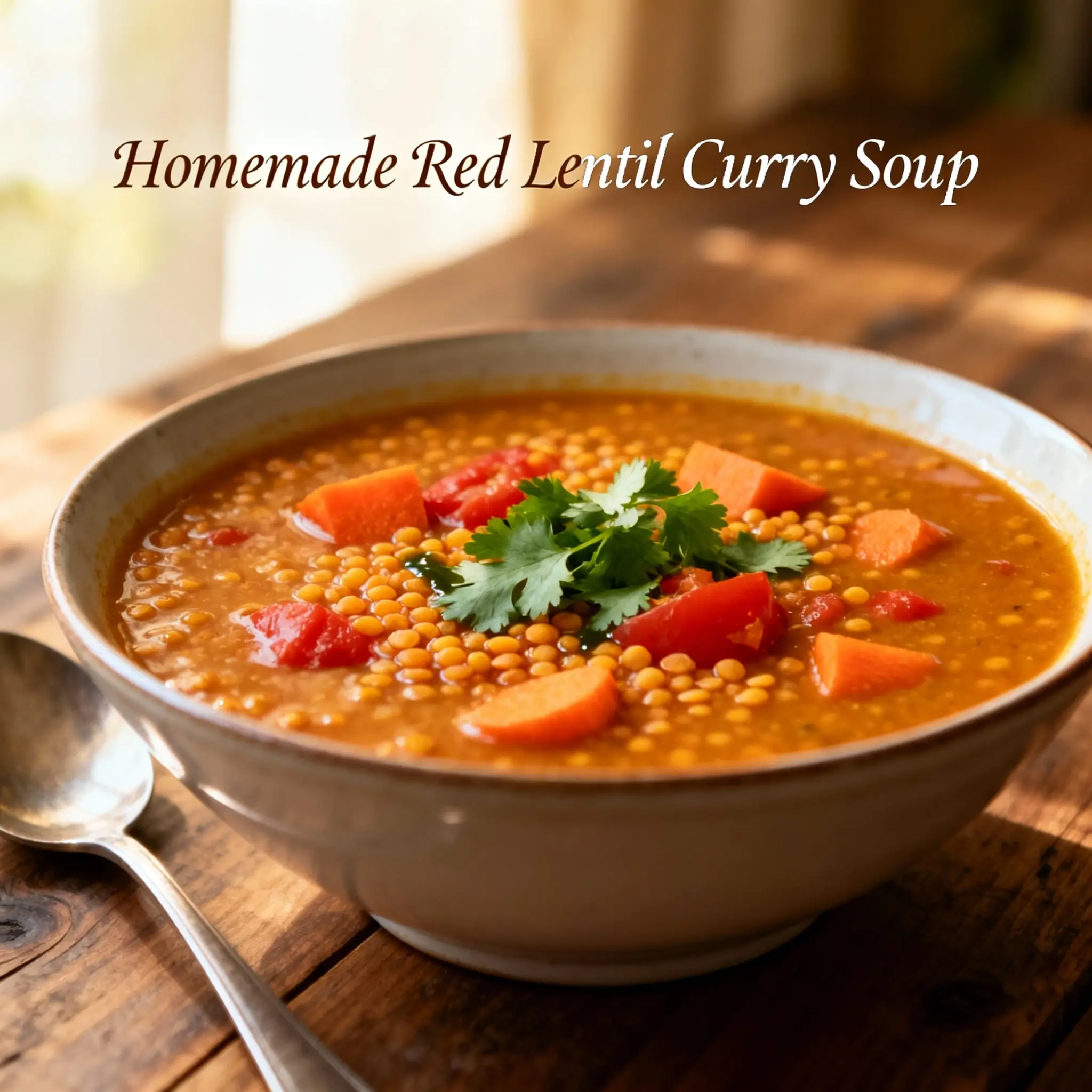
Red lentil curry soup is a vibrant, nourishing, and deeply satisfying dish that brings together the earthy richness of lentils with the aromatic complexity of Indian spices. Loved across cultures for its comforting warmth and health-boosting properties, this soup is both a staple in vegetarian kitchens and a favorite among those seeking hearty plant-based meals. Whether served on a chilly evening or as a restorative lunch, red lentil curry soup delivers a symphony of flavors—creamy, spicy, tangy, and subtly sweet—all in one bowl. Easy to prepare, budget-friendly, and endlessly customizable, it’s no wonder this soup has become a global comfort food classic.
The History
The roots of red lentil curry soup trace back thousands of years to the Indian subcontinent, where lentils have long been a dietary cornerstone. Known as dal in Hindi and other South Asian languages, lentil-based dishes are central to daily meals across India, Pakistan, Bangladesh, and Nepal. Red lentils, or masoor dal, are particularly prized for their quick cooking time, soft texture, and mild flavor that readily absorbs spices. Historically, dal was cooked in clay ovens or over open flames, seasoned simply with turmeric, cumin, and mustard seeds. Over time, regional variations evolved, incorporating coconut milk in coastal areas, tamarind in the south, and cream or yogurt in Mughlai-influenced cuisines. As trade routes expanded, so did the reach of these recipes, eventually influencing Caribbean, East African, and Middle Eastern cooking. Today, red lentil curry soup appears in countless forms—from traditional stovetop preparations to modern slow-cooker versions—uniting ancient culinary wisdom with contemporary wellness trends.
Ingredients Breakdown
The magic of red lentil curry soup lies in the harmony of its ingredients, each playing a vital role in flavor, texture, and nutrition. Here’s a detailed look at what goes into the pot:
- Red Lentils: These small, orange-colored legumes cook quickly and break down into a creamy consistency, forming the base of the soup. They’re rich in protein, fiber, iron, and folate.
- Onion, Garlic, and Ginger: The aromatic trio that builds depth and warmth. Sautéed until golden, they form the flavor foundation of the dish.
- Carrots and Celery (optional): Add sweetness, color, and extra nutrients. They also contribute to the soup’s body when blended.
- Vegetable Broth or Water: Provides liquid for cooking. Broth enhances umami, while water keeps the soup lighter and more neutral.
- Canned Tomatoes or Tomato Paste: Adds acidity and brightness, balancing the richness of the lentils and coconut milk.
- Coconut Milk: Imparts a luxurious creaminess and subtle sweetness. Full-fat versions yield a richer texture, while light coconut milk keeps calories lower.
- Spices: A blend that defines the curry character:
- Turmeric – Earthy and anti-inflammatory, gives the soup its golden hue.
- Cumin – Warm and nutty, essential for depth.
- Coriander – Citrusy and floral, balances heavier spices.
- Paprika or Kashmiri chili powder – Adds color and mild heat.
- Garam Masala – A fragrant blend often added at the end for complexity.
- Fresh or dried chili – For heat lovers; adjust to taste.
- Lemon Juice or Lime Juice: Brightens the final dish, cutting through richness and enhancing flavor layers.
- Fresh Herbs: Cilantro (coriander leaves) adds freshness when used as a garnish.
- Oil: Coconut oil, olive oil, or ghee is used for sautéing spices and aromatics, helping release fat-soluble compounds in the spices.
Step-by-Step Recipe
- Prepare Ingredients: Rinse 1 cup of red lentils under cold water until the water runs clear. Chop 1 medium onion, mince 3 garlic cloves, grate 1 tablespoon of fresh ginger, dice 1–2 carrots, and chop 1 celery stalk if using.
- Sauté Aromatics: In a large pot, heat 2 tablespoons of oil over medium heat. Add the onions and cook for 5–7 minutes until translucent. Stir in the garlic and ginger, cooking for another minute until fragrant.
- Bloom the Spices: Add 1 teaspoon ground cumin, 1 teaspoon ground coriander, ½ teaspoon turmeric, ½ teaspoon paprika, and a pinch of chili flakes (optional). Stir constantly for 30 seconds to toast the spices and release their essential oils.
- Add Vegetables: Stir in the chopped carrots and celery. Cook for 3–4 minutes to soften slightly.
- Incorporate Tomatoes: Add ½ cup canned diced tomatoes or 1 tablespoon tomato paste. Cook for 2 minutes to deepen flavor.
- Add Lentils and Liquid: Pour in the rinsed lentils, followed by 4 cups of vegetable broth or water. Stir well to combine.
- Simmer: Bring the mixture to a boil, then reduce heat to low. Cover and simmer for 20–25 minutes, stirring occasionally, until lentils are tender and mushy.
- Add Coconut Milk: Stir in 1 cup of coconut milk and heat gently for 5 minutes. Do not boil vigorously after adding coconut milk to prevent separation.
- Season and Finish: Add salt and black pepper to taste. Stir in 1–2 tablespoons of lemon juice. Sprinkle in ½ teaspoon garam masala for an aromatic finish.
- Blend (Optional): For a smoother texture, use an immersion blender to partially or fully purée the soup. Alternatively, transfer half to a blender, blend, then return to the pot.
- Garnish and Serve: Ladle into bowls. Top with fresh cilantro, a drizzle of coconut milk, or a spoonful of plain yogurt. Serve hot with naan, rice, or crusty bread.
Tips
- Rinse Lentils Well: Always rinse red lentils before cooking to remove dust and prevent foaming.
- Toast Spices Properly: Blooming spices in oil maximizes flavor. Be careful not to burn them—keep the heat at medium and stir constantly.
- Control Consistency: If the soup thickens too much upon standing, thin it with additional broth or water when reheating.
- Use Fresh Ginger and Garlic: Avoid powdered versions for the base aromatics; fresh yields superior flavor.
- Add Acid at the End: Lemon juice brightens the soup best when added just before serving.
- Make Ahead Friendly: This soup tastes even better the next day as flavors meld. Store in the refrigerator for up to 5 days or freeze for up to 3 months.
- Prevent Coconut Milk Separation: Avoid boiling after adding coconut milk. Heat gently and stir frequently.
- Layering Flavors: For deeper taste, consider dry-roasting whole cumin seeds before grinding, or frying a cinnamon stick and cardamom pods in oil at the beginning (remove before blending).
Variations and Customizations
One of the greatest strengths of red lentil curry soup is its adaptability. Here are some popular twists to suit different tastes and dietary needs:
- Thai-Inspired: Use red curry paste instead of ground spices, add kaffir lime leaves, and finish with Thai basil.
- North African Style: Swap turmeric and cumin for ras el hanout, add harissa for heat, and garnish with preserved lemon.
- Green Lentil Version: Substitute green or brown lentils for a firmer texture and earthier flavor (note: longer cooking time required).
- Protein Boost: Add chickpeas, tofu, or shredded chicken for extra protein.
- Low-Fat Option: Replace coconut milk with unsweetened almond milk or omit entirely for a lighter soup.
- Extra Veggies: Stir in spinach, kale, sweet potato, or zucchini during the last 10 minutes of cooking.
- Smoky Flavor: Add a pinch of smoked paprika or a drop of liquid smoke for a deeper profile.
- Creamy Without Coconut: Blend in cashew butter or silken tofu for creaminess without coconut.
- Instant Pot Version: Combine all ingredients except lemon juice and garnishes. Cook on high pressure for 8 minutes, natural release for 10 minutes, then stir in finishing touches.
- Slow Cooker Method: Sauté aromatics and spices first, then transfer to a slow cooker with remaining ingredients (except coconut milk and lemon juice). Cook on low for 6–8 hours. Stir in coconut milk and acid before serving.
Health Considerations and Nutritional Value
Red lentil curry soup is a nutritional powerhouse, making it ideal for those focused on heart health, weight management, and overall wellness. A typical 1-cup serving (about 240ml) contains approximately:
- Calories: 250–300 (varies based on coconut milk amount)
- Protein: 12–15g – complete with essential amino acids when paired with grains
- Fiber: 10–12g – supports digestion and satiety
- Fat: 10–14g – primarily healthy fats from coconut milk
- Iron: 25–30% of daily value – crucial for oxygen transport
- Folate: 60–70% of DV – important for cell function and pregnancy
- Manganese, Phosphorus, Copper: High levels support metabolism and bone health
- Antioxidants: Turmeric (curcumin), garlic (allicin), and tomatoes (lycopene) offer anti-inflammatory and immune-boosting benefits
Health Benefits:
- Promotes gut health due to high fiber content.
- Supports stable blood sugar levels—low glycemic index and high protein/fiber combo.
- May reduce cholesterol and improve heart health.
- Anti-inflammatory effects from turmeric and ginger, especially when paired with black pepper (enhances curcumin absorption).
- Plant-based and naturally gluten-free, suitable for vegan, vegetarian, and many allergy-conscious diets.
Cautions:
- High fiber content may cause bloating in sensitive individuals—start with smaller portions.
- Coconut milk is calorie-dense; moderation advised for weight loss goals.
- Those on blood thinners should consult a doctor about turmeric intake due to potential interactions.
- Ensure vegetable broth is low in sodium if managing blood pressure.
Ingredients
- 1 cup red lentils (rinsed and drained)
- 2 tablespoons coconut oil or olive oil
- 1 medium yellow onion, finely chopped
- 3 garlic cloves, minced
- 1 tablespoon fresh ginger, grated
- 1–2 carrots, diced (optional)
- 1 celery stalk, chopped (optional)
- 1 teaspoon ground cumin
- 1 teaspoon ground coriander
- ½ teaspoon ground turmeric
- ½ teaspoon paprika (or smoked paprika for depth)
- ¼–½ teaspoon red chili flakes (adjust to taste)
- ½ cup canned diced tomatoes or 1 tbsp tomato paste
- 4 cups vegetable broth or water
- 1 cup full-fat coconut milk (or light, to preference)
- 1–2 tablespoons fresh lemon juice
- ½ teaspoon garam masala (optional but recommended)
- Salt and black pepper to taste
- Fresh cilantro, for garnish
- Plain yogurt or extra coconut milk, for serving (optional)
Directions
- In a large heavy-bottomed pot, heat the oil over medium heat. Add the chopped onion and sauté for 5–7 minutes until soft and translucent.
- Add the minced garlic and grated ginger, stirring constantly for 1 minute until fragrant.
- Stir in the cumin, coriander, turmeric, paprika, and chili flakes. Toast the spices for 30 seconds, stirring continuously to prevent burning.
- Add the carrots and celery (if using), and cook for 3–4 minutes to soften slightly.
- Stir in the tomatoes or tomato paste and cook for 2 minutes to concentrate flavor.
- Add the rinsed red lentils and vegetable broth. Stir well to combine.
- Bring the mixture to a rolling boil, then reduce heat to low. Cover and simmer for 20–25 minutes, stirring occasionally, until lentils are completely tender and beginning to break down.
- Stir in the coconut milk and heat gently for 5 minutes. Do not allow the soup to boil vigorously at this stage.
- Season with salt, black pepper, lemon juice, and garam masala. Taste and adjust seasoning as needed.
- For a creamier texture, use an immersion blender to purée part or all of the soup. Alternatively, transfer 2 cups to a countertop blender, blend until smooth, then return to the pot.
- Allow the soup to rest for 5–10 minutes before serving to let flavors meld.
- Ladle into bowls and garnish with fresh cilantro, a swirl of coconut milk, or a dollop of yogurt. Serve hot with basmati rice, quinoa, or warm naan bread.
FAQ
Can I use green or brown lentils instead of red?
Yes, but note that green and brown lentils take longer to cook (30–40 minutes) and retain their shape more. The texture will be less creamy unless blended.
Is this soup gluten-free?
Yes, as long as you use certified gluten-free broth and check spice labels for cross-contamination. Naturally, lentils and spices are gluten-free.
How do I store leftovers?
Cool completely and store in an airtight container in the refrigerator for up to 5 days or freeze for up to 3 months. Reheat gently on the stove with a splash of water or broth.
Why did my soup turn out too thick?
Lentils absorb liquid as they sit. Simply stir in additional broth, water, or coconut milk when reheating to reach desired consistency.
Can I make this in a pressure cooker?
Absolutely! Use the sauté function for aromatics and spices, then add remaining ingredients (except lemon juice and garnishes). Cook on high pressure for 8 minutes, natural release for 10 minutes. Finish with lemon juice and garam masala.
What can I serve with red lentil curry soup?
Excellent pairings include basmati rice, jasmine rice, naan, roti, pita bread, or a simple green salad. A side of mango chutney or pickled onions adds a delightful contrast.
Can I make it spicier?
Yes—add fresh chopped green chilies, increase red chili flakes, or stir in a spoonful of harissa or sriracha. Serve with extra chili oil on the side.
Is this soup kid-friendly?
Many children enjoy the creamy texture and mild sweetness. Reduce or omit chili, and consider blending it completely for a smooth puree similar to a savory pudding.
Summary
Red lentil curry soup is a nutrient-rich, flavorful, and adaptable dish that combines protein-packed lentils with aromatic Indian spices and creamy coconut milk for a satisfying meal. Easy to make, healthy, and perfect for meal prep, it’s a timeless recipe that warms the body and soul with every spoonful.