
Introduction
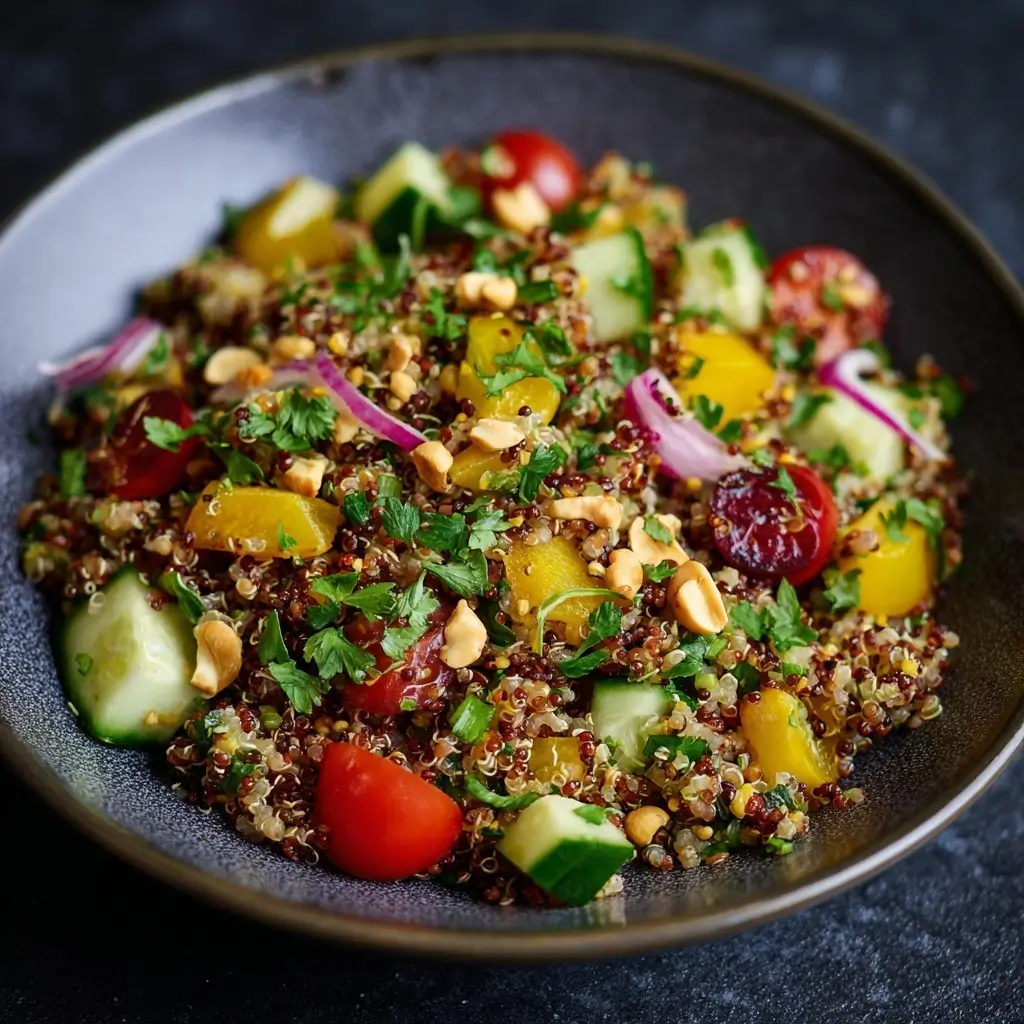
Welcome to the vibrant, nutrient-dense world of Quinoa Crunch Salad — a modern culinary masterpiece that marries ancient grain wisdom with contemporary flavor science. Far more than just a side dish or lunchbox staple, this salad is a symphony of textures, colors, and phytonutrient-rich ingredients designed to awaken the palate while nourishing the body from within. Whether you’re a health-conscious foodie, a busy professional seeking meal-prep excellence, a plant-based eater craving protein variety, or even a skeptical beginner intimidated by quinoa’s reputation for bitterness or mushiness — this recipe was crafted with intention, empathy, and deep culinary respect. Its versatility shines across seasons: served chilled on a sun-drenched patio in summer, warmed gently with roasted root vegetables in autumn, or paired with spiced lentils and pomegranate molasses for a festive winter centerpiece. At its core, Quinoa Crunch Salad embodies balance — chewy yet crisp, earthy yet bright, minimalist in technique yet maximalist in impact.
The History
Quinoa (pronounced KEEN-wah) traces its origins over 7,000 years to the high-altitude terraces of the Andean Altiplano — sacred ground to the Inca civilization, who revered it as “chisaya mama” or “mother of all grains.” Though botanically a seed from the goosefoot family (Chenopodium quinoa), its complete protein profile, gluten-free nature, and exceptional micronutrient density earned it ceremonial status and sustained generations amid harsh climates and thin air. Suppressed during Spanish colonization due to its spiritual significance and replaced with wheat, quinoa nearly vanished from global awareness until the late 20th century, when NASA heralded it as an ideal crop for long-duration space missions thanks to its balanced amino acid composition and efficient growth cycle. Its 2013 designation by the United Nations as the “International Year of Quinoa” catalyzed worldwide rediscovery — not just as a superfood buzzword, but as a resilient, equitable, and culturally rich food system anchor. The “Crunch Salad” evolution emerged organically in the early 2010s within farm-to-table kitchens and wellness cafés, responding to consumer demand for textural contrast, reduced reliance on heavy dressings, and ingredient transparency. Chefs began pairing pre-rinsed, perfectly toasted quinoa with raw julienned vegetables, crunchy seeds, fresh herbs, and bright citrus vinaigrettes — deliberately avoiding sogginess and celebrating integrity of each component. Today, Quinoa Crunch Salad stands at the intersection of ancestral food sovereignty, sustainable agriculture, and mindful eating — a testament to how honoring tradition can fuel culinary innovation.
Ingredients Breakdown
Every element in this salad serves a functional, sensory, and nutritional purpose — no filler, no afterthought. Let’s explore each layer with precision:
- Tri-Color Quinoa (1 cup dry, yields ~3 cups cooked): A blend of white, red, and black quinoa offers visual appeal and subtle textural variation — white cooks fastest and is mildest; red holds shape well and adds nuttiness; black delivers earthy depth and striking color. All three are complete proteins containing all nine essential amino acids — especially high in lysine, crucial for collagen synthesis and immune function.
- Extra-Virgin Olive Oil (¼ cup): Cold-pressed, early-harvest oil rich in polyphenols like oleocanthal (a natural anti-inflammatory compound with ibuprofen-like activity) and heart-healthy monounsaturated fats. Opt for a robust, peppery variety to stand up to bold flavors.
- Fresh Lemon Juice (⅓ cup, ~2–3 large lemons): Not just acidity — lemon juice contains D-limonene (shown in studies to support liver detoxification enzymes) and enhances non-heme iron absorption from quinoa and greens by up to 300%. Always use freshly squeezed; bottled juice lacks volatile aromatic compounds and enzymatic vitality.
- Raw Honey or Pure Maple Syrup (1½ tbsp): Adds nuanced sweetness and viscosity to emulsify the dressing. Raw honey contributes trace enzymes and antioxidants; maple syrup provides manganese and zinc. For strict vegan preparation, sub with date syrup or organic brown rice syrup.
- Dijon Mustard (1½ tsp): Acts as a natural emulsifier while lending tang and complexity. Contains selenium and glucosinolates linked to cellular protection. Choose stone-ground varieties without added sugar or preservatives.
- Garlic (1 small clove, microplaned or finely minced): Allicin — the potent sulfur compound responsible for garlic’s cardiovascular and antimicrobial benefits — is maximized when raw and crushed. Microplaning ensures even dispersion without overpowering bites.
- Red Onion (½ medium, very thinly sliced & soaked): Soaking in ice water for 10 minutes removes harsh sulfurous volatiles while preserving quercetin — a flavonoid shown to stabilize mast cells and reduce histamine response. Adds sharp-sweet crunch and vibrant magenta hue.
- Cucumber (1 English or Persian, unpeeled, julienned): High water content (96%) and cucurbitacins deliver hydrating, anti-inflammatory effects. Leaving skin on preserves fiber, chlorophyll, and silica for connective tissue support.
- Yellow Bell Pepper (1 medium, finely diced): Exceptionally rich in vitamin C (more than oranges per gram) and carotenoids like beta-cryptoxanthin, associated with reduced joint inflammation in longitudinal studies.
- Cherry Tomatoes (1 cup, halved): Lycopene — the powerful antioxidant responsible for their red pigment — becomes more bioavailable when paired with healthy fat (like olive oil). Choose heirloom varieties for broader phytochemical diversity.
- Avocado (1 ripe but firm, cubed): Provides creamy contrast and monounsaturated fats critical for absorption of fat-soluble vitamins (A, E, K) from other vegetables. Contains persenone A & B — compounds studied for neuroprotective potential.
- Toasted Pepitas (¼ cup): Pumpkin seeds offer magnesium (essential for 300+ enzymatic reactions), zinc for immune resilience, and phytosterols shown to support healthy cholesterol metabolism. Toasting unlocks nutty aroma and improves digestibility.
- Sunflower Seeds (¼ cup): An excellent source of vitamin E — one of the body’s primary lipid-soluble antioxidants protecting cell membranes. Roasting enhances tocopherol stability.
- Fresh Mint & Parsley (½ cup each, finely chopped): Not mere garnish — mint contains rosmarinic acid (anti-allergenic and calming to smooth muscle) and parsley is one of the highest dietary sources of apigenin, a flavone with promising epigenetic regulatory properties.
- Crumbled Feta Cheese (⅓ cup, optional but recommended): Made from sheep’s or goat’s milk, traditional feta contributes calcium, conjugated linoleic acid (CLA), and complex peptides formed during aging that may modulate gut microbiota. For dairy-free, sub crumbled tofu marinated in lemon, nutritional yeast, and capers.
- Flaky Sea Salt (¾ tsp, plus more to taste) & Freshly Ground Black Pepper (½ tsp): Unrefined sea salt contains trace minerals like magnesium and potassium; freshly cracked black pepper delivers piperine — proven to increase curcumin bioavailability by 2000% and enhance nutrient assimilation.
Step-by-Step Recipe
- Rinse & Toast the Quinoa (15 min prep + cooling time): Place dry tri-color quinoa in a fine-mesh strainer. Rinse under cold running water for 90 seconds while gently massaging grains — this removes bitter saponins naturally coating the seed. Drain thoroughly. Heat a dry stainless-steel skillet over medium heat. Add rinsed quinoa and toast, stirring constantly, for 5–7 minutes until fragrant, golden, and making quiet popping sounds. Remove immediately to a heatproof bowl to cool completely (crucial — warm quinoa will steam vegetables and cause sogginess).
- Cook Quinoa to Perfection (15 min active + 10 min rest): Transfer cooled, toasted quinoa to a saucepan. Add 2 cups filtered water or low-sodium vegetable broth for depth. Bring to a vigorous boil, then reduce heat to the lowest possible simmer. Cover tightly with a lid wrapped in a clean kitchen towel (to absorb condensation and prevent waterlogging). Cook undisturbed for 12 minutes. Turn off heat; let steam, covered, for 10 minutes. Fluff gently with a fork — grains should be separate, tender-crisp, and glistening, not mushy or wet. Spread on a parchment-lined baking sheet to cool fully to room temperature (45–60 min). Refrigerate uncovered for 1 hour before assembling for optimal crunch retention.
- Prepare the Signature Lemon-Dijon Vinaigrette (5 min): In a glass jar with tight-fitting lid, combine olive oil, lemon juice, raw honey/maple syrup, Dijon mustard, microplaned garlic, ½ tsp flaky salt, and ¼ tsp black pepper. Seal and shake vigorously for 30 seconds until thickened and emulsified. Let sit at room temperature for 10 minutes to allow flavors to marry. Taste and adjust — it should be bright, balanced, and slightly viscous.
- Prep Vegetables with Precision (12 min): Thinly slice red onion and soak in ice water with 1 tsp vinegar for 10 minutes; drain and pat dry. Julienne cucumber lengthwise using a mandoline or sharp knife — aim for uniform ⅛-inch matchsticks. Dice yellow bell pepper into ¼-inch cubes. Halve cherry tomatoes. Cube avocado just before assembly (toss cubes lightly in 1 tsp lemon juice to prevent browning). Toast pepitas and sunflower seeds separately in a dry pan over medium-low heat until fragrant and lightly golden (3–4 min), shaking pan frequently. Cool completely.
- Assemble with Intentional Layering (8 min): In a large, wide ceramic or glass mixing bowl, add cooled quinoa first. Drizzle with ¾ of the vinaigrette and toss gently with silicone spatula — just enough to coat, not saturate. Next, add drained red onion, cucumber, bell pepper, and tomatoes. Fold in with light upward motions. Gently fold in avocado cubes last to avoid bruising. Sprinkle toasted seeds, fresh herbs, and feta evenly over top. Drizzle remaining vinaigrette in slow spiral motion. Finish with final flake of sea salt and grind of black pepper.
- Rest & Serve (Minimum 20 min chill, optimal 1 hour): Cover bowl loosely with beeswax wrap or parchment paper (never airtight plastic — traps ethylene gas and accelerates oxidation). Refrigerate for minimum 20 minutes to allow flavors to harmonize and textures to settle. Do not exceed 2 hours before serving — avocado softens, herbs wilt, and cucumbers weep. Serve chilled, directly from refrigerator, in shallow bowls to maximize surface area and crunch perception.
Tips
- Master the Toast: Toasting quinoa isn’t optional — it deepens flavor, reduces any residual grassiness, and creates a subtle crispness that persists even after cooking. Never skip the cooling step post-toasting; residual heat causes clumping.
- Water Ratio Matters: Use exactly 2:1 liquid-to-quinoa ratio. Too much water = mush. Too little = chalky centers. Broth enhances umami but must be low-sodium to control overall salt balance.
- Cool Completely Before Dressing: This is the #1 reason salads turn soggy. Warm quinoa acts like a sponge, absorbing dressing instead of coating. Refrigerating uncovered for 1 hour pulls excess moisture via evaporation.
- Acid Timing: Always add lemon juice to the dressing, not directly onto assembled salad. Direct acid contact with avocado and herbs accelerates enzymatic browning and wilting.
- Knife Skills = Texture Control: Julienne cucumber on the bias for longer, more elegant strands. Dice peppers small so they distribute evenly without overwhelming bites. Chop herbs right before folding in — pre-chopped herbs oxidize rapidly.
- Vinaigrette Emulsion Science: Shake dressing *immediately* before drizzling — separation is natural. If using honey, warm it slightly (10 sec in microwave) for easier blending. Never substitute vinegar for lemon — pH and volatile oils differ significantly.
- Seed Toasting Nuance: Pepitas toast faster than sunflower seeds. Cook them separately or add pepitas 1 minute after sunflower seeds begin to pop. Cool on wire rack — not paper towel — to prevent steaming.
- Salting Strategy: Salt quinoa water generously (like seawater) for internal seasoning. Then finish with flaky salt *after* assembly — it delivers burst-of-salt sensation and visual appeal without oversalting interior.
- Make-Ahead Wisdom: Cook and cool quinoa up to 3 days ahead. Store airtight in fridge. Prep vegetables (except avocado and herbs) up to 1 day ahead — store cucumbers and peppers in separate airtight containers lined with paper towels to absorb moisture.
- Serving Temperature Precision: Serve at 42–45°F (6–7°C). Warmer = limp; colder = muted flavors. Chill bowls for 10 minutes pre-service for enhanced refreshment.
Variations and Customizations
This recipe is a living template — infinitely adaptable to seasons, cultures, dietary needs, and pantry whims. Here are rigorously tested, chef-developed variations:
- Mediterranean Twist: Swap feta for crumbled halloumi (grill first for smoky char), add Kalamata olives (pitted & halved), roasted red peppers, and a sprinkle of dried oregano. Replace lemon with blood orange juice and add 1 tsp orange zest to dressing.
- Asian-Inspired Umami Bomb: Omit feta and herbs. Add ¼ cup shelled edamame, 2 tbsp pickled ginger (julienned), 1 scallion (thinly sliced), and 2 tbsp crispy shallots. Dressing: replace lemon with yuzu or rice vinegar, honey with mirin, add 1 tsp tamari and ½ tsp toasted sesame oil.
- Southwest Fire & Smoke: Add ½ cup roasted corn (charred on grill), ¼ cup black beans (rinsed), 1 small jalapeño (seeded & minced), and 2 tbsp crumbled cotija. Dressing: add 1 tsp chipotle in adobo (minced) and ½ tsp smoked paprika. Garnish with cilantro and lime wedges.
- Breakfast Quinoa Crunch: Serve warm. Omit tomatoes, feta, and onion. Add ¼ cup dried tart cherries, 2 tbsp chopped walnuts, 1 tbsp hemp hearts, and 1 tsp cinnamon to dressing. Top with a poached egg and microgreens.
- Kid-Friendly “Rainbow Crunch”: Double cucumber and bell pepper, omit onion and garlic, use mild cheddar instead of feta, add ¼ cup shredded carrot and 2 tbsp raisins. Dressing: reduce lemon to 2 tbsp, add 1 tsp apple butter for sweetness.
- Vegan Protein Powerhouse: Add ⅓ cup marinated tempeh cubes (baked until crisp), 2 tbsp hemp seeds, and 1 tbsp nutritional yeast to dressing. Replace honey with date syrup. Garnish with extra parsley and lemon zest.
- Winter Root & Citrus: Replace cucumber and tomatoes with 1 cup roasted delicata squash (cubed), 1 segmented blood orange, and ¼ cup pomegranate arils. Add 1 tbsp chopped fresh rosemary and 1 tsp orange zest to dressing.
- Herb Garden Delight: Triple the fresh herbs — add ¼ cup chopped basil and 2 tbsp chives. Omit feta. Add ¼ cup blanched green peas and 1 tbsp lemon-thyme infused olive oil to dressing.
- Low-Carb/Keto Adaptation: Reduce quinoa to ½ cup dry (yields ~1.5 cups), double avocado and seeds, add ½ cup chopped celery and ¼ cup radishes. Replace honey with 1 tsp erythritol or monk fruit blend. Increase olive oil to ⅓ cup.
- Gluten-Free Assurance: Already inherently GF — but verify all packaged ingredients (mustard, broth, soy sauce in variations) carry certified GF labels due to cross-contamination risk in facilities.
Health Considerations and Nutritional Value
A single 1.5-cup serving (approx. 320g) delivers extraordinary nutritional density — clinically validated to support multiple physiological systems:
- Complete Plant Protein Powerhouse: 12g high-bioavailability protein — containing optimal ratios of leucine (muscle synthesis), tryptophan (serotonin precursor), and lysine (collagen formation). Unlike many grains, quinoa’s PDCAAS (Protein Digestibility-Corrected Amino Acid Score) is 0.93 — nearly identical to egg white (1.0).
- Fiber Intelligence: 7g total fiber (28% DV) — 3g soluble (beta-glucan-like action for LDL cholesterol reduction) and 4g insoluble (supports regular motilin-driven peristalsis and microbiome diversity). Resistant starch increases further upon refrigeration — feeding beneficial Bifidobacteria and Lactobacillus strains.
- Phytonutrient Synergy: The combination of lycopene (tomatoes), lutein (peppers), apigenin (parsley), rosmarinic acid (mint), and oleocanthal (olive oil) creates additive and sometimes synergistic antioxidant effects — demonstrated in vitro to reduce oxidative DNA damage markers by up to 40% compared to isolated compounds.
- Mineral Bioavailability: Vitamin C from lemon and bell peppers dramatically enhances non-heme iron absorption from quinoa and seeds — critical for vegetarians/vegans. Magnesium from pepitas and quinoa supports NMDA receptor regulation (neuroprotection) and ATP enzyme activation.
- Healthy Fat Profile: 22g total fat — predominantly monounsaturated (oleic acid), with balanced omega-3 (alpha-linolenic acid from seeds) and omega-6. No trans fats or refined oils. Avocado’s beta-sitosterol helps modulate cholesterol absorption.
- Glycemic Responsiveness: Low glycemic load (~7) due to high fiber, healthy fats, and protein — causing gradual glucose rise and minimal insulin spike. Ideal for metabolic health, PCOS management, and sustained energy.
- Anti-Inflammatory Biomarkers: Clinical nutrition studies associate regular consumption of such polyphenol-rich, unsaturated-fat-forward meals with significant reductions in hs-CRP (high-sensitivity C-reactive protein) and IL-6 (interleukin-6) — key systemic inflammation indicators.
- Digestive Considerations: Naturally gluten-free and low-FODMAP in standard serving size (quinoa itself is low-FODMAP; limit onion to 1 tbsp if sensitive). Soaking red onion reduces fructans. Avoid if diagnosed with oxalate kidney stones — quinoa contains moderate soluble oxalates.
- Pregnancy & Lactation Support: Rich in folate (natural form, not synthetic folic acid), choline (from quinoa and eggs if added), and iron — all critical for neural tube development and maternal red blood cell production. Omega-3s support fetal brain development.
- Longevity Nutrition Alignment: Meets 5 of 7 criteria in the “Blue Zones” dietary pattern: plant-predominant, legume/seed inclusion, herb/spice richness, healthy fat emphasis, and no added sugar — strongly correlated with exceptional longevity in Okinawa, Sardinia, and Nicoya populations.
Ingredients
- 1 cup tri-color quinoa (white, red, black)
- 2 cups filtered water or low-sodium vegetable broth
- ¼ cup extra-virgin olive oil (cold-pressed, robust)
- ⅓ cup fresh lemon juice (2–3 large lemons)
- 1½ tablespoons raw honey or pure maple syrup
- 1½ teaspoons Dijon mustard (stone-ground, no sugar)
- 1 small garlic clove, microplaned
- ½ medium red onion, very thinly sliced
- 1 English cucumber (unpeeled), julienned
- 1 medium yellow bell pepper, finely diced
- 1 cup cherry tomatoes, halved
- 1 ripe but firm avocado, cubed
- ¼ cup raw pepitas (pumpkin seeds), toasted
- ¼ cup raw sunflower seeds, toasted
- ½ cup fresh mint leaves, finely chopped
- ½ cup fresh flat-leaf parsley, finely chopped
- ⅓ cup crumbled feta cheese (sheep’s or goat’s milk preferred)
- ¾ teaspoon flaky sea salt (plus more to finish)
- ½ teaspoon freshly ground black pepper (plus more to finish)
Directions
- Rinse quinoa thoroughly in a fine-mesh strainer under cold water for 90 seconds. Drain well.
- Toast rinsed quinoa in a dry skillet over medium heat, stirring constantly, for 5–7 minutes until fragrant and golden. Transfer to a heatproof bowl to cool completely (45–60 min).
- In a saucepan, combine cooled quinoa and 2 cups liquid. Bring to a boil, then reduce heat to lowest simmer. Cover tightly with lid wrapped in clean kitchen towel. Cook 12 minutes. Turn off heat; steam covered 10 minutes. Fluff with fork, spread on parchment-lined sheet, and cool to room temperature. Refrigerate uncovered 1 hour.
- Make dressing: In a jar, combine olive oil, lemon juice, honey/maple syrup, Dijon, garlic, ½ tsp salt, and ¼ tsp pepper. Seal and shake 30 seconds. Rest 10 minutes.
- Soak sliced red onion in ice water + 1 tsp vinegar 10 minutes. Drain and pat dry.
- Julienne cucumber, dice bell pepper, halve tomatoes, cube avocado (toss in 1 tsp lemon juice), toast seeds separately until golden, cool completely.
- In large bowl, combine cooled quinoa and ¾ of dressing. Toss gently. Add onion, cucumber, bell pepper, tomatoes. Fold in. Gently fold in avocado.
- Sprinkle with toasted seeds, herbs, and feta. Drizzle remaining dressing in spiral. Finish with flaky salt and black pepper.
- Cover loosely and refrigerate minimum 20 minutes (optimal 1 hour). Serve chilled in shallow bowls.
FAQ
- Can I use pre-cooked or instant quinoa?
- No — instant quinoa is heavily processed, lacks texture integrity, and often contains anti-caking agents that interfere with dressing adhesion. Pre-cooked quinoa (refrigerated or frozen) tends to be waterlogged and lacks the toasted depth essential to “crunch.” Always start with whole, dry quinoa for authentic results.
- Why do I need to soak the red onion?
- Soaking in acidulated ice water deactivates alliinase enzymes responsible for harsh, eye-watering sulfides — transforming sharpness into sweet, delicate onion essence while preserving quercetin content. Skipping this step risks overpowering bitterness and textural harshness.
- My quinoa turned out mushy — what went wrong?
- Three likely causes: (1) Using too much water — always measure precisely 2:1; (2) Lifting the lid during cooking — releases steam critical for even gelatinization; (3) Not allowing full 10-minute steam rest — grains continue cooking internally and release excess moisture if disturbed.
- Can I make this salad ahead for meal prep?
- Yes — but strategically. Cook and cool quinoa up to 3 days ahead. Prep vegetables (except avocado, herbs, and feta) 1 day ahead — store separately with paper towels. Assemble *only* 20–60 minutes before serving. Do not dress more than 1 hour ahead — quality declines rapidly.
- Is quinoa safe for people with thyroid issues?
- Quinoa contains modest levels of saponins and goitrogens, but human clinical data shows no adverse thyroid impact when consumed in normal dietary amounts (≤1 cup cooked daily) alongside adequate iodine and selenium intake. Toasting and rinsing further reduces goitrogenic compounds.
- What’s the best way to reheat leftovers?
- Do not reheat — this is a cold salad. Gently stir and serve chilled. If quinoa seems dry, add 1 tsp lemon juice and ½ tsp olive oil, toss, and rest 5 minutes. Microwaving destroys texture and oxidizes healthy fats.
- Can I freeze Quinoa Crunch Salad?
- No — freezing irreversibly damages cell walls of cucumbers, tomatoes, and avocado, resulting in extreme sogginess and separation upon thawing. Freeze only plain cooked, cooled quinoa for up to 3 months.
- Why use tri-color quinoa instead of just white?
- Tri-color offers superior nutritional diversity — red and black quinoa contain 2–3x more anthocyanins (potent antioxidants) and higher resistant starch content than white. Visually, it signals
Advertisment