
Introduction
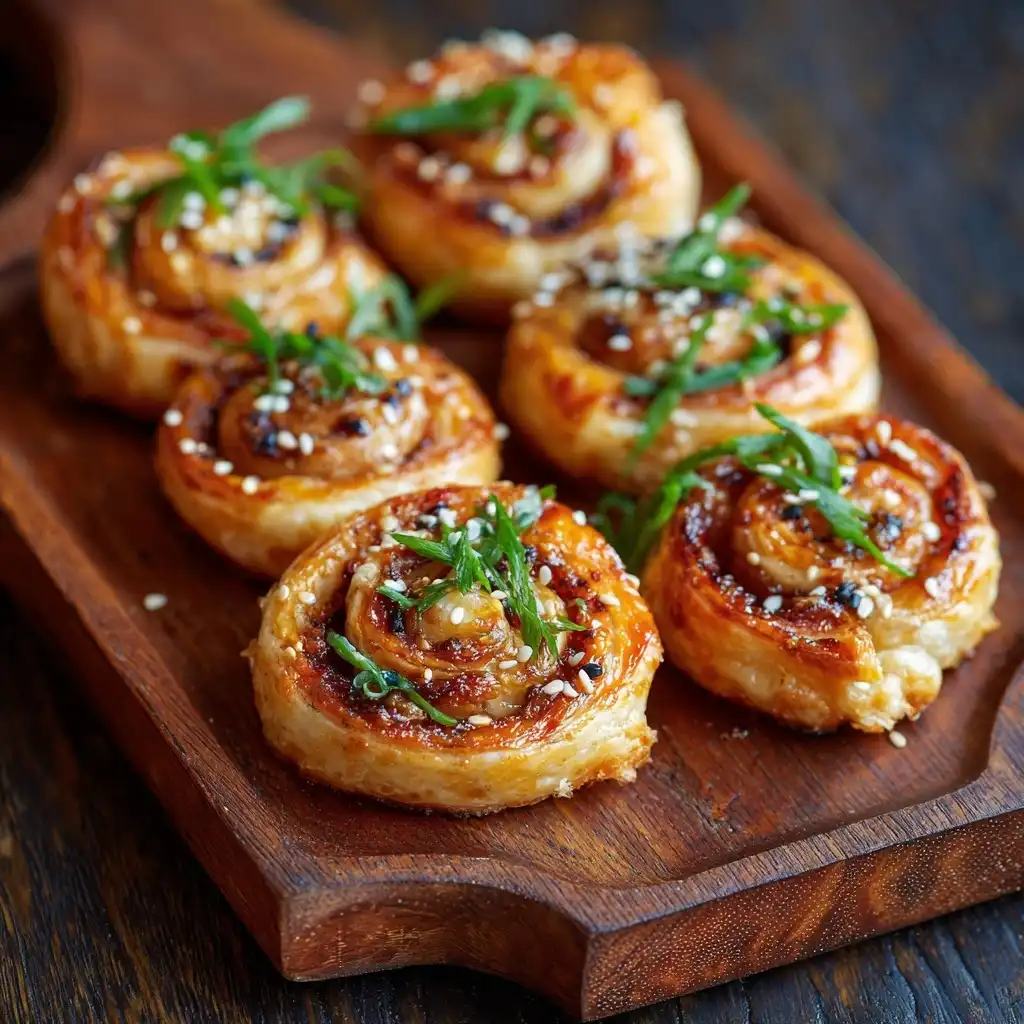
Puff pastry pinwheels are an elegant yet effortlessly approachable appetizer or snack that seamlessly bridges the gap between sophistication and simplicity. With their delicate, flaky spirals revealing vibrant fillings—ranging from savory herb-and-cheese combinations to sweet cinnamon-sugar swirls—they captivate both the eye and palate. Whether served at holiday gatherings, bridal showers, casual game-day spreads, or as a refined addition to afternoon tea, puff pastry pinwheels offer remarkable versatility, visual appeal, and crowd-pleasing flavor in every bite. Their magic lies not only in the buttery, multi-layered texture of the pastry but also in the creative freedom they afford home cooks: endlessly customizable, forgiving for beginners, and impressively professional-looking with minimal effort.
The History
While the exact origin of the “pinwheel” format is difficult to pinpoint, its roots are deeply embedded in centuries-old European pastry traditions—particularly those of France and Austria—where laminated doughs were perfected through painstaking craftsmanship. Puff pastry itself dates back to at least the 17th century, with early documented references appearing in French culinary texts like François Pierre La Varenne’s Le Cuisinier François (1651), though rudimentary layered pastries likely existed much earlier in medieval kitchens. The concept of rolling and slicing filled dough into spirals echoes older techniques found in Eastern European strudels, Middle Eastern boreks, and even ancient Roman rolled honey cakes. The modern “pinwheel” iteration—as a convenient, portion-controlled, oven-ready appetizer—gained widespread popularity in mid-20th-century North America, buoyed by the commercial availability of high-quality frozen puff pastry (notably brands like Pepperidge Farm and Dufour), evolving American entertaining culture, and the rise of TV cooking shows that showcased quick, visually striking hors d’oeuvres. Over time, pinwheels evolved beyond basic cheese-and-herb fillings to include globally inspired flavors—from sun-dried tomato and pesto to Korean gochujang-glazed kimchi, maple-bacon, and even vegan cashew “ricotta” variations—making them a living testament to culinary adaptation and cross-cultural exchange.
Ingredients Breakdown
Understanding each component of puff pastry pinwheels empowers you to troubleshoot, elevate, and personalize your creations. Below is an in-depth analysis of the core elements:
- Puff Pastry Sheets: The foundation—and star—of any pinwheel. Authentic puff pastry is made by folding chilled butter into dough multiple times (typically six “turns”), creating hundreds of thin, alternating layers that steam and separate during baking, yielding dramatic lift and crisp, shattering flakiness. Store-bought all-butter varieties (e.g., Dufour, Trader Joe’s All-Butter) deliver superior flavor and texture over those containing palm oil or shortening. Always thaw frozen pastry in the refrigerator overnight—not at room temperature—to preserve lamination integrity and prevent butter from melting prematurely. If using homemade, ensure the dough remains cold and well-chilled between folds and before rolling.
- Filling Binders: Essential for cohesion and moisture control. Common binders include cream cheese (tangy, rich, and spreadable when softened), ricotta (lighter, slightly grainy, ideal for Italian-inspired versions), goat cheese (earthy and tart), mashed avocado (for fresh, creamy vegetarian options), or even hummus (for Mediterranean flair). Mayonnaise or Greek yogurt can be used sparingly to add tang and binding power without overwhelming flavor.
- Flavor Enhancers & Aromatics: These provide depth and complexity. Finely minced garlic, shallots, red onion, or leeks add pungent sweetness when raw—or mellow savoriness when gently sautéed. Fresh herbs like basil, chives, dill, thyme, rosemary, or parsley contribute brightness and fragrance; dried herbs work in a pinch but require rehydration or longer infusion. Mustard (Dijon or whole-grain) adds acidity and emulsifying power, while hot sauces, harissa, or wasabi paste lend controlled heat.
- Cheeses: Beyond binders, additional cheeses add salt, umami, meltability, and textural contrast. Sharp cheddar offers boldness and excellent browning; feta or blue cheese delivers salty punch; mozzarella or provolone melts luxuriously; grated Parmigiano-Reggiano adds nutty depth and crunch when sprinkled on top pre-bake.
- Vegetables & Proteins: Finely diced, grated, or very thinly sliced ingredients ensure even distribution and prevent tearing the pastry. Examples: roasted red peppers (pat dry!), spinach (wilted and squeezed *thoroughly* to remove excess water), caramelized onions, sun-dried tomatoes (oil-packed, patted dry), cooked and crumbled bacon, prosciutto (thinly sliced or finely chopped), smoked salmon (added *after* baking for freshness), or shredded rotisserie chicken (cooled and mixed with binder).
- Sweet Variations Additions: For dessert-style pinwheels: granulated or brown sugar, ground cinnamon, nutmeg, cardamom, vanilla extract, maple syrup, fruit preserves (strawberry, apricot), chocolate chips (mini or finely chopped), toasted nuts (walnuts, pecans, almonds), dried fruits (cranberries, cherries, apricots), or citrus zest (orange or lemon).
- Finishing Touches: Egg wash (1 egg + 1 tbsp water/milk, whisked smooth) ensures golden, glossy browning and helps adhere toppings. Optional enhancements: flaky sea salt (Maldon), everything bagel seasoning, sesame seeds, poppy seeds, grated cheese, or a post-bake drizzle of balsamic glaze, honey, or flavored oil.
Step-by-Step Recipe
- Prep Work (30 minutes, mostly inactive): Remove puff pastry sheets from freezer and thaw overnight in the refrigerator (or follow package instructions precisely—some brands allow 40 minutes at room temp). Line two large baking sheets with parchment paper or silicone mats. Gather all filling ingredients and prep them meticulously: grate cheeses, mince aromatics, squeeze moisture from spinach or roasted veggies, chop proteins finely, and bring binders (cream cheese, etc.) to cool room temperature for easy spreading. Preheat oven to 400°F (200°C) with racks positioned in upper and lower thirds.
- Unfold & Lightly Flour (2 minutes): Gently unfold each pastry sheet onto a lightly floured surface or parchment. If seams or tears appear, press them together with fingertips—don’t worry, they’ll bake out. Use a rolling pin to gently roll each sheet into a 12×12-inch (30×30 cm) square—just enough to smooth seams and ensure uniform thickness (about 1/8 inch / 3 mm). Avoid over-rolling, which compresses layers and reduces flakiness.
- Spread Filling Evenly (3–4 minutes): Using an offset spatula or butter knife, spread filling evenly across the entire surface of each sheet, leaving a ¼-inch (6 mm) border bare around all edges. This border prevents leakage and aids sealing. Apply consistent pressure to avoid thin spots or thick globs. For layered fillings (e.g., spinach then feta), spread base layer first, then dot and gently press secondary ingredients on top.
- Roll Tightly & Seal (5 minutes): Starting from one long side, use parchment or your hands to lift and begin rolling the pastry away from you into a tight log. Apply gentle, even pressure as you roll to compact layers and eliminate air pockets. When you reach the end, press the seam firmly to seal. Run your fingers along the seam to ensure full adhesion. Repeat with second sheet.
- Chill Logs (Critical Step – 20–30 minutes): Place logs seam-side down on a baking sheet or tray. Cover loosely with plastic wrap and refrigerate for at least 20 minutes (up to 2 hours). Chilling firms the butter, prevents spreading during slicing, and ensures clean cuts. *Do not skip this step—warm logs will squash and smear.*
- Slice Into Pinwheels (3–5 minutes): Using a sharp, non-serrated knife (a chef’s knife or serrated bread knife works well), slice each chilled log into ¾-inch (2 cm) thick rounds. Wipe the blade clean between cuts for precision. Aim for 16–18 pinwheels per log. Place cut sides up on prepared baking sheets, spacing them 1½ inches (4 cm) apart to allow for expansion.
- Apply Egg Wash & Add Toppings (2 minutes): Whisk egg and liquid thoroughly. Using a pastry brush, apply a *thin*, even coat over the top and sides of each pinwheel. Avoid pooling in crevices. Now add optional toppings: a light sprinkle of flaky salt, seeds, or grated cheese.
- Bake to Perfection (20–25 minutes): Bake for 20–25 minutes total, rotating pans top-to-bottom and front-to-back halfway through, until pinwheels are deeply golden brown, puffed dramatically, and sound hollow when gently tapped. Edges should be crisp; undersides should release easily from parchment. *Underbaked pinwheels will be doughy; overbaked ones become overly dry.*
- Cool Slightly & Serve (5 minutes): Let pinwheels rest on baking sheets for 3–5 minutes—this allows internal steam to settle and structure to set. Transfer carefully to a wire rack or serving platter. Serve warm for optimal flakiness and melty fillings, or at room temperature for make-ahead convenience.
Tips
- Chill Relentlessly: Cold is your greatest ally. Chill pastry before rolling, after spreading filling, after rolling into logs, and even briefly after slicing if the kitchen is warm. Butter must stay solid until it hits the oven.
- Dry Ingredients Are Non-Negotiable: Excess moisture is the #1 cause of soggy bottoms and collapsed layers. Pat roasted vegetables, cooked spinach, canned beans, or cured meats *extremely* dry with paper towels—even squeeze through cheesecloth if needed.
- Roll Logs Tight, But Not Brutal: A loose roll yields gaps and uneven spirals; excessive force compacts layers and inhibits rise. Think “firm handshake,” not “vice grip.”
- Sharp Knife + Clean Wipes = Precision: A dull knife crushes rather than slices. Wipe the blade with a damp cloth after every 2–3 cuts to maintain clean edges.
- Don’t Crowd the Pan: Overcrowding traps steam, leading to pale, soft pinwheels instead of crisp, bronzed ones. Give them breathing room.
- Rotate Pans Mid-Bake: Home ovens have hot spots. Rotating ensures even browning and lift across all pinwheels.
- Test Doneness Visually & Audibly: Golden color and visible puffing are key—but the true test is the “hollow tap.” Gently tap the side of a pinwheel with your fingertip; it should sound airy, not dense or doughy.
- Freeze Unbaked for Future Ease: Place sliced, unwashed pinwheels on a parchment-lined tray, freeze until solid (1–2 hours), then transfer to a labeled freezer bag. Bake straight from frozen—add 3–5 minutes to bake time and apply egg wash *after* removing from freezer (it sets quickly).
- Revive Stale Pinwheels: Leftovers soften overnight. Refresh in a 375°F (190°C) oven for 5–7 minutes—crispness returns instantly.
- Scale Smartly: Double batches? Use separate baking sheets and stagger oven racks. Never double-stack trays unless your oven has convection—airflow is critical.
Variations and Customizations
The beauty of puff pastry pinwheels lies in their infinite adaptability. Below is an expansive catalog of globally inspired, dietary-specific, seasonal, and occasion-driven variations—all built on the same foundational technique:
Savory Classics
- Everything Bagel: Cream cheese + minced garlic + dried dill + poppy + sesame + onion + garlic flakes + flaky salt.
- Mediterranean Trio: Herbed goat cheese + chopped kalamata olives + sun-dried tomatoes + fresh oregano.
- Caprese Style: Mascarpone + fresh basil ribbons + tiny mozzarella pearls + balsamic reduction drizzle (post-bake).
- Southwest Fiesta: Chipotle-lime cream cheese + black beans (drained & dried) + corn kernels (grilled or roasted) + cotija cheese.
- Smoked Salmon & Dill: Whipped cream cheese + fresh dill + lemon zest + finely chopped red onion + capers (pressed dry) + smoked salmon (added *after* baking).
Vegetarian & Vegan Options
- Roasted Veggie & Walnut: Roasted zucchini, eggplant & red pepper + walnut “parmesan” (walnuts + nutritional yeast + garlic powder).
- Spinach-Artichoke: Squeezed spinach + marinated artichoke hearts (dried) + vegan cream cheese + roasted garlic + lemon juice.
- Curried Chickpea: Mashed spiced chickpeas (cumin, turmeric, garam masala) + vegan yogurt + cilantro + raisins.
Meat-Lover’s Delights
- Bacon-Cheddar-Jalapeño: Crispy bacon + sharp white cheddar + pickled jalapeños (dried) + touch of maple syrup in binder.
- Prosciutto-Fig: Mascarpone + fig jam + torn prosciutto + black pepper + thyme.
- BBQ Pulled Pork: Shredded pork tossed in reduced BBQ sauce (cooled) + coleslaw mix (very dry) + sharp cheddar.
Sweet Indulgences
- Classic Cinnamon-Sugar: Butter + brown sugar + cinnamon + pinch of cloves + chopped pecans.
- Apple-Cranberry: Sautéed apples + dried cranberries + brown sugar + cinnamon + orange zest + toasted walnuts.
- Chocolate-Hazelnut: Nutella or homemade chocolate-hazelnut spread + crushed toasted hazelnuts + flaky salt.
- Lemon-Raspberry: Lemon curd + fresh raspberries (lightly coated in cornstarch to absorb juice) + lemon zest.
- Pumpkin Spice: Pumpkin puree (well-drained) + brown sugar + pumpkin pie spice + toasted pepitas.
Dietary Accommodations
- Gluten-Free: Use certified GF puff pastry (like GeeFree or Schar) and verify all fillings are GF (e.g., tamari instead of soy sauce).
- Low-Carb/Keto: Replace pastry with almond flour “pastry” (blanched almond flour + psyllium + egg + butter) or use thinly sliced deli turkey or nori sheets as wraps (baked briefly).
- Nut-Free: Substitute seeds (sunflower, pumpkin) or toasted oats for nuts; avoid nut-based cheeses or butters.
- Kid-Friendly: Mild cheddar + ham + apple butter + pinch of cinnamon; or pizza-style (tomato sauce + mozzarella + mini pepperoni).
Health Considerations and Nutritional Value
Puff pastry pinwheels sit at an intersection of indulgence and opportunity—while traditional versions are calorie-dense due to butter-rich pastry and rich fillings, mindful ingredient swaps and portion awareness transform them into a balanced, nutrient-conscious option. A standard savory pinwheel (1 piece, ~2” diameter, made with all-butter pastry and moderate cheese filling) typically contains approximately 120–160 calories, 8–12g fat (4–6g saturated), 10–14g carbohydrates, and 2–4g protein. Sweet versions may range from 140–190 calories, with added sugars contributing significantly. Key health considerations include:
- Pastry Profile: Traditional puff pastry is high in saturated fat and refined carbs. Opting for reduced-fat or whole-grain puff pastry alternatives (though rare and often less flaky) lowers saturated fat. Homemade versions allow control over butter quality (grass-fed, organic) and salt content. Gluten-free options cater to celiac needs but often contain higher starches and added sugars.
- Filling Optimization: Boost nutrition by incorporating fiber-rich vegetables (spinach, kale, zucchini, carrots), lean proteins (turkey, chicken, lentils), healthy fats (avocado, olive oil, nuts/seeds), and low-sodium cheeses (part-skim mozzarella, feta, goat cheese). Limit processed meats (bacon, salami) and high-sodium condiments (soy sauce, pre-made dressings).
- Sugar Awareness (Sweet Versions): Reduce added sugars by using ripe bananas or unsweetened applesauce as natural sweeteners, swapping refined sugar for small amounts of maple syrup or date paste, and relying on spices (cinnamon, nutmeg, cardamom) for depth instead of excess sugar.
- Portion Control: Pinwheels are inherently portioned—but their appeal can lead to overconsumption. Serve 2–3 per person as an appetizer, or pair with a large green salad or vegetable crudité to balance the meal.
- Allergen Transparency: Clearly label pinwheels containing common allergens (dairy, eggs, wheat/gluten, tree nuts, soy, shellfish) for guests—especially important at shared events or for children.
- Functional Additions: Sneak in nutrition: stir ground flax or chia seeds into binders for omega-3s; add powdered spirulina or matcha to green-hued fillings; incorporate probiotic-rich kefir or cultured vegetables for gut health benefits.
Ultimately, puff pastry pinwheels need not be “unhealthy”—they’re a canvas. Prioritizing whole-food ingredients, minimizing ultra-processed components, and embracing culinary creativity fosters both enjoyment and wellness.
Ingredients
Makes 32 pinwheels (2 standard pastry sheets)
- 2 (17.3 oz) packages all-butter puff pastry, thawed in refrigerator overnight
- 1 cup (250g) full-fat cream cheese, softened to cool room temperature
- ¼ cup (60g) sour cream or plain Greek yogurt
- 2 cloves garlic, finely minced
- 2 tbsp fresh chives, finely chopped
- 2 tbsp fresh dill, finely chopped
- 1 tsp lemon zest
- ½ tsp freshly ground black pepper
- 1 tsp kosher salt (plus more for finishing)
- 1 cup (100g) grated sharp white cheddar cheese
- ½ cup (75g) crumbled feta cheese
- 1 large egg + 1 tbsp milk or water (for egg wash)
- Flaky sea salt (e.g., Maldon), for finishing
Directions
- Preheat oven to 400°F (200°C). Line two large baking sheets with parchment paper or silicone baking mats.
- On a lightly floured surface, gently unfold one puff pastry sheet. Using a rolling pin, roll it gently into a 12×12-inch (30×30 cm) square. Repeat with second sheet.
- In a medium bowl, combine cream cheese, sour cream, garlic, chives, dill, lemon zest, black pepper, and kosher salt. Beat with a hand mixer or whisk until smooth and fully blended. Stir in cheddar and feta until evenly distributed.
- Evenly spread half the filling mixture over the first pastry sheet, leaving a ¼-inch border. Repeat with second sheet.
- Starting at one long edge, tightly roll each sheet into a log. Pinch the seam to seal. Wrap each log in plastic wrap and refrigerate for 25–30 minutes.
- Remove logs from fridge. Using a sharp knife, cut each log into 16 equal slices (¾-inch thick). Place slices cut-side up on prepared baking sheets, spaced 1½ inches apart.
- In a small bowl, whisk egg and milk/water. Brush generously over tops and sides of all pinwheels. Sprinkle lightly with flaky sea salt.
- Bake for 22–25 minutes, rotating pans halfway through, until deeply golden, puffed, and hollow-sounding when tapped.
- Let cool on baking sheets for 4 minutes, then transfer to a wire rack or serving platter. Serve warm.
FAQ
- Can I make puff pastry pinwheels ahead of time?
- Absolutely! Unbaked pinwheels freeze beautifully: slice logs, place on parchment-lined tray, freeze solid (1–2 hrs), then store in airtight freezer bags up to 3 months. Bake from frozen—add 3–5 minutes to bake time and apply egg wash just before baking. Baked pinwheels keep refrigerated for 3 days; reheat in a 375°F oven for 5–7 minutes to restore crispness.
- Why did my pinwheels not puff or turn out soggy?
- Most commonly: (1) Pastry was too warm during prep—butter melted, collapsing layers; (2) Filling contained excess moisture (e.g., wet spinach, undrained tomatoes); (3) Oven wasn’t fully preheated—steam generation requires immediate high heat; (4) Overcrowded baking sheet trapped steam. Always chill thoroughly, blot fillings, preheat properly, and space generously.
- Can I use phyllo dough instead of puff pastry?
- You can—but results differ significantly. Phyllo is ultra-thin, crisp, and shatters; it lacks the buttery, airy height of puff pastry. To substitute: layer 4–5 sheets brushed lightly with melted butter, spread filling, roll, chill, slice, and bake at 350°F (175°C) for 20–22 minutes. Expect a lighter, crisper, less “pastry-like” result.
- How do I prevent the filling from leaking out during baking?
- Three keys: (1) Leave a clean ¼-inch border free of filling to seal the roll; (2) Press the seam firmly and run fingers along it to ensure full adhesion; (3) Chill logs thoroughly before slicing—cold butter seals gaps better than warm.
- Are there egg-free or dairy-free puff pastry options?
- Yes—many brands now offer plant-based puff pastry (e.g., Pepperidge Farm’s vegan version, Aussie brand “Jus-Rol Vegan”). Always check labels for hidden dairy (whey, casein) or egg (albumen). For dairy-free fillings, use coconut-based cream cheese, tofu “ricotta,” or mashed white beans seasoned with lemon and herbs.
- Can I make mini pinwheels for bite-sized appetizers?
- Easily! Roll pastry into a 9×12-inch rectangle instead of square, spread filling, roll tightly, chill, then slice into ½-inch rounds. Reduce bake time to 16–18 minutes. Perfect for cocktail parties or wedding favors.
- What dipping sauces pair best with savory pinwheels?
- Endless options: herbed aioli, roasted red pepper hummus, tzatziki, spicy sriracha mayo, balsamic glaze, creamy dill dip, honey mustard, or even a simple lemon-caper vinaigrette for bright contrast.
- Can I bake pinwheels on a convection oven?
- Yes—with adjustment. Convection circulates hot air, speeding cook time and enhancing browning. Reduce temperature by 25°F (to 375°F / 190°C) and decrease bake time by 2–4 minutes. Monitor closely after 16 minutes.
Summary
Puff pastry pinwheels are a masterclass in effortless elegance—transforming humble, store-bought dough into stunning, customizable spirals bursting with flavor, texture, and versatility across cuisines and occasions. With meticulous attention to temperature control, moisture management, and creative fillings, they deliver restaurant-quality results in a home kitchen, making every gathering feel intentional, joyful, and deliciously memorable.