
Introduction
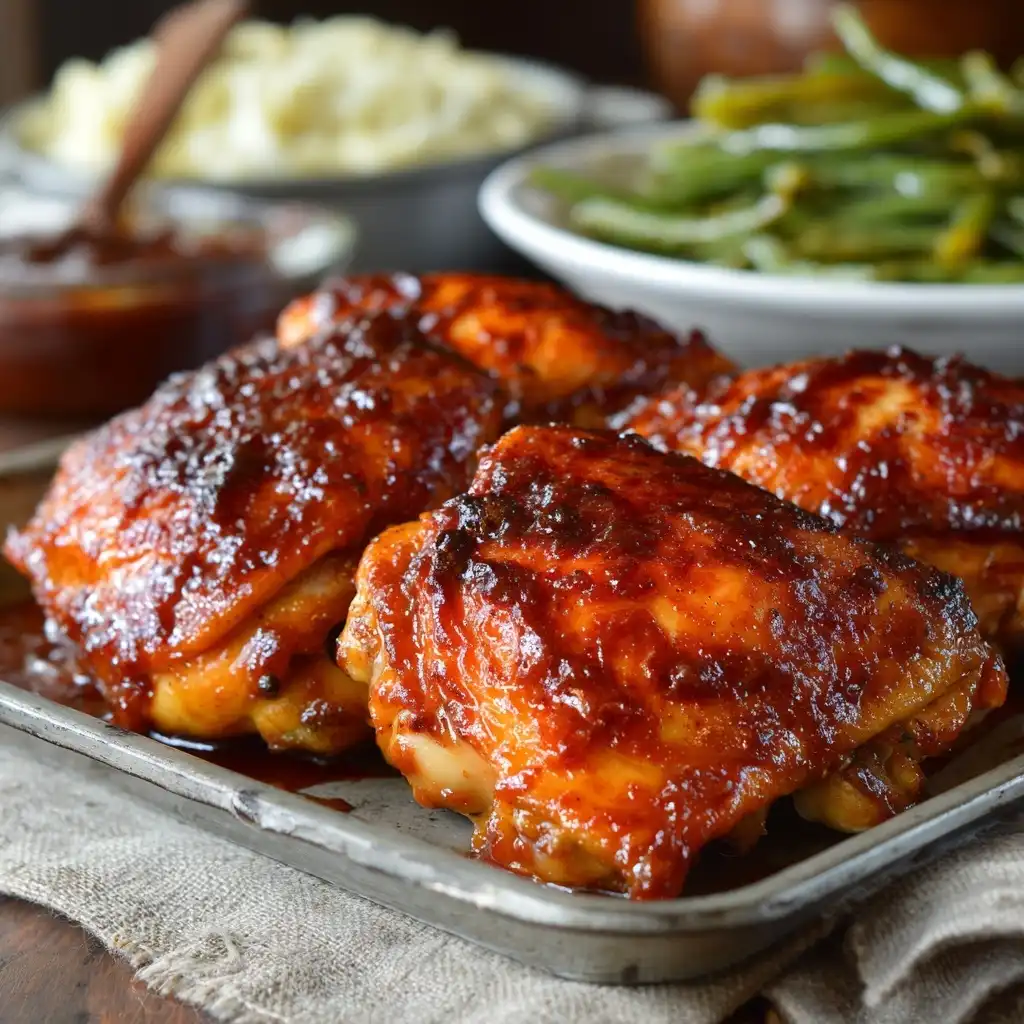
Oven-baked BBQ chicken is a beloved, family-friendly dish that combines the rich, smoky-sweet depth of barbecue sauce with the tender juiciness of perfectly roasted chicken. Unlike grilled or smoked versions, this oven-baked method delivers consistent, hands-off results—ideal for weeknight dinners, meal prep, holiday side dishes, or casual entertaining. Its versatility, minimal active cooking time, and forgiving nature make it accessible to cooks of all skill levels. Whether you’re feeding a crowd or preparing leftovers that taste even better the next day, oven-baked BBQ chicken offers bold flavor without the fuss of outdoor equipment or constant monitoring.
The History
The origins of BBQ chicken trace back to the American South, where pitmasters began experimenting with applying sweet-and-tangy sauces to poultry in the mid-20th century—long after beef and pork had dominated traditional barbecue culture. Early versions were often cooked over indirect heat on charcoal pits, but as home ovens became more temperature-precise and widely available in the 1950s and ’60s, recipes adapted for indoor preparation. The rise of commercial bottled barbecue sauces—like KC Masterpiece (1977) and Sweet Baby Ray’s (1985)—fueled mainstream adoption, making the dish a staple at potlucks, church suppers, and suburban backyard cookouts. Interestingly, while regional styles vary (Kansas City’s molasses-heavy thickness, Carolina’s vinegar-based tang, Memphis’ dry-rub-forward approach), the oven-baked iteration emerged as a pan-regional “greatest hits” version: accessible, adaptable, and engineered for convenience without sacrificing soulful flavor.
Ingredients Breakdown
Understanding each ingredient’s role ensures optimal texture, balance, and depth—not just flavor:
- Chicken pieces: Bone-in, skin-on thighs and drumsticks are highly recommended for maximum moisture retention and rich flavor during baking; however, boneless skinless breasts or tenders work well for leaner, quicker-cooking options. Chicken quarters offer rustic appeal, while wings lend themselves beautifully to finger-food applications.
- Barbecue sauce: The cornerstone of the dish. Choose a high-quality, thick, and balanced sauce—neither overly sweet nor excessively acidic. Look for real ingredients like tomato paste, brown sugar or molasses, apple cider vinegar, garlic, onion, and natural smoke flavor (avoid artificial liquid smoke unless specified). Homemade sauce grants full control over sodium, sugar, and spice levels.
- Marinade & seasoning base: A foundational layer beyond the sauce—typically including olive oil or melted butter (for browning and moisture), soy sauce or Worcestershire (for umami depth and savory complexity), garlic powder and onion powder (for aromatic backbone), smoked paprika (for subtle smoke without grilling), black pepper, and a pinch of cayenne or chipotle powder (for gentle heat).
- Acid component: A splash of apple cider vinegar or fresh lemon juice brightens the sauce, cuts through richness, and helps tenderize proteins slightly—especially important when using leaner cuts like breast meat.
- Sweetener (optional but recommended): A tablespoon of brown sugar, honey, or maple syrup amplifies caramelization during baking and balances acidity—particularly helpful if your chosen BBQ sauce leans tart.
- Fresh aromatics (optional enhancement): Minced garlic, grated ginger, or finely chopped shallots added to the marinade impart freshness and sophistication rarely found in store-bought sauces alone.
- Garnishes (serving stage): Chopped fresh cilantro, parsley, green onions, crumbled blue cheese or feta, pickled red onions, or a drizzle of extra virgin olive oil or hot honey elevate both visual appeal and layered flavor profiles.
Step-by-Step Recipe
- Prep the Chicken: Pat chicken pieces completely dry with paper towels—this is non-negotiable for proper browning and sauce adhesion. Trim excess fat if desired, but leave skin intact for moisture and crispiness. If using whole chicken breasts, pound them to an even ¾-inch thickness for uniform cooking.
- Season Generously: In a large bowl, combine 2 tbsp olive oil, 1 tbsp soy sauce or Worcestershire, 1 tsp smoked paprika, 1 tsp garlic powder, 1 tsp onion powder, ½ tsp black pepper, ¼ tsp cayenne (adjust to preference), and a pinch of salt (reduce if using salty BBQ sauce). Add chicken and toss thoroughly, ensuring every surface is coated. Let marinate for at least 30 minutes—or up to 24 hours refrigerated—for deeper flavor penetration.
- Preheat & Prep Pan: Position oven rack in the center position and preheat to 375°F (190°C) for standard roasting, or 400°F (204°C) for faster, crisper skin. Line a rimmed baking sheet with parchment paper or foil (for easy cleanup), and place a wire rack on top—this allows air circulation and prevents steaming, promoting even browning and crisping.
- Arrange & Initial Bake: Place marinated chicken skin-side up on the wire rack. Roast uncovered for 25–30 minutes (for thighs/drumsticks) or 20–25 minutes (for breasts/tenders) until chicken reaches an internal temperature of 150–155°F (65–68°C) and the skin begins to render and brown lightly.
- Apply Sauce: Carefully remove pan from oven. Using a silicone brush or spoon, generously coat each piece with ⅔ of your chosen BBQ sauce—avoid pooling sauce on the pan, which can burn. Return to oven and bake for another 10–15 minutes.
- Caramelize & Finish: Switch oven to broil (high setting) and move rack to upper third position. Broil for 2–4 minutes—watch closely!—until sauce bubbles, darkens slightly, and develops a glossy, lacquered crust. Rotate pan halfway if needed for even glazing.
- Rest & Serve: Transfer chicken to a clean platter or cutting board, tent loosely with foil, and rest for 5–10 minutes. This allows juices to redistribute—critical for succulent meat. Brush with remaining sauce just before serving for maximum shine and flavor.
Tips
- Dry chicken = crispy skin: Never skip the thorough pat-drying step—it removes surface moisture that would otherwise steam the skin instead of crisping it.
- Don’t sauce too early: Applying BBQ sauce before the initial roast causes sugars to burn and turn bitter. Always wait until chicken is partially cooked and has developed some structure.
- Use a wire rack: Elevating chicken off the pan prevents soggy undersides and encourages all-around browning—especially vital for drumsticks and thighs with curved surfaces.
- Monitor internal temp, not time: Ovens vary, and chicken size differs greatly. Invest in an instant-read thermometer—target 165°F (74°C) in the thickest part, avoiding bone. Remove at 160°F (71°C) for carryover cooking during rest.
- Thicken runny sauce: If your BBQ sauce is too thin, simmer it in a small saucepan for 5–8 minutes until reduced by ~25% and coats the back of a spoon. Stir constantly to avoid scorching.
- Prevent flare-ups under broiler: Keep a close eye during broiling—sugar-rich sauce can ignite quickly. Have a lid or baking sheet nearby to cover briefly if flames appear.
- Make-ahead advantage: Marinate chicken overnight and store covered in the fridge. Bring to room temperature 20 minutes before baking for even cooking.
- Repurpose drippings: After baking, pour pan drippings into a small saucepan, skim excess fat, then whisk in 1 tsp Dijon mustard and 1 tbsp cold butter for a luscious pan sauce.
- Double batch smartly: Bake two trays at once only if your oven has excellent convection or you rotate pans top-to-bottom halfway through initial roast. Otherwise, bake sequentially for consistent results.
- Crisp leftover chicken: Reheat chilled BBQ chicken in a 375°F oven on a wire rack for 12–15 minutes—never microwave, which makes skin rubbery and sauce gummy.
Variations and Customizations
This recipe is a canvas—endlessly customizable to suit dietary preferences, global flavors, seasonal produce, and pantry availability:
- Global Twists: Swap classic BBQ sauce for Korean gochujang-based glaze (with rice vinegar, sesame oil, ginger); Jamaican jerk-spiced version (allspice, thyme, scotch bonnet); or Indian tandoori-inspired blend (yogurt marinade + garam masala + tamarind chutney finish).
- Dietary Adaptations: Keto-friendly? Use sugar-free BBQ sauce, increase healthy fats (brush with avocado oil), and serve over cauliflower rice or roasted Brussels sprouts. Gluten-free? Verify sauce labels—many contain wheat-based soy sauce or malt vinegar; opt for certified GF brands or homemade. Dairy-free? Naturally compliant—just ensure no butter is used in marinade or finishing.
- Poultry Alternatives: Try turkey cutlets, Cornish hens (halved), duck legs (roast longer at lower temp), or even plant-based “chicken” strips (marinate and bake same way, reduce time by 5–7 minutes).
- Sauce Layering Technique: For restaurant-level depth, apply three distinct layers: (1) savory dry rub pre-bake, (2) tangy glaze mid-bake, and (3) sweet-spicy finishing drizzle post-broil—e.g., sriracha-honey or lime-cilantro crema.
- Vegetable Integration: Roast alongside chicken: thick-cut sweet potatoes, red onions, bell peppers, zucchini, or pineapple wedges tossed in olive oil, salt, and a splash of the same BBQ sauce. They absorb drippings and become flavorful sides in one pan.
- Smoky Indoor Hack: Add ¼ tsp food-grade liquid smoke to marinade—or use smoked sea salt and smoked paprika—to mimic grill flavor without outdoor equipment.
- Breakfast Reinvention: Shred leftover BBQ chicken and fold into scrambled eggs with sharp cheddar and pickled jalapeños—or top avocado toast with warm shredded chicken, microgreens, and chipotle aioli.
- Meal Prep Friendly: Bake large batches on Sunday, portion into containers with quinoa or black beans, and refrigerate for up to 4 days—or freeze for 3 months. Reheat gently to preserve texture.
- Kid-Approved Mild Version: Omit cayenne, use mild paprika, and choose low-sodium, low-sugar BBQ sauce. Add 1 tbsp unsweetened applesauce to marinade for natural sweetness and tenderness.
- Gourmet Upgrade: Finish with flaky Maldon salt, microplaned orange zest, toasted sesame seeds, or a swirl of high-quality balsamic reduction.
Health Considerations and Nutritional Value
Oven-baked BBQ chicken can be a nutritionally intelligent choice—when prepared mindfully. A standard 6-ounce serving of skin-on, bone-in chicken thigh (baked with 2 tbsp mid-range BBQ sauce) provides approximately 320 calories, 24g protein, 20g fat (5g saturated), 25g carbohydrates (22g sugars), 500mg sodium, and zero fiber. However, smart modifications significantly improve its profile:
- Protein Powerhouse: Chicken is a complete protein source rich in B vitamins (especially B3 and B6), selenium, and phosphorus—supporting muscle repair, metabolism, and immune function.
- Sugar Awareness: Many commercial sauces contain 12–16g added sugar per 2 tbsp. Opt for low-sugar (<6g) or no-added-sugar versions—or make your own using date paste, monk fruit, or erythritol for keto/low-glycemic needs.
- Sodium Management: A single serving can deliver 30–40% of the daily 2,300mg limit. Reduce by choosing low-sodium soy sauce/Worcestershire, omitting added salt in marinade, and rinsing canned chipotle peppers (if used).
- Fat Quality Matters: Skin-on thighs offer heart-healthy monounsaturated fats—but removing skin before eating reduces saturated fat by ~40%. Alternatively, use skinless chicken breast for lowest-fat option (~160 calories, 3g fat, 31g protein per 6 oz).
- Antioxidant Boost: Tomato-based sauces supply lycopene—a potent antioxidant enhanced by cooking and fat (like olive oil in marinade). Adding fresh herbs (oregano, thyme) or spices (turmeric, garlic) further increases polyphenol content.
- Digestive Support: Apple cider vinegar in marinade may aid digestion and glycemic control; fermented BBQ sauces (rare but emerging) introduce beneficial probiotics.
- Allergen Notes: Common allergens include soy (soy sauce, tofu-based sauces), gluten (in malt vinegar, beer-infused sauces, or thickeners), and tree nuts (in some gourmet or Asian-style sauces). Always read labels or prepare from scratch for full transparency.
- Balanced Meal Pairing: Serve with non-starchy vegetables (roasted broccoli, grilled asparagus), whole grains (brown rice, farro), or legumes (black beans, lentils) to add fiber, vitamins, and sustained energy—reducing overall glycemic load.
- Food Safety Reminder: Never reuse marinade that contacted raw chicken unless boiled vigorously for 3+ minutes. Always wash hands, utensils, and surfaces after handling raw poultry to prevent cross-contamination.
- Portion Guidance: For weight management, aim for 4–5 oz cooked chicken per serving (about the size of a deck of cards), paired with ≥2 cups colorful vegetables.
Ingredients
- 2 lbs bone-in, skin-on chicken thighs and/or drumsticks (or 1.5 lbs boneless, skinless chicken breasts or tenders)
- 2 tablespoons extra-virgin olive oil
- 1 tablespoon low-sodium soy sauce or Worcestershire sauce
- 1 teaspoon smoked paprika
- 1 teaspoon garlic powder
- 1 teaspoon onion powder
- ½ teaspoon freshly ground black pepper
- ¼ teaspoon cayenne pepper (optional, for heat)
- ½ teaspoon fine sea salt (reduce or omit if sauce is salty)
- 1 cup high-quality barbecue sauce (see notes for recommendations)
- 1 tablespoon brown sugar or pure maple syrup (optional, for caramelization)
- 1 teaspoon apple cider vinegar or fresh lemon juice
- Optional garnishes: chopped fresh cilantro, sliced green onions, crumbled feta or blue cheese, pickled red onions, lime wedges
Directions
- Preheat oven to 375°F (190°C). Position rack in center. Line a large rimmed baking sheet with parchment paper or aluminum foil. Place a wire cooling rack on top and lightly grease with oil or nonstick spray.
- In a large mixing bowl, whisk together olive oil, soy sauce (or Worcestershire), smoked paprika, garlic powder, onion powder, black pepper, cayenne (if using), and salt.
- Add chicken pieces to bowl and toss thoroughly until evenly coated. Let marinate at room temperature for 30 minutes—or refrigerate up to 24 hours (bring to room temp 20 min before baking if chilled).
- Arrange chicken skin-side up on prepared wire rack, leaving space between pieces for airflow. Discard any excess marinade.
- Bake for 25–30 minutes (for bone-in) or 20–25 minutes (for boneless) until chicken is lightly browned and registers 150–155°F (65–68°C) internally.
- Remove from oven. In a small bowl, stir together BBQ sauce, brown sugar (if using), and apple cider vinegar. Brush or spoon generously over chicken, coating all sides.
- Return to oven and bake 10–12 more minutes until sauce is bubbling and beginning to set.
- Switch oven to BROIL (high). Move rack to upper third position. Broil 2–4 minutes—watch constantly—until sauce is deeply glazed, slightly charred in spots, and glossy.
- Transfer chicken to a serving platter. Tent loosely with foil and rest 5–10 minutes. Brush with any remaining sauce or reserved glaze.
- Garnish as desired and serve immediately with sides like grilled corn, baked beans, coleslaw, or garlic mashed potatoes.
FAQ
- Can I use frozen chicken?
- Yes—but thaw completely in the refrigerator first (never bake from frozen). Partially frozen chicken will steam rather than roast, resulting in uneven doneness and poor sauce adhesion.
- Why does my BBQ sauce burn in the oven?
- Sugars caramelize quickly at high heat. To prevent burning: (1) Apply sauce only after initial roasting, (2) Avoid excessive pooling in pan, (3) Broil only until glossy—not until blackened, and (4) Use a lower oven temp (350°F) if your oven runs hot.
- Can I make this recipe ahead and reheat?
- Absolutely. Cook fully, cool completely, and store airtight in the refrigerator for up to 4 days or freezer for up to 3 months. Reheat in a 350°F oven on a wire rack for 15–20 minutes (or until 165°F internally) to retain crispness—microwaving will make skin leathery.
- What’s the best BBQ sauce to use?
- Look for brands with short, recognizable ingredient lists: tomato concentrate/paste, apple cider vinegar, brown sugar/molasses, spices, garlic, onion. Top-rated options include Rufus Teague Bold & Balanced, Hey Grill Hey, or Primal Kitchen Sugar-Free. For full control, try our 10-minute homemade version (tomato paste, apple cider vinegar, maple syrup, smoked paprika, garlic, onion, mustard, and liquid smoke).
- Can I cook this on a regular baking sheet without a rack?
- You can—but expect softer skin and potential steaming. If skipping the rack, flip chicken halfway through baking and drain excess liquid from pan before saucing to minimize sogginess.
- How do I get extra-crispy skin?
- Pat chicken *extremely* dry, use skin-on cuts, start at 400°F for first 15 minutes, then reduce to 375°F, and finish under broiler. Optionally, air-dry uncovered in fridge for 1–2 hours before seasoning for ultra-crisp results.
- Is this recipe gluten-free?
- It can be—ensure your BBQ sauce, soy sauce (use tamari or coconut aminos), and Worcestershire (Lea & Perrins Original contains barley; try GF-certified brands like The Wizard’s or Annie’s) are certified gluten-free.
- Can I use chicken wings?
- Yes! Adjust time: bake wings 30–35 minutes at 375°F before saucing, then bake 10 more minutes and broil 2–3 minutes. Toss finished wings in extra sauce for sticky, finger-licking results.
- What sides pair best with oven-baked BBQ chicken?
- Classic pairings include creamy coleslaw, baked mac & cheese, grilled corn on the cob, potato salad, collard greens, or cornbread. Lighter options: quinoa tabbouleh, roasted sweet potatoes, or arugula salad with lemon vinaigrette.
- Can I double the recipe?
- Yes—use two racks or bake in batches. If using two racks, rotate pans top-to-bottom and front-to-back halfway through initial roast for even cooking. Avoid overcrowding, which traps steam and inhibits browning.
Summary
Oven-baked BBQ chicken is a timeless, adaptable, and deeply satisfying dish that transforms humble ingredients into a crowd-pleasing centerpiece—delivering tender, juicy meat beneath a glossy, smoky-sweet crust—all with minimal hands-on effort and maximum flavor payoff. Whether you’re meal prepping for the week, hosting a summer gathering, or simply craving comfort food with integrity, this method proves that exceptional barbecue doesn’t require a smoker, grill, or culinary degree—just quality ingredients, thoughtful technique, and the warmth of your own oven.