
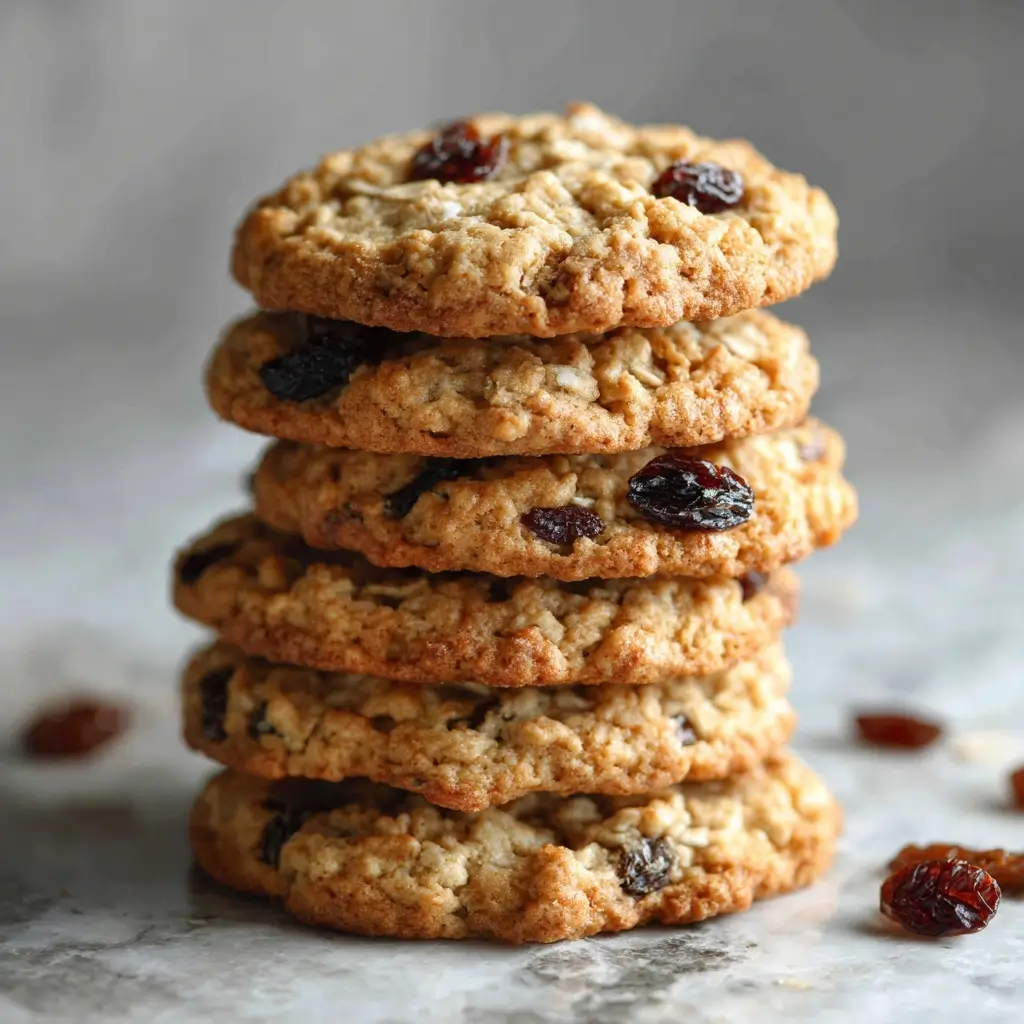
Oatmeal Raisin Cookies That Stay Soft: The Ultimate Comfort Treat
There’s something undeniably comforting about biting into a soft, chewy oatmeal raisin cookie. Warm spices, plump raisins, and hearty oats come together in perfect harmony to create a treat that feels like home. Whether you’re baking for a family gathering, packing school lunches, or simply treating yourself on a quiet afternoon, these Oatmeal Raisin Cookies That Stay Soft are guaranteed to become your go-to recipe. Unlike many versions that turn dry or crumbly after a day or two, these stay irresistibly soft for over a week—thanks to a few carefully chosen ingredients and techniques we’ll explore in detail.
The History of Oatmeal Raisin Cookies
Oatmeal cookies have roots that stretch back centuries, with early forms appearing in Scottish cuisine as far back as the 18th century. Originally made with basic pantry staples like oats, butter, sugar, and flour, they were humble fare for farmers and laborers who needed long-lasting energy. The addition of raisins likely emerged in the late 19th or early 20th century, influenced by the growing popularity of dried fruit in baked goods across Europe and North America.
In the United States, oatmeal raisin cookies gained widespread fame during the mid-20th century, particularly as health-conscious eating trends began to rise. Oats were celebrated for their fiber content and heart-healthy properties, making oatmeal cookies a “healthier” alternative to chocolate chip varieties. By the 1980s and 1990s, they became a staple in bakeries, lunchboxes, and office break rooms. Though sometimes jokingly labeled the “grandma cookie,” their reputation has evolved—today’s best versions, like this one, prove that soft texture, deep flavor, and wholesome ingredients can coexist beautifully.
Ingredients Breakdown: Why Each One Matters
The secret to cookies that stay soft lies not just in technique but in the thoughtful selection of ingredients. Here’s a detailed look at each component and its role in creating tender, moist, shelf-stable cookies:
- Old-Fashioned Rolled Oats: These provide the signature chew and nutty flavor. Quick oats absorb too much moisture and turn mushy, while steel-cut oats are too dense. Rolled oats offer the ideal balance of texture and structure.
- Butter (Unsalted): Adds richness and promotes spread, contributing to a soft center. Using room-temperature butter ensures even creaming with sugars, which traps air for slight lift without drying out the cookie.
- Brown Sugar (Packed): The star of moisture retention. Brown sugar contains molasses, which is hygroscopic—meaning it attracts and holds water. This keeps cookies soft days after baking. We use more brown than white sugar for this reason.
- Granulated Sugar: A small amount adds sweetness and helps with browning and slight crispness at the edges, balancing the chewiness.
- Eggs (Large): Bind the ingredients and add moisture. The proteins help structure, while the fat in the yolk contributes tenderness.
- Vanilla Extract: Enhances overall flavor and rounds out the spices. Pure extract is strongly recommended over imitation for depth.
- All-Purpose Flour: Provides structure. Too much leads to toughness; too little causes spreading. We measure carefully (spoon and level method) for accuracy.
- Baking Soda: Leavening agent that reacts with acids (like brown sugar and yogurt, if used) to create lift and open texture.
- Cinnamon and Nutmeg: Warm spices that complement the raisins and oats. Cinnamon is essential; nutmeg adds subtle complexity.
- Salt: Balances sweetness and enhances all other flavors. Don’t skip it!
- Raisins: Plump, juicy, and sweet-tart. Golden raisins offer a milder flavor, while dark raisins add robustness. Soaking them first prevents dry pockets.
- Optional Add-Ins: Vanilla pudding mix, honey, or a touch of yogurt can further boost softness and flavor—more on that later.
Step-by-Step Recipe: How to Make Oatmeal Raisin Cookies That Stay Soft
Follow these detailed steps for foolproof, bakery-quality cookies every time. Yield: ~24 medium-sized cookies.
Ingredients
- 1 cup (2 sticks / 226g) unsalted butter, softened to room temperature
- 1 cup (220g) packed light brown sugar
- ½ cup (100g) granulated sugar
- 2 large eggs, room temperature
- 2 teaspoons pure vanilla extract
- 2 cups (250g) all-purpose flour (spooned and leveled)
- 1 teaspoon baking soda
- 1 teaspoon ground cinnamon
- ½ teaspoon ground nutmeg (optional but recommended)
- ¾ teaspoon salt
- 3 cups (270g) old-fashioned rolled oats
- 1½ cups (255g) raisins (dark or golden)
- 2 tablespoons warm water or rum (for soaking raisins)
Directions
- Soak the Raisins: In a small bowl, combine raisins with warm water or rum. Let sit for 10–15 minutes. Drain well and pat dry with a paper towel. This step plumps the raisins and prevents them from absorbing moisture from the dough during baking and storage.
- Cream Butter and Sugars: In a large mixing bowl, beat softened butter, brown sugar, and granulated sugar together with a hand mixer or stand mixer on medium speed for 2–3 minutes until light and fluffy. Scrape down the sides as needed.
- Add Wet Ingredients: Beat in eggs one at a time, mixing well after each. Stir in vanilla extract. The mixture should be smooth and creamy.
- Mix Dry Ingredients: In a separate bowl, whisk together flour, baking soda, cinnamon, nutmeg, and salt. Ensure even distribution of leavening and spices.
- Combine Wet and Dry: Gradually add the dry ingredients to the wet mixture on low speed until just combined. Do not overmix.
- Fold in Oats and Raisins: Stir in rolled oats using a wooden spoon or spatula. Then fold in the soaked and drained raisins. The dough will be thick but scoopable.
- Chill the Dough (Optional but Recommended): Cover and refrigerate for 30–60 minutes. Chilling prevents excessive spreading and deepens flavor. You can skip this for quicker results, but chilling improves texture.
- Preheat and Prepare: Preheat oven to 350°F (177°C). Line two large baking sheets with parchment paper or silicone mats.
- Scoop and Shape: Use a cookie scoop or tablespoon to portion dough into balls, about 1.5 tablespoons each. Roll into neat balls and place 2 inches apart on baking sheets.
- Bake: Bake for 10–12 minutes, or until edges are lightly golden but centers still appear soft and slightly underdone. They will continue to set as they cool.
- Cool: Let cookies cool on the baking sheet for 5 minutes before transferring to a wire rack to cool completely. This allows them to finish setting without cracking.
Tips for Perfectly Soft Oatmeal Raisin Cookies
- Don’t Overbake: Remove cookies when centers look soft—they firm up as they cool. Overbaking leads to dryness.
- Use Packed Brown Sugar: Press it firmly into the measuring cup to maximize moisture content.
- Room-Temperature Ingredients: Cold eggs or butter won’t emulsify properly, leading to uneven texture.
- Measure Flour Correctly: Spoon flour into the measuring cup and level off. Scooping packs it down and adds too much flour, causing dryness.
- Store Properly: Keep cooled cookies in an airtight container at room temperature. Add a slice of bread or half an apple to the container—the cookies will absorb moisture from it and stay soft for up to 10 days.
- Freeze for Longevity: Freeze baked cookies or dough balls for up to 3 months. Thaw at room temperature or bake frozen (add 1–2 minutes to bake time).
- Rotate Baking Sheets: For even browning, rotate pans halfway through baking, especially if your oven has hot spots.
Variations and Customizations
While classic oatmeal raisin cookies are timeless, feel free to personalize them. Here are some delicious twists:
- Oatmeal Chocolate Chip Raisin: Add ½–¾ cup chocolate chips (semi-sweet or dark) along with the raisins for a decadent twist.
- Nutty Version: Fold in ¾ cup chopped walnuts, pecans, or almonds for added crunch and richness.
- Spice It Up: Add ¼ teaspoon cloves or allspice for a deeper spice profile, perfect for fall and winter.
- Coconut Lover’s: Mix in ¾ cup shredded coconut (sweetened or unsweetened) for tropical flair.
- Golden Raisin & White Chocolate: Swap dark raisins for golden raisins and add white chocolate chunks for a sweeter, more delicate flavor.
- Gluten-Free: Substitute all-purpose flour with a 1:1 gluten-free baking blend and ensure oats are certified gluten-free.
- Vegan Option: Replace butter with vegan butter, eggs with flax eggs (1 tbsp ground flax + 2.5 tbsp water per egg), and use plant-based sugars.
- Pudding Mix Secret: Add 1 small packet (3.4 oz) of instant vanilla pudding mix to the dry ingredients. This non-traditional trick boosts moisture and softness dramatically—many professional bakers swear by it.
- Honey or Maple Syrup Boost: Replace ¼ cup of brown sugar with honey or maple syrup for added moisture and complex sweetness.
Health Considerations and Nutritional Value
While cookies are treats, oatmeal raisin versions do offer some nutritional benefits compared to other desserts:
- Fiber-Rich Oats: Rolled oats are a great source of soluble fiber, particularly beta-glucan, which supports heart health and stable blood sugar levels.
- Natural Sweetness from Raisins: Raisins contain antioxidants, potassium, and iron. While high in natural sugars, they also contribute dietary fiber and slow-digesting carbohydrates.
- Better Fat Profile: Using real butter in moderation provides satiating fats. For healthier fat options, substitute half the butter with unsweetened applesauce or mashed banana (though texture will be cakier).
- No Artificial Ingredients: When made from scratch with quality ingredients, these cookies avoid preservatives, artificial flavors, and high-fructose corn syrup.
Nutritional Estimate per Cookie (based on 24 cookies):
| Calories | 180–190 |
| Total Fat | 8g |
| Saturated Fat | 5g |
| Cholesterol | 30mg |
| Sodium | 110mg |
| Total Carbohydrates | 27g |
| Dietary Fiber | 2g |
| Sugars | 16g |
| Protein | 2g |
Note: Values vary based on ingredient brands and substitutions. To reduce sugar, try cutting granulated sugar by ¼ cup or using coconut sugar. For lower fat, experiment with Greek yogurt substitution (replace ½ stick butter with ⅓ cup plain Greek yogurt).
Frequently Asked Questions (FAQ)
Q: Why are my oatmeal raisin cookies hard?
A: Hard cookies usually result from overbaking, too much flour, or insufficient moisture-rich ingredients like brown sugar. Always measure flour correctly and remove cookies when centers still look soft.
Q: How do you keep oatmeal cookies soft?
A: Key strategies include using more brown sugar, soaking raisins, avoiding overbaking, storing in an airtight container with a piece of bread, and adding moisture boosters like pudding mix or honey.
Q: Can I freeze oatmeal raisin cookie dough?
A: Yes! Portion dough into balls and freeze on a tray. Once solid, transfer to a freezer bag. Bake from frozen—just add 1–2 minutes to baking time.
Q: Can I use quick oats instead of rolled oats?
A: Quick oats will work in a pinch but yield a denser, less chewy texture. Rolled oats are strongly preferred for optimal softness and structure.
Q: Do these cookies need to be refrigerated?
A: No. Store at room temperature in an airtight container for up to 10 days. Refrigeration can dry them out due to cold, dry air.
Q: Can I make these gluten-free?
A: Absolutely. Use a 1:1 gluten-free flour blend and certified gluten-free oats. Results are nearly identical when done correctly.
Q: Why soak the raisins?
A: Soaking plumps them up and prevents them from drawing moisture out of the dough during baking and storage, helping maintain softness.
Q: Can I use oil instead of butter?
A: You can replace up to half the butter with a neutral oil like canola or avocado. Full substitution may alter texture and flavor significantly.
Summary
These Oatmeal Raisin Cookies That Stay Soft are a masterclass in balancing flavor, texture, and longevity—chewy centers, lightly crisp edges, and bursts of sweet-tart raisins in every bite. With smart ingredient choices and proven techniques, they remain perfectly soft for days, making them ideal for sharing, gifting, or savoring slowly.