
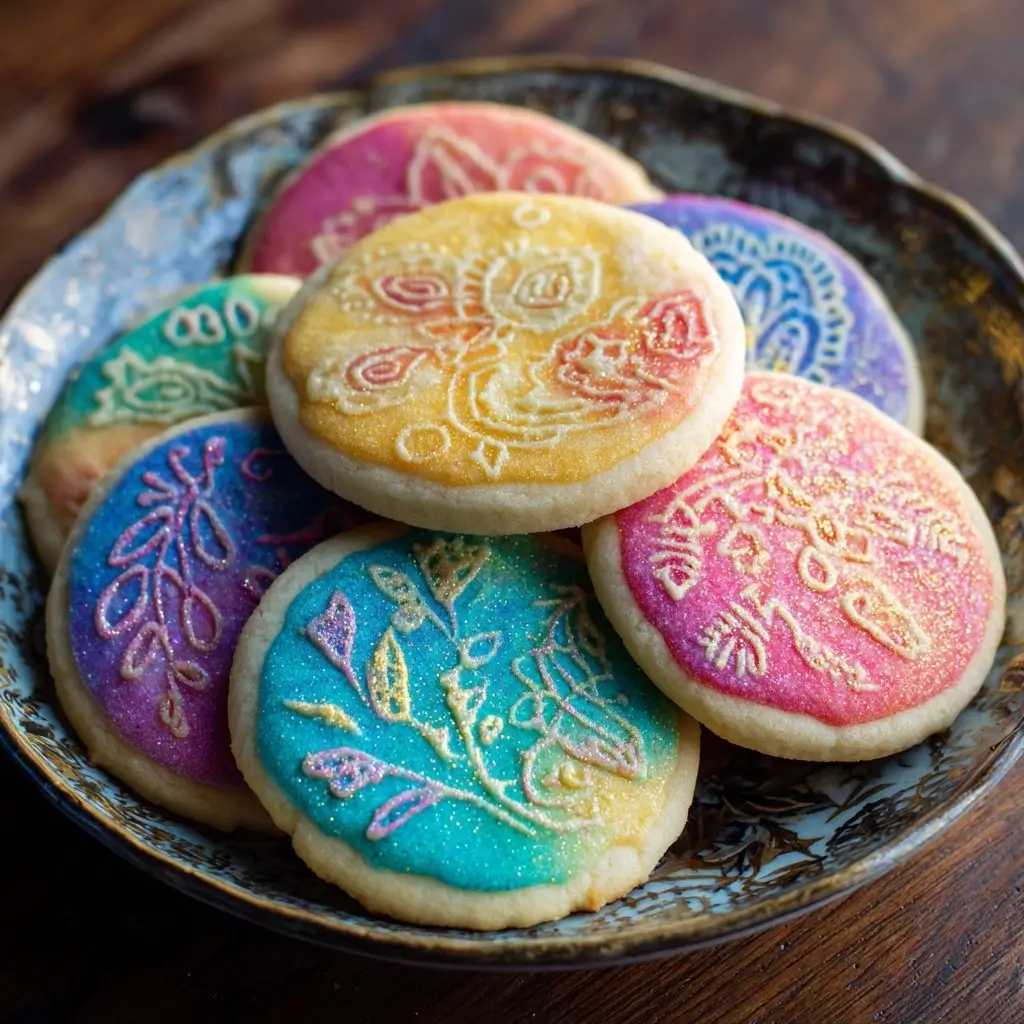
No-Chill Sugar Cookies: The Easiest, Most Delicious Shortcut Recipe
The History of Sugar Cookies and the Rise of No-Chill Variants
Sugar cookies have long been a beloved staple in American baking traditions, with roots tracing back to 18th-century Pennsylvania Dutch communities. These early settlers brought their “Nazareth cookies” — simple, sweet treats made from flour, butter, sugar, and eggs — which evolved into what we now recognize as classic sugar cookies. Traditionally, sugar cookie dough requires chilling for several hours (or even overnight) to prevent excessive spreading during baking, ensuring a soft yet firm texture and clean shape.
However, modern lifestyles demand convenience without sacrificing quality. Enter the no-chill sugar cookie — a revolutionary twist on the classic recipe that eliminates the wait time without compromising taste or appearance. This innovation gained popularity in the late 20th century as home bakers sought faster methods, especially during busy holiday seasons. By adjusting ingredient ratios and incorporating stabilizing agents like cornstarch or powdered sugar, bakers discovered they could skip refrigeration entirely. Today, no-chill sugar cookies are a go-to for last-minute bakers, school projects, and family fun, offering all the charm of traditional versions with none of the downtime.
Ingredients Breakdown: Why Each Component Matters
Understanding the role of each ingredient is key to mastering no-chill sugar cookies. Unlike traditional recipes that rely on cold butter to control spread, this version uses precise balancing to maintain structure without refrigeration.
- Butter (unsalted, softened): Provides richness and flavor. Softened (not melted) butter blends easily with sugar, creating an emulsion that traps air for a tender crumb. Using unsalted butter allows you to control sodium levels precisely.
- Granulated sugar: Sweetens and contributes to browning. Creaming it with butter aerates the mixture, giving cookies lift and softness.
- Egg: Acts as a binder and adds moisture. It also helps with browning and structure. A large egg at room temperature integrates more smoothly into the dough.
- Vanilla extract: Enhances flavor depth. Pure vanilla offers a warm, aromatic note that complements the sweetness perfectly.
- All-purpose flour: The structural backbone. It provides gluten formation for chewiness, but too much can make cookies tough. Measuring correctly (spoon and level) is crucial.
- Cornstarch: A secret weapon in no-chill recipes. It reduces gluten development, yielding a softer, more delicate texture while helping the dough hold its shape during baking.
- Baking powder: A leavening agent that gives the cookies a slight rise and airy interior without puffing too much.
- Salt: Balances sweetness and enhances overall flavor complexity. Even a small amount makes a noticeable difference.
- Powdered sugar (optional in dough): Some variations include a small amount of powdered sugar for a smoother, melt-in-your-mouth texture and added stability.
Step-by-Step Recipe: How to Make Perfect No-Chill Sugar Cookies
Follow these detailed steps to create bakery-quality sugar cookies in under an hour — no waiting required!
- Preheat your oven to 350°F (175°C). Line two or more baking sheets with parchment paper or silicone baking mats. This prevents sticking and ensures even baking.
- Cream butter and sugar: In a large mixing bowl, beat 1 cup (2 sticks / 226g) softened unsalted butter with 3/4 cup granulated sugar using a hand mixer or stand mixer on medium speed for 2–3 minutes until light and fluffy. Scrape down the sides as needed.
- Add wet ingredients: Beat in 1 large egg and 1 teaspoon pure vanilla extract until fully combined, about 1 minute. The mixture should be smooth and slightly glossy.
- Mix dry ingredients: In a separate bowl, whisk together 2 1/2 cups all-purpose flour, 2 tablespoons cornstarch, 1 teaspoon baking powder, and 1/2 teaspoon salt. Whisk thoroughly to ensure even distribution.
- Combine wet and dry: Gradually add the dry ingredients to the butter mixture on low speed, mixing just until the dough comes together. Do not overmix. The dough will be soft but manageable — this is normal.
- Shape the dough: Turn the dough out onto a lightly floured surface. Gently pat or roll it into a rectangle about 1-inch thick. Use cookie cutters dipped in flour to cut shapes cleanly. For round cookies, use a glass or biscuit cutter.
- Transfer to baking sheet: Carefully move cutouts to prepared baking sheets, spacing them about 1.5 inches apart to allow for minimal spread.
- Bake immediately: Place trays in the preheated oven and bake for 8–10 minutes, rotating halfway through for even baking. Cookies are done when the edges are just beginning to turn golden but centers still look soft.
- Cool completely: Let cookies cool on the baking sheet for 5 minutes before transferring to a wire rack to cool fully. This sets their structure and prevents breakage.
- Decorate (optional): Once cooled, frost with royal icing, buttercream, or a simple glaze. Sprinkle with colored sugars or nonpareils if desired.
Tips for Flawless No-Chill Sugar Cookies Every Time
- Use room-temperature ingredients: Ensure butter and egg are at room temperature (about 68–70°F) to blend evenly and avoid curdling.
- Don’t overmix: Overworking the dough develops gluten, leading to tough cookies. Mix only until ingredients are incorporated.
- Flour your tools: Dust cookie cutters and rolling pin with flour to prevent sticking, especially since the dough isn’t chilled.
- Roll to consistent thickness: Aim for 1/4 to 1/2 inch thickness depending on desired texture — thinner for crispier, thicker for softer.
- Bake one tray at a time: If possible, bake one sheet at a time in the center of the oven for uniform heat distribution.
- Watch closely: These cookies bake quickly. Remove them when the bottoms are lightly golden — they continue cooking slightly on the hot tray.
- Store properly: Keep unfrosted cookies in an airtight container at room temperature for up to 1 week. Frosted cookies should be stored in layers separated by wax paper.
Variations and Customizations: Make It Your Own
One of the joys of no-chill sugar cookies is how easily they adapt to personal tastes and occasions.
- Lemon or almond variation: Replace vanilla extract with 1 teaspoon lemon zest + 1/2 tsp lemon extract, or 1/2 teaspoon almond extract for a fragrant twist.
- Colored dough: Add a few drops of gel food coloring to the wet ingredients for vibrant holiday themes. Avoid liquid colors, which can alter texture.
- Spiced sugar cookies: Mix 1/2 teaspoon cinnamon, 1/4 teaspoon nutmeg, and a pinch of cloves into the dry ingredients for a warm, festive flavor.
- Gluten-free option: Substitute all-purpose flour with a 1:1 gluten-free baking blend (ensure it contains xanthan gum). Results may vary slightly in texture.
- Vegan adaptation: Use plant-based butter (like Earth Balance), a flax egg (1 tbsp ground flax + 3 tbsp water), and check that sugar is vegan-certified.
- Jumbo cookies: Roll larger portions into balls and flatten slightly for bakery-style giant cookies. Bake 12–14 minutes.
- Stuffed cookies: Press a chocolate chip, jelly-filled thumbprint, or caramel piece into the center before baking.
- Edible glitter or luster dust: Brush cooled frosted cookies with edible glaze and sprinkle with shimmer for elegant party treats.
Health Considerations and Nutritional Value
While no-chill sugar cookies are undeniably indulgent, understanding their nutritional profile helps with mindful enjoyment.
Nutrition per serving (1 average-sized cookie, unfrosted):
- Calories: ~90–110
- Total Fat: 5–6g (mostly from butter)
- Saturated Fat: 3g
- Cholesterol: 20mg
- Sodium: 50–70mg
- Total Carbohydrates: 12–14g
- Sugars: 6–8g (naturally occurring and added)
- Protein: 1g
- Fiber: 0g
Health Notes:
- These cookies are high in refined carbohydrates and added sugars. Enjoy in moderation, especially for individuals managing blood sugar levels.
- To reduce sugar content, consider decreasing granulated sugar by 1–2 tablespoons, though this may affect texture and browning.
- For a slightly healthier fat profile, substitute half the butter with unsweetened applesauce (results will be cakier).
- Kids love helping make these, so use the activity to teach portion control and balanced eating habits.
- Freezing unbaked dough portions allows for fresh-baked cookies on demand, reducing waste and temptation to overeat.
Ingredients
- 1 cup (2 sticks / 226g) unsalted butter, softened
- 3/4 cup granulated sugar
- 1 large egg, room temperature
- 1 teaspoon pure vanilla extract
- 2 1/2 cups all-purpose flour (spooned and leveled)
- 2 tablespoons cornstarch
- 1 teaspoon baking powder
- 1/2 teaspoon salt
Optional for decorating: powdered sugar glaze, royal icing, sprinkles, food coloring, etc.
Directions
- Preheat oven to 350°F (175°C). Line baking sheets with parchment paper or silicone mats.
- In a large bowl, cream together softened butter and granulated sugar until light and fluffy (2–3 minutes).
- Beat in egg and vanilla extract until smooth.
- In another bowl, whisk flour, cornstarch, baking powder, and salt.
- Gradually add dry ingredients to wet, mixing on low until just combined.
- Turn dough onto lightly floured surface. Pat into 1-inch thick rectangle.
- Roll or press to 1/4–1/2 inch thickness. Cut into shapes with floured cookie cutters.
- Place cutouts 1.5 inches apart on baking sheets.
- Bake 8–10 minutes until edges are lightly golden.
- Cool on pan for 5 minutes, then transfer to wire rack.
- Let cool completely before decorating.
FAQ
Can I freeze no-chill sugar cookie dough?
Yes! Shape the dough into a disc or log, wrap tightly in plastic, and freeze for up to 3 months. Thaw in the refrigerator overnight, then roll and bake as directed.
Why didn’t my cookies spread? Is that normal?
Minimal spread is expected due to cornstarch and proper flour measurement. If they don’t spread at all, your dough might be too dry — next time, add 1 extra tablespoon of butter or milk.
Can I make these ahead of time?
Absolutely. Baked, unfrosted cookies keep well for 1 week at room temperature. You can also freeze baked cookies for up to 3 months — thaw at room temperature before frosting.
Can I use salted butter?
Yes, but reduce added salt to 1/8 teaspoon to avoid oversalting.
My dough is sticky. What should I do?
Lightly flour your hands and work surface. Avoid adding too much extra flour, which can make cookies dry. Chilling for just 15–20 minutes (optional!) can help if extremely soft.
Can I double the recipe?
Yes, this recipe scales well. Just ensure your mixer can handle the volume — mix in batches if needed.
Are no-chill cookies safe to eat raw?
The dough contains raw egg. While risk is low, pregnant individuals, young children, and immunocompromised people should avoid consuming raw dough. Consider pasteurized eggs for safety.
Summary
No-chill sugar cookies deliver all the joy of homemade baking without the wait — soft, buttery, and perfectly shaped right from the bowl. Ideal for holidays, parties, or spontaneous sweet cravings, they’re the ultimate shortcut that never sacrifices flavor.