
Introduction
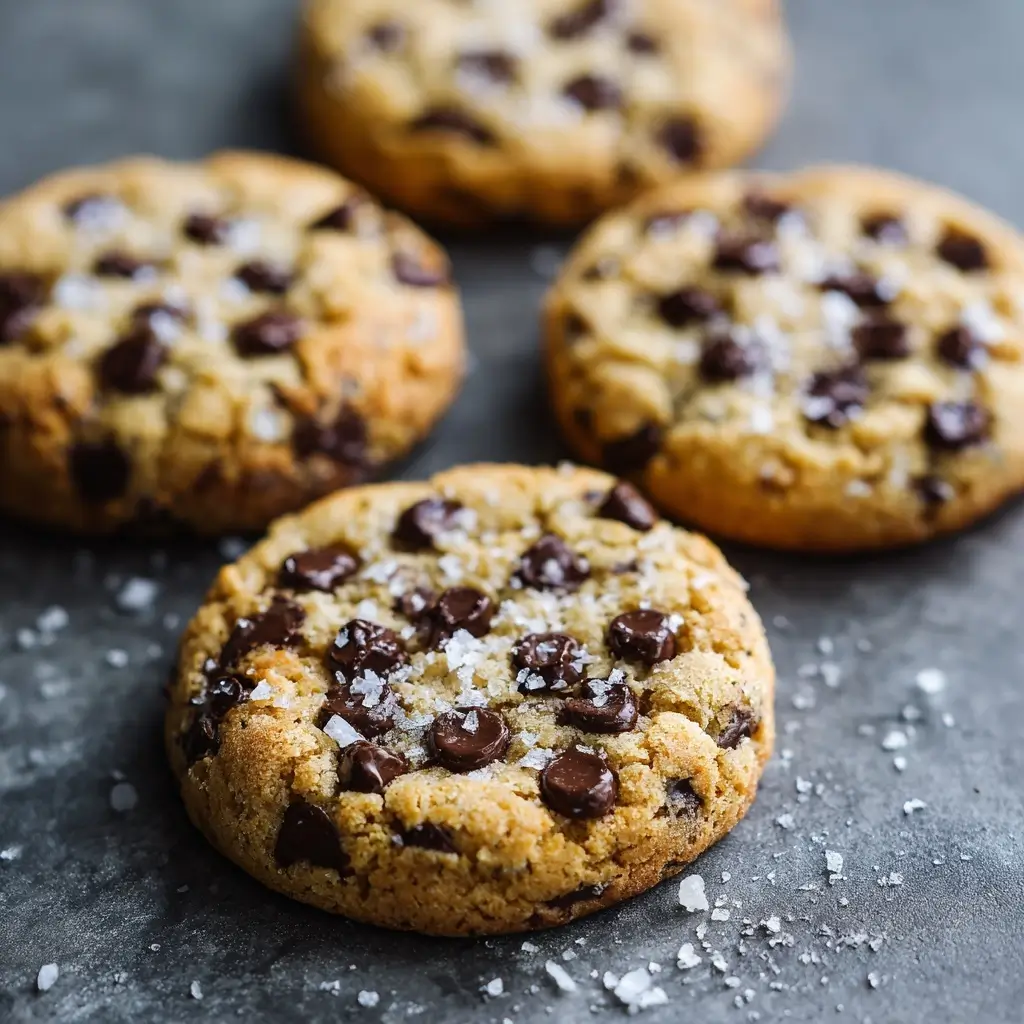
No-Chill Cookie Dough Cookies are the ultimate game-changer for home bakers who crave rich, chewy, deeply flavorful chocolate chip cookies—without the wait, without the fridge time, and without compromising on texture or taste. Unlike traditional cookie dough recipes that demand 30 minutes to overnight chilling to prevent excessive spreading and enhance flavor development, this innovative version delivers bakery-quality results straight from mixing bowl to oven—literally within minutes of combining ingredients. Designed with precision science and real-world baking experience in mind, it eliminates the single most common pain point for novice and time-crunched bakers: the dreaded “I want cookies *now*” dilemma. Whether you’re prepping for a last-minute school bake sale, satisfying a sudden midnight craving, or simply prioritizing simplicity without sacrificing quality, No-Chill Cookie Dough Cookies deliver bold buttery notes, golden-brown edges, tender-chewy centers, and pockets of melty chocolate—all achieved with zero refrigeration required.
The History
The concept of no-chill cookie dough is rooted in decades of iterative baking experimentation—but its modern, reliable, and widely reproducible form emerged only in the late 2010s and early 2020s. Traditional chocolate chip cookie recipes—like the iconic 1938 Toll House version—relied heavily on chilled dough to control spread, especially given the high butter content and standard room-temperature preparation methods. As home bakers increasingly sought faster, more intuitive techniques—and as food scientists began publishing accessible research on fat crystallization, flour hydration kinetics, and sugar’s role in dough stability—the no-chill movement gained traction. Pioneering bloggers, test kitchen editors (notably at King Arthur Baking, Bon Appétit, and Food52), and even commercial brands like Pillsbury began refining formulas that strategically balanced butter temperature, flour type and quantity, leavening ratios, and sugar composition to inherently resist overspreading. The breakthrough wasn’t just convenience—it was understanding that controlled warmth (not cold) could be leveraged *intentionally*: softened (not melted) butter emulsifies better with sugars; higher brown sugar ratios increase moisture retention and viscosity; and precise flour absorption—often aided by slight increases in protein-rich all-purpose or strategic use of bread flour—creates a sturdier gluten network *before* heat activation. Today, the no-chill method stands as a testament to how culinary innovation bridges tradition and modern lifestyle demands—honoring the soul of the classic cookie while redefining what’s possible in under 15 minutes of active prep.
Ingredients Breakdown
Every ingredient in this No-Chill Cookie Dough Cookies recipe serves a distinct functional and sensory purpose—no filler, no redundancy. Below is a deep-dive analysis of why each component is non-negotiable (and how substitutions impact performance):
- Unsalted Butter (1 cup / 2 sticks / 227g), softened to 65–68°F (18–20°C): This is the cornerstone of the no-chill success. Butter at this precise temperature is cool enough to hold air during creaming (creating lift and tenderness) yet warm enough to fully incorporate sugars and form a stable emulsion—critical for structure without chilling. Too cold? Poor creaming = dense cookies. Too warm/melted? Greasy, flat, oily spread. Use an instant-read thermometer for reliability—especially in humid or warm kitchens.
- Granulated Sugar (¾ cup / 150g): Provides sweetness, crispness, and aids in caramelization. Its fine crystals cut into butter efficiently during creaming, contributing to aeration. It also draws moisture *out* of the dough during baking, helping set the outer crust quickly—slowing initial spread.
- Packed Light Brown Sugar (1 cup / 215g): The secret weapon. Molasses adds acidity (which strengthens gluten slightly), moisture (slows starch gelatinization), and hygroscopic properties (retains water longer). This delays structural collapse mid-bake—allowing cookies to rise *before* spreading. The extra moisture also enhances chewiness and deepens flavor complexity.
- Large Eggs (2, room temperature): Act as both binder and leavener (via steam generation). Room-temp eggs emulsify seamlessly into the butter-sugar base, preventing curdling and ensuring uniform batter structure. Cold eggs can re-harden butter globules, creating a broken, greasy dough.
- Pure Vanilla Extract (2 tsp): Not just flavor—it contains alcohol that helps dissolve aromatic compounds and slightly inhibits gluten formation, yielding a more tender crumb. Opt for double-fold or Mexican vanilla for superior depth.
- All-Purpose Flour (2¼ cups / 280g, spooned & leveled): Measured correctly is essential. Spooning prevents compaction; leveling avoids excess flour—a common cause of dry, cakey, or overly thick cookies. This amount provides optimal structure: enough gluten development for cohesion, but not so much that it fights chewiness. For enhanced chew and reduced spread, up to 1 tbsp bread flour (10g) may replace part of the AP flour.
- Baking Soda (1 tsp): A fast-acting alkali that reacts immediately with the molasses’ acid to produce carbon dioxide *before and during* early baking—giving an initial lift that counteracts gravity-induced spread. It also promotes browning (Maillard reaction) for richer color and flavor.
- Fine Sea Salt (1 tsp): Enhances all other flavors, balances sweetness, and subtly tightens gluten strands—contributing to structural integrity. Do not omit or reduce unless medically necessary; flaky salt is *not* a 1:1 substitute due to lower density.
- Semi-Sweet Chocolate Chips or Chunks (2 cups / 340g): High-quality chips with cocoa butter (not vegetable fats) melt evenly and resolidify with a glossy sheen. Chunks yield more dramatic, irregular pools. Mini chips distribute more uniformly—ideal for kids’ batches. Dark chocolate (60–70%) adds bitterness that cuts sweetness; milk chocolate increases richness but may burn more easily.
Note on Add-Ins: Nuts (toasted walnuts, pecans), toasted coconut, pretzel pieces, or dried tart cherries can be folded in—but add no more than 1 cup total to avoid disrupting dough consistency and heat distribution.
Step-by-Step Recipe
- Preheat & Prep: Position oven racks in upper and lower thirds. Preheat oven to 375°F (190°C). Line two large baking sheets with parchment paper or silicone baking mats—do not grease pans, as excess fat encourages spread. Have cooling racks ready.
- Cream Butter & Sugars: In a large stand mixer fitted with the paddle attachment (or using a hand mixer), beat softened butter, granulated sugar, and brown sugar on medium speed for 2–3 minutes, until light, fluffy, and pale in color. Scrape bowl thoroughly with a flexible spatula halfway through. The mixture should hold soft peaks when the beater is lifted—this indicates proper aeration and emulsion.
- Incorporate Wet Ingredients: Add eggs one at a time, beating on medium-low for 30 seconds after each until fully incorporated and smooth. Add vanilla and mix just until combined—about 15 seconds. Overmixing at this stage develops excess gluten and leads to toughness.
- Combine Dry Ingredients: In a separate medium bowl, whisk together flour, baking soda, and salt for 30 seconds to evenly distribute leavener and eliminate lumps. This step ensures consistent rise and prevents salty or bitter pockets.
- Gradually Mix Dry into Wet: With mixer on low speed, add dry ingredients in three equal additions, mixing for 15–20 seconds after each just until no dry streaks remain. Stop mixing the moment the dough comes together—do not overwork. Overmixing = dense, tough cookies.
- Fold in Chocolate: Using a silicone spatula, gently fold in chocolate chips/chunks with 8–10 strokes until evenly distributed. Avoid vigorous stirring to preserve dough tenderness.
- Portion Immediately: Use a 2-tablespoon cookie scoop (or #40 scoop) to portion dough into generous, rounded balls (approx. 1.75 oz / 50g each). Place at least 3 inches apart on prepared sheets—dough spreads significantly. For uniformity and professional appearance, roll each portion between palms once to smooth surface.
- Bake Strategically: Bake one sheet at a time for 10–11.5 minutes, rotating pan front-to-back halfway through. Cookies are done when edges are deeply golden brown and set, centers look soft and slightly puffed (not shiny or wet), and tops have developed delicate cracks. They will continue to set as they cool. Do not overbake—even 30 extra seconds yields dryness.
- Cool Properly: Let cookies cool on baking sheet for 5 minutes—this allows internal structure to firm and prevents breakage. Then carefully transfer to wire racks to cool completely (15–20 min). Resist eating warm—they’re fragile and overly soft; optimal texture emerges at room temp.
Tips
- Butter Temperature Is Non-Negotiable: If your kitchen exceeds 72°F (22°C), chill the measured butter for 5 minutes before creaming—not the whole bowl. Conversely, if butter is too cool, microwave in 3-second bursts, checking frequently. Never melt.
- Measure Flour Like a Pro: Use the “spoon-and-level” method exclusively. Scooping directly from the bag compacts flour—adding up to 25% more per cup, causing dry, crumbly cookies. For absolute precision, weigh flour (280g).
- Chill the Scoop, Not the Dough: If dough feels overly soft while portioning (e.g., in summer), chill the cookie scoop in the freezer for 5 minutes—it prevents sticking and maintains ball shape.
- Rotate Pans Mid-Bake—Always: Ovens have hot spots. Rotating ensures even browning and prevents one side from over-spreading or burning.
- Use Heavy-Duty Baking Sheets: Thin or warped sheets heat unevenly and warp under high heat—causing inconsistent baking and spread. Invest in AirBake or Nordic Ware half-sheet pans.
- Underbake Slightly for Chewiness: Remove cookies when centers still appear soft and pale—they’ll firm beautifully off-pan. Overbaked cookies lose their signature chew and become brittle.
- Cool Completely Before Storing: Trapped steam creates sogginess. Always cool fully before layering in airtight containers with parchment between layers.
- Batch Baking Hack: Portion dough balls onto a parchment-lined tray, freeze solid (1 hr), then transfer to freezer bags. Bake straight from frozen—add 1–2 minutes to bake time. No thawing needed.
- Room-Temp Eggs Are Essential: Submerge cold eggs in warm (not hot) tap water for 5 minutes before using. Cold eggs destabilize the emulsion and cause graininess.
- Scrape the Bowl Religiously: After every mixing step, pause to scrape the paddle, sides, and bottom of the bowl. Unincorporated butter or flour causes uneven texture and unpredictable spread.
Variations and Customizations
This foundational no-chill dough is incredibly versatile—adaptable for dietary needs, seasonal twists, and global flavor profiles—while preserving its signature zero-refrigeration advantage. All variations maintain the same creaming method, flour ratio, and bake time unless otherwise noted.
Dietary Adaptations
- Gluten-Free: Replace all-purpose flour with a 1:1 certified GF blend containing xanthan gum (e.g., King Arthur Measure for Measure or Bob’s Red Mill). Add ½ tsp additional xanthan gum if blend doesn’t include it. Increase bake time by 30–60 seconds—GF dough spreads less initially but sets slower.
- Vegan: Use vegan butter (Miyoko’s or Earth Balance sticks—not tub spreads), flax eggs (2 tbsp ground flax + 5 tbsp water, rested 10 min), and dairy-free chocolate. Increase brown sugar to 1¼ cups for added moisture. Chill dough balls 10 minutes before baking to stabilize.
- Lower-Sugar: Reduce granulated sugar to ½ cup and brown sugar to ¾ cup. Compensate with 2 tbsp unsweetened applesauce and 1 tsp molasses to retain moisture and chew. Expect slightly paler, softer cookies.
Flavor & Texture Twists
- Everything Bagel Cookies: Fold in ¼ cup finely chopped roasted garlic, 2 tbsp poppy seeds, 2 tbsp sesame seeds, 1 tbsp dried onion flakes, and 1 tsp flaky sea salt. Omit chocolate.
- Lemon Blueberry: Replace vanilla with 2 tsp lemon zest + 1 tbsp fresh lemon juice. Fold in 1 cup dried blueberries (tossed in 1 tsp flour) and ½ cup white chocolate chips.
- Spiced Chai: Add 1½ tsp ground ginger, 1 tsp cinnamon, ½ tsp cardamom, ¼ tsp cloves, and ¼ tsp black pepper to dry ingredients. Use dark chocolate and stir in 2 tbsp crushed candied ginger.
- Peanut Butter Swirl: After portioning, press ½ tsp creamy peanut butter into center of each dough ball and swirl gently with a toothpick. Bake as directed.
- Snickerdoodle-Inspired: Omit chocolate. Roll dough balls in cinnamon-sugar (2 tbsp granulated sugar + 1½ tsp cinnamon) before baking. Reduce baking soda to ½ tsp and add ¼ tsp cream of tartar to dry mix.
Global Inspirations
- Miso-Caramel: Whisk 1 tbsp white miso paste into softened butter before adding sugars. Fold in ¾ cup toasted pecans and ½ cup soft caramel bits.
- Yuzu White Chocolate: Add 1 tbsp yuzu zest + 1 tsp yuzu juice with vanilla. Use white chocolate and 2 tbsp yuzu powder (optional, for intensity).
- Black Sesame & Matcha: Replace 3 tbsp flour with black sesame powder; add 1 tsp culinary-grade matcha to dry ingredients. Fold in white chocolate and toasted black sesame seeds.
Pro Tip: When experimenting, document changes meticulously—especially flour adjustments, fat ratios, and liquid additions—as even 5g shifts dramatically affect no-chill performance.
Health Considerations and Nutritional Value
While No-Chill Cookie Dough Cookies are undeniably indulgent, mindful formulation allows for thoughtful nutritional balancing—without sacrificing the joy or texture that defines them. Below is an analysis based on one standard cookie (approx. 50g, from a batch yielding 24 cookies), plus actionable strategies for health-conscious bakers:
Nutrition Snapshot (Per Cookie)
- Calories: ~185 kcal
- Total Fat: 10.5g (6.2g saturated)
- Carbohydrates: 22g (14g sugars, 1g fiber)
- Protein: 2g
- Sodium: 135mg
Source: USDA FoodData Central calculations, adjusted for typical brand variances in chocolate and butter.
Key Health Notes & Mitigation Strategies
- Sugar Content: While 14g per cookie aligns with FDA’s “occasional treat” guidance (<25g added sugar/day), reducing granulated sugar impacts texture more than brown sugar. Prioritize cutting granulated first—and boost flavor with spices, citrus zest, or high-cocoa chocolate (70%+) to offset perceived sweetness loss.
- Saturated Fat: Primarily from butter and chocolate. Substituting half the butter with mashed ripe banana or avocado puree alters texture significantly (more cakey, less chewy); instead, opt for grass-fed butter (higher CLA, vitamin K2) and dark chocolate (antioxidant-rich).
- Fiber & Micronutrients: Standard recipe is low in fiber. Boost with 2 tbsp oat bran or ground flaxseed in dry mix (+2g fiber/cookie). Add 1 tbsp wheat germ for B vitamins and vitamin E.
- Glycemic Impact: Brown sugar’s molasses lowers glycemic index vs. white sugar alone. Adding nuts or seeds slows glucose absorption—consider folding in ½ cup chopped almonds or pumpkin seeds.
- Allergen Awareness: Contains dairy, eggs, wheat, and soy (in most chocolate). For nut-free schools, ensure chocolate is processed in dedicated facilities. Sunflower seed butter can replace part of butter in vegan versions.
- Portion Control Built-In: The 2-tbsp scoop enforces consistent sizing—unlike “heaping tablespoon” methods that inflate calories by 30–40%. Use a scale for accuracy if managing intake.
Important Disclaimer: These cookies are not a health food—but they can be part of a balanced diet when enjoyed intentionally and in appropriate portions. Their lack of refined oils, artificial preservatives, or hydrogenated fats makes them nutritionally superior to many store-bought alternatives. Focus on ingredient quality—not just quantity—for holistic wellness.
Ingredients
- 1 cup (2 sticks / 227g) unsalted butter, softened to 65–68°F (18–20°C)
- ¾ cup (150g) granulated sugar
- 1 cup (215g) packed light brown sugar
- 2 large eggs, room temperature
- 2 teaspoons pure vanilla extract
- 2¼ cups (280g) all-purpose flour, spooned & leveled
- 1 teaspoon baking soda
- 1 teaspoon fine sea salt
- 2 cups (340g) semi-sweet chocolate chips or chunks
Directions
- Preheat oven to 375°F (190°C). Line two large baking sheets with parchment paper or silicone baking mats.
- In a large stand mixer fitted with paddle attachment, beat softened butter, granulated sugar, and brown sugar on medium speed for 2–3 minutes, until light, fluffy, and pale. Scrape bowl thoroughly halfway through.
- Add eggs one at a time, beating on medium-low for 30 seconds after each until fully incorporated. Add vanilla and mix 15 seconds until combined.
- In a separate bowl, whisk together flour, baking soda, and salt for 30 seconds.
- With mixer on low speed, add dry ingredients in three equal parts, mixing 15–20 seconds after each addition until no dry streaks remain. Do not overmix.
- Using a silicone spatula, gently fold in chocolate chips/chunks with 8–10 strokes until evenly distributed.
- Portion dough using a 2-tablespoon cookie scoop into rounded balls (approx. 1.75 oz / 50g each). Place at least 3 inches apart on prepared sheets.
- Bake one sheet at a time for 10–11.5 minutes, rotating pan halfway through, until edges are deeply golden and set, and centers appear soft and slightly puffed.
- Cool cookies on baking sheet for 5 minutes, then transfer to wire racks to cool completely (15–20 minutes).
FAQ
- Can I make these ahead and refrigerate the dough?
- Yes—but it defeats the “no-chill” purpose! Refrigerated dough yields thicker, slightly cakier cookies with less spread and intensified caramel notes. If storing, freeze portioned dough balls (see Tips) for up to 3 months. Baking from frozen requires +1–2 minutes.
- Why did my cookies spread too much—even though I didn’t chill?
- Most likely causes: butter too warm (>72°F), under-measured flour (scooped instead of spooned), or expired baking soda. Also check oven temperature with an oven thermometer—many run hot, accelerating spread before structure sets.
- Can I use melted butter instead of softened?
- No. Melted butter creates a greasy, flat, dense cookie with poor aeration. Softened butter is essential for creaming and emulsion. If short on time, cut cold butter into small cubes and let sit 5–8 minutes at room temp.
- Are these safe to eat as edible cookie dough?
- No—this recipe contains raw eggs and regular flour, both of which carry salmonella and E. coli risks. For safe edible dough, use heat-treated flour (baked at 350°F for 5 min, cooled) and omit eggs or use pasteurized egg product.
- Can I double or triple the batch?
- Absolutely—just ensure your mixer bowl and paddle can handle the volume. Cream butter/sugars in two batches if needed. Keep dough at consistent temperature—avoid letting portions sit out >15 minutes before baking.
- My cookies turned out cakey instead of chewy. What went wrong?
- Overmixing after adding flour develops gluten excessively. Also, too much flour (from scooping), too little brown sugar, or using cake flour instead of all-purpose contributes to cakey texture. Stick strictly to spoon-and-level method.
- Can I use dark brown sugar instead of light?
- Yes—and it’s encouraged! Dark brown sugar contains more molasses, yielding deeper flavor, increased chew, and slightly darker color. Reduce salt to ¾ tsp if using dark brown to balance intensity.
- Do I need a stand mixer, or can I do this by hand?
- A stand or hand mixer is strongly recommended. Creaming butter and sugars by hand for 3 minutes is extremely labor-intensive and rarely achieves the necessary aeration. A sturdy wooden spoon and elbow grease *can* work—but expect denser, less uniform cookies.
- How do I store baked cookies?
- Cool completely, then store in an airtight container at room temperature for up to 5 days. Add a slice of plain white bread to the container—it releases moisture, keeping cookies soft. For longer storage, freeze in single layers, then bag—thaw at room temp.
- Can I use oil instead of butter?
- Not successfully. Oil lacks milk solids and water content critical for browning, structure, and emulsion. Results will be greasy, flat, and flavorless. Vegan butter substitutes are acceptable; neutral oils are not.
Summary
No-Chill Cookie Dough Cookies redefine convenience without compromise—delivering irresistibly chewy, golden-edged, deeply flavorful chocolate chip cookies in under 15 minutes of active prep, zero refrigeration required.
By mastering butter temperature, precise flour measurement, strategic sugar ratios, and mindful mixing, bakers unlock consistent, bakery-quality results every single time—proving that extraordinary cookies don’t demand patience… just precision.