
Introduction
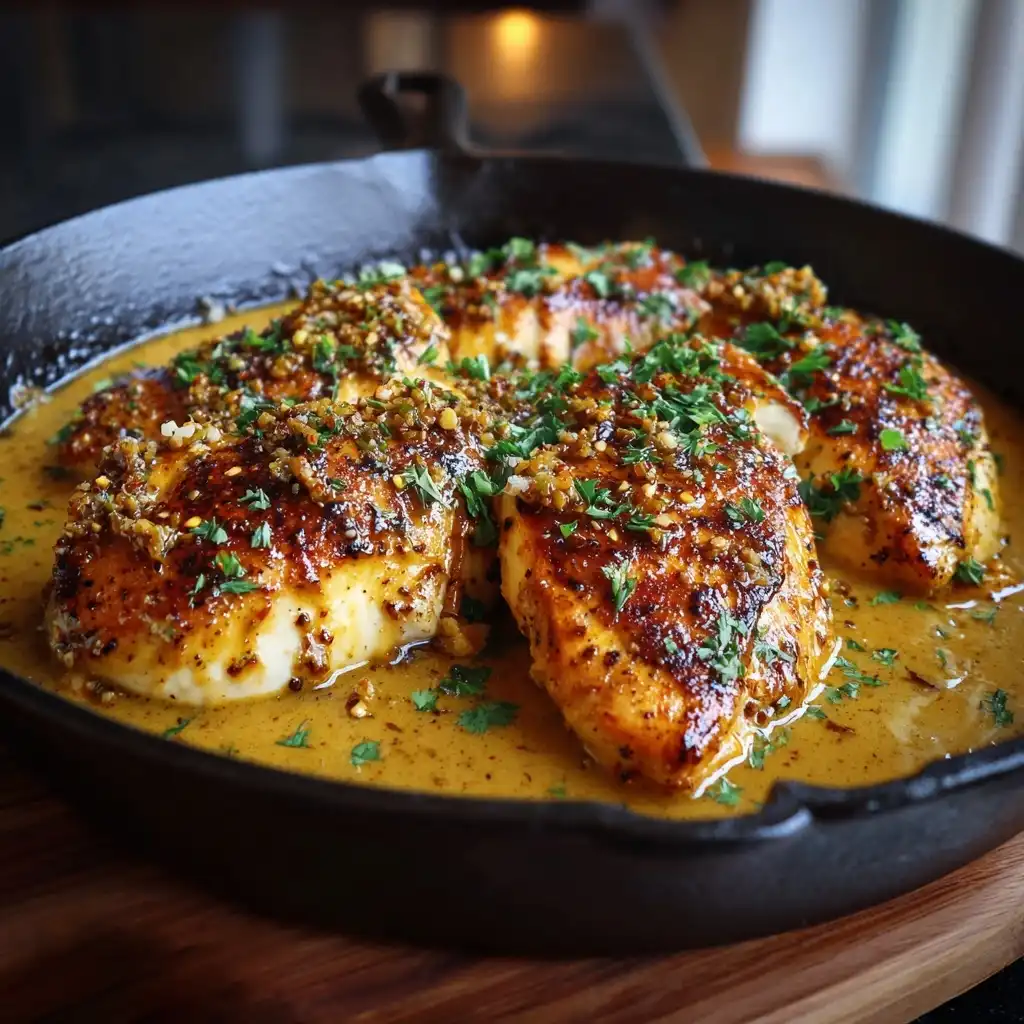
Maple Mustard Chicken is a beloved, restaurant-worthy dish that effortlessly bridges sweet, tangy, savory, and umami flavors into one harmonious, weeknight-friendly meal. With its glossy, amber-hued glaze clinging to tender, juicy chicken breasts or thighs, this dish delivers bold flavor without demanding professional technique—making it equally at home on a cozy family dinner table, a holiday buffet, or a summer backyard grill spread. Its irresistible balance—where the deep caramel notes of pure maple syrup temper the sharp brightness of Dijon mustard, elevated by aromatic garlic, warm spices, and a subtle acidity—creates a sensory experience that lingers long after the last bite. Whether you’re new to cooking or a seasoned home chef, Maple Mustard Chicken offers approachability, adaptability, and consistent crowd-pleasing results.
The History
While no single documented “origin story” pins down the exact birth of Maple Mustard Chicken, its roots are deeply embedded in the culinary traditions of North America—particularly the northeastern United States and eastern Canada—where maple syrup has been harvested from sugar maple trees for over 12,000 years by Indigenous peoples, including the Haudenosaunee, Anishinaabe, and Wabanaki nations. Early European settlers adopted and refined sap-tapping techniques, integrating maple syrup into both preservation and flavoring practices. Mustard, meanwhile, boasts ancient origins dating back to Roman times, but its modern emulsified, vinegary incarnations (especially Dijon-style) gained widespread popularity in North America during the mid-20th century as refrigeration improved and global pantry staples became more accessible. The marriage of these two iconic ingredients likely emerged organically in home kitchens during the 1970s–1980s, fueled by a growing interest in simple, flavorful marinades and glazes for lean proteins like chicken. It rose to prominence through regional cookbooks, food magazines like Bon Appétit and Canadian Living, and later, the early days of food blogs and cable cooking shows—becoming a staple in “quick & elegant” recipe collections. Today, Maple Mustard Chicken stands as a delicious testament to cross-cultural ingredient synergy, honoring Indigenous foodways while celebrating modern, accessible home cooking.
Ingredients Breakdown
Every exceptional Maple Mustard Chicken starts with thoughtfully selected, high-quality components—each playing a distinct and indispensable role in building depth, texture, balance, and aroma:
- Chicken: Boneless, skinless chicken breasts offer lean tenderness and quick cook time; boneless, skinless chicken thighs provide richer flavor, superior moisture retention, and forgiving texture—ideal for longer simmering or grilling. For maximum juiciness, consider brining (30 minutes in 1 quart cold water + ¼ cup kosher salt + 2 tbsp maple syrup) or using air-chilled, antibiotic-free, or pasture-raised poultry.
- Pure Maple Syrup: Non-negotiable. Use Grade A Amber or Dark Robust syrup—not pancake syrup (which is corn syrup–based and artificially flavored). Dark Robust offers deeper molasses-like complexity and caramelized notes; Amber strikes the perfect middle ground of sweetness and maple clarity. Light Golden is delicate but can scorch more easily. Quantity matters: too little yields blandness; too much risks excessive sweetness or burning.
- Mustard: Dijon mustard is the gold standard—its sharp, wine-vinegar tang and creamy emulsion create ideal emulsification with maple syrup and fat. Whole-grain mustard adds rustic texture and bursts of seed crunch; spicy brown mustard introduces heat and earthiness; yellow mustard delivers milder acidity (use sparingly and boost with extra vinegar or lemon juice). Avoid “honey mustard” blends—they contain added sugars and thickeners that destabilize the glaze.
- Aromatics: Freshly minced garlic provides pungent, savory backbone; finely grated fresh ginger (½ tsp) adds bright, citrusy warmth—especially welcome in Asian-inspired variations. Shallots or yellow onions, sautéed until translucent, build foundational sweetness and body in pan sauces.
- Acid: Apple cider vinegar or white wine vinegar balances sweetness and cuts richness. Lemon juice adds floral brightness and enhances herbal notes. Rice vinegar offers mild, clean acidity—ideal for fusion versions.
- Fat: Unsalted butter enriches mouthfeel, adds luxurious sheen, and helps emulsify the glaze. Olive oil (extra virgin for finishing, light for searing) contributes polyphenols and fruitiness. Ghee or avocado oil works well for high-heat applications like grilling or roasting.
- Herbs & Spices: Fresh thyme and rosemary impart woodsy, floral elegance; dried versions work in a pinch but use half the amount. Smoked paprika adds subtle barbecue depth; ground black pepper must be freshly cracked for volatile oils and heat. A pinch of cayenne, red pepper flakes, or chipotle powder introduces controlled heat. Whole mustard seeds (toasted) add textural pop and authentic piquancy.
- Salt: Diamond Crystal kosher salt is preferred for even distribution and clean salinity. Adjust seasoning incrementally—maple syrup contains natural minerals that interact with salt perception.
- Liquid Enhancers (Optional but Recommended): Low-sodium chicken broth or bone broth intensifies savoriness and creates a luscious pan sauce. A splash of dry sherry or vermouth adds nutty complexity. Unsweetened apple juice can replace part of the maple syrup for lighter sweetness and fruity nuance.
Step-by-Step Recipe
- Prep the Chicken: Pat chicken pieces *extremely* dry with paper towels—this ensures optimal sear and prevents steaming. Trim excess fat or connective tissue. If using large breasts, slice horizontally into ½-inch cutlets or pound gently between parchment to ¾-inch even thickness for uniform cooking.
- Season Generously: Lightly coat both sides with ½ tsp kosher salt and ¼ tsp freshly ground black pepper. Let rest at room temperature for 15–20 minutes—this promotes even internal cooking and better browning.
- Prepare the Glaze Base: In a small bowl, whisk together ⅓ cup pure maple syrup, 3 tbsp Dijon mustard, 2 minced garlic cloves, 1 tbsp apple cider vinegar, 1 tsp soy sauce (for umami), and ½ tsp smoked paprika until completely smooth and emulsified. Set aside.
- Sear the Chicken: Heat 1 tbsp neutral oil (avocado or grapeseed) in a heavy-bottomed stainless steel or cast-iron skillet over medium-high heat until shimmering. Place chicken in skillet without crowding—work in batches if needed. Sear undisturbed for 5–6 minutes until deeply golden brown and easily releases from pan. Flip and sear opposite side for 4–5 minutes until golden. Transfer to a clean plate; tent loosely with foil.
- Build the Pan Sauce: Reduce heat to medium-low. Pour off excess fat, leaving ~1 tsp. Add ¼ cup finely diced shallot; sauté 2 minutes until soft and fragrant. Stir in 1 tsp tomato paste; cook 1 minute until brick-red and aromatic. Deglaze with ¼ cup low-sodium chicken broth, scraping up all browned bits (fond) with a wooden spoon—this is flavor gold.
- Simmer & Thicken: Whisk in the prepared maple-mustard mixture. Bring to a gentle simmer. Cook 3–4 minutes, stirring constantly, until sauce reduces slightly, thickens to a light coating consistency (like heavy cream), and bubbles turn slow and syrupy. Watch closely—maple burns easily above 230°F.
- Finish & Glaze: Return chicken and any accumulated juices to skillet. Spoon sauce over pieces. Reduce heat to low. Simmer gently, turning chicken occasionally and basting every 60 seconds, for 3–4 minutes—or until internal temperature reaches 165°F (use an instant-read thermometer inserted into thickest part, avoiding bone). Do not overcook.
- Enrich & Rest: Remove from heat. Stir in 1 tbsp cold unsalted butter, swirling until melted and glossy. Optional: stir in 1 tsp fresh lemon juice and 1 tbsp chopped fresh thyme. Let chicken rest in sauce for 2 minutes—this allows juices to redistribute and glaze to cling luxuriously.
- Serve Immediately: Spoon generous amounts of glaze over each portion. Garnish with flaky sea salt, extra thyme, toasted pecans or walnuts, and a drizzle of extra-virgin olive oil or a few drops of aged balsamic reduction for contrast.
Tips
- Temperature Control is Paramount: Maple syrup begins to caramelize at 215°F and burns rapidly past 230°F. Never let your sauce boil vigorously—maintain a bare simmer. If sauce thickens too fast, whisk in 1 tsp warm broth or water.
- Dry Chicken = Better Sear: Moisture is the enemy of browning. Pat chicken dry *twice*: once before seasoning, again right before hitting the pan.
- Don’t Skip the Fond: Those dark, crusty bits stuck to the pan after searing are packed with Maillard reaction compounds—essential for deep, roasted flavor. Deglazing properly unlocks their full potential.
- Whisk Constantly During Reduction: Prevents separation and scorching. A silicone whisk is ideal for navigating corners of the pan.
- Use a Heavy Pan: Stainless steel or cast iron retains and distributes heat evenly—critical for consistent searing and controlled sauce reduction. Nonstick pans inhibit fond development and react poorly with acidic mustard.
- Taste & Adjust Midway: After deglazing and adding glaze, taste the sauce *before* returning chicken. Adjust salt, acid (more vinegar/lemon), or sweetness (tiny drizzle of syrup) as needed—it’s easier to fix now than later.
- Rest Before Serving: Allowing chicken to rest 2–3 minutes post-cooking ensures maximum juiciness and lets the glaze set beautifully on the surface.
- Double the Glaze for Leftovers: Make extra sauce—it keeps refrigerated for 1 week or frozen for 3 months. Reheat gently and use on roasted vegetables, grain bowls, sandwiches, or salmon.
- Grill Master Tip: For outdoor grilling, sear chicken over direct high heat, then move to indirect zone. Baste only during the last 5 minutes to prevent flare-ups and charring.
- Oven-Roasting Shortcut: Arrange seasoned chicken in a parchment-lined baking dish. Whisk glaze and pour over top. Roast at 400°F for 20–25 minutes (thighs take 5–8 minutes longer), basting halfway. Broil 1–2 minutes at end for shine—if desired.
Variations and Customizations
Maple Mustard Chicken is gloriously adaptable—here’s how to make it uniquely yours:
- Global Fusion Twists: Add 1 tbsp gochujang + 1 tsp rice vinegar for Korean flair; stir in 1 tsp curry powder + ½ cup coconut milk for Thai-inspired richness; swap Dijon for whole-grain mustard + 1 tsp grainy mustard + 1 tbsp chopped cornichons for French bistro style.
- Smoky & Bold: Incorporate ½ tsp chipotle powder + 1 tsp adobo sauce from canned chipotles; finish with crumbled crispy bacon and smoked sea salt.
- Fruit-Forward: Fold in ¼ cup unsweetened apple butter or pear purée; top with caramelized apples or pears and toasted walnuts. Add 1 tsp cinnamon and ¼ tsp allspice for warm spice harmony.
- Herb Garden Fresh: Replace thyme with 1 tbsp chopped tarragon (classic with mustard) or 2 tbsp finely minced fresh dill + lemon zest. Stir in ¼ cup baby spinach at the very end for color and nutrients.
- Low-Carb/Keto Adaptation: Substitute 2 tbsp sugar-free maple-flavored syrup (check labels for maltitol—erythritol-based is preferable) + 1 tsp molasses for depth; increase mustard to ¼ cup; add 1 tsp xanthan gum slurry (¼ tsp xanthan + 1 tbsp cold water) to thicken without carbs.
- Vegan Version: Use extra-firm pressed tofu or seitan cutlets. Marinate in glaze for 1 hour. Pan-sear in avocado oil. Replace butter with vegan butter or cashew cream. Boost umami with 1 tsp white miso paste whisked into glaze.
- Sheet-Pan Simplicity: Toss 1 lb chicken thighs, 1 cup baby potatoes, 2 cups Brussels sprouts (halved), and 1 sliced red onion with 2 tbsp olive oil, salt, and pepper. Roast at 425°F for 25 minutes. Drizzle with warmed maple-mustard glaze and return to oven for 5 more minutes.
- Meal-Prep Friendly: Cook chicken and glaze separately. Store in airtight containers for up to 4 days. Reheat chicken gently in skillet with 1 tbsp broth + glaze; avoid microwaving plain glaze—it can separate.
- Appetizer Style: Cut chicken into 1-inch cubes, skewer with cherry tomatoes and red onion. Grill or broil, basting frequently. Serve with extra glaze for dipping.
- Breakfast Reinvention: Slice leftover chicken and fold into fluffy scrambled eggs with goat cheese and chives. Serve alongside maple-mustard roasted sweet potatoes.
Health Considerations and Nutritional Value
When prepared mindfully, Maple Mustard Chicken offers notable nutritional benefits while remaining satisfying and balanced:
- Protein Powerhouse: A 5-oz serving of skinless chicken breast provides ~35g high-biological-value protein—supporting muscle maintenance, satiety, and metabolic health. Thighs offer additional monounsaturated fats and zinc.
- Maple Syrup Nuances: While still a source of natural sugars (~52g per ¼ cup), pure maple syrup contains 54+ phenolic compounds with antioxidant activity, plus manganese (200% DV per ¼ cup), zinc, calcium, and potassium. Its lower glycemic index (GI ~54) compared to table sugar (GI ~65) supports steadier blood glucose response—especially when paired with protein and fat.
- Mustard’s Functional Benefits: Dijon mustard contains selenium, magnesium, and glucosinolates—compounds studied for anti-inflammatory and detox-supportive properties. Its vinegar base may aid digestion and modestly support post-meal insulin sensitivity.
- Smart Fat Choices: Using heart-healthy fats like olive oil or avocado oil contributes oleic acid and antioxidants. Butter adds butyrate—a short-chain fatty acid linked to gut health—but moderation is key for saturated fat intake.
- Sodium Awareness: This recipe relies on minimal added salt (<1 tsp total for 4 servings), avoiding high-sodium sauces or broths. Opt for low-sodium broth and check mustard labels—some brands exceed 100mg sodium per tbsp.
- Gluten-Free Friendly: Naturally gluten-free when using certified GF mustard and tamari instead of soy sauce. Always verify labels, as cross-contamination occurs in shared facilities.
- Portion & Pairing Guidance: Serve with non-starchy vegetables (roasted broccoli, sautéed kale, zucchini noodles) and moderate complex carbs (½ cup cooked quinoa, farro, or roasted squash) to optimize fiber, micronutrients, and glycemic control. Avoid pairing with refined starches like white rice or dinner rolls unless balanced with extra greens.
- Cautions: Individuals managing diabetes should monitor total carbohydrate load (glaze contributes ~30g net carbs per ¼ cup); those with maple allergies (rare) should avoid entirely. High-heat cooking of maple syrup may generate trace acrylamide—mitigated by gentle simmering rather than boiling or charring.
Nutrition Estimate (per 5-oz chicken breast + 2 tbsp glaze): Calories: 320 | Protein: 35g | Total Fat: 9g (3g saturated) | Carbohydrates: 24g (22g sugars, primarily natural) | Fiber: 0g | Sodium: 380mg | Vitamin B6: 65% DV | Niacin: 70% DV | Selenium: 55% DV
Ingredients
- 1½ lbs boneless, skinless chicken breasts or thighs, trimmed and patted very dry
- ½ tsp Diamond Crystal kosher salt (or ¼ tsp fine sea salt), plus more to taste
- ¼ tsp freshly ground black pepper
- 1 tbsp avocado oil or high-heat neutral oil
- ¼ cup finely diced yellow shallot (about 1 medium)
- 1 tsp tomato paste
- ¼ cup low-sodium chicken broth (or vegetable broth for vegetarian version)
- ⅓ cup pure Grade A Amber or Dark Robust maple syrup
- 3 tbsp Dijon mustard (stone-ground or whole-grain for texture)
- 2 garlic cloves, finely minced (about 1 tsp)
- 1 tbsp apple cider vinegar (or white wine vinegar)
- 1 tsp low-sodium soy sauce or tamari (for umami depth)
- ½ tsp smoked paprika
- 1 tbsp unsalted butter, cold and cubed
- 1 tsp fresh lemon juice (optional, for brightness)
- 1 tbsp fresh thyme leaves (or 1 tsp dried)
- Flaky sea salt and extra-virgin olive oil for finishing (optional)
- Toasted pecans or walnuts for garnish (optional)
Directions
- Season chicken generously with kosher salt and black pepper. Let sit at room temperature 15–20 minutes.
- Heat oil in a large heavy-bottomed skillet (stainless or cast iron) over medium-high heat until shimmering. Add chicken without crowding; sear 5–6 minutes per side until deeply golden and cooked through (165°F internal temp). Transfer to a plate; tent with foil.
- Reduce heat to medium-low. Pour off all but 1 tsp fat. Add shallots; sauté 2 minutes until soft. Stir in tomato paste; cook 1 minute until fragrant and darkened.
- Slowly pour in broth, scraping up all browned bits with a wooden spoon. Simmer 1 minute to reduce slightly.
- In a small bowl, whisk together maple syrup, mustard, garlic, vinegar, soy sauce, and smoked paprika until smooth. Whisk into pan. Simmer gently 3–4 minutes, stirring often, until thickened to a light coating consistency.
- Return chicken and any juices to pan. Spoon sauce over pieces. Reduce heat to low. Simmer gently 3–4 minutes, turning and basting every minute, until chicken is heated through and glazed.
- Remove from heat. Stir in cold butter until melted and glossy. Stir in lemon juice and thyme.
- Let rest 2 minutes. Serve immediately, spooning extra glaze over top. Garnish with flaky salt, herbs, nuts, and a drizzle of olive oil if desired.
FAQ
- Can I use maple syrup substitutes?
- No—imitation syrups lack genuine maple flavor compounds and contain high-fructose corn syrup, which burns easily and tastes cloying. Agave nectar or honey will change flavor profile drastically and lack maple’s mineral complexity. If unavailable, skip the maple and use a reduced balsamic-ginger-mustard glaze instead.
- Why did my sauce separate or become grainy?
- Overheating (boiling instead of simmering), adding cold butter too quickly, or using old/dried-out mustard can cause emulsion breakdown. Fix it by removing from heat, whisking in 1 tsp warm broth, then slowly reintroducing ½ tbsp cold butter while whisking vigorously. Next time, ensure all ingredients are at room temperature before combining.
- Can I make this ahead of time?
- Absolutely. Cook chicken and prepare glaze separately. Refrigerate up to 4 days. To reheat: Warm glaze gently in a saucepan. Add chicken and 1 tbsp broth; simmer 3–4 minutes until hot and coated. Avoid reheating multiple times.
- Is this dish freezer-friendly?
- Yes—freeze cooked, cooled chicken portions in individual airtight bags with 2 tbsp glaze per serving. Freeze up to 3 months. Thaw overnight in fridge. Reheat gently in skillet with splash of broth to refresh moisture and gloss.
- What sides pair best with Maple Mustard Chicken?
- Opt for textures and flavors that complement—not compete—with the glaze: creamy mashed cauliflower or parsnips, buttery egg noodles, farro salad with dried cherries and arugula, roasted root vegetables (carrots, beets, sweet potatoes), or a crisp apple-walnut-spinach salad with cider vinaigrette.
- My chicken turned out dry—what went wrong?
- Most common causes: overcooking (always use a thermometer), skipping the rest period, using overly lean or previously frozen-thawed chicken without brining or marinating, or searing in a cold or overcrowded pan. Try pounding breasts thinner or switching to thighs—they’re far more forgiving.
- Can I cook this in a slow cooker?
- Yes—with caveats. Sear chicken first for flavor and texture. Place in slow cooker with glaze (reduce maple by 1 tbsp to prevent over-sweetening). Cook on LOW 3–4 hours. Remove chicken; reduce sauce on stove for 5–7 minutes to thicken and concentrate. Pour over chicken before serving.
- How do I prevent the glaze from burning?
- Never walk away during reduction. Use medium-low heat, stir constantly, and keep a small bowl of warm broth nearby to loosen if it thickens too fast. A heavy pan and thermometer (aim for 210–225°F) are your best allies.
- Can I use dried herbs instead of fresh?
- Yes—use 1 tsp dried thyme or rosemary in place of 1 tbsp fresh. Add dried herbs with the tomato paste to bloom their oils. Fresh herbs are best added at the end for vibrancy.
- Is this suitable for kids?
- Generally yes—the sweetness appeals to young palates, and mustard flavor is mild when balanced. For sensitive eaters, reduce mustard to 2 tbsp and add 1 tsp apple butter for extra sweetness and smoothness.
Summary
Maple Mustard Chicken is a masterclass in balanced, accessible gourmet cooking—where the rich, woody sweetness of pure maple syrup meets the bright, complex tang of Dijon mustard, all wrapped around tender, perfectly seared chicken and finished with an elegant, glossy pan sauce.
Rooted in North American tradition yet endlessly customizable across global cuisines, it delivers exceptional flavor, impressive presentation, and meaningful nutrition—proving that extraordinary meals begin with thoughtful ingredients, mindful technique, and the joy of sharing something truly delicious.