
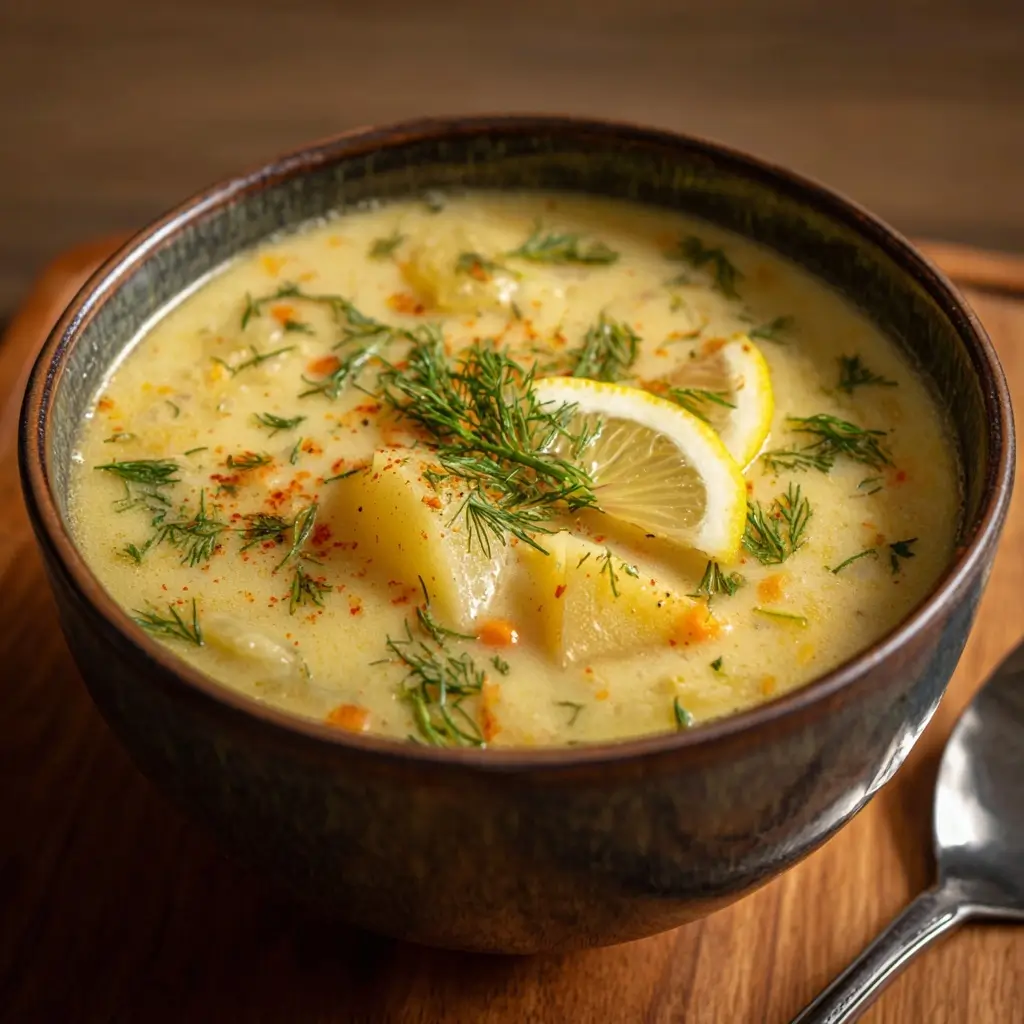
Lemon Dill Potato Soup: A Creamy, Zesty Comfort Classic
There’s something inherently comforting about a warm bowl of soup, especially when it combines the rich creaminess of potatoes with the bright, zesty tang of lemon and the delicate herbal notes of fresh dill. Lemon Dill Potato Soup is more than just a dish—it’s an experience. Whether served on a chilly winter evening or as a light yet satisfying lunch in spring, this soup bridges the gap between hearty comfort food and refreshing elegance. With its velvety texture, vibrant color, and aromatic flavor profile, it has become a favorite among home cooks and professional chefs alike. In this comprehensive guide, we’ll dive deep into everything you need to know about this beloved recipe—from its historical roots to detailed preparation techniques, nutritional insights, variations, and expert tips for perfecting your pot every time.
The History of Lemon Dill Potato Soup
While potato soups have been staples in European cuisine for centuries—particularly in countries like Ireland, Germany, and Russia—the specific combination of lemon and dill is a more modern culinary innovation. The use of potatoes in soups gained popularity after their introduction from the Americas in the 16th century. Over time, they became central to peasant diets across Europe due to their affordability, versatility, and ability to grow in varied climates.
Dill, on the other hand, has ancient roots in Eastern Europe and the Mediterranean. It was used not only as a seasoning but also for its medicinal properties, believed to aid digestion and relieve colic. Its feathery green fronds and distinctive aroma made it a natural pairing with fish, vegetables, and creamy dishes.
The fusion of lemon and dill likely emerged through cross-cultural exchange, particularly influenced by Scandinavian, Greek, and Middle Eastern cuisines where citrus and herbs are commonly paired. In Greece, avgolemono (a lemon-egg soup often made with rice or chicken) shares DNA with our Lemon Dill Potato Soup—especially in its use of lemon for acidity and richness without dairy. Modern adaptations began appearing in American kitchens during the late 20th century, as home cooks experimented with lighter, brighter alternatives to traditional heavy cream-based potato soups.
Today’s Lemon Dill Potato Soup reflects a global palate—balancing earthy potatoes with sharp citrus and fragrant herbs. It represents a shift toward cleaner, more vibrant flavors while still delivering the warmth and satisfaction we crave from comfort food.
Ingredients Breakdown: What Makes This Soup Shine
The magic of Lemon Dill Potato Soup lies in the harmony of its ingredients. Each component plays a crucial role in building layers of flavor, texture, and aroma. Let’s explore them one by one:
- Potatoes: The foundation of the soup. Yukon Golds are ideal because of their naturally buttery texture and thin skin, which doesn’t need peeling. They break down slightly when cooked, helping to thicken the soup naturally.
- Onion and Garlic: These aromatics form the flavor base. Yellow onion adds sweetness when sautéed, while garlic brings depth and complexity.
- Vegetable or Chicken Broth: Provides a savory backbone. Using homemade broth enhances flavor significantly, but high-quality store-bought works well too.
- Fresh Dill: Essential for that signature herbal freshness. Dried dill can be used in a pinch, but fresh dill offers a brighter, grassier note that elevates the entire dish.
- Lemon Juice and Zest: The stars of the show. Lemon juice adds acidity that cuts through the creaminess, balancing the richness. Lemon zest intensifies the citrus aroma without adding extra liquid.
- Heavy Cream or Half-and-Half: Adds luxurious silkiness. For a lighter version, substitute with whole milk, coconut milk, or cashew cream.
- Olive Oil or Butter: Used to sauté the onions. Olive oil gives a clean, fruity taste; butter adds a richer, nutty depth.
- Carrots and Celery (optional): Part of a mirepoix, these vegetables enhance the soup’s body and add subtle sweetness and earthiness.
- Salt and Black Pepper: Critical for seasoning. Always season in layers—during cooking and again at the end—to build balanced flavor.
- Optional Add-ins: Leeks, cauliflower, or even a splash of white wine can deepen the complexity.
Step-by-Step Recipe: How to Make Perfect Lemon Dill Potato Soup
Follow this detailed method to create a restaurant-quality Lemon Dill Potato Soup in your own kitchen. Take your time with each step to ensure maximum flavor development.
- Prepare Your Ingredients: Wash and dice 2 pounds (about 4 medium) Yukon Gold potatoes into ½-inch cubes. Peel and finely chop 1 medium yellow onion. Mince 2 cloves of garlic. Measure out ¼ cup chopped fresh dill (plus extra for garnish), zest and juice one large lemon (you’ll need about 3 tablespoons juice), and have 4 cups of broth ready.
- Sauté the Aromatics: In a large heavy-bottomed pot or Dutch oven, heat 2 tablespoons of olive oil or unsalted butter over medium heat. Add the chopped onion and a pinch of salt. Cook slowly for 5–7 minutes, stirring occasionally, until translucent and sweet. Do not brown.
- Add Garlic and Optional Vegetables: Stir in the minced garlic and cook for 30 seconds until fragrant. If using carrots or celery, add them now and sauté for another 3–4 minutes.
- Add Potatoes and Broth: Add the diced potatoes to the pot along with 4 cups of vegetable or chicken broth. Bring the mixture to a boil, then reduce to a simmer. Cover and cook for 15–20 minutes, or until the potatoes are fork-tender.
- Puree the Soup (Partially or Fully): Once the potatoes are soft, remove the pot from heat. Use an immersion blender to blend the soup directly in the pot. For a creamy yet textured result, blend only half to three-quarters of the soup. For a silky-smooth consistency, blend completely. Alternatively, transfer portions to a countertop blender in batches, being careful with hot liquids.
- Stir in Cream and Lemon: Return the pot to low heat. Stir in ½ cup of heavy cream or half-and-half. Add the freshly squeezed lemon juice and lemon zest. Taste and adjust seasoning—add salt and freshly ground black pepper as needed.
- Add Fresh Dill: Stir in the chopped fresh dill. Let the soup warm gently for 2–3 minutes to infuse the herb flavor. Avoid boiling after adding cream and lemon to prevent curdling.
- Serve Warm: Ladle into bowls. Garnish with a dollop of Greek yogurt or sour cream, a sprinkle of fresh dill, cracked black pepper, and a thin lemon slice if desired.
Tips for Success: Mastering Your Soup Game
To elevate your Lemon Dill Potato Soup from good to unforgettable, keep these professional tips in mind:
- Don’t Rush the Sauté: Cooking onions slowly builds a deeper flavor base. Patience here pays off in the final taste.
- Use Fresh Lemon Juice: Bottled lemon juice lacks brightness and can have off-flavors. Always juice fresh lemons right before adding.
- Balance Acidity: Start with 2 tablespoons of lemon juice, then taste and add more gradually. Too much lemon too soon can overpower the soup.
- Prevent Curdling: When adding acidic lemon juice to a creamy soup, temper the mixture. You can either add the lemon juice before the cream or warm the cream gently without boiling after adding acid.
- Season in Layers: Salt at the beginning helps draw out moisture and develop flavor; finishing with a pinch of sea salt enhances the top notes.
- Thicken Naturally: If your soup is too thin, let it simmer uncovered for 5–10 minutes to reduce. If too thick, thin with additional broth or milk.
- Infuse More Flavor: Add a bay leaf or sprig of fresh thyme during simmering. Remove before blending.
- Chill for Better Flavor: Like many soups, this one tastes even better the next day as flavors meld. Reheat gently on the stove.
Variations and Customizations: Make It Your Own
One of the joys of Lemon Dill Potato Soup is its adaptability. Here are several creative ways to customize it based on dietary needs, preferences, or seasonal ingredients:
- Vegan Version: Replace heavy cream with full-fat coconut milk or blended silken tofu. Use vegetable broth and omit any dairy garnishes.
- Dairy-Free Option: Cashew cream (soaked raw cashews blended with water) creates a rich, neutral base that pairs beautifully with lemon and dill.
- Gluten-Free Friendly: This soup is naturally gluten-free, making it ideal for those with sensitivities. Just ensure your broth is certified GF.
- Add Protein: Stir in shredded rotisserie chicken, cooked lentils, or white beans for a heartier meal.
- Seafood Twist: Fold in flaked salmon or poach shrimp directly in the soup for a Nordic-inspired variation.
- Spice It Up: Add a pinch of red pepper flakes or a dash of cayenne for gentle heat.
- Roasted Garlic Variation: Roast a head of garlic and blend it into the soup for a sweeter, mellower garlic flavor.
- Cauliflower-Potato Blend: Replace half the potatoes with cauliflower to lighten the calorie count while maintaining creaminess.
- Herb Swaps: Try tarragon or parsley instead of dill for a different herbal character. Chives make a great garnish.
- Cold Serving Option: Chill the soup and serve as a refreshing summer vichyssoise-style soup—perfect with a cucumber garnish.
Health Considerations and Nutritional Value
Lemon Dill Potato Soup can be both nutritious and satisfying when prepared thoughtfully. Here’s a breakdown of its health benefits and considerations:
- Potatoes: Often misunderstood, potatoes are rich in vitamin C, potassium, vitamin B6, and fiber (especially with skin on). They provide complex carbohydrates for sustained energy.
- Lemon: High in vitamin C, antioxidants, and citric acid, which supports immune function and aids iron absorption.
- Dill: Contains flavonoids, monoterpenes, and anti-inflammatory compounds. Traditionally used to support digestive health.
- Healthy Fats: Olive oil provides heart-healthy monounsaturated fats and polyphenols.
- Dairy: Cream adds saturated fat and calories. For lower-fat versions, use milk, evaporated milk, or plant-based creams.
A typical serving (1 cup) of standard Lemon Dill Potato Soup contains approximately:
- Calories: 220–280
- Fat: 12–16g (varies with cream amount)
- Carbohydrates: 25–30g
- Protein: 4–6g
- Fiber: 3–4g
- Sodium: 600–800mg (can be reduced by using low-sodium broth)
To make a healthier version:
- Use low-fat milk or unsweetened almond milk instead of cream.
- Skip added butter or reduce oil to 1 tablespoon.
- Increase vegetables—add spinach, kale, or zucchini for more fiber and nutrients.
- Limit salt and rely on herbs, lemon, and garlic for flavor.
Ingredients
- 2 tablespoons olive oil or unsalted butter
- 1 medium yellow onion, finely chopped
- 2 cloves garlic, minced
- 2 pounds Yukon Gold potatoes, peeled (optional) and diced into ½-inch cubes
- 4 cups low-sodium vegetable or chicken broth
- ½ cup heavy cream, half-and-half, or dairy-free alternative
- 3 tablespoons fresh lemon juice (from 1 large lemon)
- 1 teaspoon lemon zest
- ¼ cup fresh dill, finely chopped (plus extra for garnish)
- Salt and freshly ground black pepper, to taste
- Optional: 1 carrot, 1 stalk celery, bay leaf, pinch of nutmeg
Directions
- In a large pot, heat olive oil or butter over medium heat. Add chopped onion and a pinch of salt. Sauté for 5–7 minutes until soft and translucent.
- Stir in minced garlic and cook for 30 seconds until fragrant. If using carrots and celery, add them now and cook for 3–4 minutes.
- Add diced potatoes and broth. Bring to a boil, then reduce to a simmer. Cover and cook for 15–20 minutes, or until potatoes are tender.
- Remove from heat. Use an immersion blender to puree the soup to desired consistency—smooth, semi-chunky, or fully blended.
- Return to low heat. Stir in cream, lemon juice, and lemon zest. Warm gently for 3–5 minutes—do not boil.
- Stir in fresh dill. Season with salt and pepper to taste. Adjust lemon if needed.
- Serve immediately in warmed bowls. Garnish with extra dill, a swirl of cream, cracked pepper, or lemon slices.
FAQ: Frequently Asked Questions
Can I make this soup ahead of time?
Yes! This soup reheats beautifully. Store in an airtight container in the refrigerator for up to 4 days. Reheat gently on the stove over low heat to avoid curdling.
Can I freeze Lemon Dill Potato Soup?
Freezing is possible, but dairy-based soups may separate upon thawing. For best results, omit the cream before freezing and stir it in when reheating. Thaw overnight in the fridge and reheat slowly.
Why did my soup curdle?
Curdling usually happens when acidic lemon juice meets hot cream. To prevent this, either add lemon juice before the cream or temper the cream by warming it gradually without boiling after adding acid.
What can I serve with this soup?
It pairs wonderfully with crusty bread, a crisp green salad, grilled cheese sandwiches, or roasted chicken. For a complete meal, add protein like grilled shrimp or chickpeas.
Can I use dried dill instead of fresh?
Yes, but use half the amount (about 1–1.5 teaspoons). Fresh dill has a superior flavor and aroma, so try to use it when possible.
Is this soup gluten-free?
Yes, as long as you use a certified gluten-free broth and ensure all other ingredients are GF-safe.
How do I make it thicker or thinner?
For a thicker soup, simmer uncovered to reduce or add mashed potato. For thinner, stir in more broth or milk until desired consistency is reached.
Summary
Lemon Dill Potato Soup is a harmonious blend of creamy comfort and zesty brightness, offering a nourishing and flavorful experience in every spoonful. Easy to customize and rich in both taste and nutrition, it’s a timeless recipe that belongs in every home cook’s repertoire.