
Introduction
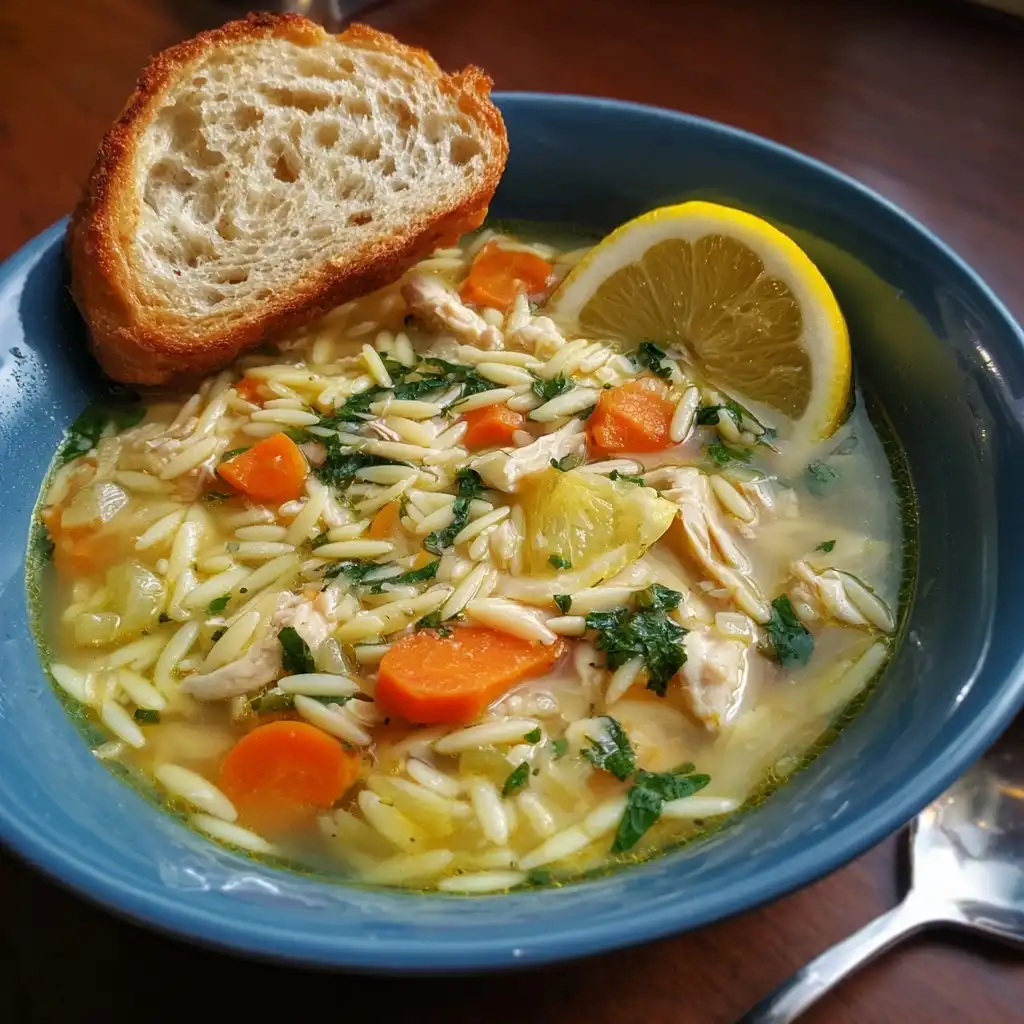
Lemon Chicken Orzo Soup is a luminous, soul-warming Mediterranean-inspired dish that strikes the perfect balance between bright acidity, savory depth, and comforting texture. With its silky broth infused with fresh lemon zest and juice, tender shreds of herb-seasoned chicken, and delicate orzo pasta that swells into pillowy pearls, this soup feels both elegant and effortlessly homey. It’s the kind of meal that bridges seasons—revitalizing in spring, soothing during winter chills, and light enough for summer evenings. Whether served as a restorative weeknight dinner, a nourishing lunch after a long day, or a gentle remedy during recovery from colds or fatigue, Lemon Chicken Orzo Soup delivers profound flavor without heaviness, making it a beloved staple across generations and kitchens.
The History
While no single documented origin story claims exclusive authorship of Lemon Chicken Orzo Soup, its roots run deep through the culinary traditions of Greece, Turkey, Lebanon, and the broader Eastern Mediterranean and Middle Eastern regions—where lemon, chicken, rice or grain-based soups, and aromatic herbs have been harmonized for centuries. In Greek cuisine, avgolemono (egg-lemon sauce) is foundational—traditionally used to enrich and thicken soups like kokkinisto or chicken-rice broths, lending its signature velvety tang. The evolution toward orzo—a small, rice-shaped pasta known as kritharaki in Greek—reflects both regional adaptation and pantry practicality: orzo cooks quickly, absorbs broth beautifully, and offers a satisfying, chewy contrast to silky broth and tender chicken. As Greek immigrants brought avgolemono techniques to North America in the early-to-mid 20th century, home cooks began substituting orzo for rice to suit local tastes and availability—giving rise to the modern American iteration of Lemon Chicken Orzo Soup. Its popularity surged further in the 1980s–90s with the rise of “light yet satisfying” home cooking trends, health-conscious cookbooks, and the growing appreciation for citrus-forward, herb-infused broths. Today, it appears on café menus, hospital meal trays, meal-prep blogs, and holiday tables alike—not as a novelty, but as a timeless expression of comfort rooted in tradition, technique, and thoughtful simplicity.
Ingredients Breakdown
Every exceptional bowl of Lemon Chicken Orzo Soup begins with intentionality in ingredient selection. Below is a detailed breakdown—not just of *what* goes in, but *why*, *how* it functions, and *what to look for*:
- Chicken Breast or Thighs (Boneless, Skinless): Provides lean, tender protein. Breasts yield a milder flavor and firmer texture; thighs offer richer umami and superior moisture retention—especially important when simmering in broth. For maximum flavor and tenderness, many chefs recommend poaching the chicken directly in the broth rather than pre-cooking separately.
- Low-Sodium Chicken Broth (Homemade Preferred): The foundation of the soup’s depth and clarity. Homemade broth—simmered with onion scraps, carrot ends, celery leaves, garlic peels, parsley stems, and a bay leaf—adds nuanced gelatin, body, and mineral complexity. Store-bought low-sodium versions allow control over salt levels and avoid overpowering preservatives or MSG. Never use high-sodium broth unless you’re meticulously adjusting other seasonings.
- Orzo Pasta: A tiny, toasted semolina pasta shaped like grains of barley or rice. Its surface starch contributes subtle silkiness to the broth when cooked properly. Choose bronze-die extruded or Italian-imported orzo for superior texture and broth absorption. Note: Orzo expands roughly 2–2.5× its dry volume—overcooking leads to mushiness, so timing is critical.
- Fresh Lemons (Zest & Juice): The soul of the soup. Lemon zest contains volatile citrus oils that perfume the entire dish, while freshly squeezed juice adds vibrant acidity and brightness. Bottled lemon juice lacks aromatic complexity and often carries off-notes; always use fresh. Reserve zest before juicing—it’s easier and yields more.
- Aromatics (Onion, Garlic, Carrot, Celery): The classic mirepoix base. Yellow onions provide sweetness and depth; minced garlic adds pungent warmth (add late to avoid bitterness); grated carrots contribute subtle earthiness and natural sweetness; finely diced celery lends herbal freshness and structural backbone. Sautéing them gently in olive oil unlocks their sugars and builds foundational flavor.
- Olive Oil (Extra Virgin): Used for sautéing aromatics and finishing. High-quality EVOO adds grassy, peppery notes and enhances mouthfeel. Avoid refined or light olive oils—they lack character and can taste waxy when heated.
- Fresh Herbs (Dill, Parsley, Optional Mint): Dill is traditional—its feathery anise-tinged aroma complements lemon and chicken exquisitely. Flat-leaf parsley adds clean, green freshness and visual appeal. Fresh mint (used sparingly) introduces a cool, aromatic lift—ideal for warmer-weather variations.
- Egg Yolks (for Avgolemono Emulsion – Optional but Traditional): When whisked with hot broth and lemon juice, egg yolks create a luxurious, velvety emulsion that thickens and enriches without heaviness. This technique requires careful tempering to prevent curdling—adding hot liquid gradually while whisking constantly is essential. Pasteurized eggs are recommended for safety if serving to immunocompromised individuals, children, or elders.
- Seasonings (Bay Leaf, Black Pepper, Sea Salt, Optional Pinch of Nutmeg or Turmeric): Bay leaf imparts subtle woodsy depth (remove before serving). Freshly cracked black pepper adds warmth and pungency. Sea salt enhances all flavors—add incrementally and taste throughout. A whisper of nutmeg (¼ tsp) can round out the lemon’s sharpness; turmeric (⅛ tsp) adds golden hue and anti-inflammatory benefits without altering taste.
Step-by-Step Recipe
- Prepare the Aromatics: Finely dice 1 medium yellow onion, 2 medium carrots, and 2 stalks of celery. Mince 4 garlic cloves. Grate zest from 2 lemons (about 1 tbsp), then juice them to yield ~⅓ cup fresh juice. Set aside zest and juice separately.
- Sauté the Base: Heat 2 tbsp extra virgin olive oil in a large, heavy-bottomed Dutch oven or soup pot over medium heat. Add onion, carrots, and celery. Cook, stirring occasionally, for 6–8 minutes until softened and translucent—but not browned. Stir in garlic and cook 1 minute more until fragrant.
- Simmer the Broth: Pour in 6 cups low-sodium chicken broth and add 1 dried bay leaf. Bring to a gentle simmer. Reduce heat to low, cover partially, and simmer for 15 minutes to meld flavors.
- Cook the Chicken: Add 1 lb boneless, skinless chicken breasts or thighs (cut into 1-inch pieces for faster cooking, or leave whole for shredding later). Simmer gently, uncovered, for 12–15 minutes (if cut) or 18–22 minutes (if whole), until chicken reaches 165°F internally. Remove chicken, let rest 5 minutes, then shred with two forks or chop into bite-sized pieces.
- Toast & Cook the Orzo: Return shredded chicken to the pot. Stir in ¾ cup dry orzo. Simmer uncovered for 8–10 minutes, stirring occasionally, until orzo is al dente (tender but with slight bite). Do not overcook—remember it will continue softening off-heat.
- Temper the Avgolemono (Optional but Recommended): In a medium bowl, whisk together 3 large egg yolks, the reserved lemon zest, and ¼ cup of the hot broth from the pot until smooth. Slowly drizzle in another ½ cup hot broth while whisking vigorously. Gradually pour this tempered mixture back into the pot, stirring constantly over low heat for 2–3 minutes until slightly thickened and glossy—but do not boil, or eggs will curdle.
- Finish with Brightness & Freshness: Remove bay leaf. Stir in the remaining lemon juice (start with ⅓ cup; adjust to taste), ¼ cup chopped fresh dill, ¼ cup chopped flat-leaf parsley, and freshly cracked black pepper. Taste and adjust salt carefully—remember broth was low-sodium, but lemon and herbs may call for subtle enhancement.
- Rest & Serve: Let soup sit off-heat for 5 minutes to allow flavors to harmonize and orzo to plump fully. Ladle into warmed bowls. Garnish with extra dill, lemon wedges, a swirl of olive oil, and optional crumbled feta or toasted pine nuts.
Tips
- Prevent Orzo Mushiness: Undercook orzo by 1–2 minutes in the soup—it continues absorbing liquid as it rests. Alternatively, cook orzo separately in salted water, drain well, and stir in at the very end. This guarantees perfect texture, especially for leftovers.
- Boost Umami Depth: Add a 4-inch piece of kombu to the broth while simmering (remove before adding chicken), or stir in 1 tsp white miso paste at the end (off-heat) for rich, savory complexity without overpowering.
- Acid Balance is Everything: Lemon juice should enhance—not dominate. Always add half the juice initially, taste, then add more in 1-tsp increments. If soup tastes flat, it likely needs more acid—not more salt.
- Make Ahead Smartly: Prepare broth, aromatics, and shredded chicken up to 3 days ahead. Store separately. Cook orzo fresh each time—or undercook it significantly and finish in hot broth just before serving.
- Freezing Friendly? Mostly—But With Caveats: Freeze broth + chicken base (without orzo, lemon, or eggs) for up to 3 months. Thaw overnight, reheat, then add freshly cooked orzo, lemon, and herbs. Freezing avgolemono or cooked orzo results in grainy texture and separation.
- Skim for Clarity: For restaurant-quality clarity, skim foam and fat from the surface during initial simmering with aromatics and broth using a fine-mesh skimmer.
- Use the Whole Lemon: Save leftover lemon halves to infuse olive oil, make lemon ice cubes for drinks, or scrub cutting boards. Even the pith can be finely minced and added for extra fiber and bitterness (in moderation).
- Consistency Control: Too thin? Simmer uncovered 5–10 minutes longer. Too thick? Stir in warm broth or water, ¼ cup at a time, until desired consistency is reached.
Variations and Customizations
This recipe is gloriously adaptable—here are inspired, tested variations to suit dietary needs, seasonal produce, global palates, and creative whims:
- Greek-Inspired (Avgolemono Classic): Double the egg yolks (to 6), omit herbs except dill, add 2 tbsp grated kefalotyri or graviera cheese to garnish, and serve with warm pita triangles.
- Spring Vegetable Edition: Stir in 1 cup blanched asparagus tips, ½ cup fresh peas, and 2 thinly sliced scallions during the last 3 minutes of cooking. Top with edible flowers like nasturtiums or chive blossoms.
- Spiced Moroccan Twist: Toast 1 tsp cumin seeds and ½ tsp ground coriander with aromatics. Add ¼ tsp ground ginger and a pinch of saffron threads (steeped in 1 tbsp warm broth) with the lemon juice. Garnish with preserved lemon strips and cilantro.
- Creamy Dairy-Free Version: Replace avgolemono with ¼ cup raw cashew cream (soaked cashews + water, blended ultra-smooth) stirred in at the end. Adds richness and body without eggs or dairy.
- Low-Carb/Keto Adaptation: Substitute orzo with cauliflower rice (pulse florets finely, sauté 5 mins before adding broth) or shirataki rice. Increase healthy fats with avocado slices and extra olive oil finish.
- One-Pot Sheet Pan Roast: Toss chicken thighs, lemon wedges, red onion wedges, and cherry tomatoes with olive oil, oregano, and garlic. Roast at 425°F for 25 mins. Deglaze pan with broth, add orzo, and simmer stovetop until done—intense caramelized flavor!
- Vegan “Lemon Chickpea Orzo”: Swap chicken for 1½ cups cooked chickpeas (or white beans), use vegetable broth, and add 1 tsp nutritional yeast with lemon juice for savory depth. Finish with lemon-thyme oil.
- Instant Pot / Pressure Cooker Method: Sauté aromatics using Sauté function. Add broth, chicken, bay leaf. Pressure cook 8 mins (chicken breast) or 10 mins (thighs). Quick release. Shred chicken, stir in orzo, seal lid, cook 3 mins on Low Pressure. Natural release 5 mins. Stir in lemon, herbs, avgolemono.
- Leftover Magic: Transform leftovers into Lemon Orzo “Frittata”: Whisk in 2 eggs, pour into oiled skillet, cook low-and-slow until set, flip or broil top. Serve with tzatziki.
Health Considerations and Nutritional Value
A single 1¼-cup serving (made with lean chicken breast, low-sodium broth, minimal added oil, and no dairy enrichment) delivers remarkable nutritional synergy:
- Calories: ~240–280 kcal — Light enough for weight-conscious meals, yet satiating due to protein and complex carbs.
- Protein: ~22–26g — Complete, high-biological-value protein from chicken supports muscle maintenance, immune function, and satiety.
- Carbohydrates: ~28–32g — Primarily from orzo (complex carbs with B vitamins), plus natural sugars from carrots. Low glycemic impact when balanced with protein/fat.
- Fiber: ~3–4g — From carrots, celery, and orzo (especially whole-wheat or legume-based alternatives). Supports gut motility and microbiome diversity.
- Vitamin C: Exceptionally high — One serving provides >100% DV from fresh lemon juice and zest, crucial for collagen synthesis, iron absorption, and antioxidant defense.
- B Vitamins: Rich in B6 (chicken), folate (broth herbs, lemon), and niacin — Vital for energy metabolism and nervous system health.
- Potassium & Magnesium: Naturally abundant in broth (especially homemade), lemon, and vegetables — Supports electrolyte balance, blood pressure regulation, and muscle function.
- Anti-Inflammatory Compounds: Limonene (in lemon zest), allicin (in raw garlic), apigenin (in parsley), and oleocanthal (in EVOO) work synergistically to modulate inflammation pathways.
- Dietary Notes: Naturally gluten-free if using certified GF orzo (corn/rice/quinoa-based); easily dairy-free and egg-free (omit avgolemono); suitable for low-FODMAP if garlic/onion are replaced with garlic-infused oil and green onion tops only.
- Cautions: Those with GERD or severe acid reflux may find high lemon content irritating—reduce juice by half and emphasize zest. Individuals on warfarin should maintain consistent vitamin K intake (from parsley/dill) and consult their provider before significant dietary changes.
This soup embodies the principles of functional nutrition: food as medicine, flavor as therapy, and simplicity as sophistication.
Ingredients
- 2 tbsp extra virgin olive oil
- 1 medium yellow onion, finely diced
- 2 medium carrots, grated or finely diced
- 2 celery stalks, finely diced
- 4 garlic cloves, minced
- 6 cups low-sodium chicken broth (homemade preferred)
- 1 dried bay leaf
- 1 lb boneless, skinless chicken breasts or thighs
- ¾ cup dry orzo pasta
- Zest of 2 lemons (about 1 tbsp)
- ⅓–½ cup fresh lemon juice (from 2–3 lemons, adjusted to taste)
- 3 large egg yolks (optional, for avgolemono)
- ¼ cup fresh dill, chopped (plus extra for garnish)
- ¼ cup flat-leaf parsley, chopped (plus extra for garnish)
- Freshly cracked black pepper
- Sea salt (to taste, added judiciously)
- Lemon wedges, extra olive oil, and optional feta or pine nuts for serving
Directions
- Heat olive oil in a large Dutch oven over medium heat. Add onion, carrots, and celery. Sauté 6–8 minutes until softened.
- Add garlic; cook 1 minute until fragrant.
- Pour in chicken broth and add bay leaf. Bring to a gentle simmer. Reduce heat to low, cover partially, and simmer 15 minutes.
- Add chicken. Simmer uncovered 12–22 minutes depending on cut, until internal temperature reaches 165°F. Remove chicken, rest 5 minutes, then shred.
- Return shredded chicken to pot. Stir in orzo. Simmer uncovered 8–10 minutes, stirring occasionally, until orzo is al dente.
- (Optional avgolemono step): Whisk egg yolks and lemon zest in a bowl. Temper with ¼ cup hot broth, then slowly whisk in another ½ cup. Pour mixture into pot while stirring constantly over low heat for 2–3 minutes—do not boil.
- Remove bay leaf. Stir in lemon juice (start with ⅓ cup), dill, parsley, and black pepper. Taste and adjust salt carefully.
- Let rest 5 minutes off heat. Serve warm, garnished generously.
FAQ
- Can I use leftover rotisserie chicken?
- Absolutely—and it’s a brilliant time-saver! Skip steps 4 and 5 in the directions. Shred 2–3 cups rotisserie chicken and stir in during step 5 (with orzo) or step 7 (with lemon and herbs). Ensure broth is heated through before adding to preserve texture.
- Why does my soup sometimes turn cloudy or “break”?
- Cloudiness usually comes from over-boiling after adding egg yolks or vigorous stirring that incorporates air bubbles. “Breaking” (separation or curdling) occurs when avgolemono is overheated or not tempered properly. Solution: Keep heat at the lowest possible simmer, temper eggs slowly, and remove from heat immediately once thickened.
- Is orzo pasta healthy?
- Traditional orzo is refined wheat pasta, but it’s still a good source of complex carbs and B vitamins. For enhanced nutrition, choose whole-grain orzo (higher in fiber and magnesium), legume-based orzo (lentil/chickpea—boosts protein and iron), or gluten-free brown rice or quinoa orzo.
- How long does it keep? Can I reheat it?
- Refrigerate in airtight containers for up to 4 days. Reheat gently on stove over low heat—stir frequently and add a splash of broth or water to refresh consistency. Microwave reheating is acceptable but stir every 30 seconds to prevent uneven heating and orzo clumping.
- What can I substitute for orzo if I don’t have it?
- Small pastas work well: pastina, acini di pepe, Israeli couscous (pearl couscous), or broken angel hair. For grain lovers: rinsed quinoa, bulgur, or farro (adjust cooking time accordingly). Avoid large or dense grains like barley unless pre-cooked.
- Can I make this soup spicy?
- Yes! Add ¼ tsp crushed red pepper flakes with aromatics, or stir in 1 tsp harissa paste with lemon juice. For cooling heat, top with a dollop of plain Greek yogurt or labneh.
- Is this soup safe for pregnant or nursing individuals?
- Yes—with precautions: Use pasteurized eggs if making avgolemono, ensure chicken is fully cooked, and avoid excessive lemon if heartburn is an issue. The nutrient density—especially folate, protein, and vitamin C—makes it an excellent choice during pregnancy.
- Why does my soup taste bland even after seasoning?
- Blandness usually signals missing layers: 1) Insufficient sautéing of aromatics (builds Maillard depth), 2) Underseasoned broth (taste broth alone before adding chicken), 3) Lemon added too early (acidity dissipates with heat), or 4) Missing umami boosters (try a splash of tamari or dash of tomato paste with aromatics).
Summary
Lemon Chicken Orzo Soup is a masterclass in balanced, restorative cooking—where vibrant lemon lifts tender chicken and silken orzo in a deeply flavorful, nutrient-dense broth enriched by Mediterranean herbs and time-honored techniques like avgolemono.
Effortlessly adaptable, nutritionally generous, and emotionally resonant, it transforms simple pantry staples into a bowl of brightness, comfort, and quiet elegance—proving that healing food need never sacrifice sophistication for soul.