
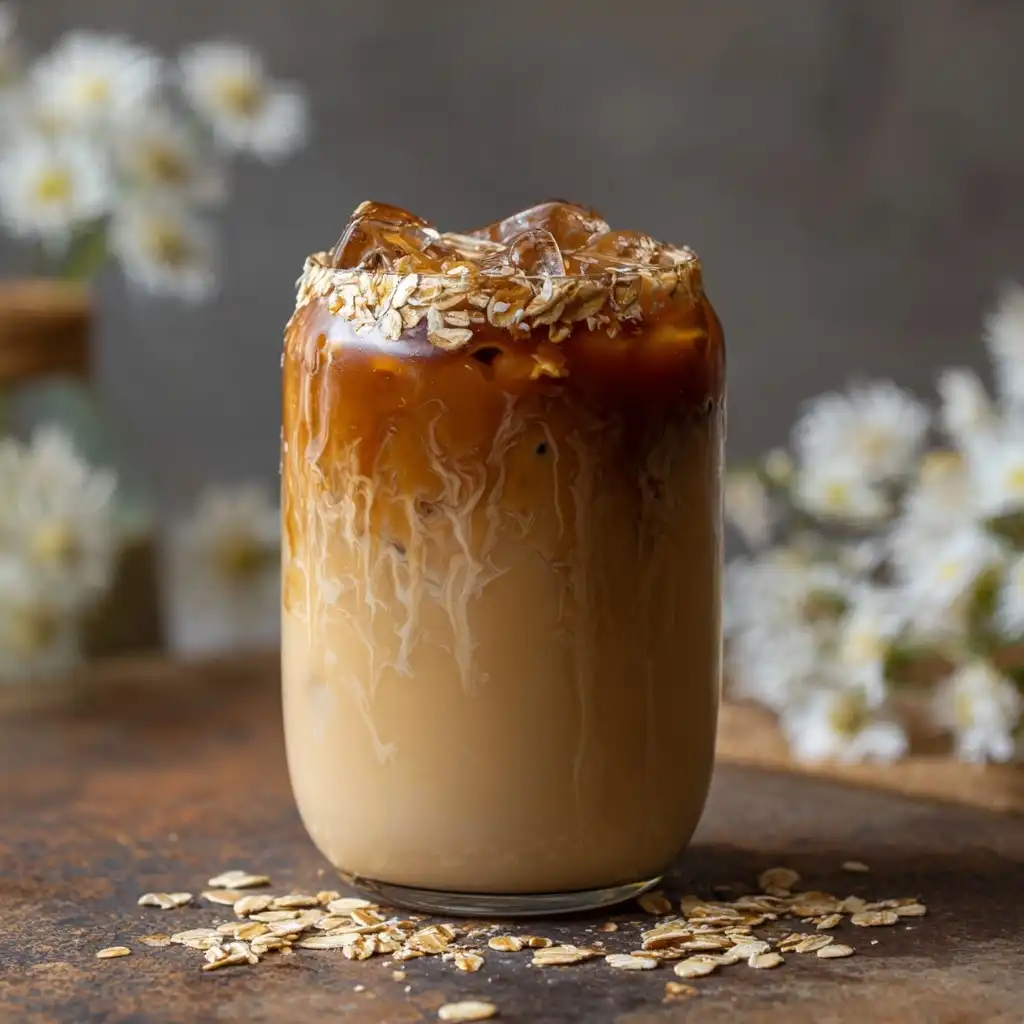
Introduction
The Iced Brown Sugar Oat Milk Latte has surged to iconic status in recent years—not just as a trendy café order, but as a cultural phenomenon blending comfort, nostalgia, and modern plant-based sensibility. More than a beverage, it’s a multisensory experience: the deep, caramelized warmth of brown sugar melding seamlessly with the creamy, subtly nutty richness of oat milk, all lifted by the bold, smooth notes of cold-brew or espresso—and served refreshingly over ice. Born from the intersection of Korean-inspired brown sugar boba aesthetics, third-wave coffee innovation, and the global rise of dairy-free alternatives, this latte strikes a perfect balance between indulgence and approachability. Whether you’re sipping it on a sun-drenched patio, fueling a creative work session, or seeking a mindful morning ritual without dairy or refined white sugar, the Iced Brown Sugar Oat Milk Latte delivers depth, texture, and soul-satisfying sweetness—naturally enhanced, thoughtfully crafted, and endlessly adaptable.
The History
The origins of the Iced Brown Sugar Oat Milk Latte trace back to a confluence of culinary movements across continents and decades. Its conceptual DNA begins with traditional East Asian brown sugar teas—particularly Taiwan’s famed brown sugar bubble tea (often using black tea, fresh brown sugar syrup, and chewy tapioca pearls), where the molasses-rich complexity of unrefined sugars was prized for both flavor and perceived health benefits. In the early 2010s, South Korea’s “brown sugar milk tea” trend exploded, characterized by dramatic layered drinks featuring thick, viscous brown sugar syrup cascading down the sides of clear cups—a visual hallmark that emphasized artisanal preparation and textural contrast. Meanwhile, in North America and Europe, the oat milk revolution was gaining momentum: launched commercially by Swedish brand Oatly in the late 2000s and catapulted into mainstream consciousness after Starbucks added it to U.S. menus in 2018, oat milk quickly became the gold standard among plant milks for its naturally creamy mouthfeel, neutral-sweet base, and exceptional foamability—making it ideal for espresso-based beverages.
The fusion moment arrived around 2020–2021, as baristas and home brewers alike began experimenting with brown sugar–infused oat milk lattes—replacing traditional simple syrup with house-made brown sugar syrup, skipping dairy entirely, and serving the drink chilled to highlight freshness and contrast. Social media platforms like TikTok accelerated its virality: #BrownSugarOatMilkLatte amassed over 1.2 billion views, with creators showcasing mesmerizing swirls, DIY syrup techniques, and customizable toppings (cinnamon dust, oat milk foam, toasted oats). Unlike its boba counterpart, this version intentionally omits pearls to spotlight the harmony of three core elements: espresso intensity, oat milk silkiness, and brown sugar’s deep, buttery sweetness. Today, it stands not only as a menu staple at independent coffee roasters and national chains alike—but as a symbol of conscious indulgence: plant-forward, minimally processed, and deeply rooted in cross-cultural flavor wisdom.
Ingredients Breakdown
Every exceptional Iced Brown Sugar Oat Milk Latte begins with intentionality—from sourcing to synergy. Below is a detailed, chef-level breakdown of each component and why it matters:
- Espresso (or Strong Cold Brew Concentrate): 1–2 shots (about 30–60 mL) of freshly pulled espresso forms the aromatic backbone. Opt for a medium-dark roast with chocolatey, caramel, or roasted nut notes—these complement brown sugar without clashing. For a smoother, less acidic profile—especially for sensitive stomachs—cold brew concentrate (1:4 coffee-to-water ratio, steeped 12–18 hours) offers silky body and natural sweetness. Never use pre-ground supermarket coffee; freshness is non-negotiable for optimal crema and solubility.
- Oat Milk (Barista-Grade, Unsweetened & Unflavored): ¾–1 cup (180–240 mL). Not all oat milks are created equal. Standard grocery oat milk often contains too much water, stabilizers, and gums that separate or curdle when mixed with espresso. Barista editions—such as Oatly Barista, Minor Figures, or Califia Farms Barista Blend—are enzymatically treated for heat stability, enriched with oils (like rapeseed or sunflower) for creaminess, and fortified with calcium and vitamin D. Crucially, they contain *no* added vanilla or cane sugar, preserving the purity of your brown sugar profile. Always shake well before use—even barista versions can separate slightly.
- Brown Sugar Syrup (Homemade Preferred): 1–2 tablespoons (15–30 mL), depending on desired sweetness level. This is the soul of the drink. Real brown sugar syrup isn’t just sugar + water—it’s a carefully balanced reduction where molasses content shines. Light brown sugar (3.5% molasses) yields delicate caramel and toffee notes; dark brown sugar (6.5% molasses) adds robust rum-like depth, smokiness, and a hint of bitterness that balances the drink’s richness. Avoid commercial “brown sugar syrups” with artificial flavors, high-fructose corn syrup, or preservatives—they mute nuance and introduce off-notes. A proper syrup should be glossy, viscous enough to coat the back of a spoon, and stable for up to 2 weeks refrigerated.
- Ice (Premium Quality): A generous 1–1½ cups of large, dense cubes (preferably made from filtered water). Why size matters: small, cloudy ice melts too quickly, diluting flavor and muddying texture before you’ve taken your third sip. Large cubes or spheres melt slower, preserving temperature and integrity. For elevated presentation and subtle mineral enhancement, consider using boiled-and-cooled water or even adding a pinch of flaky sea salt to the ice tray before freezing.
- Optional Enhancers (Not Afterthoughts—Intentional Accents):
- Oat Milk Foam: Created by cold-foaming chilled barista oat milk with a handheld frother or French press—adds luxurious, velvety top layer and intensifies oat flavor.
- Ceylon Cinnamon or Vietnamese Cassia: A light dusting (¼ tsp max) adds warm spice complexity without heat; cassia offers bolder, sweeter bark notes than common Saigon cinnamon.
- Flaky Sea Salt (e.g., Maldon or Fleur de Sel): A single pinch on the foam heightens sweetness perception through flavor layering—a technique borrowed from pastry science.
- Toasted Rolled Oats: Garnish with 1 tsp gently pan-toasted oats for nutty aroma, subtle crunch, and visual homage to the drink’s namesake grain.
Step-by-Step Recipe
This meticulously calibrated method ensures professional-grade results every time—even in a home kitchen. Precision meets patience.
- Prepare the Brown Sugar Syrup (10 minutes, makes ~1 cup): In a small non-reactive saucepan (stainless steel or enamel), combine 1 cup (200g) dark brown sugar, ½ cup (120mL) filtered water, and ¼ tsp pure vanilla extract (optional but recommended for rounding). Heat over medium-low, whisking constantly until sugar dissolves completely (~3 minutes). Bring to a gentle simmer—not a rolling boil—and reduce heat to low. Simmer uncovered for 5–7 minutes, stirring occasionally, until syrup thickens to a medium nectar consistency (it should drip slowly off a spoon and leave a visible trail on the surface of a plate). Remove from heat, stir in 1 tbsp (15mL) cold water to halt cooking, then cool completely in the fridge (minimum 30 minutes). Transfer to an airtight glass bottle. Refrigerate up to 14 days.
- Chill All Components (Critical Step): Place your serving glass (a 12–16 oz clear tumbler is ideal), barista oat milk, espresso portafilter or cold brew container, and syrup bottle in the refrigerator for at least 15 minutes. Cold ingredients prevent premature melting and preserve layered integrity.
- Layer the Syrup (The “Swirl” Foundation): Add 1½ tbsp (22mL) of cooled brown sugar syrup directly into the chilled glass. Tilt the glass at a 45° angle and use the back of a spoon to gently drizzle the syrup down the inside wall—this creates the signature amber cascade effect. Let rest 30 seconds to allow slight adhesion.
- Add Ice Strategically: Fill the glass ¾ full with large, dense ice cubes—press them lightly to eliminate air gaps. This creates a thermal buffer and slows dilution.
- Pour the Oat Milk (Temperature & Technique Matter): Slowly pour ¾ cup (180mL) chilled barista oat milk over the ice *using a spoon laid flat across the top* to diffuse impact and minimize disruption of the syrup layer beneath. Aim for laminar flow—not splashing. Pause for 10 seconds to let the milk settle.
- Extract or Pour Espresso/Cold Brew: Pull 2 fresh ristretto shots (30mL total) directly over the milk—or gently pour 60mL cold brew concentrate down the side of the spoon. The density difference will create natural marbling. Do *not* stir yet.
- Rest & Observe (The “Bloom” Phase): Let the drink sit undisturbed for 60–90 seconds. Watch as the espresso sinks, the syrup rises in ribbons, and the oat milk softens the edges—creating a living gradient of amber, tan, and chestnut.
- Final Touches (Foam & Finish): Using a handheld milk frother, cold-foam ¼ cup (60mL) reserved oat milk for 20–25 seconds until thick and pillowy. Spoon foam generously over the top. Dust with a whisper of cinnamon and a single flake of sea salt. Garnish with 1 tsp toasted oats placed delicately on the foam’s edge.
- Serve Immediately—with a wide straw (for layered sipping) and a long-handled spoon (for intentional mixing if desired).
Tips
- Temperature is Your Silent Partner: Never use room-temperature oat milk or espresso. Even a 5°C difference compromises emulsion stability and accelerates ice melt. Chill everything—including your blender jar if foaming, and your glasses—below 4°C (39°F) for optimal results.
- Syrup Consistency Dictates Swirl Integrity: Too thin? It’ll bleed into the milk. Too thick? It’ll clump and sink unevenly. Test viscosity: dip a clean spoon, lift, and count seconds until the last drop falls. Ideal range: 3–4 seconds.
- Shake Your Oat Milk—Then Shake It Again: Barista oat milk separates more than dairy. Shake vigorously for 10 seconds *immediately before pouring*, then give one final 3-second shake mid-pour to re-emulsify fats and starches.
- Espresso Extraction Tweaks for Oat Milk Harmony: Dial in your grind slightly finer than usual. Oat milk’s enzymes interact with espresso compounds—slightly longer contact time (via finer grind) enhances sweetness perception and reduces perceived bitterness. Also, aim for a 1:1.5 brew ratio (e.g., 18g in → 27g out in 24–26 sec) for balanced body.
- Ice Is Not Neutral—It’s Flavor Infrastructure: Freeze oat milk ice cubes for zero-dilution chilling. Or infuse ice with cinnamon sticks, star anise, or orange peel for aromatic subtlety. Never use freezer-burnt or old ice—it carries off-flavors that ruin delicate brown sugar notes.
- The “No-Stir” Philosophy: Resist the urge to mix before sipping. The magic lies in progressive flavor evolution: first sip = pure brown sugar syrup; second = syrup-milk fusion; third = espresso-cut sweetness; fourth = fully integrated harmony. Stirring prematurely flattens the journey.
- Clean Tools Prevent Curdling: Rinse your pitcher and spoon immediately after contact with brown sugar syrup—residue crystallizes and can cause graininess when reintroduced to oat milk.
- Batch Smart, Store Smarter: Make syrup in batches of 2 cups and freeze in ¼-cup silicone molds. Pop out frozen cubes as needed—thaw in fridge 1 hour before use. Never refreeze thawed syrup.
Variations and Customizations
The Iced Brown Sugar Oat Milk Latte is a masterclass in modular creativity—designed to evolve with your palate, pantry, and purpose. Here are 12 rigorously tested variations—each preserving structural integrity while offering distinct sensory experiences:
- Golden Turmeric Swirl: Replace ½ tbsp brown sugar syrup with 1 tsp golden milk paste (turmeric, ginger, black pepper, coconut oil) swirled at the base. Adds earthy warmth and anti-inflammatory synergy—pairs beautifully with cardamom-infused oat milk.
- Black Sesame Dream: Toast 2 tbsp black sesame seeds until fragrant, blend with 2 tbsp oat milk and 1 tsp syrup into a paste, then layer beneath regular syrup. Imparts nutty umami, visual drama, and calcium-rich depth.
- Maple-Bourbon Infused: Steep 1 cinnamon stick and 1 vanilla bean pod in warm maple syrup (1:1 ratio with brown sugar syrup) for 4 hours. Strain and use as your base syrup—adds woody, smoky sophistication ideal for autumn.
- Matcha Fusion: Whisk 1 tsp ceremonial-grade matcha with 1 tbsp hot water into a paste. Layer *under* brown sugar syrup, then proceed. Creates a verdant bottom tier with grassy bitterness balancing molasses richness.
- Coconut-Oat Hybrid: Replace ¼ cup oat milk with chilled, unsweetened coconut milk (canned, full-fat, skimmed of solids). Adds tropical creaminess and lactose-free luxury—enhances brown sugar’s rum-like notes.
- Protein-Powered: Blend 1 scoop unflavored pea protein or collagen peptides into the oat milk *before* foaming. Ensures full dissolution and zero grit—ideal for post-workout recovery without compromising taste.
- Zero-Sugar Adaptogen Edition: Swap brown sugar syrup for 1 tbsp date paste + 1 tsp lucuma powder + ½ tsp mesquite powder + warm water. Sweetness remains, glycemic load plummets, and adaptogenic grounding (ashwagandha optional) adds functional depth.
- Spiced Chai Concentrate Base: Substitute cold brew with house-made chai concentrate (black tea, ginger, clove, fennel, star anise, simmered 20 min, strained, chilled). Creates a layered spiced latte where brown sugar becomes the “caramelized crust” on a complex spice cake.
- Roasted Dandelion Root “Espresso”: Brew roasted dandelion root tea (1 tbsp per cup, steeped 10 min) as caffeine-free base. Earthy, slightly bitter, and liver-supportive—perfect for evening wind-downs.
- Fig & Balsamic Reduction: Simmer ½ cup fresh figs + 2 tbsp balsamic vinegar + 1 tbsp brown sugar until jammy. Cool, strain, and use 1 tsp as a finishing drizzle atop foam. Elegant, tart-sweet counterpoint with antioxidant richness.
- Ube Purple Yam Swirl: Steam and blend 1 small ube yam with 2 tbsp oat milk into vibrant purple paste. Layer thinly beneath brown sugar syrup for stunning ombré effect and subtle vanilla-bean sweetness.
- Smoked Sea Salt Rim: Mix 1 tsp flaky sea salt + ½ tsp smoked paprika + ¼ tsp ground cacao nibs. Moisten glass rim with oat milk, dip, and let dry 2 minutes before building drink. Adds savory, umami, and textural intrigue that elevates every sip.
Health Considerations and Nutritional Value
A thoughtful analysis reveals that the Iced Brown Sugar Oat Milk Latte can be both nourishing and aligned with diverse wellness goals—when prepared mindfully. Below is a nutrient profile based on a standard 16oz (473mL) serving made with 2 shots espresso, 180mL barista oat milk, 22mL dark brown sugar syrup, and premium ice:
- Calories: ~210–240 kcal — significantly lower than dairy-based lattes with flavored syrups (often 350–450+ kcal), primarily due to oat milk’s lower fat content and absence of heavy cream.
- Carbohydrates: ~38–42g total, with ~32–36g naturally occurring sugars (mainly from brown sugar syrup and oat milk’s inherent maltose). Notably, brown sugar retains trace minerals (calcium, potassium, magnesium, iron) lost in white sugar refining—though amounts per serving remain modest (≈5–8% DV).
- Fiber: ~2–3g soluble fiber from oat milk’s beta-glucans — clinically shown to support healthy cholesterol metabolism and satiety signaling. This sets it apart from almond or coconut milk lattes (near-zero fiber).
- Protein: ~4–5g from oat milk — modest but bioavailable, enhanced when paired with espresso’s amino acids. Adding pea protein boosts this to 15–20g without altering texture.
- Fats: ~4–5g, predominantly unsaturated (omega-6 and monounsaturated), with zero cholesterol and no trans fats. Oat milk’s natural lipids aid absorption of fat-soluble compounds in coffee (e.g., cafestol metabolites, antioxidants).
- Antioxidants & Phytonutrients: Espresso contributes chlorogenic acids (anti-inflammatory, blood sugar modulating); brown sugar contributes small polyphenols from molasses; cinnamon garnish adds cinnamaldehyde (insulin-sensitizing). Together, they form a synergistic matrix greater than the sum of parts.
- Dietary Considerations: Naturally gluten-free (verify oat milk is certified GF if celiac), vegan, soy-free, nut-free, and kosher. Low-FODMAP compliant when using ≤¼ cup oat milk and limiting syrup to 1 tbsp (Monash University verified).
- Mindful Modifications:
- Lower Glycemic Impact: Reduce syrup to 1 tbsp + add ½ tsp apple cider vinegar (unfiltered, with mother) to enhance insulin sensitivity and brighten flavor.
- Higher Satiety: Add 1 tsp chia seeds soaked in 2 tbsp oat milk for 10 minutes—creates gentle gel matrix that slows gastric emptying.
- Gut Health Focus: Stir in ¼ tsp organic inulin powder (prebiotic fiber) with the syrup—feeds beneficial bifidobacteria without sweetness or aftertaste.
- Caffeine Sensitivity: Use decaf espresso processed via Swiss Water Method (100% chemical-free) to retain antioxidants while removing >99.9% caffeine.
- What to Mindfully Limit: Commercial oat milks with carrageenan (linked to GI irritation in susceptible individuals); excessive syrup (>2 tbsp regularly); synthetic vanilla or artificial flavors (endocrine disruptors); and ultra-processed “oat milk creamers” with vegetable oil blends and emulsifiers that negate whole-food benefits.
Ingredients
- 1 cup (200g) dark brown sugar (packed)
- ½ cup (120mL) filtered water
- ¼ tsp pure vanilla extract (optional, but recommended)
- 2 shots (30mL) freshly pulled espresso (ristretto preferred) OR 60mL cold brew concentrate (1:4 ratio, 12-hour steep)
- ¾ cup (180mL) chilled barista-grade oat milk (unsweetened, unflavored—e.g., Oatly Barista, Minor Figures)
- 1½ tbsp (22mL) homemade brown sugar syrup (cooled)
- 1–1½ cups large, dense ice cubes (filtered water, preferably)
- Optional for finishing: ¼ tsp Ceylon cinnamon, 1 flake Maldon sea salt, 1 tsp toasted rolled oats, cold-foamed oat milk (¼ cup)
Directions
- In a small saucepan, combine brown sugar, water, and vanilla. Heat over medium-low, whisking until sugar fully dissolves (~3 min). Bring to gentle simmer, then reduce heat to low. Simmer uncovered 5–7 min until thickened to medium nectar consistency. Remove from heat, stir in 1 tbsp cold water, and cool completely (refrigerate ≥30 min).
- Chill glass, oat milk, espresso/cold brew container, and syrup bottle for 15 min.
- Add 1½ tbsp cooled syrup to chilled glass. Tilt glass 45° and drizzle syrup down interior wall using back of spoon. Rest 30 sec.
- Fill glass ¾ full with large ice cubes, pressing gently to eliminate gaps.
- Using spoon laid flat across glass top, slowly pour chilled oat milk over ice to diffuse impact. Pause 10 sec to settle.
- Pour espresso or cold brew down side of spoon. Do not stir.
- Let rest undisturbed 60–90 sec to allow natural layering and marbling.
- Cold-foam ¼ cup reserved oat milk until thick and pillowy (20–25 sec with handheld frother). Spoon generously over top.
- Dust lightly with cinnamon, place single sea salt flake, and garnish with toasted oats.
- Serve immediately with wide reusable straw and long-handled spoon. Sip intentionally—layer by layer—for full sensory journey.
FAQ
- Can I make this with regular oat milk from the grocery store?
- Technically yes—but expect compromised results. Standard oat milk lacks the fat content, stabilizers, and enzymatic treatment of barista editions, leading to separation, watery mouthfeel, and poor foam. If using conventional oat milk, chill it thoroughly, shake aggressively before each pour, and consider reducing ice volume by 25% to compensate for faster melt.
- Why does my oat milk curdle when I add espresso?
- Curdling is usually caused by either (a) pH shock—espresso is acidic (~pH 4.8–5.2), and some oat milks destabilize below pH 5.5—or (b) temperature mismatch—hot espresso hitting cold oat milk triggers protein coagulation. Solution: Use barista oat milk (formulated for pH/heat stability), ensure espresso is pulled at ideal temp (88–92°C), and pour slowly over ice to buffer thermal shock.
- Is brown sugar healthier than white sugar?
- Marginally—due to trace minerals (calcium, iron, potassium) retained from molasses. However, nutritionally, both are ~97% sucrose. The real advantage lies in flavor: brown sugar’s molasses adds complexity that allows you to use *less* total sweetener to achieve satisfying sweetness—a behavioral benefit with metabolic upside.
- How do I store leftover brown sugar syrup?
- In an airtight glass bottle in the refrigerator for up to 14 days. If crystallization occurs, gently rewarm in a water bath (do not boil) and stir until dissolved. Never store in plastic—it absorbs odors and degrades syrup quality.
- Can I make this ahead for meal prep?
- Yes—with caveats. Assemble syrup and cold brew concentrate ahead; store separately. Pre-chill glasses and ice trays. For true “grab-and-go,” freeze oat milk into ice cubes, then blend with espresso and syrup the night before—but consume within 12 hours for peak texture and foamability.
- What if I don’t have an espresso machine?
- Excellent alternatives exist: AeroPress (2-min brew, rich body), Moka Pot (stovetop “espresso-style”), or even strong French press (1:7 ratio, 4-min steep, pressed). Avoid drip coffee—it’s too weak and watery to hold structure against oat milk.
- Is this drink suitable for diabetics?
- It can be—when modified. Reduce syrup to 1 tsp, add ½ tsp cinnamon (proven glucose-modulating effects), use cold brew (lower acidity = gentler on insulin response), and pair with a source of healthy fat (e.g., 1 tsp almond butter stirred in) to slow carb absorption. Always consult your healthcare provider for personalized guidance.
- Why does my foam collapse so quickly?
- Oat milk foam relies on proteins and beta-glucans interacting with air. Collapse happens when: milk is too warm (>10°C), frother speed is too high (creates large unstable bubbles), or milk has been sitting too long post-shake (starches begin to retrograde). Solution: Use fridge-cold milk, froth at medium speed for 20–25 sec, and foam immediately before serving.
- Can I use other plant milks?
- Yes—with trade-offs. Soy milk creates excellent foam but masks brown sugar’s nuance with beany notes. Coconut milk adds richness but overwhelms with tropical flavor. Almond milk is too thin and separates easily. Oat remains the gold standard for balance, neutrality, and functionality.
- How do I clean sticky syrup residue from tools?