
Introduction
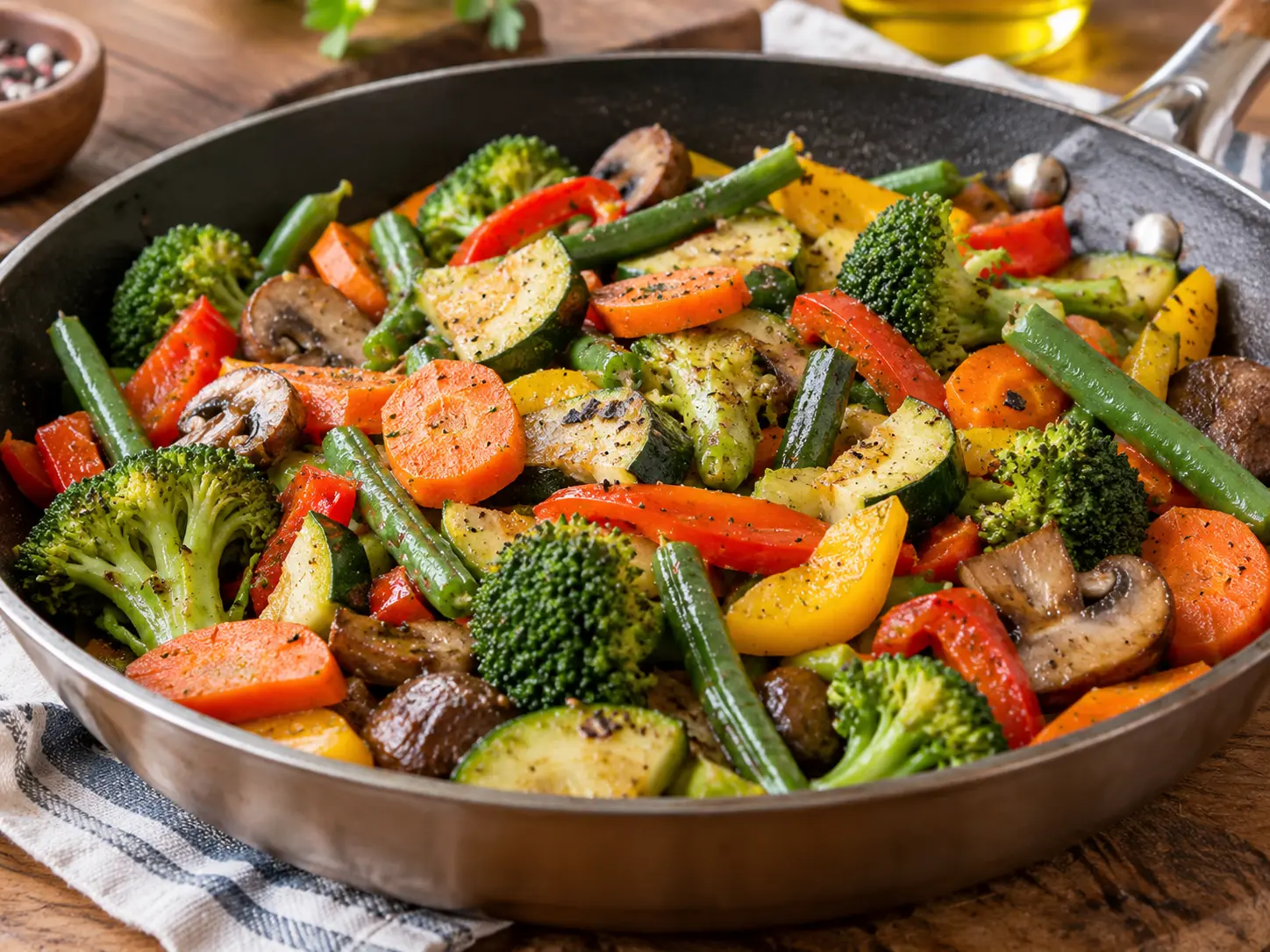
Welcome to the ultimate guide on mastering the art of healthy sautéed vegetables. In a world where quick meals often compromise nutritional integrity, learning how to properly sauté vegetables stands as a cornerstone skill for anyone seeking to enhance their diet without sacrificing flavor. Sautéing is a French cooking technique wherein ingredients are fried in a small amount of fat or oil over relatively high heat. When applied to vegetables, this method preserves texture, enhances natural sweetness through caramelization, and retains a significant portion of heat-sensitive vitamins compared to boiling or over-steaming. This comprehensive guide will walk you through every aspect of the process, from the historical origins of the technique to the scientific breakdown of nutrients, ensuring that your next meal is not only delicious but also profoundly nourishing.
The History
The technique of sautéing finds its roots in classical French cuisine, deriving its name from the French verb sauter, which means “to jump.” This terminology vividly describes the motion of tossing ingredients in a shallow pan so they jump over the heat source, ensuring even cooking and preventing burning. Historically, before the advent of modern refrigeration and global supply chains, cooking vegetables quickly was a method used to preserve their freshness and crispness during meal preparation. In the 18th and 19th centuries, as butter and oil became more accessible to the middle class, sautéing evolved from a professional kitchen technique to a household staple. Throughout the 20th century, with the rise of health consciousness and the discovery of the detrimental effects of deep-frying, sautéing gained prominence as a healthier alternative. It bridged the gap between the rich flavors of fried foods and the nutritional requirements of a balanced diet, becoming a universal method adopted by culinary traditions from the Mediterranean to Asia, each adapting the fat source and seasoning profiles to local tastes.
Ingredients Breakdown
To create the perfect batch of sautéed vegetables, understanding the role of each component is crucial. This is not merely about throwing items into a pan; it is about chemistry and flavor profiling.
The Vegetables
The star of the dish should always be fresh, seasonal produce. Cruciferous vegetables like broccoli and cauliflower offer sturdy structures that hold up well to heat. Leafy greens such as spinach or kale should be added last to prevent wilting too early. Root vegetables like carrots and parsnips require longer cooking times and should be cut smaller than softer vegetables like zucchini or bell peppers. Uniformity in cutting is essential to ensure that every piece cooks at the same rate.
The Fats
The choice of oil dictates the health profile and smoke point of your dish. Olive oil is rich in monounsaturated fats and antioxidants but has a lower smoke point, making it best for medium heat. Avocado oil boasts a very high smoke point and neutral flavor, ideal for high-heat searing. Coconut oil adds a subtle sweetness and contains medium-chain triglycerides, while butter or ghee provides a rich, nutty flavor profile known as beurre noisette when browned slightly.
Aromatics and Seasonings
Garlic, onions, and shallots form the flavor base, releasing sulfurous compounds that deepen the savory notes of the vegetables. Fresh herbs like thyme, rosemary, or basil should be added at different stages; hardy herbs early on to infuse oil, and delicate herbs at the end to preserve their volatile oils. Salt is not just for seasoning; it draws moisture out of vegetables, aiding in the browning process. Acid, such as lemon juice or vinegar added at the end, brightens the dish and balances the richness of the oil.
Step-by-Step Recipe
Follow this logical flow to ensure technical precision in your cooking process.
- Preparation Phase: Wash all vegetables thoroughly under cold running water. Pat them completely dry with a clean kitchen towel. Moisture is the enemy of sautéing; wet vegetables will steam instead of brown.
- Cutting Phase: Chop vegetables into uniform sizes. Dense vegetables should be cut into smaller pieces than soft vegetables to ensure simultaneous doneness.
- Heating Phase: Place a large skillet or sauté pan over medium-high heat. Allow the pan to get hot before adding fat. This prevents sticking and initiates the Maillard reaction.
- Fat Addition: Add your chosen oil or fat. Swirl the pan to coat the bottom evenly. Wait until the oil shimmers but does not smoke.
- Aromatics First: Add onions, garlic, or shallots. Cook until fragrant and translucent, being careful not to burn the garlic.
- Hard Vegetables: Add the densest vegetables first (carrots, broccoli stems). Sauté for 3-5 minutes, stirring occasionally.
- Soft Vegetables: Add softer vegetables (peppers, zucchini, mushrooms). Continue to cook, tossing frequently.
- Seasoning: Sprinkle with salt and pepper mid-cook to draw out moisture and enhance flavor.
- Leafy Greens: If using spinach or kale, add them in the last minute of cooking just to wilt.
- Finishing: Remove from heat. Add fresh herbs and a squeeze of lemon juice or splash of vinegar. Toss once more and serve immediately.
Tips
- Avoid Overcrowding: If you put too many vegetables in the pan, the temperature drops, and the vegetables release water simultaneously, leading to steaming rather than sautéing. Cook in batches if necessary.
- Preheat Your Pan: A cold pan leads to sticking. Ensure the metal is hot before the oil hits the surface.
- Dry Your Produce: After washing, use a salad spinner or towels to remove excess water. This is the secret to achieving caramelization.
- High Heat is Key: Sautéing requires heat. Do not be afraid of medium-high settings, but watch closely to prevent burning aromatics.
- Use the Right Pan: A stainless steel skillet or a well-seasoned cast iron pan provides better browning than non-stick, though non-stick is acceptable for lower-fat cooking.
- Finish with Acid: A splash of acid at the end cuts through the oil and wakes up the flavor profiles of the vegetables.
- Rest Before Serving: Let the vegetables rest for a minute off the heat to allow the juices to redistribute, though they are best served warm.
Variations and Customizations
One of the greatest strengths of sautéed vegetables is their versatility. You can adapt this base recipe to fit any culinary tradition or dietary preference.
- Mediterranean Style: Use olive oil, add cherry tomatoes, kalamata olives, capers, and finish with fresh oregano and feta cheese.
- Asian-Inspired: Use sesame oil, add ginger, snap peas, baby corn, and finish with soy sauce, scallions, and sesame seeds.
- Spicy Mexican: Use avocado oil, add bell peppers, onions, corn, and season with cumin, chili powder, and fresh cilantro with a lime wedge.
- Protein Boost: Transform this side dish into a main course by adding chickpeas, cubed tofu, shredded chicken, or shrimp during the last few minutes of cooking.
- Low-FODMAP: Omit garlic and onions; use garlic-infused oil and the green part of scallions instead to maintain flavor without triggering digestive sensitivities.
- Creamy Version: Stir in a spoonful of Greek yogurt, coconut cream, or a dollop of pesto at the end for a richer sauce consistency.
- Roasted Hybrid: Start the vegetables in the pan on the stove and finish them in the oven for a combination of stovetop sear and oven roast texture.
Health Considerations and Nutritional Value
Incorporating sautéed vegetables into your diet offers substantial health benefits, provided the method is executed with health in mind.
Nutrient Retention
Unlike boiling, where water-soluble vitamins like Vitamin C and B vitamins leach into the cooking water and are discarded, sautéing uses minimal liquid. This helps retain up to 50% more of these essential nutrients. Furthermore, the presence of fat in the pan aids in the absorption of fat-soluble vitamins such as Vitamin A, Vitamin K, and Vitamin E, which are abundant in colorful vegetables like carrots and leafy greens.
Caloric Density
Vegetables are naturally low in calories and high in fiber. By controlling the amount of oil used during sautéing, you can keep the caloric density low while maximizing satiety. Fiber promotes digestive health, stabilizes blood sugar levels, and contributes to a feeling of fullness, which can aid in weight management.
Antioxidant Availability
Cooking vegetables can actually increase the availability of certain antioxidants. For example, the lycopene in tomatoes and the beta-carotene in carrots become more bioavailable to the human body when heated and consumed with a small amount of fat. However, excessive heat can degrade some nutrients, so the quick cooking time of sautéing is optimal for balancing nutrient availability and preservation.
Heart Health
Using healthy fats like olive oil introduces heart-healthy monounsaturated fats into the diet. Combined with the potassium and magnesium found in vegetables, this dish supports healthy blood pressure levels and cardiovascular function.
Ingredients
Below is the specific shopping list required to create a standard family-sized portion of healthy sautéed vegetables.
- 2 tablespoons extra virgin olive oil or avocado oil
- 1 medium yellow onion, diced
- 3 cloves garlic, minced
- 2 cups broccoli florets, cut into bite-sized pieces
- 1 cup carrot coins, sliced thinly
- 1 cup bell peppers (mixed colors), sliced into strips
- 1 cup zucchini, half-moon sliced
- 2 cups fresh spinach or kale, stems removed
- 1/2 teaspoon sea salt, or to taste
- 1/4 teaspoon freshly ground black pepper
- 1 tablespoon fresh lemon juice
- 1 tablespoon fresh parsley or basil, chopped (for garnish)
- Optional: 1/4 teaspoon red pepper flakes for heat
Directions
Execute the following steps to transform the raw ingredients into a cohesive, flavorful dish.
- Gather all your ingredients and prepare them before turning on the stove, as sautéing moves quickly.
- Heat a large skillet or wok over medium-high heat. Add the olive oil and allow it to warm for about 1 minute.
- Add the diced onion to the pan. Cook for 3 minutes, stirring frequently, until the onions become soft and translucent.
- Add the minced garlic and cook for an additional 30 seconds until fragrant. Be careful not to let the garlic brown or burn.
- Add the carrots and broccoli florets to the pan. These require the most cooking time. Sauté for 5 minutes, stirring occasionally.
- Add the bell peppers and zucchini. Continue to sauté for another 3 to 4 minutes until the vegetables are tender-crisp.
- Season the mixture with sea salt, black pepper, and red pepper flakes if using. Toss to combine evenly.
- Add the fresh spinach or kale to the pan. Stir continuously for 1 to 2 minutes until the greens have wilted completely.
- Remove the pan from the heat immediately to prevent overcooking.
- Drizzle the fresh lemon juice over the vegetables and toss one last time.
- Transfer to a serving dish and garnish with fresh chopped parsley or basil before serving warm.
FAQ
Why are my sautéed vegetables soggy?
Sogginess is usually caused by overcrowding the pan or washing the vegetables without drying them afterward. When vegetables are too crowded, they release moisture that cannot evaporate quickly, resulting in steaming. Ensure your pan is hot and give the vegetables enough space.
Can I prep these vegetables ahead of time?
Yes, you can wash and chop vegetables up to 24 hours in advance. Store them in an airtight container in the refrigerator with a paper towel to absorb excess moisture. However, for the best texture, cook them fresh.
What is the best oil for high-heat sautéing?
Avocado oil and refined coconut oil have high smoke points and are excellent for high-heat cooking. Extra virgin olive oil is better for medium heat; if you see smoke, the heat is too high for that specific oil.
How do I store leftovers?
Store leftover sautéed vegetables in an airtight container in the refrigerator for up to 4 days. Reheat them in a skillet over medium heat to restore texture rather than using a microwave, which can make them rubbery.
Can I freeze sautéed vegetables?
While you can freeze them, the texture will change significantly upon thawing, becoming softer. They are best used in soups, stews, or casseroles after freezing rather than served as a standalone side dish.
How can I make this dish vegan?
This recipe is naturally vegan as written. Ensure you use plant-based oils and avoid finishing with butter or cheese. Nutritional yeast can be added for a cheesy, umami flavor without dairy.
What if I don’t like garlic or onions?
You can substitute garlic and onions with asafoetida (hing) powder for a similar savory depth, or simply rely on herbs like rosemary and thyme infused in the oil for flavor without the allium family vegetables.
Summary
Mastering healthy sautéed vegetables involves using high heat, minimal oil, and uniform cuts to maximize nutrient retention and flavor.
By following proper techniques and customizing ingredients, you can create a versatile, nutritious dish that supports overall wellness and culinary satisfaction.