
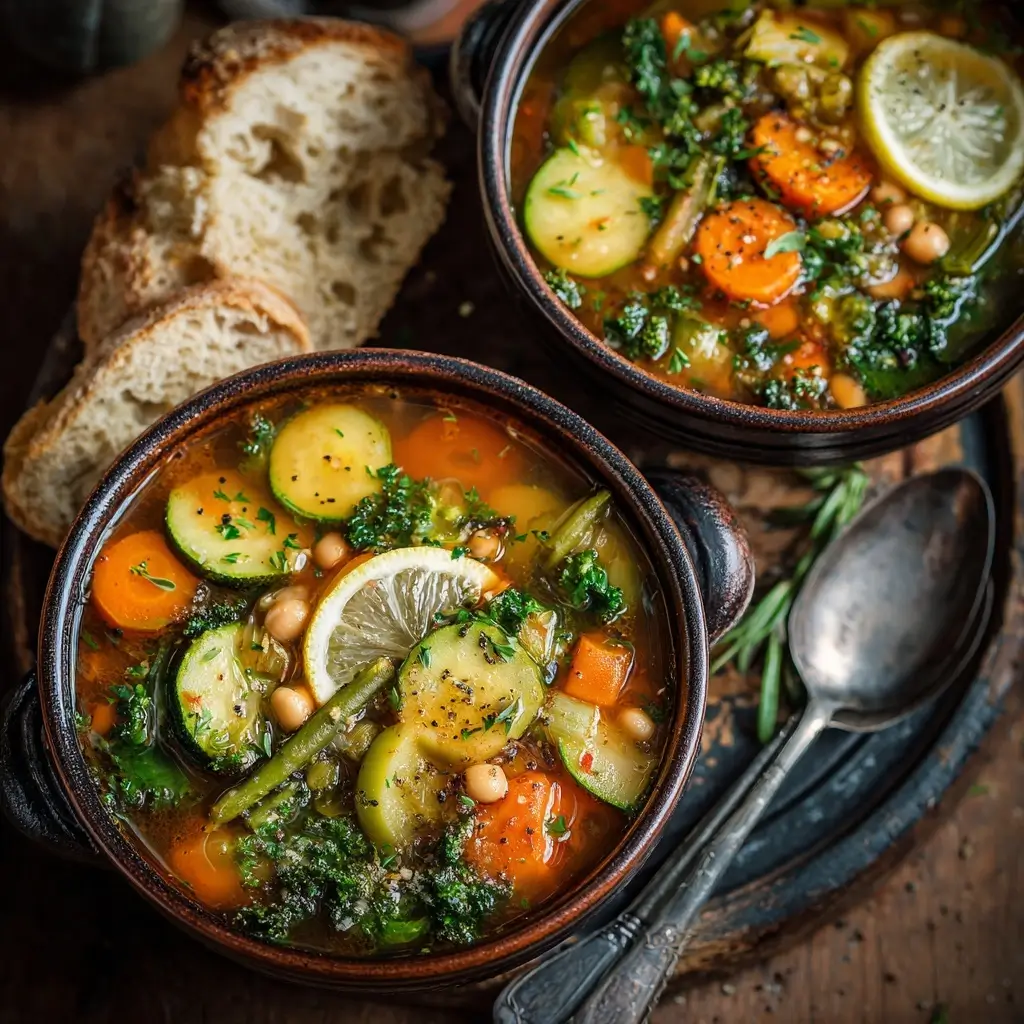
Healthy Immune Booster Veggie Soup: A Nutrient-Rich Elixir for Wellness
In today’s fast-paced world, maintaining a strong immune system is more important than ever. One of the most delicious and effective ways to support your body’s natural defenses is by incorporating nutrient-dense foods into your daily routine—and few dishes do this better than a hearty, vibrant Healthy Immune Booster Veggie Soup. Packed with colorful vegetables, aromatic herbs, and immune-supporting spices, this soup is not only comforting on chilly days but also functions as a powerful tool in fortifying your health from within. Whether you’re fending off seasonal colds, recovering from illness, or simply aiming to live a more health-conscious life, this veggie-packed soup delivers a symphony of flavors and wellness benefits that nourish both body and soul.
The History of Healing Soups
Soups have long been revered across cultures not just as comfort food, but as medicinal remedies. From ancient Chinese herbal broths to Jewish penicillin—chicken soup—the tradition of using warm, liquid-based meals to heal and rejuvenate spans centuries. While chicken soup often gets the spotlight, plant-based soups have an equally rich history in holistic healing traditions around the globe. In Ayurveda, simmered vegetable concoctions infused with turmeric, ginger, and garlic are prescribed to balance doshas and strengthen ojas (vital energy). Traditional Mediterranean diets include lentil and vegetable soups seasoned with olive oil and rosemary, known for their anti-inflammatory properties. Even in West African cuisine, leafy green soups like egusi or kontomire are made with immune-boosting ingredients such as bitterleaf, okra, and onions.
The concept of an “immune booster” soup may feel modern, but it’s rooted deeply in ancestral wisdom. Our forebears understood intuitively what science now confirms: certain vegetables, herbs, and spices contain bioactive compounds that enhance white blood cell function, reduce oxidative stress, and modulate inflammation. This recipe honors those time-tested principles while embracing contemporary nutritional knowledge to create a vegan, gluten-free, and low-sodium powerhouse designed specifically to uplift your immune system naturally.
Ingredients Breakdown: Why Every Component Matters
What sets this Healthy Immune Booster Veggie Soup apart isn’t just its flavor—it’s the intentional selection of ingredients chosen for their scientifically backed immune-enhancing properties. Let’s dive deep into each component:
- Garlic: Contains allicin, a sulfur compound shown to improve immune cell activity and exhibit antimicrobial effects. Regular consumption may reduce the frequency and severity of colds.
- Ginger Root: A potent anti-inflammatory and antioxidant agent, ginger helps soothe sore throats, reduce nausea, and stimulate circulation. It contains gingerol, which has been studied for its ability to inhibit viral replication.
- Turmeric: Home to curcumin, one of nature’s most powerful anti-inflammatory compounds. Curcumin boosts antibody response and supports cellular defense mechanisms. When paired with black pepper (which contains piperine), its absorption increases dramatically.
- Onions: Rich in quercetin, a flavonoid that stabilizes mast cells and reduces histamine release—great for allergy relief and immune modulation. Onions also provide prebiotic fiber to feed beneficial gut bacteria.
- Carrots: High in beta-carotene, which the body converts to vitamin A—an essential nutrient for maintaining mucosal barriers in the respiratory and digestive tracts.
- Broccoli: Loaded with sulforaphane, a phytochemical that activates detoxification enzymes and enhances the body’s antioxidant capacity. Also rich in vitamins C and K, and folate.
- Spinach & Kale: These dark leafy greens offer a full spectrum of immune-supportive nutrients including vitamin C, iron, folate, and lutein. Their high chlorophyll content may help purify the blood and reduce oxidative damage.
- Red Bell Peppers: One of the richest dietary sources of vitamin C—just one cup provides over 150% of your daily needs. Vitamin C stimulates lymphocyte production and acts as a frontline antioxidant.
- Tomatoes (preferably organic or canned without BPA): Provide lycopene, a carotenoid linked to reduced risk of chronic diseases and improved immune regulation.
- Crushed Tomatoes or Tomato Paste: Concentrated source of lycopene and adds depth of flavor while enhancing satiety.
- Green Beans: Contain saponins, which have immunomodulatory effects and support gut immunity.
- White or Cannellini Beans: Add plant-based protein and fiber, promoting fullness and feeding probiotics in the gut microbiome—critical since up to 70% of the immune system resides in the gut.
- Low-Sodium Vegetable Broth: Forms the hydrating base while delivering minerals and electrolytes without excess salt.
- Fresh Lemon Juice (added at the end): Enhances iron absorption from greens and provides additional vitamin C, which degrades when cooked for too long.
- Extra Virgin Olive Oil: Drizzled at the end for healthy monounsaturated fats and polyphenols that fight inflammation.
- Fresh Herbs (parsley, cilantro, thyme, rosemary): Not just for garnish—these herbs are rich in volatile oils and antioxidants that contribute to overall resilience.
Each ingredient plays a synergistic role, creating a cumulative effect far greater than the sum of its parts—making this soup a true functional food.
Step-by-Step Recipe: How to Make Healthy Immune Booster Veggie Soup
Creating this nutrient-packed soup is simple, requiring basic kitchen tools and about 45–60 minutes from start to finish. Follow these detailed steps for optimal flavor and nutrition retention:
- Prep All Ingredients: Wash and chop all vegetables uniformly to ensure even cooking. Mince 4 cloves of garlic. Peel and grate 1–2 inches of fresh ginger. Dice 1 large onion, 2 carrots, 2 celery stalks, 1 red bell pepper, and 1 medium tomato. Cut 1 cup broccoli into small florets, slice 1 cup green beans, and roughly chop 2 cups each of spinach and kale. Drain and rinse 1 can (15 oz) of white beans.
- Heat the Base Oil: In a large pot or Dutch oven, heat 2 tablespoons of extra virgin olive oil over medium heat. Avoid high heat to preserve the oil’s integrity and prevent burning delicate aromatics.
- Sauté Aromatics: Add the diced onion and sauté for 4–5 minutes until translucent. Stir in the minced garlic and grated ginger, cooking for another 1–2 minutes until fragrant—do not let garlic brown, as it becomes bitter.
- Add Warm Spices: Sprinkle in 1 teaspoon ground turmeric, ½ teaspoon ground cumin, ¼ teaspoon black pepper (essential for curcumin absorption), and a pinch of cayenne (optional, for added circulation and metabolic boost). Stir continuously for 30 seconds to toast the spices and release their essential oils.
- Incorporate Hearty Vegetables: Add carrots, celery, red bell pepper, and tomatoes. Cook for 6–8 minutes, stirring occasionally, allowing them to soften slightly and absorb the spice blend.
- Pour in Liquid Base: Slowly add 6 cups of low-sodium vegetable broth. You can also use mushroom broth for deeper umami notes. For richer texture, mix in 2 tablespoons of tomato paste and stir well to dissolve.
- Bring to a Gentle Simmer: Increase heat to bring the mixture to a boil, then immediately reduce to low-medium and let it simmer uncovered for 15 minutes. This allows flavors to meld and vegetables to begin breaking down.
- Add Mid-Cook Vegetables: Stir in broccoli florets and green beans. Continue simmering for another 10 minutes. These veggies need less time than root vegetables to retain crunch and nutrients.
- Incorporate Beans and Greens: Add the rinsed white beans and chopped kale. Simmer for 5 more minutes. Finally, stir in the spinach and cook just until wilted—about 2 minutes. Overcooking greens diminishes their vitamin content.
- Finish with Freshness: Remove the pot from heat. Stir in the juice of half a lemon (about 2 tablespoons). Taste and adjust seasoning with sea salt if needed (start with ¼ tsp), more black pepper, or a drizzle of maple syrup to balance acidity if desired.
- Rest Before Serving: Let the soup sit off the heat for 5–10 minutes. This resting period enhances flavor integration and makes the soup safer to serve hot without scalding.
- Serve Warm: Ladle into bowls and top with fresh parsley or cilantro, a swirl of olive oil, and optionally, a sprinkle of nutritional yeast for a cheesy, B-vitamin-rich finish.
Tips for Maximum Flavor and Nutrition
- Use Fresh, Organic Produce When Possible: Pesticide residues can burden the liver and weaken immune response. Prioritize organic versions of the “Dirty Dozen,” especially bell peppers, spinach, and kale.
- Don’t Skip the Fat: Adding healthy fat (like olive oil or avocado) improves the absorption of fat-soluble vitamins (A, D, E, K) and curcumin in turmeric.
- Add Lemon Juice Off-Heat: Heat destroys vitamin C. Always add citrus at the end to preserve its immune-boosting potency.
- Simmer, Don’t Boil Vigorously: Rapid boiling breaks down delicate phytonutrients. A gentle simmer preserves the integrity of vitamins and antioxidants.
- Peel Ginger, Not Garlic: Studies suggest that leaving garlic unpeeled during cooking may preserve some allicin precursors. However, peeling ginger ensures no dirt or microbes enter the soup.
- Soak Beans Ahead (if using dry): If avoiding canned beans, soak dried cannellini beans overnight and cook separately before adding to avoid gassy compounds and uneven texture.
- Freeze in Portions: This soup freezes exceptionally well. Use glass containers or BPA-free freezer bags, leaving space for expansion. Thaw overnight in the fridge or reheat directly from frozen on low.
- Enhance Umami Naturally: Boost savory depth without sodium by adding a strip of kombu seaweed during simmering or a splash of coconut aminos at the end.
- Double the Batch: Make a large quantity and refrigerate for up to 5 days. The flavors deepen over time, making leftovers tastier!
Variations and Customizations
This versatile recipe welcomes creativity. Here are several ways to adapt it based on dietary preferences, seasonal availability, or regional flavors:
- Gluten-Free Version: Naturally gluten-free. Just ensure your vegetable broth is certified GF if sensitivity is a concern.
- Protein-Powered Upgrade: Add cooked quinoa, lentils, chickpeas, or tempeh crumbles for extra protein, ideal post-workout or for growing children.
- Kid-Friendly Twist: Blend half the soup until smooth and mix back into the chunky portion. Kids often prefer creamy textures. Add sweet potatoes or corn for natural sweetness.
- Spicy Detox Kick: Increase cayenne pepper or add fresh jalapeño slices and a dash of apple cider vinegar for a metabolism-revving version.
- Mediterranean Style: Add olives, artichoke hearts, and a sprinkle of oregano. Finish with crumbled feta (if not vegan).
- Asian-Inspired Fusion: Replace Italian herbs with lemongrass, sliced shiitake mushrooms, bok choy, and a splash of tamari. Garnish with green onions and sesame seeds.
- Creamy Coconut Version: Substitute 1–2 cups of broth with light coconut milk for a subtly sweet, creamy texture rich in lauric acid—a compound with antiviral properties.
- Root Vegetable Edition: Swap broccoli and greens for parsnips, turnips, and rutabaga during winter months. Roast them first for caramelized depth.
- Herbal Infusion: Steep fresh thyme, rosemary, or sage in the broth for 10 minutes before adding other ingredients, then remove sprigs before serving.
- Raw Immunity Boost Topper: Serve with a side of raw grated carrot, daikon radish, or fermented vegetables like sauerkraut to introduce live probiotics.
Health Considerations and Nutritional Value
This Healthy Immune Booster Veggie Soup isn’t just tasty—it’s a scientifically sound ally in supporting immune health, reducing inflammation, and promoting long-term wellness. Let’s break down its key health benefits:
- Rich in Antioxidants: The combination of vitamin C (from bell peppers, broccoli, lemon), beta-carotene (carrots), lycopene (tomatoes), and flavonoids (onions, kale) combats free radical damage linked to aging and chronic disease.
- Anti-Inflammatory Effects: Turmeric, ginger, olive oil, and leafy greens all contain compounds that suppress NF-kB, a signaling pathway involved in chronic inflammation.
- Gut-Immune Axis Support: Dietary fiber from beans, vegetables, and herbs feeds beneficial gut bacteria. A diverse microbiome is directly correlated with stronger immune responses and reduced autoimmunity risk.
- Vitamin and Mineral Density: One serving provides significant amounts of:
- Vitamin A: 120% DV (supports skin and mucosal immunity)
- Vitamin C: 150% DV (stimulates phagocytosis and antibody production)
- Vitamin K: 90% DV (important for blood clotting and bone health)
- Folate: 40% DV (crucial for DNA repair and cell division)
- Iron: 25% DV (plant-based, non-heme iron; enhanced by vitamin C)
- Potassium: 30% DV (balances fluids and supports heart health)
- Low Glycemic Impact: With complex carbs and fiber, this soup helps maintain stable blood sugar—key for reducing systemic inflammation.
- Heart-Healthy Profile: No cholesterol, minimal saturated fat, and abundant potassium and polyphenols make this soup excellent for cardiovascular wellness.
- Hydration Support: The broth base contributes to daily fluid intake, aiding kidney function and toxin elimination.
Nutrition Facts (Per Serving – Approx. 1.5 cups):
Calories: ~180 | Protein: 7g | Carbohydrates: 32g | Fiber: 8g | Sugars: 8g (naturally occurring) | Fat: 5g (mostly unsaturated) | Sodium: 300mg (varies based on broth) | Vitamin A: 120% DV | Vitamin C: 150% DV | Iron: 25% DV
Note: Individual results may vary depending on ingredient brands and modifications. Those with thyroid conditions should consult a healthcare provider before consuming large amounts of raw cruciferous vegetables (like broccoli), though cooking neutralizes goitrogenic compounds.
Ingredients
- 2 tbsp extra virgin olive oil
- 1 large yellow onion, diced
- 4 cloves garlic, minced
- 1–2 inch piece fresh ginger, peeled and grated
- 2 medium carrots, diced
- 2 celery stalks, diced
- 1 red bell pepper, chopped
- 1 medium tomato, diced (or ½ cup canned crushed tomatoes)
- 1 cup broccoli florets
- 1 cup green beans, trimmed and cut into 1-inch pieces
- 2 cups kale, stems removed, chopped
- 2 cups spinach, loosely packed
- 1 (15 oz) can white beans (cannellini or great northern), drained and rinsed
- 6 cups low-sodium vegetable broth
- 2 tbsp tomato paste (optional, for richness)
- 1 tsp ground turmeric
- ½ tsp ground cumin
- ¼ tsp black pepper (freshly ground preferred)
- Pinch of cayenne pepper (optional)
- Juice of ½ lemon (about 2 tbsp)
- Sea salt, to taste (start with ¼ tsp)
- Fresh parsley or cilantro, for garnish
- Additional olive oil, for drizzling
Directions
- Heat olive oil in a large pot over medium heat.
- Add onion and sauté for 4–5 minutes until soft and translucent.
- Stir in garlic and ginger; cook for 1 minute until fragrant.
- Add turmeric, cumin, black pepper, and cayenne. Toast spices for 30 seconds, stirring constantly.
- Add carrots, celery, red bell pepper, and tomato. Cook for 6–8 minutes, stirring occasionally.
- Pour in vegetable broth and stir in tomato paste (if using).
- Bring to a boil, then reduce heat and simmer uncovered for 15 minutes.
- Add broccoli and green beans; continue simmering for 10 minutes.
- Stir in white beans and kale; cook for 5 minutes.
- Add spinach and cook just until wilted, about 2 minutes.
- Remove from heat. Stir in lemon juice. Season with sea salt to taste.
- Let rest for 5–10 minutes before serving.
- Ladle into bowls and garnish with fresh herbs and a drizzle of olive oil.
FAQ
Can I make this soup in a slow cooker?
Yes! Sauté onions, garlic, and spices first, then transfer to a slow cooker. Add all remaining ingredients except spinach, lemon juice, and fresh herbs. Cook on LOW for 6–7 hours or HIGH for 3–4 hours. Stir in spinach during the last 30 minutes, then finish with lemon juice and herbs.
Is this soup suitable for weight loss?
Absolutely. High in fiber and water content, low in calories, and very filling, this soup promotes satiety and steady energy levels—ideal for healthy weight management.
Can I use frozen vegetables?
Yes, especially for broccoli, green beans, and spinach. Add them directly from frozen toward the end of cooking to avoid overcooking.
How do I store leftovers?
Cool completely and store in airtight containers in the refrigerator for up to 5 days or freeze for up to 3 months.
Why is black pepper included with turmeric?
Piperine in black pepper increases the bioavailability of curcumin (the active compound in turmeric) by up to 2,000%, making the anti-inflammatory benefits far more effective.
Can I make it spicier?
Certainly! Add sliced fresh chili peppers, extra cayenne, or a dash of hot sauce before serving.
Is this soup safe during pregnancy?
Yes, this soup is highly nutritious and safe for pregnancy, offering folate, iron, and vitamins crucial for fetal development. Always ensure produce is thoroughly washed.
Summary
The Healthy Immune Booster Veggie Soup is a vibrant, science-backed blend of antioxidant-rich vegetables, anti-inflammatory spices, and gut-nourishing fibers designed to strengthen your body’s natural defenses. Delicious, easy to customize, and perfect for meal prep, it’s a culinary cornerstone for anyone seeking lasting wellness through real food.