
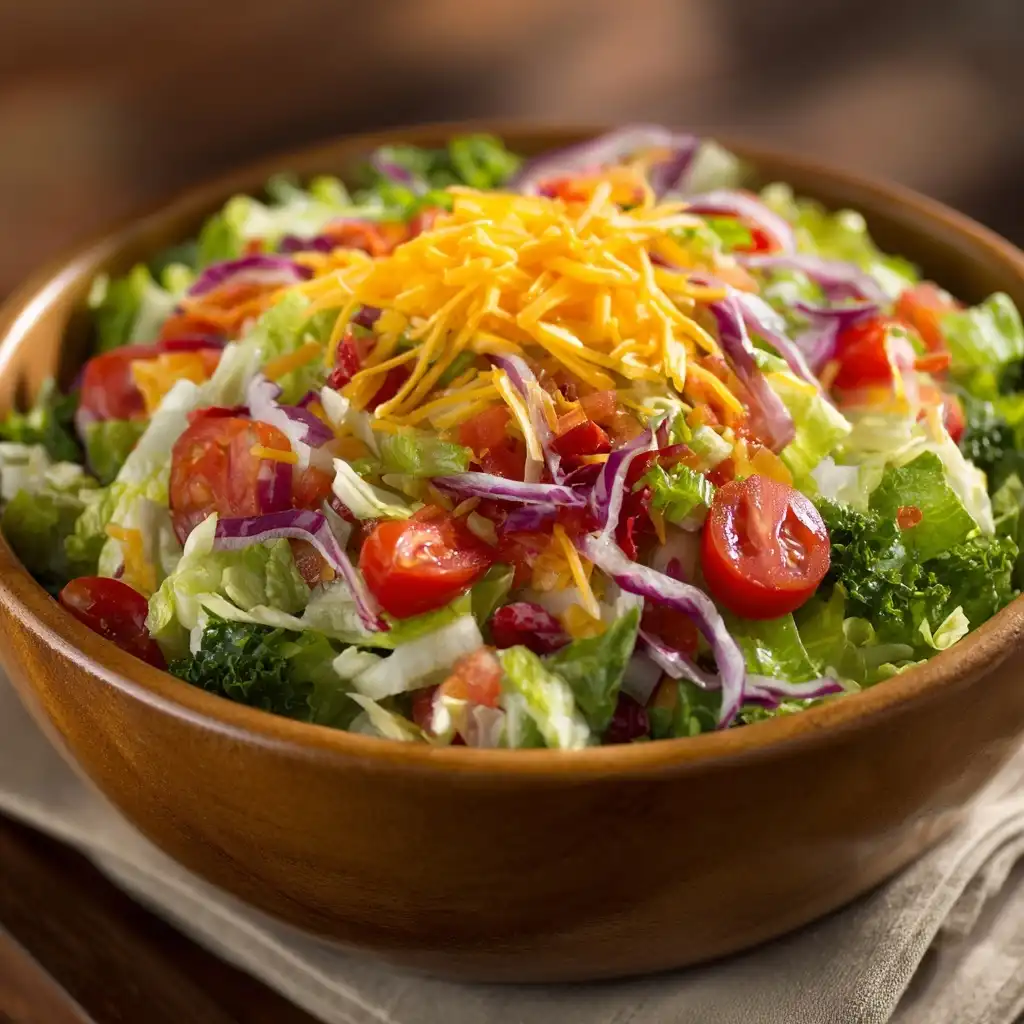
Introduction
The Grinder Chopped Salad is a vibrant, texturally rich, and deeply flavorful twist on the classic American deli grinder—reimagined as a deconstructed, nutrient-dense, fork-friendly salad. Unlike traditional tossed salads, this version celebrates bold contrasts: crisp romaine and iceberg for crunch, savory cured meats and sharp cheeses for umami depth, briny olives and pickled vegetables for acidity, and a robust, herb-flecked vinaigrette that ties everything together with glossy, cohesive richness. Born from the desire to elevate lunchtime simplicity without sacrificing satisfaction, the Grinder Chopped Salad honors its sandwich roots while offering greater digestibility, portion control, and culinary versatility. It’s not just food—it’s a celebration of balance, texture, and nostalgic flavor, reengineered for modern wellness and everyday joy.
The History
The Grinder Chopped Salad traces its origins to the evolving American deli culture of the mid-to-late 20th century, particularly in the Northeastern United States—where “grinders” (also known as “subs,” “heroes,” or “hoagies”) became synonymous with hearty, no-nonsense sandwiches built for sustenance. The term “grinder” itself likely emerged in New England—possibly referencing the jaw effort required to bite through dense, overstuffed rolls—or linked to Italian-American communities where “grinding” referred to the labor-intensive preparation of cold cuts and antipasti. As health consciousness grew in the 1980s and ’90s, chefs and home cooks alike began deconstructing beloved comfort foods, seeking lighter yet equally satisfying alternatives. The chopped salad movement—pioneered by iconic spots like L.A.’s The Ivy and later popularized by NYC’s Balthazar Bakery & Café—provided the perfect framework: finely diced ingredients, uniform texture, and bold, layered seasoning. By the early 2010s, food media and wellness blogs began fusing these concepts, giving rise to the “Grinder Chopped Salad”—a clever homage that replaced bread with abundant greens, swapped soggy lettuce shreds for precisely chopped romaine hearts and crunchy iceberg, and amplified the signature grinder elements: salami, provolone, red onion, pepperoncini, and garlic-herb vinaigrette. Today, it appears on menus from Brooklyn bistros to California farm-to-table cafés—and has become a staple in meal-prep circles, fitness communities, and family dinner rotations alike.
Ingredients Breakdown
Every component of the Grinder Chopped Salad serves a distinct sensory and functional purpose—no ingredient is arbitrary. Let’s explore each category in detail:
Base Greens (The Crisp Foundation)
- Romaine Hearts: The backbone—tightly packed, sweet, and tender with a subtle nutty finish. Their sturdy ribs hold up to vigorous chopping and robust dressings without wilting.
- Iceberg Lettuce: Adds structural crunch and cool, clean contrast. Its high water content balances saltiness and provides refreshing palate relief.
- Butter Lettuce (optional but recommended): Introduces delicate, velvety texture and subtle sweetness—especially valuable when serving chilled or prepping ahead.
Cured Meats (The Savory Anchor)
- Genoa Salami: Aromatic, slightly fatty, and warmly spiced with garlic and black pepper—provides deep, fermented savoriness.
- Capicola (Hot or Sweet): Offers marbled tenderness and complex notes of paprika, clove, and cured pork fat; hot capicola adds gentle heat.
- Prosciutto di Parma (thinly sliced & chopped): Brings elegant, floral-salty elegance and melt-in-the-mouth silkiness—ideal for elevated versions.
- Pepperoni (for a bolder, more accessible option): Adds familiar spice and chewy-crisp edges when lightly pan-seared before chopping.
Cheeses (The Creamy & Salty Counterpoint)
- Provola Affumicata (Smoked Provolone): The quintessential grinder cheese—smoky, tangy, and slightly elastic. Melts subtly into the dressing for richness.
- Fresh Mozzarella (ciliegine or bocconcini, patted dry & chopped): Adds milky softness and moisture retention—especially welcome in summer or for lighter variations.
- Pecorino Romano (finely grated): Not mixed in—but served as a finishing dust for salty, umami-packed punch and aromatic lift.
Vegetables & Pickled Elements (The Bright & Tangy Spark)
- Red Onion (thinly sliced, then finely chopped & soaked in ice water + vinegar): Tames sharpness while preserving vibrant color and crisp bite.
- Pepperoncini (chopped, including brine for dressing infusion): Mild heat, herbal tang, and essential grinder authenticity.
- Kalamata Olives (pitted & quartered): Earthy, winey, and meaty—adds luxurious fat and Mediterranean depth.
- Roasted Red Peppers (jarred or homemade, drained & finely diced): Sweet, smoky, and juicy—enhances visual appeal and balances salt.
- Cherry Tomatoes (halved, seeded, and chopped): For bright acidity and bursts of sweetness—best added just before serving to prevent sogginess.
- Garlic (fresh, microplaned or minced): Raw intensity that mellows into the vinaigrette—non-negotiable for true grinder character.
The Signature Vinaigrette (The Unifying Force)
- Extra-Virgin Olive Oil (high-quality, fruity, medium-bodied): Forms the lush, emulsified base—never neutral oil.
- Red Wine Vinegar (or a blend with sherry vinegar): Provides sharp, clean acidity to cut through fat and salt.
- Dijon Mustard: Natural emulsifier + subtle warmth and complexity.
- Dried Oregano & Basil (preferably Italian-sourced): Earthy, aromatic backbone—reinforces the deli/herbal DNA.
- Fresh Parsley & Flat-Leaf Basil (finely chopped): Adds green vibrancy, freshness, and herbal brightness—added last to preserve flavor.
- Worcestershire Sauce (1/4 tsp): Secret umami booster—deepens savoriness without detectable flavor.
- Black Pepper (freshly cracked): Warm spice and aroma—never pre-ground.
- Salt (fine sea salt or kosher—added judiciously due to salty components): Used only after tasting post-mixing.
Optional Enhancements (For Texture & Dimension)
- Toasted Pine Nuts or Slivered Almonds: Nutty richness and delicate crunch—add just before serving.
- Crumbled Crispy Pancetta or Guanciale: For an ultra-decadent, pork-forward variation.
- Grated Lemon Zest: Bright citrus lift—especially complementary with provolone and pepperoncini.
- Shaved Fennel (very thin ribbons): Anise-kissed crispness and refined sophistication.
- Hot Honey Drizzle (post-toss): Unexpected sweet-heat contrast—perfect with spicy salami or capicola.
Step-by-Step Recipe
- Prep the Greens: Wash romaine hearts and iceberg thoroughly under cold running water. Remove any discolored outer leaves. Pat *extremely* dry using a salad spinner followed by clean kitchen towels—excess moisture is the enemy of dressing adhesion. Stack 4–5 leaves at a time, roll tightly, and slice crosswise into ¼-inch ribbons. Then rotate 90° and chop again into fine, confetti-like pieces (~⅛-inch dice). Repeat until all greens are uniformly chopped. Transfer to a large, wide mixing bowl—do not refrigerate yet.
- Prepare the Aromatics & Vegetables: Finely chop red onion (soak in ice water + 1 tsp red wine vinegar for 10 minutes, then drain and squeeze gently). Mince garlic on a microplane. Chop pepperoncini (reserve 1 tbsp brine). Pit and quarter kalamatas. Dice roasted red peppers and cherry tomatoes (seed tomatoes to prevent weeping). Set each component in separate small bowls.
- Chop the Proteins & Cheeses: Using a very sharp knife, slice salami and capicola into thin strips, then cut crosswise into ¼-inch pieces. For prosciutto, fold slices lengthwise twice, then finely mince. Chop smoked provolone into tiny cubes (¼-inch) — avoid grating, which causes gumminess. If using mozzarella, pat each piece completely dry with paper towels before dicing.
- Make the Vinaigrette: In a glass jar with tight lid, combine ¾ cup extra-virgin olive oil, ¼ cup red wine vinegar, 1½ tsp Dijon mustard, 1 tsp dried oregano, 1 tsp dried basil, ¼ tsp freshly cracked black pepper, ¼ tsp Worcestershire, and the reserved 1 tbsp pepperoncini brine. Seal and shake vigorously for 30 seconds until fully emulsified. Taste and set aside—do not add salt yet.
- Assemble with Precision: To the bowl of chopped greens, add chopped onions, garlic, pepperoncini, olives, roasted peppers, and tomatoes. Gently toss with clean hands or tongs—just 2–3 turns—to distribute. Next, add chopped meats and cheeses. Toss again—lightly but thoroughly—until evenly dispersed. Now, pour ¾ of the vinaigrette over the mixture.
- The Critical Chop-Toss Technique: Using two large chef’s knives (or one knife and a bench scraper), begin chopping *into* the salad—not lifting, but cutting downward in rhythmic, even strokes across the entire surface. Continue for 60–90 seconds. This technique (borrowed from traditional Italian chopped salads) breaks down cell walls slightly, releasing natural juices and allowing the dressing to penetrate every nook while maintaining integrity. Stop when the salad looks uniformly moistened but not drenched.
- Rest & Marinate: Cover bowl loosely with parchment-lined plastic wrap and refrigerate for *exactly* 15 minutes. This brief rest allows flavors to harmonize and lets the greens absorb just enough dressing without turning limp.
- Final Seasoning & Finish: Remove from fridge. Give one final gentle fold with tongs. Taste—now add fine sea salt *only if needed* (remember: salami, olives, cheese, and brine are all salty). Sprinkle generously with freshly cracked black pepper and grated Pecorino Romano. Garnish with chopped fresh parsley and basil. Optional: scatter toasted pine nuts or a drizzle of hot honey.
- Serve Immediately: Portion into chilled bowls or mason jars (for meal prep). For optimal texture, serve within 30 minutes of final toss. Leftovers (if any) keep refrigerated for up to 24 hours—but expect softened texture and intensified flavor.
Tips
- Dryness is Non-Negotiable: Wet greens repel dressing and create puddling. Spin *twice*, then lay flat on clean towels for 5 minutes before chopping.
- Knife Matters: Use a razor-sharp, 8–10 inch chef’s knife. Dull blades bruise greens and tear proteins—compromising texture and appearance.
- Chill Your Bowl: Place the mixing bowl in the freezer for 10 minutes before assembly—keeps ingredients crisp and prevents premature wilting.
- Vinaigrette Ratio Flexibility: Start with ¾ of the dressing. You can always add more—but you can’t remove excess. Err on the side of less for make-ahead versions.
- Meat Temperature: Use cold, firm cured meats straight from the fridge—they chop cleaner and don’t smear.
- No Crying Over Onions: Soaking in vinegar-water not only tames pungency but also adds subtle acidity that enhances the vinaigrette.
- Embrace the Chop-Toss: Skipping this step yields a disjointed salad. It’s what transforms “ingredients in a bowl” into a unified, restaurant-quality experience.
- Season in Layers: Salt the vinaigrette lightly, salt the finished salad minimally—and always taste before the final salt addition. Let the ingredients speak first.
- Prep Components Separately Ahead: Chop greens, meats, cheeses, and veggies up to 1 day ahead—store separately in airtight containers with damp paper towels. Make vinaigrette up to 3 days ahead. Assemble only when ready to serve.
- For Meal Prep Success: Layer mason jars bottom-up: dressing → sturdiest items (cheese, meats, olives, peppers) → softer items (tomatoes, herbs) → greens on top. Seal and refrigerate. Shake vigorously before eating.
Variations and Customizations
The Grinder Chopped Salad is inherently adaptable—designed to reflect regional preferences, dietary frameworks, seasonal availability, and personal cravings. Here are thoughtfully curated variations, each preserving the core identity while expanding its expressive range:
Mediterranean Grinder
Swap Genoa salami for thinly sliced lamb merguez or grilled octopus; replace provolone with crumbled feta and aged manchego; add preserved lemon peel, cucumber ribbons, and mint instead of basil. Use a lemon-oregano vinaigrette with sumac and toasted cumin seeds.
Vegan Grinder
Substitute smoky tempeh “bacon” (marinated in tamari, liquid smoke, maple, and smoked paprika, then baked until crisp), marinated chickpeas (with caper brine and garlic), and shaved raw zucchini “provolone” (zucchini ribbons tossed in nutritional yeast, lemon zest, and miso). Use cashew-based “parmesan” and a sun-dried tomato–infused vinaigrette.
Breakfast Grinder
Replace cured meats with crumbled, herb-roasted potatoes and crispy sage-seasoned tempeh bacon; swap provolone for creamy avocado cubes and crumbled cotija; add pickled jalapeños, black beans, and charred corn. Dress with chipotle-lime vinaigrette and top with microgreens and pepitas.
Seafood Grinder
Feature flaked grilled swordfish or seared scallops, chopped calamari salad (blanched, cooled, dressed in lemon-garlic vinaigrette), and marinated shrimp. Use lemon-zested ricotta salata instead of provolone and garnish with dill, capers, and lemon supremes.
Keto Grinder
Double down on fats: add chopped hard-boiled eggs, avocado, and macadamia nuts; omit tomatoes and onions; use full-fat feta and aged gouda; boost vinaigrette with MCT oil and anchovy paste for umami density. Serve with crispy parmesan crisps on the side.
Low-Sodium Grinder
Omit olives, pepperoncini, and pre-sliced deli meats. Use uncured, low-sodium turkey or chicken breast (roasted with herbs), fresh mozzarella, and roasted beets for natural sweetness and earthiness. Replace vinegar with fresh lemon juice and add dill, chives, and celery seed to the dressing.
Spicy Grinder
Incorporate gochujang-infused vinaigrette, quick-pickled serranos, crushed Calabrian chiles, and spicy soppressata. Top with Fresno chile ribbons and a swirl of chili crisp. Add a splash of fish sauce to the dressing for layered heat.
Kid-Friendly Grinder
Swap salami for mild oven-baked turkey meatballs (chopped), omit onions and pepperoncini, use mild cheddar instead of provolone, add diced apple and dried cranberries, and dress with a honey-Dijon vinaigrette. Serve with whole-grain croutons shaped like dinosaurs.
Winter Grinder
Use frisée and radicchio instead of romaine; add roasted delicata squash, caramelized shallots, pomegranate arils, and toasted walnuts. Swap vinaigrette for a pomegranate-mustard reduction with thyme and orange zest.
Spring Grinder
Feature baby spinach, pea shoots, and blanched asparagus tips; use lemon-herb grilled chicken and fresh goat cheese; add edible flowers (nasturtiums, pansies), radish ribbons, and mint. Dress with lemon-thyme vinaigrette and finish with lemon zest.
Health Considerations and Nutritional Value
The Grinder Chopped Salad offers remarkable nutritional flexibility—capable of being both indulgent and nourishing, depending on execution. A standard 2-cup serving (without extras like nuts or cheese overload) delivers approximately:
- Calories: 320–450 kcal (varies significantly by meat/cheese volume and oil quantity)
- Protein: 22–34 g (from high-biological-value animal proteins or plant-based alternatives)
- Fat: 20–28 g (predominantly monounsaturated from olive oil and cured meats; includes beneficial omega-3s if using seafood or walnuts)
- Carbohydrates: 8–14 g (mostly fiber-rich, low-glycemic sources—lettuce, peppers, onions, olives)
- Fiber: 4–7 g (supports gut motility, microbiome diversity, and satiety)
- Vitamins & Minerals: Exceptionally high in Vitamins A, C, K, and folate (from greens and peppers); rich in calcium (cheese, kale if added), iron (salami, olives), and polyphenols (olive oil, oregano, garlic).
Heart Health: Extra-virgin olive oil’s oleocanthal and antioxidants reduce LDL oxidation and arterial inflammation. Garlic and onions support healthy blood pressure and circulation. Limiting sodium (via mindful cheese/meat selection) further enhances cardiovascular safety.
Gut Health: Fermented elements—pepperoncini brine, naturally occurring lactic acid in cured meats, and raw garlic—support beneficial bacterial colonization. High fiber content feeds bifidobacteria and promotes regularity.
Blood Sugar Balance: Low glycemic load, zero added sugars, and high protein/fat content result in minimal insulin response—ideal for prediabetics, diabetics, and metabolic health maintenance.
Digestibility Considerations: While nutrient-dense, the raw garlic, onions, and high-fat content may cause discomfort for those with IBS, GERD, or sensitive digestion. Modifications include using roasted garlic, omitting raw onion, choosing leaner meats, and adding digestive herbs like fennel seed or ginger to the vinaigrette.
Sodium Awareness: Traditional versions can contain 700–1,100 mg sodium per serving—primarily from cured meats, cheese, olives, and brines. Those managing hypertension should opt for low-sodium deli meats (look for <350 mg/serving), unsalted nuts, reduced-sodium olives, and limit added salt—relying on herbs, citrus, and umami-rich ingredients (mushrooms, tamari, nutritional yeast) for flavor.
Allergen Notes: Naturally gluten-free and dairy-optional (substitute vegan cheeses or omit). Contains common allergens: tree nuts (if added), dairy (cheese), and sulfites (in some cured meats and wines used for vinegar). Always verify labels for sensitive individuals.
Meal-Prep Safety: Due to raw garlic, onion, and high-moisture vegetables, this salad is best consumed within 24 hours. Store below 40°F (4°C) and never leave at room temperature >2 hours. Avoid storing dressed salad with tomatoes or cucumbers for longer than 12 hours.
Ingredients
Makes 4 generous servings (about 6–7 cups total)
- 1 large head romaine hearts (about 8 cups chopped, tightly packed)
- ½ medium head iceberg lettuce (about 3 cups chopped)
- 6 oz Genoa salami, thinly sliced and finely chopped
- 5 oz sweet or hot capicola, thinly sliced and finely chopped
- 4 oz provola affumicata (smoked provolone), finely cubed (¼-inch)
- ½ cup red onion, finely chopped & soaked (see Tips)
- 3 cloves garlic, microplaned or minced to paste
- ¼ cup pepperoncini, chopped (plus 1 tbsp brine reserved)
- ⅓ cup kalamata olives, pitted and quartered
- ⅓ cup jarred roasted red peppers, drained and finely diced
- 1 cup cherry tomatoes, halved, seeded, and chopped
- ¾ cup extra-virgin olive oil (high-quality, fruity)
- ¼ cup red wine vinegar (or 2 tbsp red wine + 2 tbsp sherry vinegar)
- 1½ tsp Dijon mustard
- 1 tsp dried oregano
- 1 tsp dried basil
- ¼ tsp Worcestershire sauce
- ¼ tsp freshly cracked black pepper (plus more for finishing)
- Fine sea salt (to taste—add only after tasting dressed salad)
- ¼ cup fresh flat-leaf parsley, finely chopped
- 2 tbsp fresh basil leaves, finely chopped
- ¼ cup grated Pecorino Romano (for finishing)
- Optional: 3 tbsp toasted pine nuts or slivered almonds
Directions
- Prep Greens: Wash and spin romaine and iceberg until bone-dry. Stack, roll, and finely chop into ⅛-inch pieces. Place in a large, wide, chilled bowl.
- Prep Vegetables: Chop red onion, soak in ice water + 1 tsp vinegar for 10 minutes, then drain and squeeze dry. Microplane garlic. Chop pepperoncini (reserve brine). Pit and quarter olives. Dice roasted peppers and seeded tomatoes.
- Chop Proteins & Cheese: Slice salami and capicola into thin strips, then crosswise into ¼-inch pieces. Cube smoked provolone. Keep all meats and cheeses cold until assembly.
- Make Vinaigrette: In a jar, combine olive oil, vinegar, Dijon, oregano, dried basil, Worcestershire, black pepper, and reserved pepperoncini brine. Seal and shake vigorously for 30 seconds until thickened and emulsified.
- Combine Base Ingredients: To the greens, add chopped onion, garlic, pepperoncini, olives, roasted peppers, and tomatoes. Toss gently 2–3 times.
- Add Meats & Cheese: Scatter salami, capicola, and provolone over the mixture. Toss once more—just until evenly distributed.
- Dress & Chop-Toss: Pour ¾ cup (about ¾ of total) vinaigrette over salad. Using two chef’s knives, chop downward rhythmically across the entire surface for 60–90 seconds until uniformly moistened and cohesive.
- Rest: Loosely cover and refrigerate for exactly 15 minutes.
- Finish: Uncover, give one gentle fold. Taste and add fine sea salt *only if needed*. Sprinkle with black pepper, Pecorino Romano, parsley, and basil. Add optional toasted nuts.
- Serve: Portion immediately into chilled bowls. Enjoy within 30 minutes for peak texture and vibrancy.
FAQ
- Can I make this salad ahead of time?
- Yes—with strategy. Chop all components separately up to 1 day ahead and store in airtight containers lined with damp paper towels (except vinaigrette, which keeps 3 days). Assemble and dress no more than 30 minutes before serving. For meal prep, use the mason jar layering method described in the Tips section.
- Why does my salad get soggy?
- Most commonly due to wet greens, over-dressing, or adding tomatoes/cucumbers too early. Ensure greens are
Advertisment