
Introduction
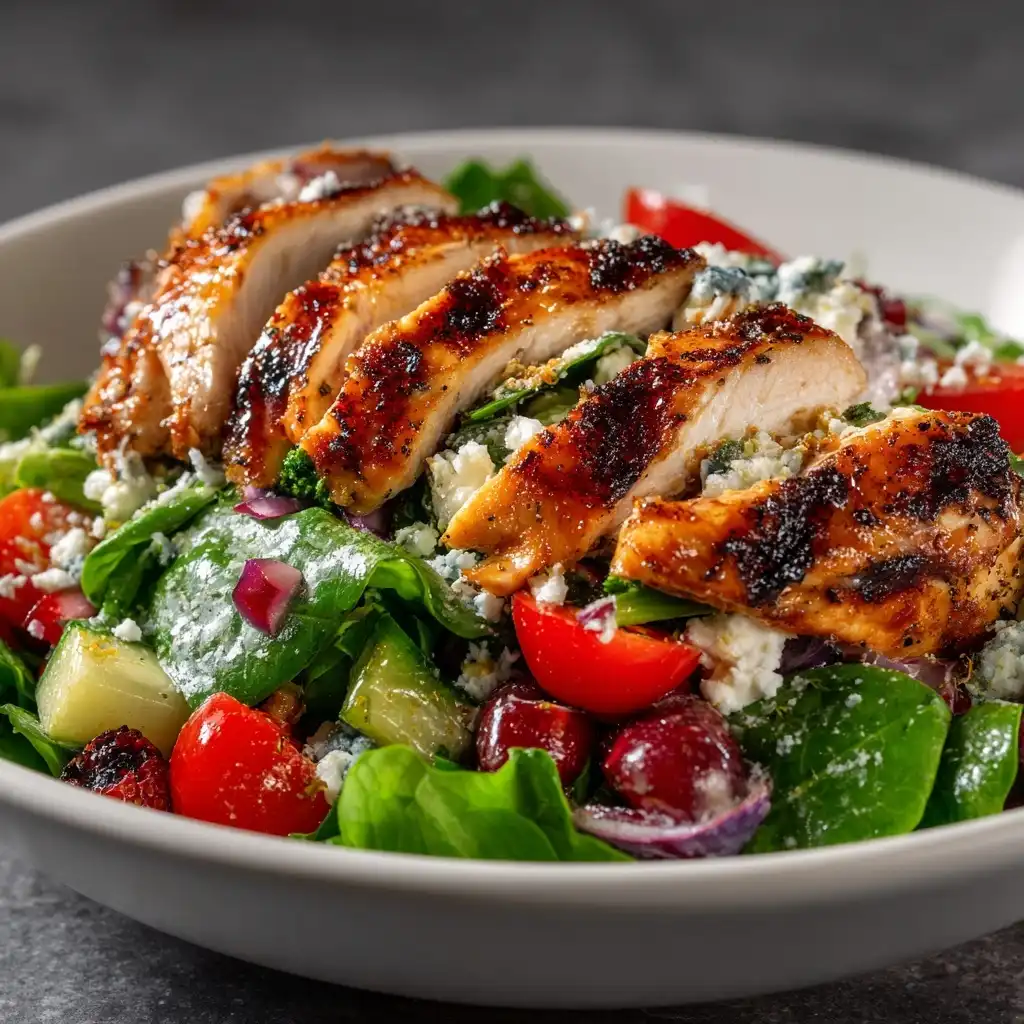
A Grilled Chicken Salad is more than just a healthy meal—it’s a vibrant, nutrient-dense celebration of fresh flavors, bold textures, and culinary simplicity. Combining tender, smoky grilled chicken with crisp greens, colorful vegetables, zesty herbs, and a well-balanced dressing, this dish effortlessly bridges the gap between nourishment and indulgence. Whether served as a light lunch, post-workout recovery plate, make-ahead weekday dinner, or elegant entertaining option, its versatility, speed of preparation, and satisfying balance make it a cornerstone of modern, health-conscious cooking. Its appeal spans dietary preferences—easily adaptable for keto, paleo, gluten-free, low-carb, dairy-free, and Whole30 lifestyles—without compromising on flavor or satiety.
The History
The origins of the grilled chicken salad trace back not to a single moment or culture, but to an evolutionary convergence of culinary traditions, health movements, and technological innovation. While salads themselves date to ancient Rome and Mesopotamia—where leafy greens were dressed with vinegar, oil, and herbs—the marriage of grilled poultry and raw produce gained prominence in mid-20th-century America. Post–World War II, rising affluence, suburban backyard grilling culture (fueled by the 1950s “barbecue boom”), and increased poultry farming made chicken both accessible and aspirational. The 1970s and ’80s brought heightened awareness of heart-healthy eating, with organizations like the American Heart Association promoting lean protein and vegetable-rich meals—solidifying grilled chicken’s role as a nutritional anchor. The 1990s saw the rise of café culture and fast-casual chains (e.g., Panera, Sweetgreen), which standardized and popularized composed grilled chicken salads as premium, customizable, and “clean-label” offerings. Today, the dish reflects global influences—from Mediterranean za’atar-spiced chicken over arugula and feta, to Asian-inspired sesame-ginger versions with shredded cabbage and edamame—proving its enduring adaptability across time, geography, and palate.
Ingredients Breakdown
Every exceptional grilled chicken salad begins with thoughtful, high-quality components—each playing a distinct functional and sensory role. Below is a comprehensive, chef-level breakdown:
- Chicken Breast (boneless, skinless): The protein foundation—lean, mild-flavored, and highly absorbent of marinades. Opt for air-chilled, antibiotic-free, or pasture-raised when possible for superior texture and ethical sourcing.
- Olive Oil (extra virgin): Used for marinating and grilling; contributes polyphenols, monounsaturated fats, and rich aroma. Acts as a heat buffer to prevent sticking and ensures even browning.
- Acid Component (lemon juice, lime juice, or apple cider vinegar): Tenderizes muscle fibers via mild denaturation, adds brightness, balances richness, and enhances perception of freshness.
- Aromatics (minced garlic, grated ginger, shallots): Provide enzymatic depth and pungent complexity—garlic’s allicin boosts antimicrobial properties; ginger adds warmth and digestive support.
- Dried & Fresh Herbs (oregano, thyme, rosemary, cilantro, basil, dill): Dried herbs offer concentrated earthiness and stability during grilling; fresh herbs contribute volatile oils, color, and aromatic lift upon finishing.
- Spices (smoked paprika, cumin, coriander, chili flakes, black pepper): Build layered warmth and subtle heat. Smoked paprika imparts grill-like depth without actual flame; toasted whole spices (when ground in-house) unlock superior fragrance.
- Sea Salt (preferably flaky or kosher): Enhances natural sweetness, controls moisture release, and synergizes with other seasonings. Critical for proper seasoning—not just surface-level, but penetrating via dry-brining (30+ minutes pre-grill).
- Base Greens (mixed baby spinach, romaine hearts, butter lettuce, arugula, frisée, radicchio): A strategic blend offers textural contrast (crisp vs. tender), bitterness (radicchio), peppery notes (arugula), and nutrient density (spinach’s iron and folate). Avoid iceberg for maximal phytonutrient payoff.
- Crunch Elements (cucumber ribbons, julienned bell peppers, shredded carrots, radishes, toasted nuts/seeds): Introduce structural integrity, mouthfeel variation, and complementary micronutrients (e.g., cucurbitacins in cucumber, beta-carotene in carrots, vitamin E in almonds).
- Color & Sweetness (cherry tomatoes, roasted beets, pomegranate arils, diced apple/pear, grilled peaches): Add visual appeal, natural sugars to round acidity, and polyphenol diversity (anthocyanins in beets, ellagic acid in pomegranate).
- Creamy/Umami Accents (avocado slices, crumbled feta/goat cheese, Kalamata olives, sun-dried tomatoes, capers): Provide fat-soluble flavor carriers, satiety signals, and savory depth—balancing lean protein and bitter greens.
- Dressing Base (Dijon mustard, Greek yogurt, tahini, miso paste, avocado oil): Emulsifiers and flavor amplifiers—Dijon stabilizes vinaigrettes and adds tang; Greek yogurt lends creaminess + probiotics; tahini contributes minerals and nutty richness; white miso adds fermented umami and gut-supportive enzymes.
- Finishing Touches (microgreens, edible flowers, lemon zest, flaky sea salt, cracked black pepper, drizzle of high-quality infused oil): Elevate aroma, visual finesse, and final flavor impression—activating olfactory receptors before the first bite.
Step-by-Step Recipe
- Prep the Chicken (30–60 min ahead): Pat chicken breasts completely dry with paper towels—moisture is the enemy of sear. Slice uniformly ¾-inch thick (or butterfly thicker cuts) for even cooking. In a non-reactive bowl, whisk together 3 tbsp extra virgin olive oil, 2 tbsp fresh lemon juice, 2 minced garlic cloves, 1 tsp Dijon mustard, 1 tsp smoked paprika, ½ tsp ground cumin, 1 tsp dried oregano, 1½ tsp flaky sea salt, and ½ tsp freshly cracked black pepper. Add chicken, turning to coat thoroughly. Cover and refrigerate 30 minutes (up to 4 hours—avoid longer to prevent texture breakdown from acid).
- Preheat & Prep Grill/Grill Pan: Heat gas grill to medium-high (400–425°F) or cast-iron grill pan over medium-high until smoking lightly. Clean grates thoroughly and oil generously with a folded paper towel dipped in neutral oil (e.g., avocado or grapeseed) using tongs.
- Grill the Chicken: Remove chicken from marinade, shaking off excess (reserve marinade for basting *only if boiled for 2+ minutes* to kill bacteria). Place chicken perpendicular to grates to achieve signature crosshatch marks. Grill undisturbed for 5–6 minutes until deep golden brown and easily releases. Flip and cook another 4–5 minutes until internal temperature reaches 165°F at thickest part (use instant-read thermometer). Transfer to a wire rack set over a tray; tent loosely with foil and rest 5–8 minutes—this allows juices to redistribute, yielding moist, succulent meat.
- Prep the Salad Components: While chicken rests, wash and spin-dry all greens. Slice cucumbers into half-moons, julienne red bell pepper and carrots, halve cherry tomatoes, thinly slice red onion, and pit and dice avocado. Toast ¼ cup slivered almonds in a dry skillet over medium-low until fragrant and golden (2–3 minutes)—cool completely.
- Make the Lemon-Herb Vinaigrette: In a small jar, combine ¼ cup extra virgin olive oil, 3 tbsp fresh lemon juice, 1 tsp Dijon mustard, 1 small minced shallot, 1 tbsp finely chopped fresh dill, 1 tbsp chopped fresh parsley, ½ tsp honey or maple syrup (optional for balance), ½ tsp flaky salt, and ¼ tsp black pepper. Seal and shake vigorously for 20 seconds until emulsified. Taste and adjust acid/salt/sweetness.
- Assemble with Intention: In a large, wide salad bowl, add greens first. Drizzle with ⅔ of the vinaigrette and toss gently with clean hands or tongs—coating evenly without bruising. Arrange grilled chicken slices diagonally across center. Artfully scatter vegetables, avocado, toasted almonds, and a light sprinkle of crumbled feta. Finish with remaining vinaigrette spooned over chicken, a dusting of lemon zest, microgreens, and flaky salt.
- Serve Immediately: Present family-style or portion individually. Offer extra lemon wedges and freshly cracked black pepper at the table for customization.
Tips
- Dry Brine for Deeper Flavor: For even more seasoned, juicy chicken, skip the wet marinade and instead rub chicken with 1 tsp salt per breast 1–2 hours before grilling—then proceed with dry spice rub just before cooking.
- Grill Temperature Control: Use the “hand test”—hold palm 5 inches above grate; if you can only hold for 2 seconds, it’s medium-high. Too hot = charred outside/raw inside; too cool = steamed, gray chicken.
- Marinade Safety: Never reuse raw chicken marinade unless boiled vigorously for ≥2 minutes. Better yet—reserve 1–2 tbsp *before* adding chicken for basting.
- Resting Is Non-Negotiable: Skipping the 5-minute rest causes up to 30% juice loss. Resting lets myosin proteins relax, trapping moisture within muscle fibers.
- Greens First, Dressing Second: Always dress salad *just before serving*. Tossing early wilts delicate leaves and leaches color/flavor from vegetables.
- Layering Order Matters: Place sturdier items (carrots, peppers, cucumbers) beneath greens to prevent sogginess; delicate items (avocado, herbs, cheese) go on top.
- Avocado Protection: Toss avocado pieces in ½ tsp lemon juice before adding to salad to inhibit enzymatic browning.
- Make-Ahead Smartness: Grill chicken and chop veggies up to 3 days ahead. Store separately: chicken chilled (up to 4 days) or frozen (up to 3 months); veggies in airtight containers lined with paper towel. Assemble day-of for peak freshness.
- Grill Pan Hack: For restaurant-quality sear indoors, preheat cast iron 10+ minutes, use high smoke-point oil, and avoid moving chicken until release is effortless.
- Flavor Layering: Add a pinch of finishing spice (e.g., sumac, za’atar, furikake) directly over finished salad for aromatic complexity that doesn’t cook off.
- Texture Contrast Strategy: Combine at least three textures—e.g., creamy (avocado), crunchy (almonds), and juicy (tomatoes)—to maximize sensory satisfaction and chewing efficiency.
- Season Every Component: Lightly salt cucumbers and tomatoes before assembling—they release water and dilute flavor if undersalted.
Variations and Customizations
This recipe is a dynamic canvas—here are 12 globally inspired, diet-aligned, and seasonally intelligent variations:
- Mediterranean Delight: Swap lemon vinaigrette for lemon-tahini dressing; add kalamata olives, quartered artichoke hearts, diced red onion, crumbled feta, and fresh mint and oregano.
- Southwest Fiesta: Marinate chicken in chipotle adobo, lime, and cumin; serve over romaine and black beans; top with corn kernels (grilled or roasted), avocado, pickled red onions, pepitas, and cilantro-lime crema.
- Asian Sesame-Ginger: Marinate chicken in tamari, rice vinegar, grated ginger, garlic, toasted sesame oil, and honey; serve on shredded Napa cabbage and spinach; garnish with edamame, mandarin segments, scallions, crispy chow mein noodles, and sesame seeds.
- Harvest Autumn: Grill chicken with maple-Dijon glaze; serve over massaged kale and baby spinach; top with roasted sweet potato cubes, sliced apples, candied pecans, crumbled blue cheese, and apple cider vinaigrette.
- Thai Peanut Power: Use peanut-ginger marinade; serve on mixed greens with shredded cabbage, carrots, cucumber ribbons, crushed peanuts, cilantro, and lime-peanut dressing (with a splash of fish sauce for authenticity).
- Keto-Crisp: Omit fruit and starchy veggies; load up on avocado, bacon bits, hard-boiled eggs, blanched asparagus, radishes, and blue cheese; dress with ranch or garlic-herb olive oil.
- Paleo-Friendly: Skip dairy and grains; use coconut aminos instead of soy-based sauces; add plantains (roasted), jicama sticks, macadamia nuts, and turmeric-lemon dressing.
- Vegan “Chicken” Option: Substitute marinated, grilled tempeh or king oyster mushroom “scallops”; use nutritional yeast “cheese,” hemp seeds, and lemon-dill vinaigrette.
- Low-Histamine Adaptation: Avoid aged cheeses, fermented dressings, spinach, and avocado; use peeled cucumber, zucchini ribbons, steamed green beans, chicken marinated in olive oil, lemon, and fresh herbs only.
- Whole30-Compliant: Eliminate honey, dairy, grains, legumes, and sulfites; use compliant mustard, avocado oil, fresh herbs, olives, and roasted beets with orange-tarragon vinaigrette.
- Meal-Prep Mason Jar Style: Layer dressing on bottom, then hearty veggies (cucumbers, carrots, peppers), then proteins (chicken, chickpeas), then greens on top. Seal and refrigerate up to 4 days—shake and pour into bowl when ready.
- Brunch Upgrade: Top with soft-poached egg, cherry tomatoes, micro arugula, and truffle vinaigrette—serve alongside whole-grain toast points.
Health Considerations and Nutritional Value
A well-constructed grilled chicken salad is one of the most nutritionally complete single-plate meals available—offering synergistic macro- and micronutrients, bioactive compounds, and functional benefits:
- High-Quality Lean Protein: A 5-oz grilled chicken breast delivers ~35g complete protein—containing all 9 essential amino acids crucial for muscle synthesis, enzyme production, immune function, and satiety signaling (via peptide YY and GLP-1 hormone modulation).
- Heart-Healthy Fats: Extra virgin olive oil provides oleic acid (a monounsaturated fat shown to reduce LDL oxidation and improve endothelial function) plus antioxidant polyphenols like oleuropein and hydroxytyrosol.
- Fiber-Rich Phytonutrient Diversity: Mixed greens supply vitamins A, C, and K; folate; magnesium; and nitrates that support nitric oxide production (vasodilation and blood pressure regulation). Cruciferous elements (arugula, radicchio) contain sulforaphane—potent detoxification and anti-inflammatory compound.
- Antioxidant Powerhouse: Colorful produce contributes anthocyanins (blue/purple), lycopene (red), lutein (green), and beta-cryptoxanthin (orange)—collectively reducing oxidative stress, supporting cognitive health, and lowering chronic disease risk.
- Gut Microbiome Support: Prebiotic fibers from vegetables feed beneficial Bifidobacteria and Lactobacillus strains; fermented dressings (e.g., with miso or yogurt) introduce live probiotics—enhancing digestion, immunity, and even mood regulation via the gut-brain axis.
- Blood Sugar Balance: Low glycemic load, high fiber, and protein content slow glucose absorption—ideal for insulin sensitivity and metabolic health. Avoid sugary dressings or dried fruits to maintain stability.
- Anti-Inflammatory Profile: Omega-3s from walnuts or flax, curcumin from turmeric (if used), gingerols, and polyphenols collectively inhibit NF-kB pathway activation—reducing systemic inflammation linked to arthritis, cardiovascular disease, and neurodegeneration.
- Weight Management Friendly: High volume, low energy density, strong satiety signals, and thermogenic effect of protein digestion (~20–30% of calories burned during metabolism) make it ideal for sustainable weight goals.
- Considerations for Special Populations: Those with kidney disease should moderate high-potassium ingredients (spinach, avocado, tomatoes); individuals on blood thinners (warfarin) should maintain consistent vitamin K intake (e.g., don’t omit greens erratically); histamine-sensitive individuals may need to avoid aged cheeses, fermented items, and certain greens like spinach.
- Nutrition Snapshot (Approximate per Serving, Standard Recipe): Calories: 520–650 | Protein: 42g | Healthy Fat: 28g (mostly MUFA/PUFA) | Net Carbs: 14g | Fiber: 8g | Sodium: 580mg (adjustable via salt control) | Rich in Vitamins A, C, D, E, K, B6, B12, Folate, Iron, Zinc, Magnesium, Potassium, Selenium.
Ingredients
- 2 (6–8 oz) boneless, skinless chicken breasts, pounded to ¾-inch thickness
- 3 tbsp extra virgin olive oil, plus more for grilling
- 2 tbsp fresh lemon juice (about 1 lemon)
- 2 garlic cloves, minced
- 1 tsp Dijon mustard
- 1 tsp smoked paprika
- ½ tsp ground cumin
- 1 tsp dried oregano
- 1½ tsp flaky sea salt (such as Maldon), divided
- ½ tsp freshly cracked black pepper
- 6 cups mixed salad greens (baby spinach, romaine, arugula, frisée)
- 1 medium English cucumber, thinly sliced into half-moons
- 1 red bell pepper, julienned
- 1 cup cherry tomatoes, halved
- 1 medium carrot, peeled and julienned
- ½ small red onion, very thinly sliced
- 1 ripe avocado, sliced
- ¼ cup slivered almonds, toasted
- 2 tbsp crumbled feta cheese (optional)
- Lemon zest and fresh dill or parsley for garnish
For Lemon-Herb Vinaigrette:
- ¼ cup extra virgin olive oil
- 3 tbsp fresh lemon juice
- 1 tsp Dijon mustard
- 1 small shallot, finely minced
- 1 tbsp fresh dill, finely chopped
- 1 tbsp fresh parsley, finely chopped
- ½ tsp honey or pure maple syrup (optional)
- ½ tsp flaky sea salt
- ¼ tsp freshly cracked black pepper
Directions
- Marinate the Chicken: In a medium bowl, whisk together 3 tbsp olive oil, 2 tbsp lemon juice, minced garlic, Dijon mustard, smoked paprika, cumin, oregano, 1 tsp flaky salt, and black pepper. Add chicken breasts and turn to coat evenly. Cover and refrigerate for 30 minutes (or up to 4 hours).
- Preheat Grill or Grill Pan: Heat outdoor grill or heavy-duty grill pan over medium-high heat (400–425°F). Clean grates thoroughly and lightly oil with neutral oil using tongs and a paper towel.
- Grill the Chicken: Remove chicken from marinade, letting excess drip off. Discard used marinade or boil for 2+ minutes if reserving for basting. Place chicken on hot grill at a 45° angle to grates. Cook undisturbed for 5–6 minutes until deeply seared and easily releases. Flip and cook another 4–5 minutes until internal temperature reaches 165°F. Transfer to a wire rack; tent with foil and rest 5–8 minutes.
- Prepare Vegetables: While chicken rests, wash and thoroughly dry greens. Prepare all vegetables as directed. Toast almonds in a dry skillet over medium-low heat 2–3 minutes until golden and fragrant; cool completely.
- Make the Dressing: In a small jar, combine all vinaigrette ingredients. Seal tightly and shake vigorously for 20 seconds until smooth and emulsified. Taste and adjust seasoning.
- Assemble the Salad: In a large salad bowl, add greens. Drizzle with ⅔ of the vinaigrette and gently toss. Arrange rested chicken slices over greens. Scatter cucumber, bell pepper, tomatoes, carrot, red onion, avocado, toasted almonds, and feta (if using). Drizzle remaining vinaigrette over chicken. Garnish with lemon zest, fresh herbs, and a pinch of flaky salt.
- Serve Immediately: Enjoy right away for optimal texture and vibrancy. Serve with extra lemon wedges and freshly cracked black pepper on the side.
FAQ
- Can I bake or pan-sear the chicken instead of grilling?
- Absolutely. For baking: preheat oven to 400°F; place marinated chicken on parchment-lined baking sheet; bake 18–22 minutes until 165°F. For pan-searing: heat 1 tbsp oil in stainless or cast iron over medium-high; sear 5–6 min per side. Both yield delicious results—grilling simply adds irreplaceable smoky complexity.
- How do I keep the salad from getting soggy?
- Three keys: (1) Dry greens *thoroughly* after washing—use a salad spinner and pat with towels; (2) Dress salad *immediately before serving*, never ahead; (3) Store components separately if prepping in advance—especially wet items (tomatoes, cucumbers) and dressings.
- What’s the best way to reheat leftover grilled chicken?
- Avoid microwaving—it dries out meat. Instead, gently warm slices in a covered skillet over low heat with 1 tsp broth or water for 2–3 minutes, flipping once. Or enjoy cold—it’s equally delicious and retains texture.
- Can I use chicken thighs instead of breasts?
- Yes—and they’re often more forgiving! Boneless, skinless thighs stay juicier longer. Adjust grill time to 6–7 minutes per side (target 175°F). They also carry more heart-healthy monounsaturated fat and iron.
- Is this salad gluten-free and dairy-free?
- Yes, in its base form. Ensure Dijon mustard is certified gluten-free (some contain malt vinegar), and skip feta or choose a dairy-free alternative (e.g., almond-based feta) for strict dairy-free needs.
- How long will leftovers keep?
- Properly stored (chicken and veggies separate, in airtight containers), grilled chicken lasts 3–4 days refrigerated; chopped raw vegetables last 4–5 days. Assembled salad is best eaten same-day.
- What dressing substitutions work if I’m avoiding added sugar?
- Replace honey/maple syrup with a pinch of ripe banana puree, unsweetened applesauce, or omit entirely—the natural sweetness of vegetables and lemon balance acidity beautifully.
- Why does my chicken always stick to the grill?
- Three culprits: (1) Grates not hot enough—preheat minimum 10 minutes; (2) Chicken not dry—pat thoroughly before oiling; (3) Moving too soon—wait until it releases naturally. Oil the *chicken*, not just the grates, for insurance.
- Can I freeze grilled chicken for future salads?
- Yes! Cool completely, portion into freezer bags with marinade or olive oil, remove air, and freeze up to 3 months. Thaw overnight in fridge—never at room temperature. Reheat gently as above.
- What makes this salad “restaurant-quality”?
- It’s the trifecta: (1) Properly rested, flavorful chicken with caramelized edges; (2) Thoughtful layering—texture, color, temperature, and seasoning at every level; (3) Hand-emulsified, bright, balanced dressing applied with intention—not drenched, but enhanced.
Summary
A Grilled Chicken Salad is a masterclass in intentional, nutrient-dense eating—marrying fire-kissed, herb-infused protein with a rainbow of raw, roasted, and fermented vegetables, all bound by a vibrant, emulsified dressing and finished with artisanal touches.
It’s endlessly customizable across cuisines and dietary frameworks, supports metabolic health and gut resilience, and transforms simple ingredients into a restaurant-worthy experience—all in under 30 minutes with minimal cleanup.