
Introduction
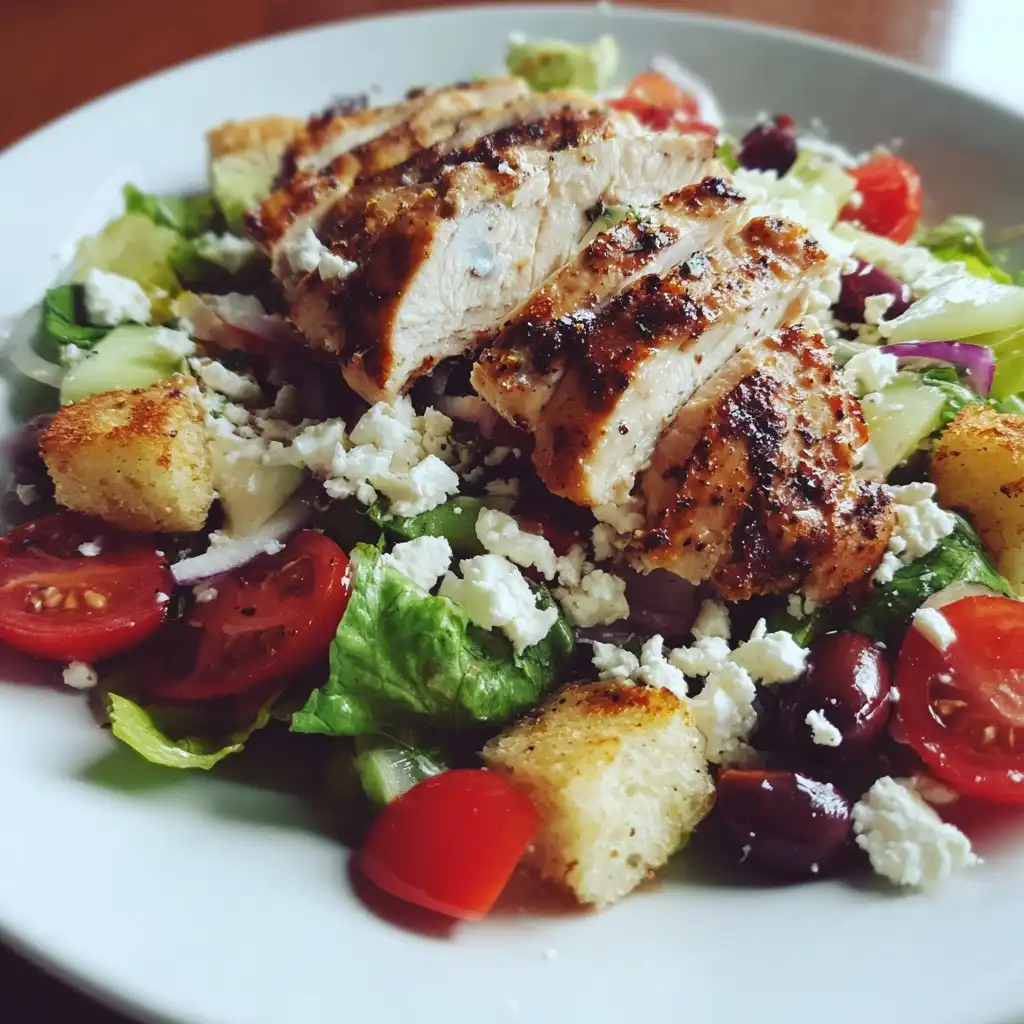
Greek Chicken Salad is a vibrant, nutrient-dense, and timelessly refreshing dish that marries the bold flavors of the Mediterranean with lean protein and crisp, colorful vegetables. More than just a lunch option, it’s a celebration of simplicity, freshness, and balance—where every bite delivers zesty lemon, briny feta, herbaceous oregano, and the satisfying tenderness of grilled chicken. Whether served as a light dinner, a hearty picnic centerpiece, or a make-ahead meal prep staple, this salad embodies the essence of Greek culinary philosophy: high-quality, minimally processed ingredients treated with respect and seasoned thoughtfully. Its versatility makes it equally at home on a rustic café table in Santorini or a modern urban kitchen in Chicago—and its growing popularity reflects a global shift toward wholesome, flavorful, and satisfying plant-and-protein-forward meals.
The History
The origins of Greek Chicken Salad are best understood not as a single documented recipe from antiquity, but as an elegant evolution rooted in centuries of Mediterranean foodways. Traditional Greek salads—or horiatiki—date back to at least the early 20th century, with historical references appearing in Greek cookbooks from the 1920s and 1930s. These early versions emphasized seasonal, local produce: ripe tomatoes, crisp cucumbers, red onions, green bell peppers, Kalamata olives, and creamy feta cheese—all dressed simply with extra virgin olive oil, red wine vinegar, dried oregano, and a pinch of salt. Chicken, however, was historically a less frequent addition; in rural Greece, poultry was often reserved for special occasions due to cost and availability. It wasn’t until the mid-to-late 20th century—particularly following Greece’s post-war economic development and increased global exchange—that grilled or roasted chicken began appearing regularly in taverna menus as a protein upgrade to classic vegetable-based salads. The “Greek Chicken Salad” as we know it today gained widespread traction in North America and Western Europe during the 1980s and 1990s, buoyed by the rise of health-conscious dining trends, the popularity of Mediterranean diet research (notably the landmark Seven Countries Study published in 1970), and the proliferation of Greek-inspired fast-casual concepts. Today, it stands as a globally recognized fusion dish—authentically grounded in Greek pantry staples yet thoughtfully adapted to modern dietary preferences, including meal prepping, high-protein nutrition goals, and vegetarian-friendly variations.
Ingredients Breakdown
Every ingredient in Greek Chicken Salad plays a deliberate role—not only in flavor and texture but also in nutritional synergy and cultural authenticity. Below is a detailed breakdown of each component, including sourcing notes, functional purpose, and traditional alternatives:
- Chicken Breast (boneless, skinless): The protein foundation—lean, mild in flavor, and highly absorbent of marinades. Opt for organic, air-chilled, or pasture-raised when possible for superior texture and ethical sourcing. Can be substituted with chicken thighs (for added juiciness and richness) or rotisserie chicken for convenience.
- Extra Virgin Olive Oil (EVOO): Not merely a dressing base—but the soul of the dish. Authentic Greek EVOO (e.g., Koroneiki or Kolovi varietals) offers peppery, grassy, and slightly bitter notes that balance acidity and enhance polyphenol absorption. Cold-pressed and unfiltered options provide maximum antioxidant benefit.
- Fresh Lemon Juice: Provides bright, clean acidity that cuts through richness, activates herbal aromas, and aids iron absorption from greens and legumes. Bottled juice lacks volatile citrus oils and enzymatic freshness—always use freshly squeezed.
- Kalamata Olives: Briny, meaty, and subtly fruity—these PDO-protected Greek olives contribute umami depth, healthy monounsaturated fats, and a signature visual contrast. Pitted olives are recommended for safety and ease of eating. Substitute only with other Greek-style purple olives (e.g., Halkidiki) if unavailable.
- Feta Cheese (sheep’s milk or sheep/goat blend): Crumbly, tangy, and salty—authentic Greek feta (PDO-certified) is made from at least 70% sheep’s milk and aged in brine for minimum 2 months. Its sharpness balances sweetness from tomatoes and mellows under olive oil. Vegan alternatives include almond- or tofu-based feta infused with lemon, capers, and nutritional yeast—but these alter the traditional profile significantly.
- Cucumber (English or Persian preferred): Chosen for thin, tender skin and minimal seeds—providing cool crunch without excess water. Sliced thinly or half-moon cut for optimal mouthfeel. Traditional Greek varieties like ‘Koukouva’ or ‘Tzatziki cucumber’ are ideal but rarely exported.
- Roma or Heirloom Tomatoes: Low-moisture, high-flavor cultivars ensure structural integrity and concentrated sweetness. Vine-ripened tomatoes offer superior lycopene bioavailability—especially when paired with olive oil. Avoid hothouse or winter tomatoes unless exceptionally ripe.
- Red Onion (thinly sliced & soaked): Adds pungent sweetness and vibrant color. Soaking in cold water + 1 tsp vinegar for 10 minutes tames harsh sulfur compounds while preserving crispness—a hallmark of professional Greek preparation.
- Green Bell Pepper (or roasted red pepper): Offers vegetal sweetness and subtle bitterness. Roasted red peppers add smokiness and depth—common in regional variations from Crete and Thessaly.
- Fresh Herbs (oregano & dill): Dried Greek oregano (Origanum vulgare subsp. hirtum) is essential for its camphorous, earthy warmth—complementing olive oil and feta. Fresh dill adds delicate anise-like brightness and is especially common in northern Greek preparations.
- Cracked Black Pepper & Sea Salt: Coarse sea salt (e.g., Florina or Messolonghi salt) enhances natural flavors without overpowering; freshly cracked Tellicherry black pepper contributes aromatic complexity and piperine—which boosts curcumin and other phytonutrient absorption.
- Optional Additions: Chickpeas (for fiber and plant protein), pepperoncini (for gentle heat), capers (for extra brine), toasted pine nuts or slivered almonds (for crunch and vitamin E), and baby spinach or romaine (for volume and nutrient density).
Step-by-Step Recipe
- Prepare the Chicken Marinade: In a non-reactive bowl, whisk together ¼ cup extra virgin olive oil, juice of 1 large lemon (approx. 3 tbsp), 2 minced garlic cloves, 1 tsp dried Greek oregano, ½ tsp sea salt, ¼ tsp freshly cracked black pepper, and ½ tsp smoked paprika (optional, for depth). Add 1 lb boneless, skinless chicken breasts—pounded to even ½-inch thickness—and coat thoroughly. Marinate refrigerated for minimum 30 minutes (ideal: 2–4 hours; do not exceed 24 hours, as acid can begin to break down muscle fibers).
- Grill or Pan-Sear the Chicken: Preheat grill or heavy-bottomed skillet over medium-high heat. Lightly oil grates or pan. Cook chicken 5–6 minutes per side, or until internal temperature reaches 165°F (74°C) and juices run clear. Transfer to a cutting board; tent loosely with foil and rest 5–8 minutes to retain moisture. Slice against the grain into thin, even strips or bite-sized cubes.
- Prep the Vegetables: While chicken rests, slice 1 English cucumber (½-inch half-moons), 2 medium Roma tomatoes (wedges, seeds gently scooped if very juicy), ½ medium red onion (thin rings, soaked 10 min in ice water + 1 tsp vinegar), 1 small green bell pepper (thin strips), and ½ cup pitted Kalamata olives. Pat all vegetables dry with clean paper towels—this prevents dilution of the dressing.
- Make the Dressing: In a small jar, combine 3 tbsp extra virgin olive oil, juice of ½ lemon, 1 tsp red wine vinegar, ½ tsp dried oregano, ¼ tsp sea salt, and a generous grind of black pepper. Shake vigorously for 20 seconds until emulsified. Adjust acidity or salt to taste.
- Assemble with Care: In a large, wide salad bowl, layer vegetables first—cucumber, tomato, onion, pepper, olives. Gently toss with half the dressing to lightly coat. Top evenly with sliced chicken and ¾ cup crumbled feta. Drizzle remaining dressing over top. Do not toss fully yet—this preserves texture and prevents feta from breaking down.
- Finish & Serve: Just before serving, sprinkle with additional dried oregano, a final crack of black pepper, and optional fresh dill or mint. Toss gently tableside—or serve deconstructed for visual appeal. For best results, serve within 15–20 minutes of final assembly to maintain crispness and vibrancy.
Tips
- Marinate Smart, Not Long: While longer marination seems beneficial, acidic components (lemon, vinegar) can cause chicken to become mushy beyond 4 hours. For deeper flavor without texture loss, consider a two-stage method: marinate 30 minutes in oil/oregano/garlic only, then add citrus in the last 15 minutes before cooking.
- Rest Is Non-Negotiable: Skipping the resting step causes up to 30% moisture loss when slicing. Resting allows muscle fibers to reabsorb juices—resulting in succulent, tender chicken every time.
- Dry Your Veggies: Excess surface water is the #1 cause of soggy Greek salad. Always pat tomatoes, cucumbers, and onions dry—even if they look “just fine.” A salad spinner is invaluable here.
- Chill Components Separately for Meal Prep: To keep salad fresh for 3–4 days, store chicken, chopped veggies, feta, and dressing in separate airtight containers. Assemble portions the night before or morning of eating—never premix wet and dry elements.
- Use a Heavy Knife for Feta: A dull or serrated knife will crumble feta aggressively. Use a thin, sharp chef’s knife dipped in cold water before each cut for clean, intact crumbles.
- Toast Your Oregano: Briefly warming 1 tsp dried oregano in a dry pan over low heat for 30–45 seconds releases essential oils and deepens aroma—add it to dressing or sprinkle on top just before serving.
- Acidity Balance Trick: If your lemon tastes overly sharp, add ¼ tsp raw honey or a pinch of grated apple to the dressing—it won’t make it sweet, but rounds out acidity and harmonizes flavors.
- Serve on Chilled Plates: Especially in warm weather—chilling plates or bowls for 10 minutes in the freezer enhances freshness perception and helps maintain ideal serving temperature (50–55°F).
- Respect the Olive Oil Finish: Always drizzle a final teaspoon of high-quality EVOO across the finished salad just before serving—it adds aromatic lift and glossy sheen that signals authenticity.
- Salad “Breathing” Time: Let assembled salad sit undressed for 3–5 minutes before tossing—this allows vegetables to soften *just enough*, making them more receptive to dressing without becoming limp.
Variations and Customizations
Greek Chicken Salad is inherently adaptable—respecting tradition while welcoming creativity. Below are meticulously curated variations, each with cultural context, dietary alignment, and practical execution notes:
- Mediterranean Grain Bowl: Add ¾ cup cooked farro, freekeh, or bulgur wheat for sustained energy and chewy texture. Toast grains in olive oil before cooking for nuttiness. Ideal for post-workout recovery or vegetarian adaptations (swap chicken for spiced chickpeas).
- Grilled Vegetable Fusion: Elevate summer freshness with charred zucchini ribbons, grilled eggplant cubes, and blistered cherry tomatoes—tossed in lemon-thyme vinaigrette before joining the main salad. Inspired by island tavernas in Mykonos and Paros.
- Low-Carb / Keto Version: Replace tomatoes and bell peppers with finely shredded radicchio, julienned kohlrabi, and celery. Boost fat with 2 tbsp chopped walnuts and 1 tbsp hemp hearts. Use full-fat feta and double the olive oil in dressing.
- Paleo & Whole30 Compliant: Omit feta and olives (both contain dairy or additives); substitute with avocado slices, sun-dried tomatoes (oil-packed, no sugar), and marinated artichoke hearts. Use compliant coconut aminos instead of vinegar for tang.
- Vegan “Hellenic” Salad: Replace chicken with marinated baked tofu or tempeh (marinated in lemon, oregano, garlic, and tamari), feta with house-made almond-feta (blanched almonds + lemon juice + miso + capers), and olives with nicoise-style olives or pickled green beans.
- Breakfast Greek Salad: Transform into a savory morning meal: add soft-scrambled eggs, crumbled goat cheese, and a dusting of sumac. Serve with warm pita triangles or za’atar-spiced flatbread.
- Mezze-Style Deconstructed Platter: Arrange components family-style on a large wooden board: chilled chicken skewers, feta cubes wrapped in grape leaves, lemon wedges, olives in herb oil, tzatziki ramekin, and warm pita. Encourages communal dining and customizable bites.
- Spicy Aegean Twist: Infuse dressing with ½ tsp crushed Aleppo pepper or ¼ tsp ground dried chilies. Garnish with pickled jalapeños and a swirl of harissa-tahini drizzle—nodding to cross-cultural Levantine influences in coastal Greece.
- Herb-Forward “Vrastika” Style: Inspired by mountain villages in Arcadia, load up on fresh herbs: double the dill, add chopped mint and parsley, and finish with lemon zest and edible viola flowers for fragrance and color.
- Seafood Integration: Add ½ cup grilled calamari rings or flaked grilled sardines (traditional in coastal islands) for omega-3 enrichment—pair with lemon-oregano aioli instead of standard dressing.
Health Considerations and Nutritional Value
A standard 2-cup serving (approx. 420g) of homemade Greek Chicken Salad—with 4 oz grilled chicken breast, 1 tbsp olive oil, 1 oz feta, and full vegetable complement—delivers an exceptional micronutrient and macronutrient profile aligned with evidence-based wellness principles:
- Macronutrient Profile (approx.): 420 kcal | 34g protein | 26g healthy fats (predominantly monounsaturated) | 12g total carbs (5g fiber, 6g natural sugars) | 0g added sugar.
- Cardiovascular Support: Rich in oleocanthal (anti-inflammatory compound in EVOO), potassium (from tomatoes, cucumber, olives), and nitric oxide-boosting nitrates (from leafy greens if added)—all clinically associated with reduced blood pressure and arterial stiffness.
- Antioxidant Density: Contains >20 unique phytonutrients: lycopene (bioavailable in oil-dressed tomatoes), hydroxytyrosol (in olives), quercetin (onions), apigenin (parsley/dill), and ellagic acid (pomegranate molasses variation). ORAC score exceeds 2,500 μmol TE/100g.
- Gut Microbiome Benefits: Prebiotic fibers from onions, garlic, and olives feed beneficial Bifidobacterium and Lactobacillus; fermented elements (e.g., unpasteurized olives or kefir-based dressings) introduce probiotics.
- Metabolic & Blood Sugar Friendly: Low glycemic load (GL ≈ 4), high satiety index (thanks to protein + fat + fiber), and polyphenols shown to improve insulin sensitivity (e.g., oleuropein in olive leaf extract).
- Considerations for Special Diets:
- Gluten-Free: Naturally compliant—verify spice blends and marinades are certified GF.
- Dairy Sensitivity: Feta contains casein and whey; opt for lactose-free feta (aged >6 months) or plant-based alternatives.
- Sodium Management: Traditional feta and olives are sodium-rich (~320mg feta, ~180mg olives per serving); reduce portion sizes or rinse olives briefly. Use low-sodium sea salt and emphasize potassium-rich vegetables to balance electrolytes.
- Low-Histamine Adaptation: Avoid aged feta, olives, and fermented elements; substitute with fresh goat cheese, cucumber, zucchini, and lemon-infused olive oil.
- Functional Food Synergy: Vitamin C (lemon, tomatoes) enhances non-heme iron absorption from greens and legumes; fat-soluble vitamins (A, D, E, K) are optimally absorbed with EVOO; black pepper’s piperine increases bioavailability of curcumin (if turmeric added) and resveratrol.
- Clinical Relevance: Aligns with the MIND and Mediterranean diets—both associated in longitudinal studies (e.g., PREDIMED trial) with 30% lower risk of cognitive decline, 25% reduced incidence of type 2 diabetes, and improved endothelial function in hypertensive patients.
Ingredients
- 1 pound boneless, skinless chicken breasts (or thighs), pounded to ½-inch thickness
- ¼ cup extra virgin olive oil (high-quality, Greek-sourced preferred), divided
- 3 tablespoons freshly squeezed lemon juice (about 1 large lemon), divided
- 2 garlic cloves, minced
- 1 teaspoon dried Greek oregano, plus extra for garnish
- ½ teaspoon sea salt, divided
- ¼ teaspoon freshly cracked black pepper, divided
- 1 English cucumber, thinly sliced into half-moons
- 2 medium Roma tomatoes, cored and cut into wedges
- ½ medium red onion, very thinly sliced and soaked in ice water + 1 tsp vinegar for 10 minutes
- 1 small green bell pepper, thinly sliced
- ½ cup pitted Kalamata olives
- ¾ cup crumbled authentic Greek feta cheese (sheep’s milk preferred)
- 1 tablespoon red wine vinegar (optional, for dressing brightness)
- Fresh dill or mint, for garnish (optional)
Directions
- In a medium bowl, whisk together 2 tablespoons olive oil, 2 tablespoons lemon juice, minced garlic, 1 teaspoon dried oregano, ¼ teaspoon salt, and ⅛ teaspoon black pepper. Add chicken and turn to coat evenly. Marinate at room temperature for 30 minutes (or refrigerate up to 4 hours).
- Heat remaining 2 tablespoons olive oil in a heavy skillet or on a grill over medium-high heat. Remove chicken from marinade (reserve marinade) and cook 5–6 minutes per side, or until internal temperature reaches 165°F. Transfer to a cutting board, tent with foil, and rest 7 minutes.
- While chicken rests, prepare vegetables: drain and pat dry soaked red onion; combine cucumber, tomatoes, pepper, and olives in a large salad bowl.
- In a small jar, combine reserved marinade, remaining 1 tablespoon lemon juice, red wine vinegar (if using), remaining ¼ teaspoon salt, remaining ⅛ teaspoon black pepper, and shake well.
- Slice rested chicken against the grain into ½-inch strips. Add to vegetable mixture. Pour dressing over top and toss gently to coat.
- Top with crumbled feta, a final drizzle of olive oil, extra oregano, and fresh dill or mint. Serve immediately—or chill 15 minutes for enhanced flavor melding.
FAQ
- Can I make this salad ahead of time?
- Yes—with smart separation. Cook and cool chicken completely; chop vegetables and store separately in airtight containers lined with paper towel; keep feta and olives in brine or covered with olive oil; store dressing chilled. Assemble no more than 30 minutes before serving for optimal texture. Fully assembled salad holds up to 2 hours refrigerated—but cucumbers soften and tomatoes release liquid over time.
- What’s the best way to reheat leftover chicken without drying it out?
- Avoid microwaving. Instead, gently warm slices in a skillet with 1 tsp olive oil and 1 tsp lemon juice over low heat for 60–90 seconds per side—or steam over simmering water for 2 minutes. This preserves moisture and reheats evenly.
- Is store-bought rotisserie chicken acceptable?
- Absolutely—for convenience—but check labels carefully. Choose options with no added sugars, MSG, or excessive sodium. Remove skin and rinse briefly under cold water to reduce surface salt. Toss warm chicken with 1 tsp lemon juice and ½ tsp oregano before adding to salad to refresh flavor.
- Can I freeze Greek Chicken Salad?
- Not recommended in assembled form—freezing destroys vegetable cell structure (cucumbers become mushy, tomatoes watery, feta grainy). However, cooked chicken freezes beautifully for up to 3 months: slice, portion, and freeze in vacuum-sealed or double-bagged containers. Thaw overnight in fridge before use.
- Why does my feta taste overly salty or bitter?
- Authentic Greek feta should be tangy and pleasantly saline—not harsh. Over-salting usually stems from poor-quality feta (made with cow’s milk or excessive brine), or using pre-crumbled feta (which oxidizes and develops off-flavors). Always buy block feta packed in brine, store submerged in its liquid, and rinse lightly before crumbling if needed.
- What kind of pita pairs best with this salad?
- Traditional Greek pita is soft, slightly chewy, and pocketless—often brushed with olive oil and sprinkled with sesame or za’atar before warming. For gluten-free, try almond flour flatbread or grilled cauliflower “pita” rounds. Warm pita alongside salad—not inside it—to preserve structural integrity.
- How can I boost protein further for athletes or postpartum recovery?
- Add 2 tbsp hemp hearts (10g protein), ¼ cup cooked lentils (9g), or 1 hard-boiled egg (6g). For maximal leucine content (critical for muscle synthesis), pair with 1 scoop unflavored hydrolyzed collagen or whey isolate blended into lemon-herb vinaigrette.
- Are Kalamata olives essential—or can I substitute?
- For authenticity, yes—they’re protected by PDO status and irreplaceable in flavor profile. That said, high-quality, brine-cured Greek-style purple olives (e.g., Conservolea or Amfissa) are acceptable alternatives. Avoid canned black olives or green olives—they lack the fruit-forward, wine-like complexity required.
- My salad tastes flat—what’s missing?
- Most commonly: insufficient acidity (add lemon zest or extra ½ tsp vinegar), underseasoned vegetables (taste and adjust salt *before* adding feta), or stale dried oregano (replace yearly). Also verify your olive oil is fresh—rancid oil masks other flavors entirely.
- Can children enjoy this salad?
- Yes—with thoughtful adaptation: omit raw onion or soak longer; reduce oregano to ½ tsp; use mild feta (aged 3–4 months); add diced apple or pear for natural sweetness; serve with whole-grain pita sticks for dipping. Introduce flavors gradually—many kids love the creamy feta and briny olives once accustomed.
Summary
Greek Chicken Salad is a masterclass in Mediterranean harmony—uniting lean grilled chicken, vibrant seasonal vegetables, briny Kalamata olives, crumbled tangy feta, and a bright lemon-oregano dressing anchored by premium extra virgin olive oil.
It’s nutritionally exceptional—rich in anti-inflammatory fats, plant-powered antioxidants, high-quality protein, and gut-nourishing fibers—while remaining endlessly customizable for dietary needs, seasonal availability, and culinary creativity.