
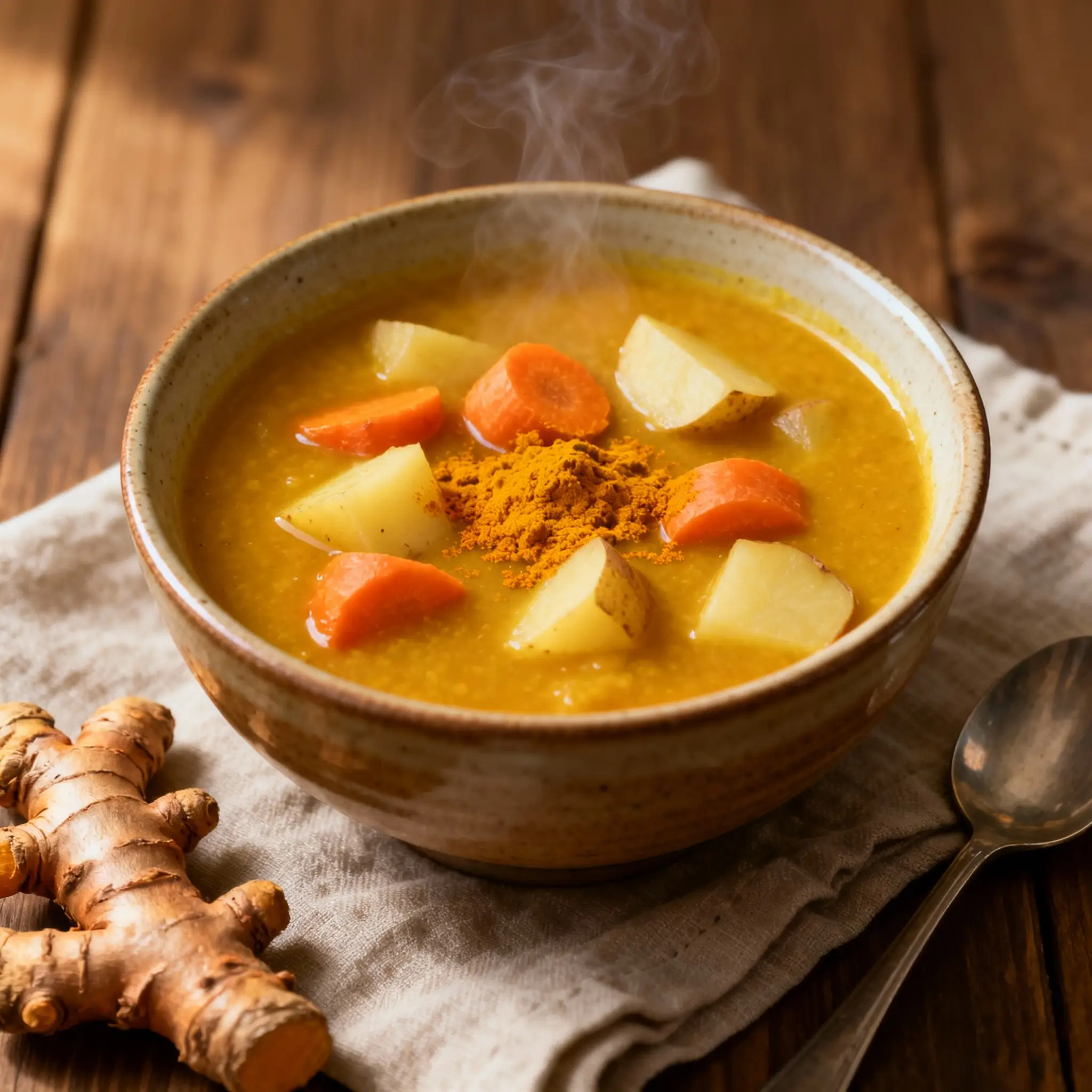
Golden Turmeric Healing Soup: A Warm Elixir of Wellness
The Golden Turmeric Healing Soup is more than just a bowl of comfort—it’s a vibrant, nourishing elixir rooted in ancient wellness traditions. Revered for its anti-inflammatory properties and immune-boosting benefits, this golden-hued soup has gained modern popularity as both a culinary delight and a functional food. Whether you’re seeking relief from seasonal colds, digestive discomfort, or simply craving a soothing, nutrient-dense meal, this soup delivers on every level. Crafted with turmeric as the star ingredient, it blends earthy spices, fresh vegetables, and aromatic herbs into a harmonious broth that warms the soul and supports overall health.
The History Behind the Golden Glow
Turmeric, the vibrant yellow-orange spice derived from the root of Curcuma longa, has been used for over 4,000 years in Ayurvedic and traditional Chinese medicine. Originating in South Asia, particularly India, turmeric was historically prized not only as a culinary spice but also as a sacred herb used in rituals, skincare, and healing practices. Known as “Indian saffron” for its rich color, it played a central role in holistic wellness due to its active compound—curcumin—which possesses powerful antioxidant and anti-inflammatory properties.
The concept of healing soups infused with turmeric dates back centuries, where warm broths seasoned with turmeric, ginger, black pepper, and ghee were administered to support digestion, reduce inflammation, and purify the body. In Ayurveda, turmeric is considered a tridoshic herb, meaning it balances all three doshas (Vata, Pitta, and Kapha), making it suitable for nearly everyone. As global interest in plant-based healing and functional foods grows, the Golden Turmeric Healing Soup emerges as a modern reinterpretation of these time-honored traditions—blending ancient wisdom with contemporary taste preferences and nutritional science.
Ingredients Breakdown: What Makes This Soup So Powerful?
The magic of Golden Turmeric Healing Soup lies in its thoughtfully selected ingredients, each contributing not only to flavor but also to therapeutic value. Here’s a detailed look at what goes into this radiant dish:
- Fresh Turmeric Root or Ground Turmeric: The cornerstone of the soup, fresh turmeric offers a more potent, earthy, and slightly peppery flavor compared to its dried counterpart. It contains curcumin, which has been extensively studied for reducing oxidative stress and chronic inflammation.
- Fresh Ginger: Adds a zesty warmth and enhances digestion while supporting immune function. Gingerol, its active compound, complements curcumin’s effects.
- Garlic and Onion: These alliums bring depth and umami while offering antimicrobial, cardiovascular, and immune-supportive properties.
- Carrots and Sweet Potatoes: Rich in beta-carotene and fiber, they add natural sweetness, promote gut health, and contribute to the soup’s velvety texture when blended.
- Coconut Milk: Provides creaminess and healthy medium-chain triglycerides (MCTs). Its lauric acid content may support immune response, and its fat helps increase curcumin absorption.
- Vegetable Broth: A clean, low-sodium base ensures the flavors shine while keeping the soup light and hydrating.
- Lemon Juice: Brightens the flavor and adds vitamin C, which aids iron absorption and boosts antioxidant capacity.
- Black Pepper: Contains piperine, which enhances curcumin absorption by up to 2,000%. Never skip this key synergy!
- Extra Virgin Olive Oil or Coconut Oil: Healthy fats further improve curcumin bioavailability and add richness.
- Optional Add-ins: Kale, spinach, lentils, or chickpeas can be added for extra protein, fiber, and micronutrients.
This thoughtful combination transforms simple ingredients into a deeply restorative meal that tastes as good as it makes you feel.
Step-by-Step Recipe: How to Make Golden Turmeric Healing Soup
Creating this healing soup is simple, intuitive, and adaptable to your kitchen rhythm. Follow these steps to craft a batch that fills your home with warmth and golden aroma.
- Sauté the Aromatics: Heat 2 tablespoons of coconut oil or olive oil in a large pot over medium heat. Add 1 chopped yellow onion and cook until translucent (about 5 minutes). Stir in 3 minced garlic cloves and 1 tablespoon of freshly grated ginger, cooking for another minute until fragrant.
- Bloom the Spices: Add 1–2 tablespoons of freshly grated turmeric (or 1½ teaspoons ground turmeric) and ¼ teaspoon of freshly cracked black pepper. Stir constantly for 30 seconds to release essential oils and activate curcumin.
- Add Vegetables: Toss in 2 chopped carrots and 1 medium diced sweet potato. Stir to coat with spices and cook for 3–4 minutes to begin softening.
- Pour in Liquid: Add 4 cups of low-sodium vegetable broth and 1 cup of water. Bring to a gentle boil, then reduce heat and simmer uncovered for 20–25 minutes, or until vegetables are tender.
- Blend Until Smooth: Use an immersion blender directly in the pot to puree the soup until creamy. Alternatively, carefully transfer in batches to a high-speed blender and blend until smooth, then return to the pot.
- Enrich with Coconut Milk: Stir in 1 cup of full-fat coconut milk for creaminess and enhanced curcumin absorption. Adjust consistency with additional broth if needed.
- Season and Finish: Add juice of ½ lemon, ½ teaspoon sea salt (or to taste), and optional pinch of cayenne for heat. Simmer gently for 5 more minutes to meld flavors.
- Serve Warm: Ladle into bowls and garnish generously.
Tips for the Perfect Bowl of Golden Turmeric Healing Soup
- Use Fresh Turmeric When Possible: Fresh turmeric root provides superior flavor and higher curcumin levels. Look for firm, bright roots in the produce section. Wear gloves when handling—it stains hands and cutting boards!
- Don’t Skip the Fat: Curcumin is fat-soluble. Always include a healthy fat like coconut oil, olive oil, or avocado to maximize absorption.
- Always Add Black Pepper: Piperine in black pepper significantly increases curcumin bioavailability. Even a small pinch makes a big difference.
- Adjust Thickness: Prefer a thinner broth? Add more vegetable stock. Want it richer? Blend in a few cooked white beans or a spoonful of tahini.
- Boost Protein: Stir in cooked lentils, quinoa, or shredded chicken after blending for a heartier meal.
- Make Ahead Friendly: This soup tastes even better the next day! Store in an airtight container in the fridge for up to 5 days or freeze for up to 3 months.
- Garnish Creatively: Top with fresh cilantro, microgreens, toasted coconut flakes, pumpkin seeds, a drizzle of chili oil, or a dollop of plain yogurt or cashew cream.
- Low-FODMAP Option: Replace onion and garlic with green onion tops (green part only) and garlic-infused oil to make it suitable for sensitive digestive systems.
Variations and Customizations
The beauty of Golden Turmeric Healing Soup lies in its versatility. Adapt it to suit dietary needs, seasonal produce, or flavor cravings:
- Thai-Inspired Version: Add 1 tablespoon red curry paste, swap sweet potato for kabocha squash, and finish with Thai basil and lime juice.
- Middle Eastern Twist: Infuse with cumin, coriander, and a touch of cinnamon. Garnish with pomegranate seeds and chopped mint.
- Green Power Boost: Stir in 2 cups of chopped kale or spinach at the end of cooking for added chlorophyll and iron.
- Detox Variation: Add chopped celery, fennel bulb, and a strip of kombu seaweed during simmering for liver-supportive minerals.
- Creamier Texture: Blend in half an avocado or ¼ cup raw cashews for extra silkiness and healthy fats.
- Protein-Packed: Add a can of rinsed lentils or chickpeas before blending, or top with grilled tofu or tempeh.
- Sweet Potato & Apple Fusion: Add 1 peeled and diced apple for a subtle sweetness that balances the spices beautifully.
- Spicy Kick: Include a small chopped red chili or ½ teaspoon crushed red pepper flakes for circulatory and metabolic stimulation.
Health Considerations and Nutritional Value
Golden Turmeric Healing Soup isn’t just delicious—it’s a powerhouse of nutrients designed to support holistic well-being. Let’s explore its health benefits and considerations:
Anti-Inflammatory Support:
Curcumin, the primary bioactive compound in turmeric, modulates multiple inflammatory pathways in the body. Chronic inflammation is linked to conditions like arthritis, heart disease, and certain cancers. Regular consumption of turmeric-rich foods may help lower inflammatory markers such as CRP (C-reactive protein).
Immune System Enhancement:
Ginger, garlic, lemon, and turmeric all possess immunomodulatory effects. Together, they stimulate white blood cell activity, combat pathogens, and reduce the duration of upper respiratory infections.
Digestive Health:
Turmeric stimulates bile production, aiding fat digestion. Ginger soothes the gastrointestinal tract and reduces nausea. The fiber from vegetables supports a healthy gut microbiome.
Antioxidant-Rich:
This soup is loaded with antioxidants from turmeric (curcuminoids), carrots (beta-carotene), lemon (vitamin C), and coconut (phenolic compounds), helping neutralize free radicals and reduce oxidative stress.
Joint and Muscle Comfort:
Many people report reduced joint pain and stiffness when incorporating turmeric regularly into their diet, especially when combined with black pepper and healthy fats.
Nutritional Profile (per serving, approx. 1.5 cups):
- Calories: ~180–220
- Fat: 12–15g (mostly healthy unsaturated and MCTs)
- Carbohydrates: 18–22g
- Fiber: 4–5g
- Protein: 3–5g (higher with legumes or protein additions)
- Vitamin A: 150% DV (from carrots and sweet potatoes)
- Vitamin C: 30–40% DV
- Iron, Potassium, and Folate: Moderate amounts
Who Should Be Cautious?
- Those on Blood Thinners: Turmeric may have mild anticoagulant effects. Consult a healthcare provider if taking medications like warfarin.
- Gallbladder Issues: Turmeric may stimulate bile production; avoid in cases of gallstones or bile duct obstruction.
- Pregnancy: Culinary amounts are generally safe, but high-dose supplements should be avoided.
- Iron Absorption: Excessive turmeric may inhibit non-heme iron absorption; consume separately from iron-rich meals if deficient.
Ingredients
- 2 tbsp coconut oil or extra virgin olive oil
- 1 medium yellow onion, chopped
- 3 cloves garlic, minced
- 1 tbsp fresh ginger, grated
- 1–2 tbsp fresh turmeric, grated (or 1½ tsp ground turmeric)
- ¼ tsp freshly cracked black pepper
- 2 medium carrots, chopped
- 1 medium sweet potato, peeled and diced
- 4 cups low-sodium vegetable broth
- 1 cup water
- 1 cup full-fat coconut milk (canned)
- Juice of ½ lemon
- ½ tsp sea salt (or to taste)
- Optional: pinch of cayenne pepper, chopped kale, lentils, or chickpeas
Directions
- In a large soup pot, heat the oil over medium heat. Add the chopped onion and sauté for 5 minutes until soft and translucent.
- Add minced garlic and grated ginger, stirring for 1 minute until aromatic.
- Stir in the grated turmeric and black pepper, cooking for 30 seconds to bloom the spices.
- Add the carrots and sweet potato, stirring to coat with the spiced oil. Cook for 3–4 minutes.
- Pour in the vegetable broth and water. Bring to a boil, then reduce to a simmer. Cover and cook for 20–25 minutes, or until vegetables are fork-tender.
- Use an immersion blender to puree the soup until smooth. For a chunkier texture, blend partially or mash with a potato masher.
- Stir in the coconut milk, lemon juice, and sea salt. Add optional cayenne or greens now, if using. Simmer gently for 5 more minutes.
- Taste and adjust seasoning—add more salt, lemon, or pepper as desired.
- Serve hot, garnished with fresh herbs, seeds, or a swirl of coconut cream.
FAQ
Can I use ground turmeric instead of fresh?
Yes, absolutely. Use 1½ teaspoons of high-quality ground turmeric for every 1 tablespoon of fresh. While fresh offers more nuanced flavor and potentially higher curcumin content, ground turmeric still provides excellent benefits.
How do I store leftovers?
Cool completely and store in an airtight container in the refrigerator for up to 5 days. Reheat gently on the stove. You can also freeze portions for up to 3 months. Thaw overnight in the fridge before reheating.
Why does my soup taste bitter?
Overcooking turmeric or burning the spices can cause bitterness. Always bloom spices briefly and avoid high heat. If too bitter, balance with a touch of maple syrup, coconut milk, or lemon juice.
Is this soup gluten-free and vegan?
Yes! This recipe is naturally gluten-free and vegan, provided you use certified gluten-free broth and check labels on coconut milk.
Can I make it in a slow cooker?
Yes. Sauté aromatics first, then transfer to a slow cooker with remaining ingredients (except coconut milk and lemon). Cook on low for 6–7 hours or high for 3–4. Blend, then stir in coconut milk and lemon before serving.
How can I make it kid-friendly?
Reduce spices slightly, add a diced apple for sweetness, and serve with fun toppings like croutons or cheese (if not vegan). The golden color often appeals to children!
Can I eat this daily?
Yes, in moderation. Consuming turmeric-rich foods daily is generally safe and beneficial. However, if you have medical conditions or take medications, consult your healthcare provider.
Summary
The Golden Turmeric Healing Soup combines ancient medicinal wisdom with vibrant, nourishing ingredients to create a delicious, anti-inflammatory meal that supports immunity, digestion, and overall vitality. Warm, creamy, and deeply satisfying, it’s a golden remedy for body and soul.